Ataşehir Mah. Feza Sk. No:3 İstanbul / Türkiye
 English
Introduction
The procedure is a surgical procedure that changes eye colour by applying pigment to the cornea. The technique has gained attention as an alternative to cosmetic iris implants and laser iris colour change. Procedure was originally developed for medical purposes. It conceals corneal scars, whitens disfigured eyes and creates a more natural appearance for patients with damaged corneas. Cosmetic keratopigmentation uses the same technique to change eye colour for aesthetic reasons. Understanding what keratopigmentation involves helps patients evaluate this emerging option. This article explains the procedure, its applications and what patients should consider.
What Is Keratopigmentation?
The procedure is corneal tattooing. Pigment is applied within the layers of the cornea to change its visible colour. The procedure has been used medically for over a century. Historically, pigment was applied manually using a needle. Modern keratopigmentation uses a femtosecond laser to create a precise pocket within the corneal stroma. The pigment is placed within this pocket. The laser precision controls the depth, location and uniformity of the pigment deposit. Procedure does not alter the iris itself. The colour change is achieved by modifying the appearance of the cornea overlying the iris. The iris remains untouched. Procedure creates the visual effect of a different eye colour by placing pigment in the transparent corneal tissue between the light source and the iris beneath.
How Keratopigmentation Works
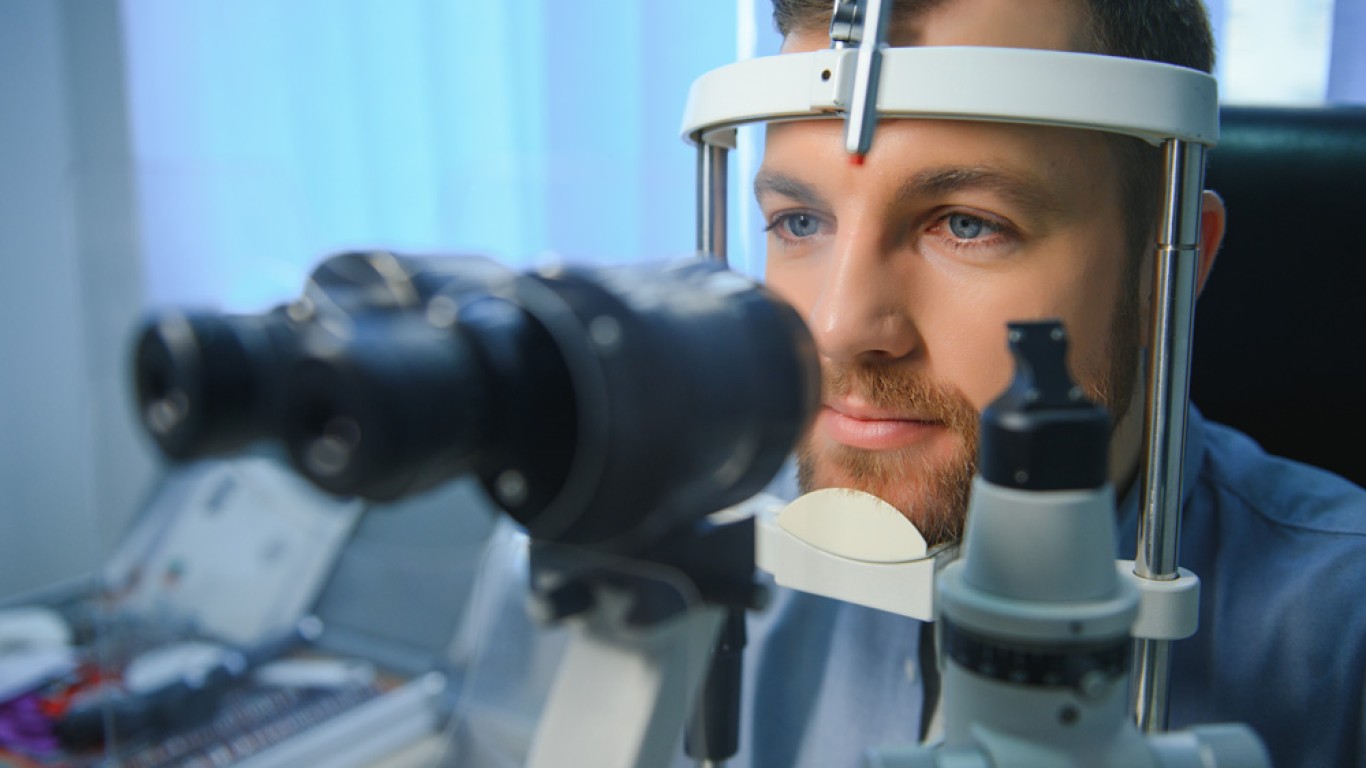
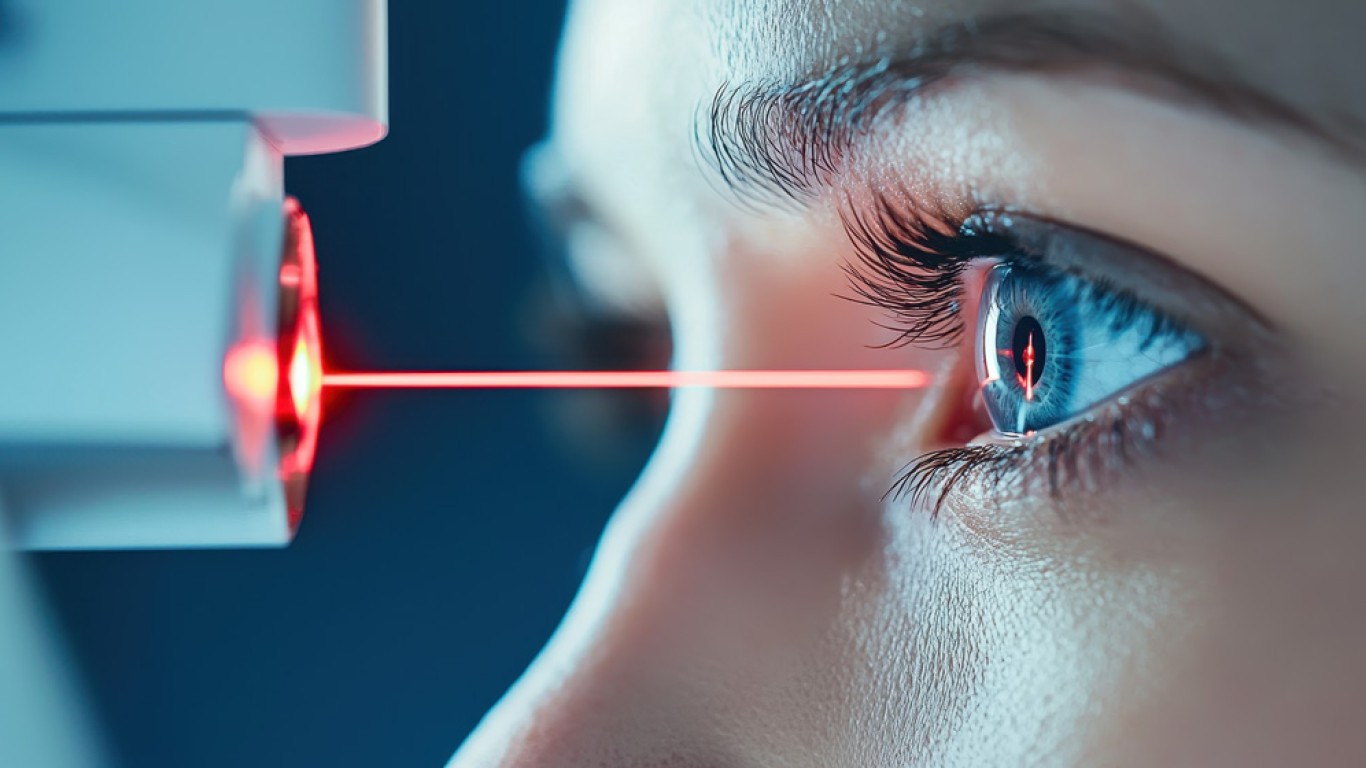
The procedure uses femtosecond laser technology. The procedure begins with a thorough eye examination. Corneal thickness, eye health and visual function are assessed. The laser creates a circular tunnel or pocket within the corneal stroma at a precise depth. The pigment is then injected into this tunnel. Procedure pigments are specifically formulated for ocular use. They are biocompatible. The colour options include various shades of blue, green, grey and brown. The procedure takes approximately thirty to sixty minutes. It is performed under topical anaesthesia using numbing eye drops. No injections or general anaesthesia are needed. Patient remains awake throughout. The procedure produces an immediate colour change. The eye appears different from the moment the pigment is placed. Mild swelling and redness are expected for the first few days. Vision may be slightly blurry temporarily. These effects resolve within one to two weeks.
Keratopigmentation: Medical vs Cosmetic Applications
The procedure serves two distinct purposes. Medical keratopigmentation treats disfigured eyes. Corneal scarring from injury, infection or disease can create a white or opaque appearance. The procedure applies pigment to match the colour of the healthy eye. The result restores a more natural, symmetrical appearance. Medical keratopigmentation improves quality of life significantly for patients living with visible eye disfigurement. Cosmetic keratopigmentation changes eye colour for aesthetic preference. Patients with brown eyes may want blue or green. Those with dark eyes may want a lighter shade. The procedure achieves this without contact lenses. The change is permanent. Cosmetic keratopigmentation is an elective procedure. It does not address any medical condition. The decision is purely personal. The distinction between medical and cosmetic keratopigmentation is important. Medical applications have a longer track record and clearer risk-benefit justification. Cosmetic applications are newer and the long-term safety data is still developing.
Keratopigmentation: Results and Appearance
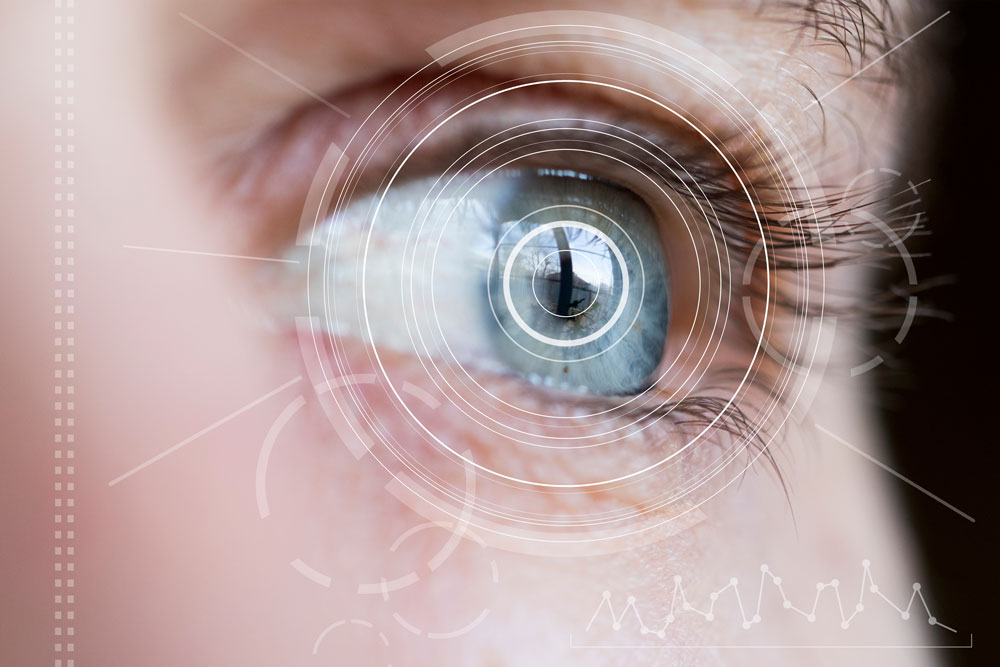
Results are immediately visible. Keratopigmentation produces a permanent colour change. The pigment remains within the corneal stroma indefinitely. The new eye colour is present in all lighting conditions. Procedure colour results depend on the original eye colour and the pigment selected. Changing from dark brown to bright blue requires more pigment and may produce a less natural effect than more subtle changes. The procedure from brown to green or hazel tends to produce a more natural appearance. Subtle colour shifts look more convincing than dramatic transformations.
The procedure colour consistency across the treated area depends on the precision of the laser pocket and the uniformity of pigment distribution. Modern femtosecond laser technique produces even distribution. The colour appears consistent across the iris area. The procedure results should look natural at conversational distance. Close inspection may reveal subtle differences in texture or depth from a natural iris. The pigment sits in a different anatomical layer from the iris. This can create a slightly different quality of colour depth.
Risks and Safety Considerations
The procedure carries risks that patients must understand. The procedure involves operating on the cornea. Cornea is essential for vision. Any procedure that modifies corneal structure carries risk to visual function. Infection is possible. The cornea is vulnerable to microbial invasion after any surgical procedure. Strict sterile protocols minimise this risk. Antibiotic drops are used before and after treatment. The procedure may affect corneal clarity. The pigment sits within the corneal tissue. In some patients, this may produce mild haziness. The impact on visual quality is typically minimal but possible. Procedure long-term safety data for cosmetic applications is still accumulating.
The procedure using femtosecond laser is relatively recent. Decades of follow-up data do not yet exist for the modern technique. Patients should understand that they are early adopters of a cosmetic application. The procedure is not reversible in a straightforward way. Removing pigment from the corneal stroma is difficult. Partial removal may be possible. Complete reversal to the original eye colour is not reliably achievable. Patients must be confident in their colour choice before proceeding.
Keratopigmentation vs Other Eye Colour Change Methods
Several methods exist for changing eye colour. The procedure is one option. Cosmetic iris implants are an alternative. A silicone device is placed over the iris to change its visible colour. However, iris implants carry significant complication risk. Glaucoma, cataracts, corneal damage and vision loss have been reported. Many ophthalmologists advise strongly against cosmetic iris implants. The procedure does not place a foreign device inside the eye. The risk profile differs from iris implants. Laser iris colour change uses laser energy to destroy melanin in the iris. This lightens brown eyes. The technique is controversial. Concerns exist about released melanin particles causing glaucoma. Long-term safety data is limited.
The procedure does not target the iris. It modifies the cornea above it. Coloured contact lenses provide non-surgical eye colour change. They are removable and temporary. They carry their own risks including infection and corneal abrasion from extended wear. The procedure provides a permanent alternative to daily contact lens use.
Conclusion
The procedure changes eye colour by placing pigment within the corneal stroma using femtosecond laser. The procedure has established medical applications for corneal disfigurement. Cosmetic applications are newer. Results are immediate and permanent. The procedure carries risks including infection and potential visual quality effects. Long-term safety data for cosmetic use is still developing. The procedure is not easily reversible. Patient selection and thorough consultation are essential. Alternative methods each carry their own risk profiles. Professional assessment ensures informed decision-making. Turkey offers keratopigmentation at specialist clinics with experienced ophthalmologists.
For more information about eye procedures and to book a consultation visit the ACIBADEM Beauty Center Laser Eye Surgery page.
Frequently Asked Questions
A procedure that changes eye colour by placing pigment within the cornea using femtosecond laser.
Yes. The pigment remains within the corneal stroma indefinitely. Reversal is difficult.
It carries risks. Long-term cosmetic safety data is still developing. Thorough consultation is essential.
Blue, green, grey and brown shades are available. Subtle changes produce the most natural appearance.
Keratopigmentation does not place a foreign device in the eye. The risk profile differs from and is generally considered lower than cosmetic iris implants.