Ataşehir Mah. Feza Sk. No:3 İstanbul / Türkiye
 English
Introduction
Lip fillers are among the most requested non-surgical cosmetic treatments worldwide. Many patients want fuller, more defined or more balanced lips without surgery. Others simply wish to restore volume lost naturally with age. Lip shape changes over time as collagen and natural hyaluronic acid decline. Lips can become thinner, flatter and less defined in the process. Fine vertical lines may also appear around the mouth. Modern injectable treatments offer a quick and adjustable way to address these concerns. This article explains what lip fillers are and how they work within the lip tissue. It also covers suitable candidates, the treatment process, recovery and potential risks. Understanding these points helps patients make confident, well-informed decisions about treatment.
What Are Lip Fillers?
Lip fillers are injectable gels placed into or around the lips to add volume and shape. Most modern fillers are made from hyaluronic acid. This is a sugar molecule that occurs naturally in the skin, joints and connective tissue. Its main role is to attract and hold water, which keeps tissue plump and hydrated. Laboratory-made hyaluronic acid is very similar to the body's own version. This similarity makes allergic reactions uncommon. Manufacturers stabilise the gel through a process called cross-linking. Cross-linking slows how quickly the body breaks the product down. Different levels of cross-linking create gels with different firmness and flexibility. Softer gels suit subtle hydration, while firmer gels provide more structure. Many products also contain lidocaine, a local anaesthetic that improves comfort during injection. Hyaluronic acid fillers are temporary and gradually absorbed by the body over time.
How Lip Fillers Work Within the Lip Tissue
Lip fillers work by adding volume directly where it is needed. The injector places small amounts of gel at precise points and depths. Once injected, the gel integrates with the surrounding tissue. Hyaluronic acid then draws in water, creating a soft and natural fullness. Filler placed along the vermilion border sharpens the outline of the lips. Filler placed in the lip body increases overall volume and projection. Small amounts in the corners can lift a downturned mouth. Treatment of the Cupid's bow can improve definition of the upper lip. The injector can also correct asymmetry between the upper and lower lips. Because the gel is mouldable for a short time, the practitioner can shape it gently. Over the following months, natural enzymes slowly break the filler down. The lips gradually return towards their original shape as this happens.
Lip Fillers: Types of Products and Their Uses
| Filler Type | Consistency | Typical Use |
| Light hydrating gel | Very soft, fluid | Lip hydration, fine lines and a subtle refresh |
| Medium-density gel | Soft but structured | Natural volume and balanced lip shape |
| Firmer volumising gel | Dense, more cohesive | Lip border definition and greater projection |
| Perioral smoothing gel | Fine, flexible | Vertical "smoker's lines" around the mouth |
Who Is a Good Candidate for Lip Fillers?
Most healthy adults with realistic expectations are suitable for lip fillers. Patients must be over eighteen years of age. Good candidates may have naturally thin lips or lips that have lost volume with age. Others want to correct mild asymmetry or improve the definition of the lip border. Lip fillers can also soften fine lines around the mouth. Some groups should delay or avoid treatment. These include pregnant or breastfeeding women and patients with active infections near the mouth. Patients with a history of cold sores may need antiviral medication beforehand. Certain autoimmune conditions and bleeding disorders also require careful medical assessment. Patients taking blood-thinning medication should discuss this with their practitioner first. Realistic expectations are just as important as medical suitability. Lip fillers enhance natural features rather than creating a completely different appearance.
What Happens During a Lip Fillers Appointment?
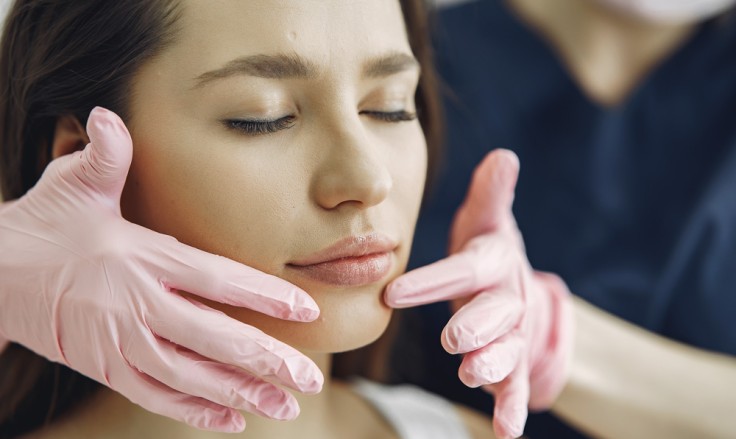
A lip fillers appointment usually takes thirty to sixty minutes in total. It begins with a consultation covering medical history, goals and facial proportions. The practitioner assesses lip shape, symmetry and the surrounding facial features. Together, the patient and practitioner agree on a treatment plan and volume. Most first treatments use between half a millilitre and one millilitre of filler. The skin is then cleansed thoroughly with an antiseptic solution. A topical numbing cream may be applied for extra comfort. The practitioner injects the filler using a fine needle or a blunt-tipped cannula. Injections are placed slowly and carefully, with regular checks on symmetry. Most patients describe a mild stinging or pressure sensation rather than pain. Once injections are complete, the practitioner may gently massage the lips. Patients can usually return to normal daily activities straight away.
Recovery and Aftercare After Lip Fillers
Recovery after fillers is generally quick and straightforward. Swelling is the most common effect and usually peaks within one to two days. The lips may look larger than the final result during this time. Most swelling settles within three to five days. Minor bruising at injection points can last up to a week. A cold compress wrapped in a clean cloth helps reduce swelling. Patients should avoid strenuous exercise for twenty-four to forty-eight hours. Alcohol, saunas and very hot drinks are best avoided for the first day or two. Patients should also avoid pressing, rubbing or massaging the lips unless advised. Sleeping with the head slightly raised can reduce overnight swelling. The final result is usually visible after about two weeks. Many clinics offer a review appointment at this stage to check the outcome.
How Long Do Results Last?
Results from hyaluronic acid lip fillers typically last six to twelve months. Some patients notice results for longer, particularly after repeat treatments. The lips are a very mobile area, so filler breaks down faster here than elsewhere. Talking, eating and facial expressions all contribute to this gradual breakdown. Metabolism, age and lifestyle also influence how long the product lasts. Smoking, intense exercise and frequent sun exposure may shorten results. Firmer, more cross-linked products often last longer than very soft gels. Many patients choose a small top-up treatment every six to twelve months. Top-ups usually need less product than the original treatment. This approach helps maintain a consistent, natural-looking result over time.
Conclusion
Lip fillers offer a safe and effective way to enhance lip volume, shape and definition. Most modern treatments use hyaluronic acid, a substance found naturally in the body. The gel attracts water, creating soft fullness that looks and feels natural. Treatment is quick, recovery is short and results are adjustable. Results are temporary, so patients can refine or stop treatment over time. Choosing an experienced medical practitioner remains the most important factor for safety. A thorough consultation ensures the treatment plan suits each patient's anatomy and goals.
To learn more about fillers and to book a consultation, visit the ACIBADEM Beauty Center Dermal Fillers webpage.
Frequently Asked Questions
Most patients feel only mild discomfort. Many fillers contain lidocaine, and numbing cream can be applied beforehand.
Most swelling settles within three to five days. The final result is usually visible after about two weeks.
Yes, when placed by an experienced injector using a suitable product and volume.
Hyaluronic acid lip fillers can be dissolved using an enzyme called hyaluronidase.
Most first treatments use between half a millilitre and one millilitre, depending on goals.