Ataşehir Mah. Feza Sk. No:3 İstanbul / Türkiye
 English
Introduction
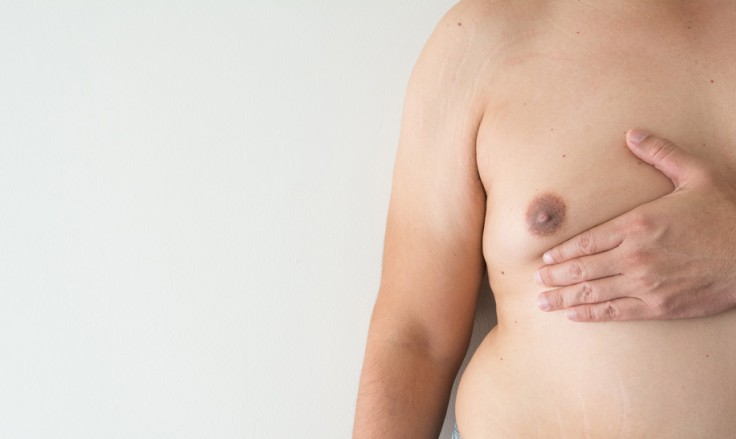
Gynecomastia treatments range from simple monitoring to surgical correction. Gynecomastia is the enlargement of glandular breast tissue in males. It is common during puberty and in older age, but it can occur at any stage. Many men find it affects their confidence, clothing choices and social life. The right treatment depends on the cause, duration and severity of the condition. Some cases resolve naturally, while others need medical or surgical treatment. This article explains the main options and how effective each one is. It also compares recovery, results and suitability to help men make informed decisions.
Understanding the Condition Before Treatment
A correct diagnosis is the foundation of effective treatment. True gynecomastia involves firm glandular tissue beneath the nipple. Pseudogynecomastia is chest enlargement caused by fat alone. The two conditions look similar but respond to different treatments. Doctors also look for underlying causes before recommending treatment. These may include medications, hormone imbalances or health conditions. Blood tests and an ultrasound scan are often used during assessment. Rarely, a lump may need further investigation to rule out other conditions. Identifying the cause helps doctors choose the most effective approach.
Why Gynecomastia Treatments Depend on the Cause
Treatment is most effective when it addresses the underlying cause. Puberty-related gynecomastia often resolves without any treatment. Medication-related cases may improve when the medication is changed or stopped. Anabolic steroid use is a common cause that requires stopping the steroids. Hormonal imbalances may respond to treatment of the underlying condition. Gynecomastia linked to excess weight may improve partly with weight loss. However, long-standing glandular tissue often becomes fibrous over time. Fibrous tissue does not usually respond to medication or weight loss. In these cases, surgery is generally the most effective option.
Watchful Waiting
Watchful waiting is often recommended for teenage boys. Most puberty-related cases settle within six months to two years. Doctors may suggest regular reviews to monitor changes. During this time, any tenderness usually reduces. Watchful waiting may also be appropriate for recent-onset adult cases. This allows time for reversible causes to be identified and addressed. If enlargement persists beyond two years, it is unlikely to resolve alone. Persistent cases can then be considered for other treatments.
Lifestyle and Medication Review
Lifestyle changes can help some men, particularly when fat contributes to enlargement. Regular exercise and a balanced diet reduce overall body fat. Reducing alcohol intake may help, as alcohol can affect hormone balance. Avoiding recreational drugs such as cannabis is also advisable. Men using anabolic steroids or certain supplements should stop them. A doctor may review prescribed medications that can cause breast enlargement. Changing to an alternative medication may lead to gradual improvement. However, lifestyle changes rarely remove established glandular tissue.
Medical Gynecomastia Treatments
Medication may help in selected cases of recent, tender gynecomastia. Drugs that block oestrogen effects, such as tamoxifen, are sometimes used. These medicines can reduce tenderness and shrink new glandular tissue. They work best when gynecomastia has been present for less than a year. Medication is less effective once tissue has become fibrous. These drugs are generally used off-label and require specialist supervision. Possible side effects should be discussed carefully with a doctor. Medication is not suitable for every patient. It is usually considered a short-term option rather than a permanent solution.
Surgical Gynecomastia Treatments: Liposuction
Liposuction removes excess fat from the chest. It is most effective when enlargement is mainly caused by fat. The surgeon inserts a thin cannula through small incisions. Fat is then suctioned out to flatten and contour the chest. Some techniques use ultrasound or power assistance to remove fibrous fat more easily. Liposuction alone cannot remove firm glandular tissue. For this reason, it is often combined with gland excision. Scars are very small and usually fade well. Liposuction can also refine the chest edges for a more natural contour.
Surgical Gynecomastia Treatments: Gland Excision
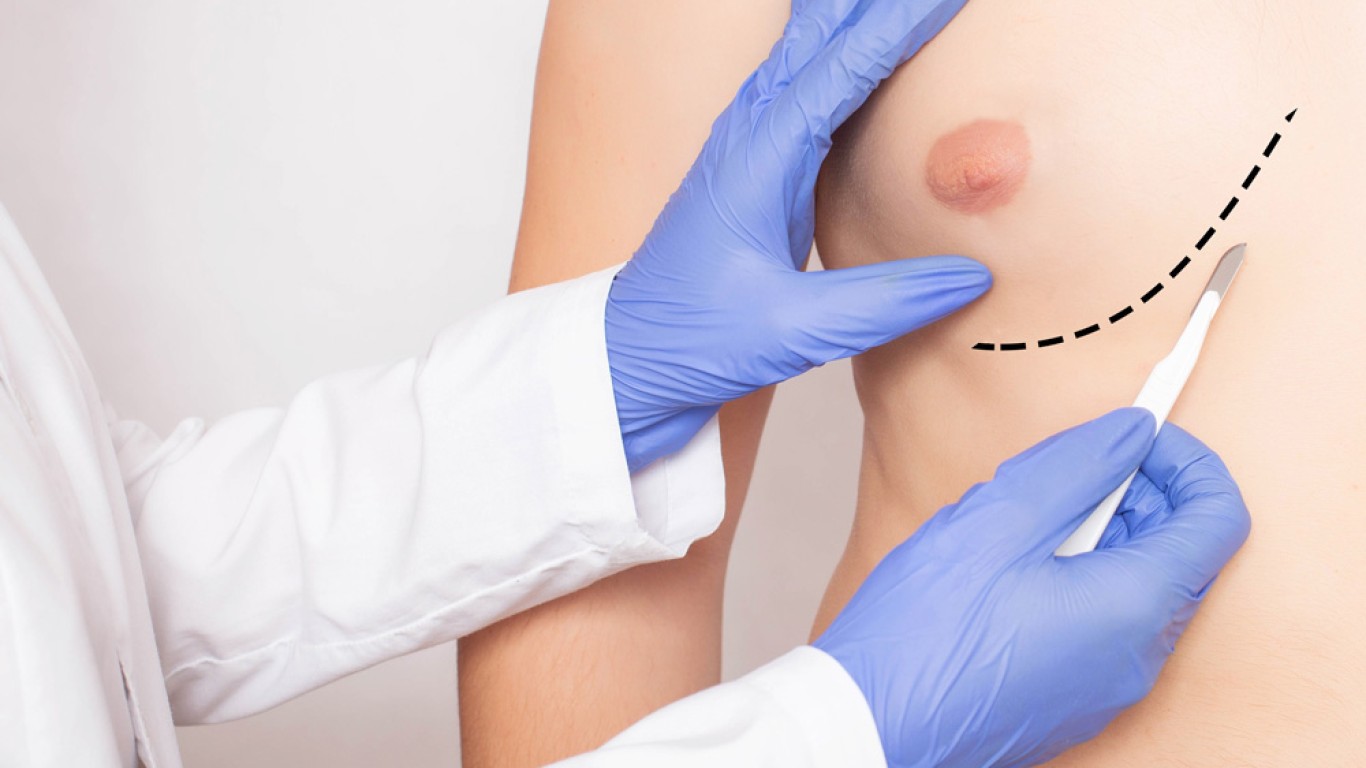
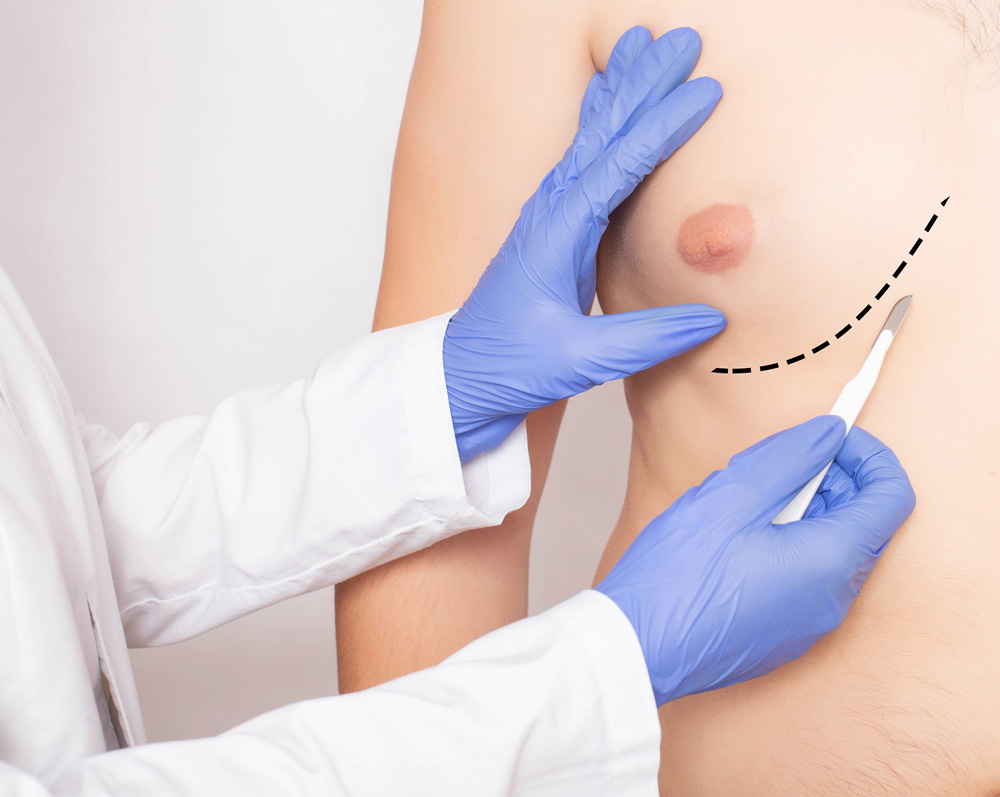
Gland excision is the most reliable way to remove glandular tissue. The surgeon makes a small incision along the lower edge of the areola. Through this incision, the firm gland tissue is carefully removed. A thin layer of tissue is left beneath the nipple to prevent a sunken appearance. Gland excision is often combined with liposuction in the same operation. This combination treats both fat and gland for a smooth, flat chest. In severe cases with excess skin, skin removal may also be needed. This may involve longer incisions and, sometimes, repositioning the nipple. Surgery usually takes one to two hours under general anaesthesia.
Comparing Gynecomastia Treatments
| Treatment | Best Suited For | Effectiveness |
| Watchful waiting | Puberty-related or recent cases | Often resolves within two years |
| Lifestyle and medication review | Fat-related or medication-related cases | Partial improvement in some men |
| Medication | Recent, tender glandular enlargement | Limited, works best within the first year |
| Liposuction | Mainly fatty enlargement | Effective for fat, not gland tissue |
| Gland excision with liposuction | Established glandular enlargement | Highly effective and long-lasting |
| Skin removal surgery | Severe cases with excess skin | Effective for advanced enlargement |
Who Is Suitable for Surgery?
Surgery suits men with persistent gynecomastia that has not responded to other measures. Candidates should be in good general health and at a stable weight. Teenagers are usually advised to wait until breast development has stabilised. Reversible causes, such as steroid use, should be addressed first. Non-smokers heal better and face fewer complications. Realistic expectations about scarring and results are also important. A surgeon will assess skin quality, gland size and fat distribution. This assessment helps determine the most suitable surgical technique.
Recovery After Surgical Gynecomastia Treatments
Recovery is usually straightforward. Patients wear a compression vest for around four to six weeks. The vest reduces swelling and helps the skin settle smoothly. Mild discomfort and bruising are common during the first week. Most men return to desk-based work within a few days to a week. Light walking is encouraged early to support circulation. Upper-body exercise and heavy lifting should be avoided for around six weeks. Swelling gradually settles over several months. Final results are usually visible between three and six months.
Long-Term Results and Benefits of Gynecomastia Surgery
Gynecomastia surgery can provide lasting improvements in chest shape and overall body proportions. Removing excess glandular tissue helps create a flatter, more masculine chest contour. Additionally, combining gland excision with liposuction allows surgeons to refine the surrounding chest area. This approach can create smoother transitions and a more balanced appearance. Many patients report greater confidence when wearing fitted clothing or participating in physical activities. Furthermore, the results are generally long-lasting once the excess glandular tissue has been removed. Maintaining a stable weight helps preserve the improved chest contour over time. Avoiding anabolic steroids and addressing underlying hormonal conditions also supports lasting results. Final improvements become clearer as swelling settles over the following three to six months. Regular follow-up appointments allow surgeons to monitor healing and assess the developing chest shape.
Conclusion
The most effective gynecomastia treatments depend on the cause and severity. Puberty-related and recent cases may improve with watchful waiting or medication. Lifestyle changes help when fat contributes to chest enlargement. Established glandular tissue usually requires surgery for lasting results. Gland excision combined with liposuction remains the most reliable option for persistent cases.
To learn more about gynecomastia treatments and to book a consultation, visit the ACIBADEM Beauty Center Aesthetics webpage.
Frequently Asked Questions
Some recent or puberty-related cases improve without surgery. Established glandular tissue usually needs surgery.
Weight loss reduces fat but does not usually remove glandular tissue.
Liposuction treats fat only. Glandular tissue usually requires excision.
Most men return to work within a week and resume full exercise after six weeks.
Recurrence is uncommon but can occur with weight gain, steroid use or certain medications.