Ataşehir Mah. Feza Sk. No:3 İstanbul / Türkiye
 French
  English
  German
  Spanish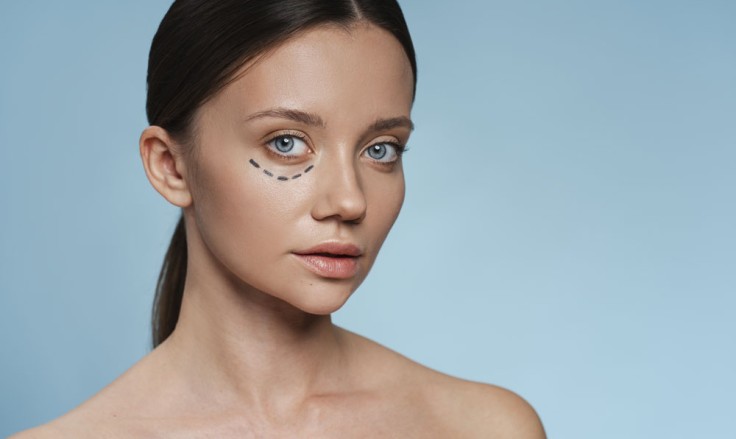
Introduction
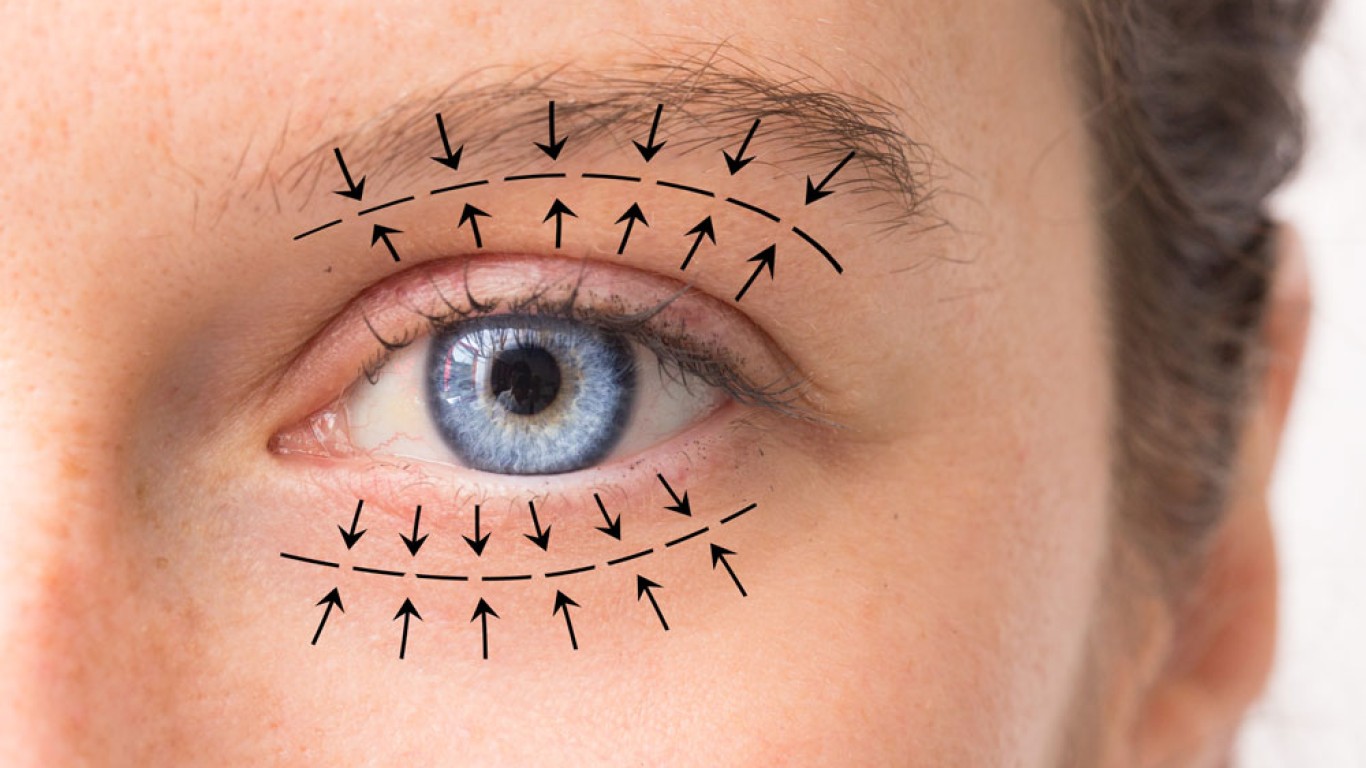
The under eye area is often one of the first places to show signs of dehydration. Because the skin here is thin and delicate, even minor moisture loss becomes visible quickly. Dehydration lines under eyes can create a creased or tired appearance, especially in certain lighting. These lines often appear suddenly and fluctuate throughout the day. Many people confuse them with permanent wrinkles, although they behave differently. Understanding why dehydration lines under eyes form helps guide effective treatment choices. With the right approach, these lines can often be softened and managed successfully.
What Are Dehydration Lines Under Eyes?
Dehydration lines under eyes are fine lines caused by lack of moisture in the skin. They aren’t the same as age-related wrinkles, which form from collagen loss. Instead, dehydration lines appear when the skin barrier is compromised. The surface becomes less elastic and more prone to creasing. These lines may look deeper when the skin is dry. Unlike permanent wrinkles, dehydration lines under eyes often change in appearance. They may be more visible in the morning or after long days because hydration levels strongly influence how noticeable they become. When moisture is restored, the skin can appear smoother again. This temporary nature helps distinguish dehydration from ageing.
Why the Under Eye Area Dehydrates Easily
The under eye region contains fewer oil glands than other facial areas, which means that it struggles to retain moisture effectively. The skin barrier here is also thinner and more fragile. Environmental exposure affects this area quickly. These factors make lines under your eyes more likely. In addition, blinking and facial movement place constant stress on under eye skin. This repeated motion can accentuate dryness. Without adequate hydration, the skin cannot rebound smoothly and fine lines become more noticeable. Prevention therefore focuses on barrier support.
Lifestyle Factors That Contribute to Dehydration Lines Under Eyes
Daily habits strongly influence under eye hydration levels. Low water intake can reduce skin moisture from within while long screen exposure encourages reduced blinking. This leads to surface dryness around the eyes which means that dehydration lines under eyes may appear more pronounced. Sleep quality also plays a role in skin hydration because poor sleep can impair skin recovery overnight. Caffeine and alcohol intake may further reduce moisture retention plus air-conditioned environments add to dryness. Lifestyle awareness is therefore important for effective hydration management.
Skincare Habits That Worsen Dehydration Lines
Using harsh cleansers can strip the skin barrier, leaving the under eye area vulnerable to moisture loss. Over-exfoliation also weakens surface protection, meaning that dehydration lines under eyes may become more visible. Gentle care is essential. Skipping moisturiser around the eyes is another common issue. Some people avoid this area unnecessarily. Without hydration, the skin cannot maintain elasticity so consistent product use supports a smoother appearance. Skin care routines should include targeted eye care.
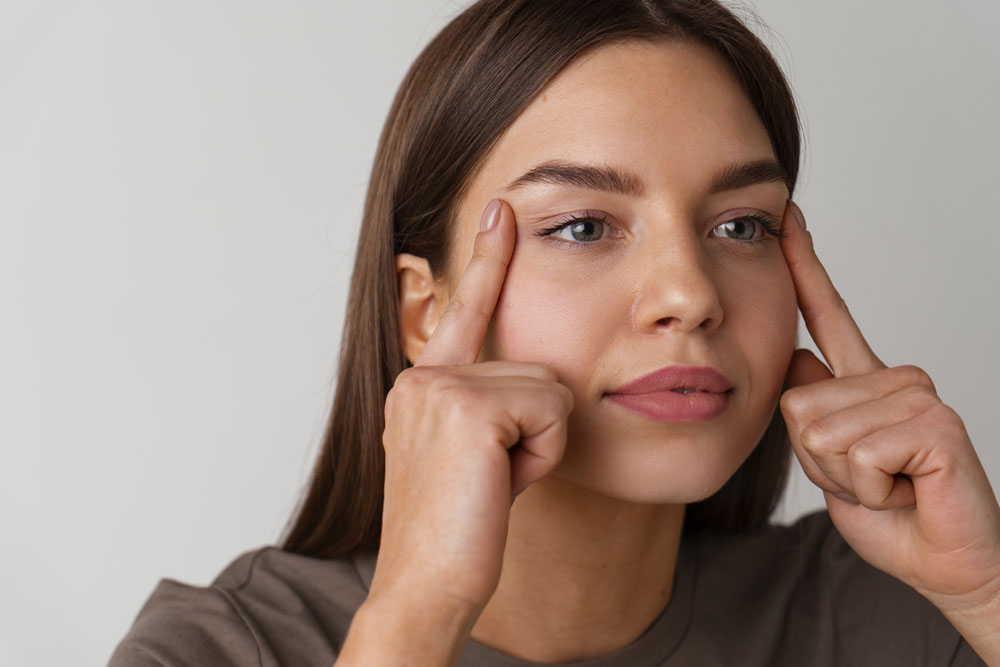
Dehydration Lines Under Eyes vs Wrinkles
Dehydration lines under eyes differ significantly from wrinkles.
- Wrinkles form due to structural ageing changes.
- Dehydration lines result from surface moisture loss and often disappear temporarily with hydration. Wrinkles remain regardless of moisture levels.
This distinction matters when choosing treatments. Hydrating approaches work well for dehydration while structural treatments are better for targeting wrinkles. Confusing the two can lead to ineffective care.
Dehydration Lines Under Eyes and Seasonal Changes
Seasonal factors influence skin hydration significantly. Cold weather reduces humidity levels and indoor heating further dries the skin. Consequently, lines that appear under your eyes often worsen in winter. With this in mind, protective care becomes essential. Summer heat can also dehydrate skin through sweating and sun exposure increases moisture loss. Adjusting skincare seasonally helps maintain balance. Hydration strategies should therefore evolve throughout the year.
How Hydration Restores Under Eye Skin
Hydration improves skin flexibility and surface smoothness. When moisture levels rise, the skin appears plumper and fine lines soften as elasticity improves. Dehydration lines under eyes often respond quickly and create visible improvement. Topical hydration also strengthens the skin barrier by reducing future moisture loss. Long-term hydration supports resilience and consistency remains key for lasting benefit. It’s important to remember that skin responds best to regular care.
Topical Treatments for Dehydration Lines Under Eyes
Eye creams with humectants attract moisture into the skin. Ingredients such as hyaluronic acid support hydration and occlusive components help lock moisture in place. Together, they reduce dehydration lines under eyes. Application technique also matters - using small amounts gently prevents unnecessary pulling. Products should be applied consistently morning and evening. Layering hydration beneath sunscreen helps support daytime protection. Over time, skin texture often improves. Topical care forms the foundation of effective treatment.
Professional Treatments for Dehydration Lines Under Eyes
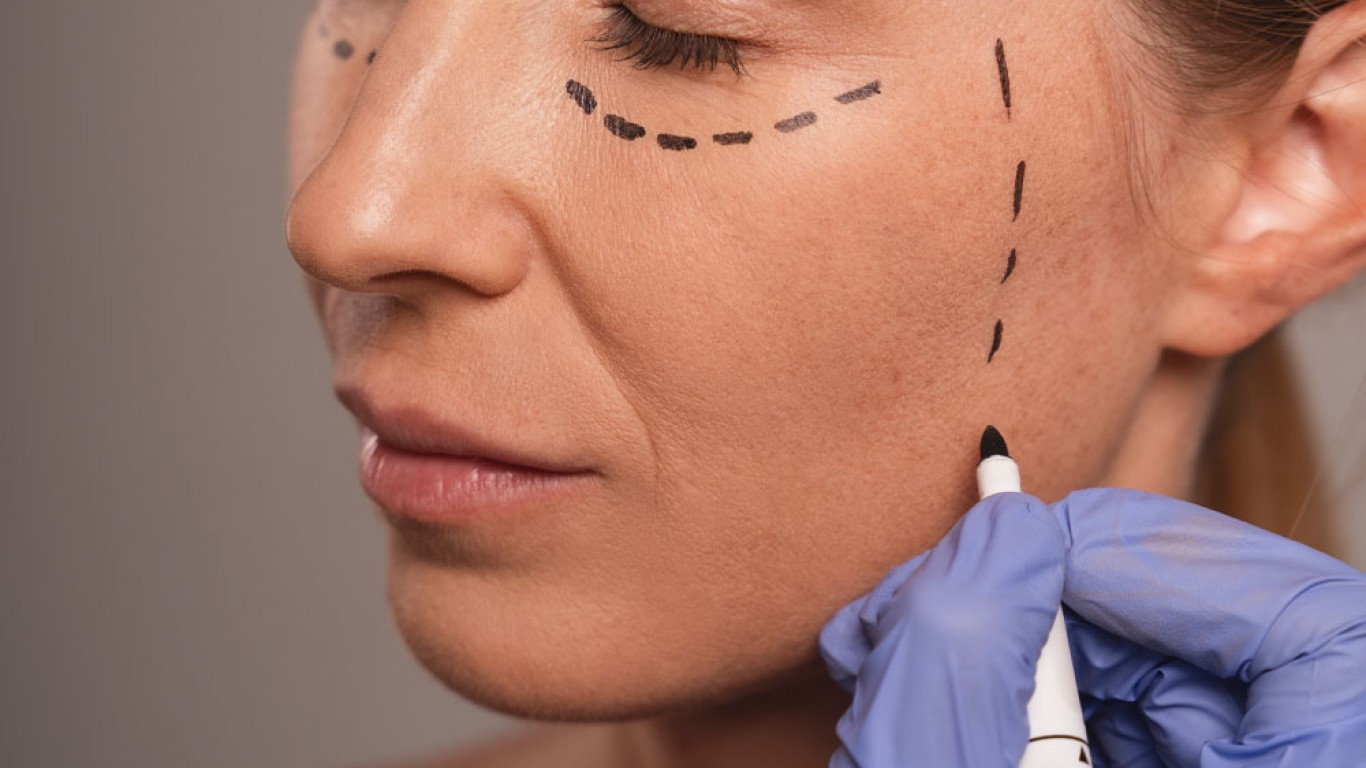
In-clinic treatments can support hydration at deeper levels. Skin boosters deliver moisture directly into the skin and improve overall skin quality gradually. Dehydration lines under eyes may soften as a result but remember that results develop progressively. Light-based therapies can also enhance skin texture. These treatments encourage improved surface smoothness. Hydration improves as skin function strengthens. Professional care complements home routines and combination approaches often deliver better results.
Light-Based Therapies for Dehydration Lines Under Eyes
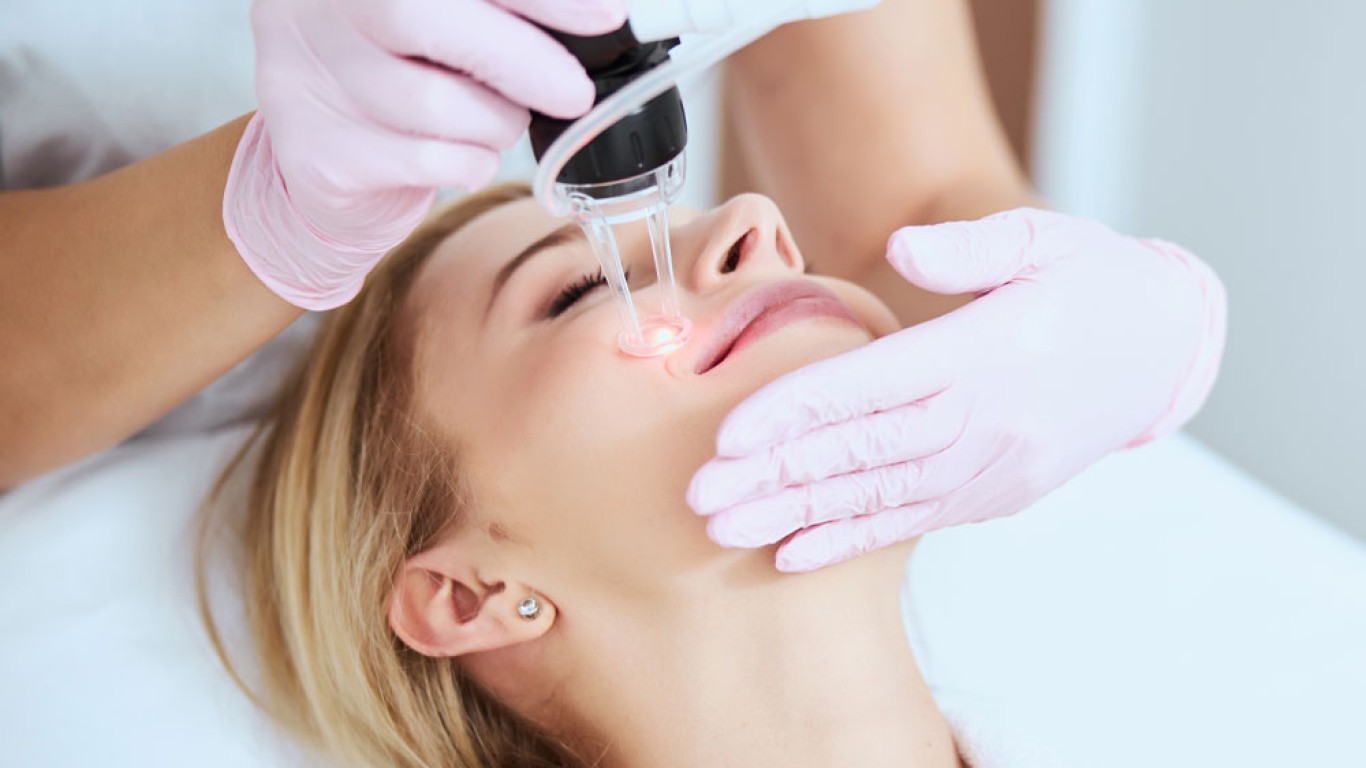
Light-based therapies are frequently chosen to improve under eye skin quality and hydration behaviour. These treatments deliver controlled energy to the skin surface, encouraging renewal and improved function. As a result, the skin often becomes more efficient at retaining moisture over time. Technologies such as laser treatments and intense pulsed light focus on surface refinement rather than volume changes. This makes them suitable for delicate under eye skin. Improvements develop gradually across multiple sessions. Texture often appears smoother as hydration stabilises. Many patients include light-based therapies within longer-term hydration plans. Consistency supports visible and lasting improvement.
Injectable Treatments for Under Eye Dehydration
Injectable treatments for dehydration focus on improving skin quality rather than altering shape. These injectables are designed to enhance moisture levels within the skin layers. Small amounts are placed superficially to support elasticity and hydration. Unlike volumising products, they don’t change under eye contours. Instead, the skin often appears smoother and more resilient. Results typically develop gradually over several weeks. Injectable hydration treatments are frequently combined with topical skincare - this layered approach supports both surface and deeper hydration. Personalised planning helps determine appropriate treatment intervals. When used carefully, injectables complement other hydration-focused treatments effectively.
Long-Term Management of Dehydration Lines Under Eyes
Managing dehydration lines under eyes requires consistency. Short-term fixes offer temporary improvement only whereas long-term care focuses on barrier repair and hydration. Lifestyle habits also play a role. Balanced routines support sustained results. Regular assessment helps adjust treatment plans because skin needs can change over time. Combining topical and professional care works well, and developing a Long-term strategy delivers the best outcomes.
Treating Dehydration Lines Under Eyes in Turkey
In recent years, Turkey has positioned itself as a centre for progressive skin rejuvenation approaches. Istanbul clinics frequently integrate advanced hydration techniques within broader facial care programmes. Many patients choose these clinics for their emphasis on methodical assessment rather than isolated treatments. Dehydration lines under eyes are often managed through staged plans that evolve over time. This structured approach supports consistent improvement rather than short-term change.
Leading clinics prioritise detailed evaluation before recommending any treatment. Factors such as daily habits, skin behaviour and environmental exposure are carefully reviewed. As a result, care pathways are adapted to individual needs. Continued follow-up allows treatments to be adjusted gradually. This focus on planning and continuity makes Turkey appealing for refined under eye care.
Conclusion
Dehydration lines under eyes are common but manageable. They differ from wrinkles and respond well to hydration-focused care. Lifestyle, skin care and professional treatments all play a role, and understanding the cause allows for targeted treatment. With the right approach, visible improvement is easily achievable.
For more information about treatments for the under eye area, and to book a consultation, visit the ACIBADEM Beauty Center website.
Frequently Asked Questions
They are often temporary and improve with hydration.
Mild cases often respond well to consistent skincare.
They may become more noticeable as skin barrier weakens.
Yes, hydration-focused treatments can improve skin quality.
Turkey offers advanced skin care programmes and experienced specialists.