Ataşehir Mah. Feza Sk. No:3 İstanbul / Türkiye
 English
  German
  Spanish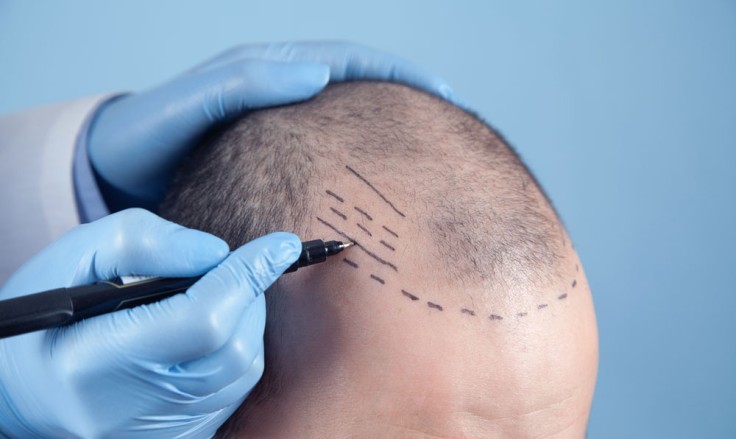
Introduction
The donor area is the foundation of every hair transplant. It provides the follicles that are moved to thinning areas. Most patients focus on the recipient area during planning. The donor area after hair transplant deserves equal attention. Understanding what happens to this area helps patients set realistic expectations. Healing, scarring and long-term density all require consideration. This article explains what patients should expect from their donor area after hair transplant and how to protect it.
Where Is the Donor Area?
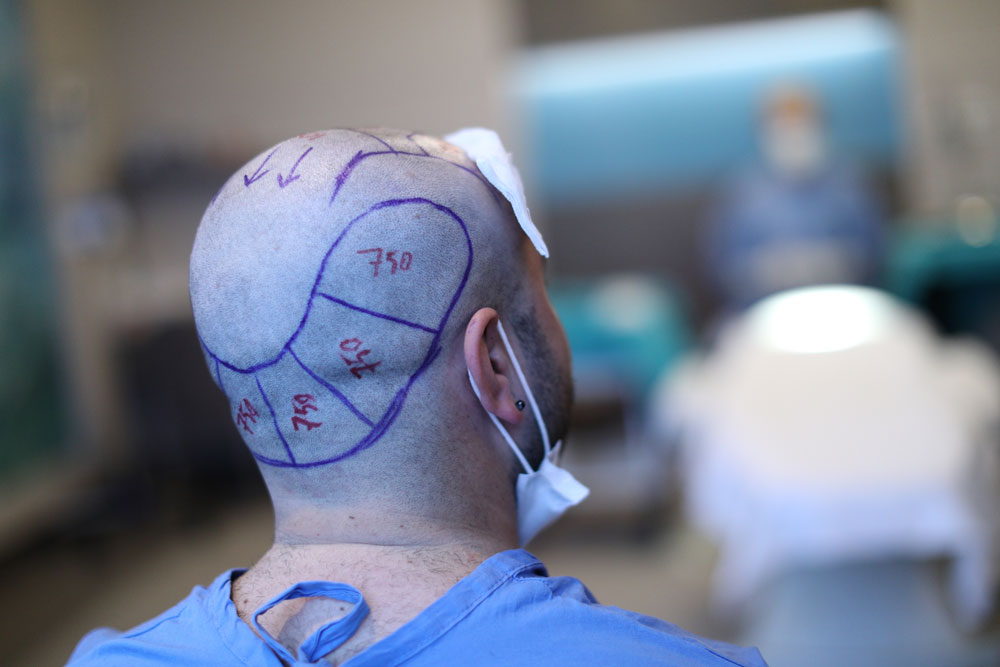
The donor area sits at the back and sides of the scalp. This region is genetically resistant to pattern hair loss. The follicles here are not affected by DHT. They retain their growth characteristics permanently. The donor area remains the primary source for all transplanted grafts. The density of available donor hair determines how many grafts can be extracted. Not every patient has the same donor capacity. Hair thickness, density and scalp laxity all vary. The surgeon assesses donor quality during consultation. This assessment determines how many grafts are available and what recipient coverage is achievable.
What Happens to the Donor Area After Hair Transplant: FUE
FUE extracts individual follicular units using a micro-punch tool. Each extraction leaves a tiny circular wound. These wounds are less than one millimetre in diameter. The donor area with FUE shows scattered micro-dots. These dots heal over one to two weeks. They form small circular scars. Each scar is virtually invisible once healed. The surrounding hair conceals the extraction sites effectively. The donor area with FUE appears largely unchanged to casual observation. Hair can be worn short without visible scarring in most cases. Very close-cropped styles at grade zero or one may reveal the dots under close inspection. Most patients wear hair at grade two or longer without any visible evidence of extraction.
Donor Area After Hair Transplant: Healing Timeline
Healing follows a predictable timeline. The donor area afterwards shows redness and tiny crusts during the first week. FUE crusts fall off within seven to ten days. Mild tenderness is common during the first few days. Pain is well managed with standard medication. Most patients feel comfortable within three to five days. The donor area appears largely healed in two weeks. Residual pinkness fades over the following weeks. Hair growth resumes normally in the donor area. The extracted follicles do not grow back. However, the surrounding follicles continue growing undisturbed. The donor area looks natural once healing is complete. Most patients find the donor area heals faster and more comfortably than the recipient area.
Density Considerations
Donor density is a finite resource. Every extracted follicle is permanently removed from the donor area. The donor area has fewer follicles than before surgery. However, this reduction is carefully managed. An experienced surgeon extracts follicles evenly across the donor zone. This prevents visible thinning in any single area. The donor area should appear uniformly dense after healing. Over-harvesting is a serious concern. Extracting too many grafts from a limited donor area creates visible thinning. The back of the scalp appears patchy or depleted. This is irreversible. The surgeon must balance recipient coverage needs with donor preservation. Conservative harvesting protects long-term donor appearance. Patients planning future procedures should discuss donor management strategy during their first consultation.
Protecting the Donor Area After Hair Transplant
Several steps protect the donor area during healing. Follow all wound care instructions precisely. Keep the area clean. Avoid touching or scratching during the first week. The donor area should not be exposed to direct sun during early healing. Wear a loose hat when outdoors. Avoid swimming for two to three weeks. Avoid strenuous exercise for two weeks. Elevated blood pressure from exercise can cause bleeding at extraction sites. Sleeping on a travel pillow protects the donor area from friction against the pillow surface. The donor area after hair transplant heals best when patients follow aftercare closely. Gentle hair washing can resume within two to three days using the technique directed by the clinic. Pat dry gently. Do not rub. Avoid hair products and styling tools on the donor area for two weeks.
Long-Term Donor Area After Hair Transplant Appearance
The long-term appearance depends on technique, healing and extraction density. The donor area after hair transplant with conservative FUE extraction looks virtually unchanged. Surrounding hair grows normally. The extraction sites are undetectable at normal hair lengths. The donor area after hair transplant maintains a natural appearance for the vast majority of patients. Patients who have had multiple transplant sessions should discuss cumulative donor impact with their surgeon. Each additional procedure reduces donor density further. Planning across sessions ensures long-term donor preservation. The donor area after hair transplant is a lifelong consideration. Protecting it during and between procedures supports the best possible long-term aesthetic outcome for both donor and recipient areas.
What If the Donor Area After Hair Transplant Looks Thin?
Donor thinning is uncommon when extraction is performed conservatively. However, it can occur after aggressive harvesting. The donor area after hair transplant that appears visibly depleted is difficult to correct. Options are limited. Scalp micropigmentation can create the illusion of density. Tiny pigment dots replicate the appearance of closely shaved hair follicles. This disguises thinning effectively. Body hair transplant from the chest or beard can supplement a depleted scalp donor area in some cases. However, body hair characteristics differ from scalp hair. Growth rate, texture and curl pattern may not match perfectly. The best approach is prevention through conservative initial extraction. The donor area after hair transplant should always be managed as a precious, finite resource.
Choosing the Right Surgeon
Surgeon selection directly affects donor area outcomes. An experienced surgeon plans extraction carefully. They assess donor density before surgery. They calculate how many grafts can be safely removed without compromising donor appearance. The donor area after hair transplant reflects the surgeon's judgment and technical skill. Over-harvesting is a sign of poor planning. Ask the surgeon about their donor management approach. Review photographs showing the donor area of previous patients. The donor area after hair transplant should look natural and full in these images. Turkey offers hair transplant surgery with experienced surgeons at competitive pricing. All-inclusive packages include consultation, surgery and aftercare. Professional donor assessment before surgery ensures the safest and most aesthetic long-term outcome.
Conclusion
The donor area after hair transplant heals well in the vast majority of patients. FUE produces scattered micro-scars. Healing takes one to two weeks. Long-term appearance depends on conservative extraction and careful surgical planning. The donor area after hair transplant is a finite resource. Protecting donor density across sessions supports the best lifelong outcome. Professional consultation ensures appropriate extraction planning. Turkey offers hair transplant surgery at competitive pricing with experienced surgeons who prioritise donor preservation. Following aftercare instructions supports optimal healing and long-term donor health. Careful donor management preserves options for any future transplant procedures.
For more information about hair transplants and to book a consultation visit the ACIBADEM Beauty Center Hair Transplant page.
Frequently Asked Questions
Extracted follicles do not regrow. Surrounding follicles continue growing normally.
Not with conservative extraction. Even distribution prevents visible thinning.
One to two weeks for surface healing. Scars mature over twelve to eighteen months.
Yes. Most patients wear hair at grade two or longer without visible scarring.
Scalp micropigmentation can disguise thinning. Prevention through conservative extraction is best.