Ataşehir Mah. Feza Sk. No:3 İstanbul / Türkiye
 French
  English
  German
  Spanish
Introduction
The button nose is one of the most requested rhinoplasty profiles. It is characterised by a small, rounded tip and delicate proportions. Many patients bring reference images of this look to their consultations. The shape has long been associated with youthfulness and femininity. Social media and celebrity culture have amplified interest in this specific nose aesthetic. Understanding what a button nose involves and how rhinoplasty achieves this shape helps patients set realistic expectations. Not every face suits this particular look. This article explains the characteristics of a button shaped nose, the surgical techniques used and the considerations every prospective patient should weigh.
What Defines a Button Nose?
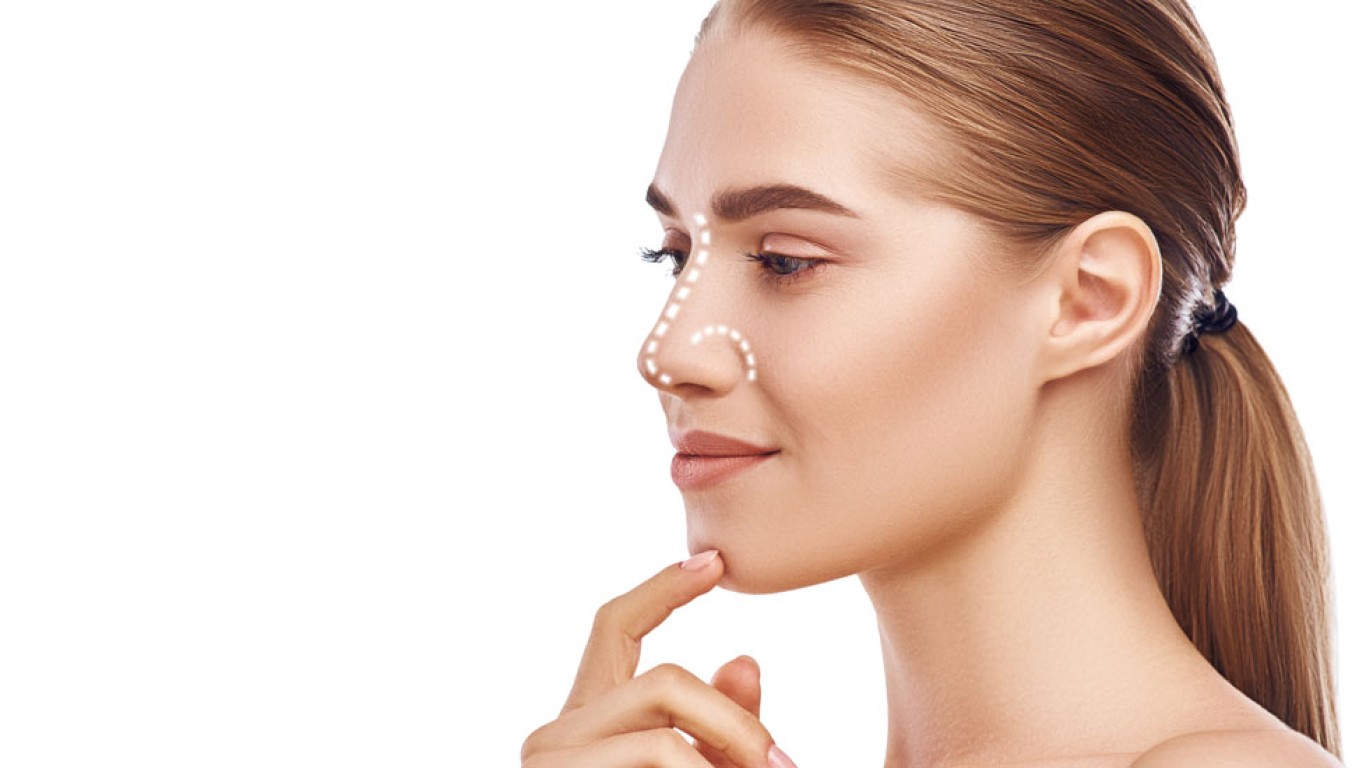
A button shaped nose is characterised by several distinctive features. The overall size is small relative to the face. Bridge is short and slightly concave or straight. The tip is rounded and slightly upturned. The nostrils are small and discreet. Result appears delicate and youthful from every angle. There is no dorsal hump on the bridge. The profile shows a gentle slope with a soft upturn at the tip. This aesthetic creates a feminine and approachable appearance. The look is widely associated with youth and softness. Many cultural beauty standards consider the button nose attractive. This is due to its delicate proportions and balanced shape.
Why the Button Nose Has Become Popular
Several factors have driven the popularity of the button nose. Social media platforms showcase filtered and curated images that emphasise small, refined noses. Celebrity culture has normalised cosmetic nose reshaping. The button shaped nose represents a specific aesthetic ideal that resonates with many patients. Its association with youth and femininity contributes to its appeal. Younger patients in particular have embraced the aesthetic. Rhinoplasty trends shift over time. The button nose reflects a current cultural preference for delicate facial features. However, trends evolve. Patients should consider whether this specific aesthetic will continue to suit them long term. Rather than pursuing a shape based solely on current popularity.
How Rhinoplasty Creates a Button Shaped Nose
Creating a button nose through rhinoplasty involves several precise techniques. The bridge is narrowed and shortened through controlled bone work. The dorsal profile is smoothed to create a straight or slightly concave line. Tip refinement reshapes the lower cartilages to create a smaller, rounded point. Tip rotation lifts the nose to create the characteristic upturn. Nostril reduction may be performed if the base appears too wide. The result requires careful balance between these elements. Over-refinement in any area risks creating an unnatural appearance. The surgeon plans each modification to work harmoniously with the rest of the facial features.
Tip Refinement for a Button Shaped Nose
The tip is the defining feature of a button nose. Achieving the rounded shape requires precise reshaping of the lower lateral cartilages. Suture techniques bring the cartilages closer together. This creates a more refined and rounded point. Cartilage trimming may reduce excess volume. Grafting techniques can add support where needed. The tip should appear soft and natural rather than pinched. Skin thickness influences how much definition is achievable. Patients with thicker skin may see less precise tip definition than those with thinner skin. The surgeon balances refinement with natural shape preservation. Conservative reshaping produces the most authentic-looking results.
Bridge Shaping for a Button Nose
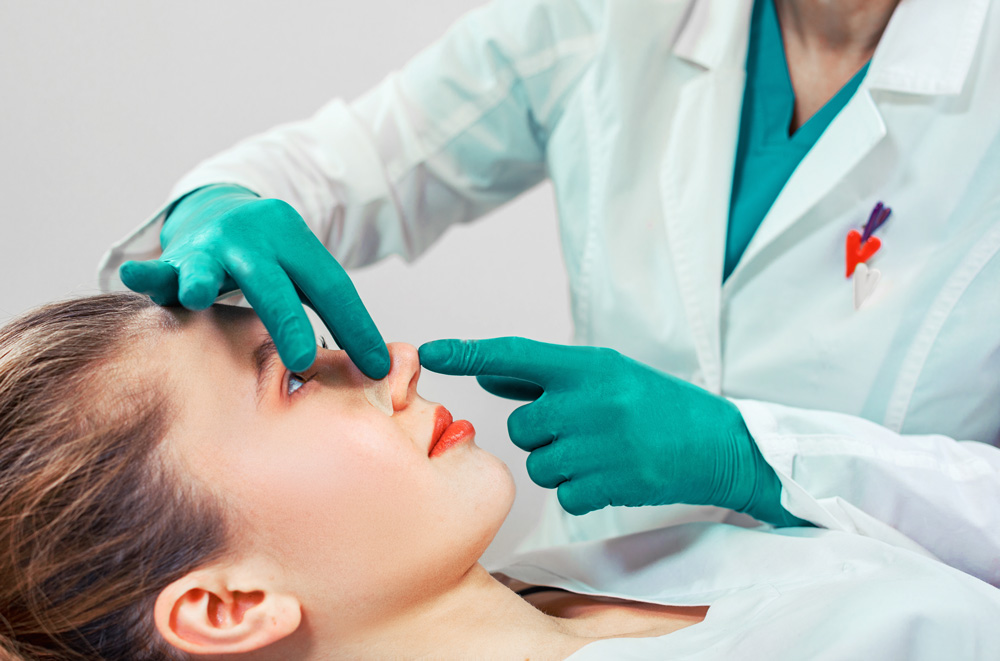
The button shaped nose features a notably short and gently sloped bridge. Achieving this shape requires precise bone work. Osteotomies reposition the nasal bones closer together. The dorsal profile is smoothed and slightly lowered. Some patients require a subtle concave curve to enhance the youthful appearance. The bridge should appear delicate but not pinched. Over-lowering creates an unnatural scooped profile. Spreader grafts may be used to maintain internal airway support while achieving external refinement. The shaped bridge creates a delicate frame for the rounded tip. The overall effect is a nose that appears small and proportionate to the face.
Who Is Suited to a Button Shaped Nose?
Not every patient is suited to a button shaped nose aesthetic. Facial proportions play a significant role in determining suitability. The aesthetic works best on smaller, more delicate facial frames. Patients with larger facial structures may find that a very petite nose creates imbalance. Skin thickness affects how refined the final result can appear. Thicker skin may not allow the level of tip definition that a button nose requires. Cartilage strength influences how well the nose maintains its shape after surgery. Patients should discuss suitability candidly with their surgeon. A result that does not suit the individual face may look disproportionate rather than attractive.
Button Nose vs Natural Rhinoplasty Results
The button nose represents a more stylised aesthetic compared with natural rhinoplasty outcomes. Natural rhinoplasty aims to improve the nose while maintaining ethnic character and facial balance. The button shaped nose pursues a specific idealised shape. Patients should consider which approach aligns with their values. Natural results tend to age well and suit a wide range of contexts. The button nose may draw more attention. It also may look less natural in some social or professional settings. Both approaches are valid. The choice depends on personal preference. Discussing the difference between trend-driven and timeless aesthetics during consultation supports better decision-making.
Risks and Structural Considerations
The button shaped nose carries specific risks due to the degree of refinement involved. Excessive tip narrowing can compromise cartilage structure over time. A result with insufficient structural support may develop pinching years after surgery. Over-rotation of the tip can create breathing difficulties. Very narrow bridges may restrict the internal nasal valve. These risks increase when the desired aesthetic pushes beyond what the anatomy can safely support. Experienced surgeons recognise these limits and advise patients accordingly. They will not pursue results that compromise function or long-term stability. A conservative approach produces better long-term outcomes for most patients.
Recovery After Button Nose Rhinoplasty
Recovery follows a standard rhinoplasty timeline. A nasal splint protects the reshaped nose for one week. Swelling and bruising around the eyes are common during the first two weeks. Most patients return to social activities after the splint is removed. The shape becomes visible immediately, though residual swelling affects the appearance. The delicate features become more defined as swelling decreases over the following months. Final results develop over twelve to eighteen months. Patients with thicker skin may experience a longer refinement timeline. Following aftercare instructions carefully supports the best outcome. Protecting the nose from impact during healing is essential.
The Importance of Realistic Expectations
Setting realistic expectations is particularly important for the button nose aesthetic. Social media images often feature heavy filtering that creates an unrealistic standard. A result achieved through surgery will look natural in person. Rather than matching digitally enhanced photographs. Individual anatomy limits what can be achieved. The surgeon discusses these limitations openly during consultation. A result that suits the patient’s face produces far better satisfaction than one that mimics an unrealistic reference image. Patients who approach consultation with openness to professional guidance typically achieve the most balanced and satisfying results from their procedure.
Conclusion
The button shaped nose is a popular rhinoplasty aesthetic characterised by a small, rounded tip and delicate proportions. Surgery achieves this shape through precise tip refinement, bridge shaping and controlled rotation. Not every patient is suited to this specific aesthetic. Facial proportions, skin thickness and cartilage strength all influence suitability. Realistic expectations support the best outcomes. Professional consultation ensures personalised planning that balances aesthetic goals with anatomical safety. The most satisfying results come from a collaborative approach between surgeon and patient.
For more information and to book a consultation visit the ACIBADEM Beauty Center Rhinoplasty page.
Frequently Asked Questions
A small, delicate nose with a rounded tip and slightly upturned profile.
No, facial proportions and skin thickness influence suitability.
Yes, over-refinement may compromise structure and breathing over time.
Final results develop over twelve to eighteen months.
Filtered images may not represent realistic surgical outcomes.