Ataşehir Mah. Feza Sk. No:3 İstanbul / Türkiye
 English
  German
  Spanish
Introduction
IPL facial treatment has become one of the most popular non-invasive skin rejuvenation options. Technology uses broad-spectrum light to address multiple skin concerns simultaneously. The treatment targets pigmentation, redness, broken capillaries and general skin quality. The procedure is quick. Recovery is minimal. Results develop progressively over a treatment course. Understanding what an IPL facial treatment involves helps patients determine whether it suits their skin concerns. This article explains how IPL works, what it treats and who benefits most.
What Is an IPL Facial Treatment?
IPL stands for intense pulsed light. The treatment delivers broad-spectrum light pulses to the skin. Unlike laser, which uses a single wavelength, IPL uses a range of wavelengths. Filters select the appropriate wavelength band for each concern. An IPL facial treatment can be adjusted to target melanin, haemoglobin or collagen depending on the clinical goal. The light energy is absorbed by the target chromophore. Melanin absorbs specific wavelengths. The pigmented lesion heats and breaks down. Haemoglobin in blood vessels absorbs different wavelengths. The vessel walls collapse. The treatment therefore addresses brown spots and red concerns using the same technology with different filter settings. This versatility is one of IPL's key advantages. A single device addresses multiple skin concerns within the same session.
What Does an IPL Facial Treatment Treat?
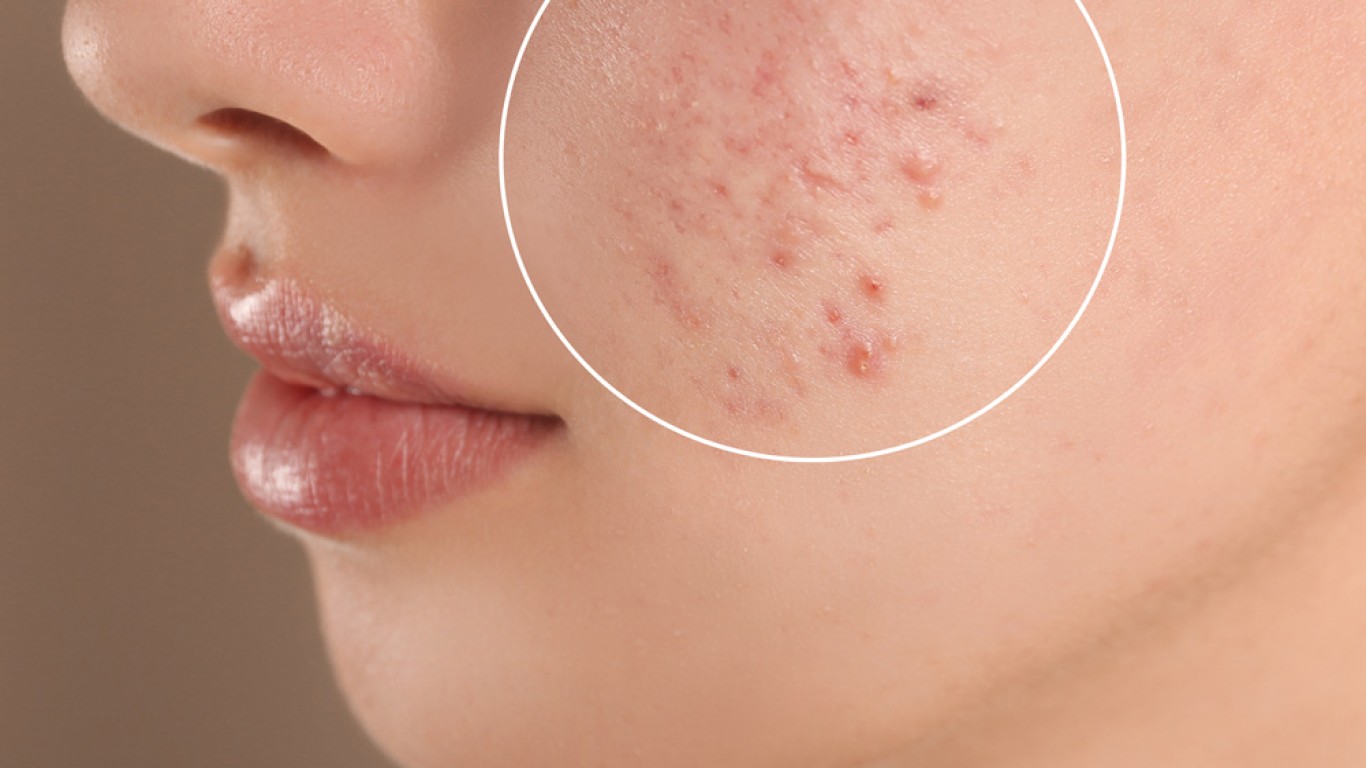
IPL facial treatment addresses a wide range of skin concerns. Sun damage is the most common indication. Brown spots, freckles and sun-induced pigmentation respond well. The treatment darkens these lesions initially. They flake off within seven to fourteen days. The skin beneath appears clearer and more even. Redness and vascular concerns also respond. The treatment addresses rosacea background redness. Broken capillaries and spider veins are treated effectively. The blood vessel walls absorb the light energy and collapse. Body reabsorbs the treated vessels over the following weeks. The treatment also stimulates general skin rejuvenation. The light energy triggers a mild collagen response. Skin texture improves. Fine lines soften. Pore size may reduce. An IPL facial treatment produces an overall fresher, more even complexion. The combination of pigmentation correction, vascular improvement and general rejuvenation makes it a versatile treatment.
How an IPL Facial Treatment Works
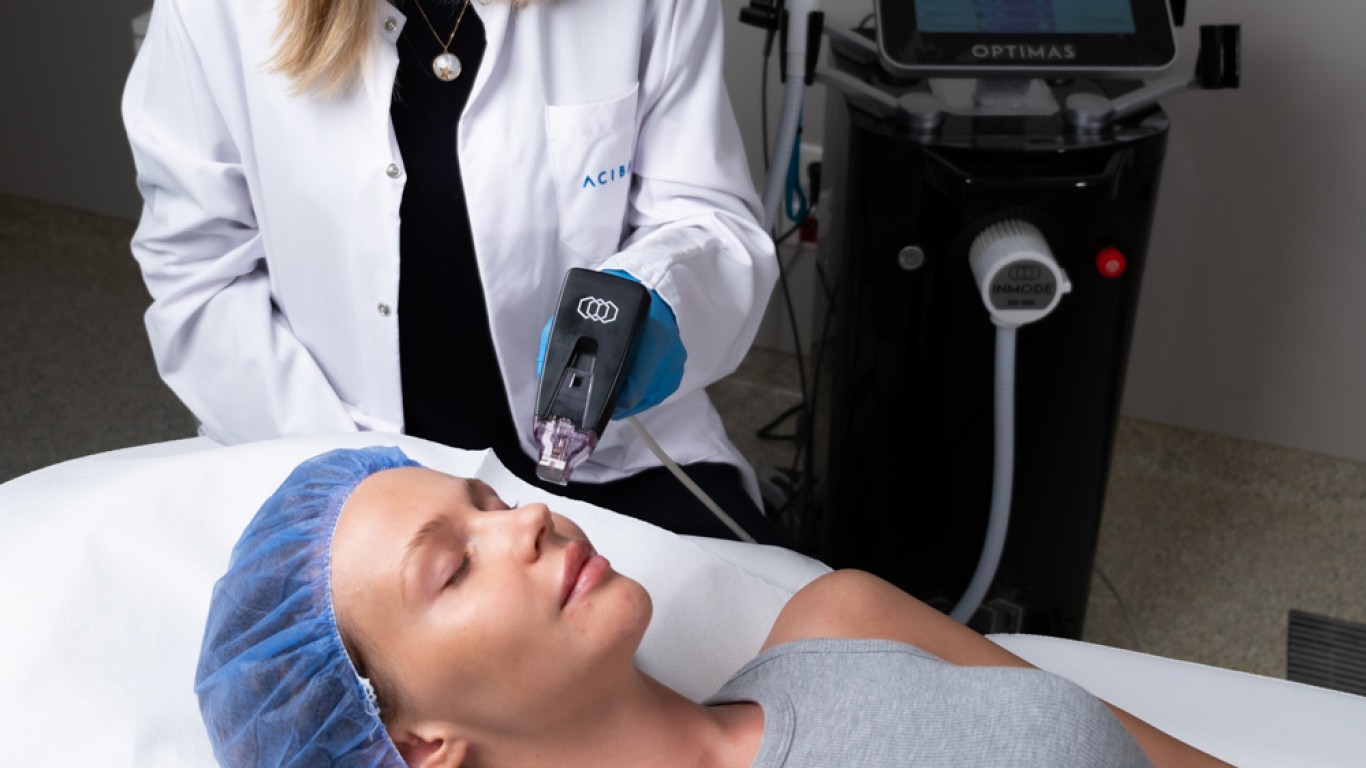
The procedure takes approximately twenty to forty minutes. An IPL facial treatment begins with cleansing the skin. Cooling gel is applied. The IPL handpiece is placed against the skin. Light pulses are delivered systematically across the treatment area. Each pulse covers approximately one square centimetre. The treatment produces a snapping sensation with each pulse. Most patients describe it as a rubber band flicking against the skin. The discomfort is tolerable without anaesthetic. Some patients find certain areas more sensitive. The nose and forehead tend to be the least comfortable zones. Treatment is performed with eye protection in place. The light is intense. Protective goggles shield the eyes throughout. The cooling gel and built-in device cooling protect the skin surface from thermal damage. The treatment concludes with removal of the gel. Soothing cream and SPF are applied. The skin appears mildly red. This resolves within a few hours for most patients.
IPL Facial Treatment: Results and Timeline
Results develop over the treatment course. The treatment produces visible improvement from the first session. Pigmented spots darken within twenty-four to forty-eight hours. They flake off over seven to fourteen days. The skin appears clearer once the darkened spots have shed. An IPL facial treatment vascular improvement develops more gradually. Redness reduces over the following weeks. Broken capillaries fade as the treated vessels are absorbed. The treatment course of three to six sessions produces cumulative improvement. Sessions are spaced three to four weeks apart. Each session builds on the previous one. The treatment at three sessions shows significant pigmentation clearance and redness reduction. At five to six sessions, the comprehensive improvement is substantial. Maintenance sessions once or twice annually sustain the results. Sun damage continues accumulating. Annual treatment prevents the concerns from returning to pre-treatment levels.
Who Is an IPL Facial Treatment Best For?
The treatment suits specific patient profiles. Those with sun damage pigmentation are ideal candidates. Brown spots, freckles and mottled discolouration respond predictably. An IPL facial treatment produces the clearest improvement for these concerns. Patients with rosacea or diffuse facial redness benefit significantly. The treatment reduces background redness and treats visible broken capillaries. Patients wanting general skin quality improvement without significant downtime suit IPL well. The treatment requires no recovery beyond mild redness lasting a few hours.
However, The treatment is best suited for lighter skin tones. Fitzpatrick types one to three respond most safely. The broad-spectrum light can affect melanin in darker skin unpredictably. The treatment on Fitzpatrick four to six skin types carries higher risk of burns and pigmentation changes. Darker skin patients should seek alternatives such as microneedling or targeted laser with appropriate wavelengths. The treatment is not a universal skin treatment. Skin type suitability is the most important selection factor.
Safety and Side Effects
Side effects are generally mild. The treatment produces temporary redness that resolves within hours. Pigmented spots darken before flaking off. This darkening lasts seven to fourteen days. Mild swelling may occur around treated vascular areas. This resolves within one to two days. The treatment carries a risk of burns if settings are inappropriate for the skin type. This risk is minimised by experienced practitioners who assess skin tone carefully. The treatment pigmentation risk is the most significant concern for unsuitable skin types. Hyperpigmentation or hypopigmentation can result from treatment on darker skin. An IPL facial treatment should not be performed on tanned skin. Patients must avoid sun exposure and self-tanning for two to four weeks before treatment. The practitioner assesses skin tone at each session. An IPL facial treatment safety depends on correct patient selection and appropriate device settings. Experienced practitioners achieve consistent, safe outcomes.
Conclusion
The treatment uses broad-spectrum light to address pigmentation, redness and general skin quality simultaneously. The procedure takes twenty to forty minutes with minimal downtime. Three to six sessions produce cumulative improvement. IPL facial treatment suits lighter skin tones with sun damage and vascular concerns. Darker skin types should seek alternative treatments. Results develop progressively and are maintained with annual sessions. Professional consultation ensures skin type suitability. Turkey offers IPL facial treatment at competitive pricing with experienced practitioners. Consistent sun protection helps preserve improvements after completing treatment. A personalised maintenance programme can also address new pigmentation or redness as it develops over time.
For more information about IPL facial treatment and to book a consultation visit the ACIBADEM Beauty Center Skin Treatments page.
Frequently Asked Questions
Sun damage pigmentation, rosacea, broken capillaries and general skin quality concerns.
Not recommended for Fitzpatrick types four to six. Lighter skin tones respond most safely.
Three to six sessions spaced three to four weeks apart.
A snapping sensation with each pulse. Tolerable without anaesthetic for most patients.
IPL uses broad-spectrum light for multiple targets. Laser uses a single wavelength for precise targeting.