Ataşehir Mah. Feza Sk. No:3 İstanbul / Türkiye
 English
  German
  Spanish
Introduction
Cryotherapy uses extreme cold for therapeutic purposes. The term covers a range of treatments from localised skin procedures to whole-body cold exposure. The procedure has been used in medicine for decades. Dermatologists use it to treat skin lesions. Sports medicine uses it for recovery. More recently, the procedure has gained attention for cosmetic applications. Understanding what the procedure involves helps patients evaluate whether it suits their needs. This article explains the different types of cryotherapy, their uses and what benefits patients can expect.
What Is Cryotherapy?
Cryotherapy means cold therapy. It uses extreme cold temperatures to produce therapeutic effects. Localised cryotherapy applies cold to a specific area. A probe or spray delivers liquid nitrogen or compressed gas to the target. The tissue freezes. Cells are destroyed or modified by the extreme temperature. The whole-body option exposes the entire body to extremely cold air. Temperatures reach minus one hundred to minus one hundred fifty degrees Celsius. Sessions last two to four minutes. The body is exposed in a specialised chamber. The facial treatments apply cold to the face specifically. Liquid nitrogen is applied using a wand or spray. The cold stimulates circulation. Blood flow increases after the cold exposure ends. The procedure encompasses these various applications. The mechanism differs between localised tissue destruction and systemic cold exposure. Each type serves different purposes.
Cryotherapy in Dermatology
Dermatological cryotherapy is the most established medical application. Liquid nitrogen is applied directly to skin lesions. Warts are the most common target. The extreme cold destroys the wart tissue. The lesion blisters and falls off within one to two weeks. Procedure for skin tags follows the same principle. The tag is frozen. It detaches during healing. The procedure treats benign skin lesions efficiently. Seborrhoeic keratoses, solar keratoses and molluscum contagiosum all respond to the treatment. The treatment is quick. Each lesion takes seconds to freeze. Multiple lesions can be treated during a single appointment.
The procedure in dermatology is precise and targeted. Only the lesion tissue is frozen. Surrounding healthy skin is minimally affected. The treated area heals within one to three weeks. Temporary pigmentation changes may occur. These typically resolve over the following months. The procedure for skin lesions is one of the most practical and accessible dermatological procedures available.
Cryotherapy for Keloid and Scar Treatment
The procedure has applications in scar management. Keloid scars respond to cryotherapy alongside other treatments. The surface option applies liquid nitrogen directly to the keloid. The extreme cold destroys fibroblasts within the scar tissue. Collagen production reduces. The keloid softens and flattens over multiple sessions. The intralesional option inserts a probe within the keloid. Scar is frozen from the inside. This approach treats deeper keloid tissue more effectively than surface application. The procedure for keloids typically requires three to five sessions. Sessions are spaced three to four weeks apart. The procedure may cause temporary hypopigmentation in the treated area. This is more noticeable on darker skin tones. The pigmentation often recovers over months. Procedure for keloids works best in combination with steroid injections. The cold reduces the scar bulk. Steroids prevent recurrence. The combination produces stronger improvement than either approach alone.
Cryotherapy Facial: Cosmetic Applications
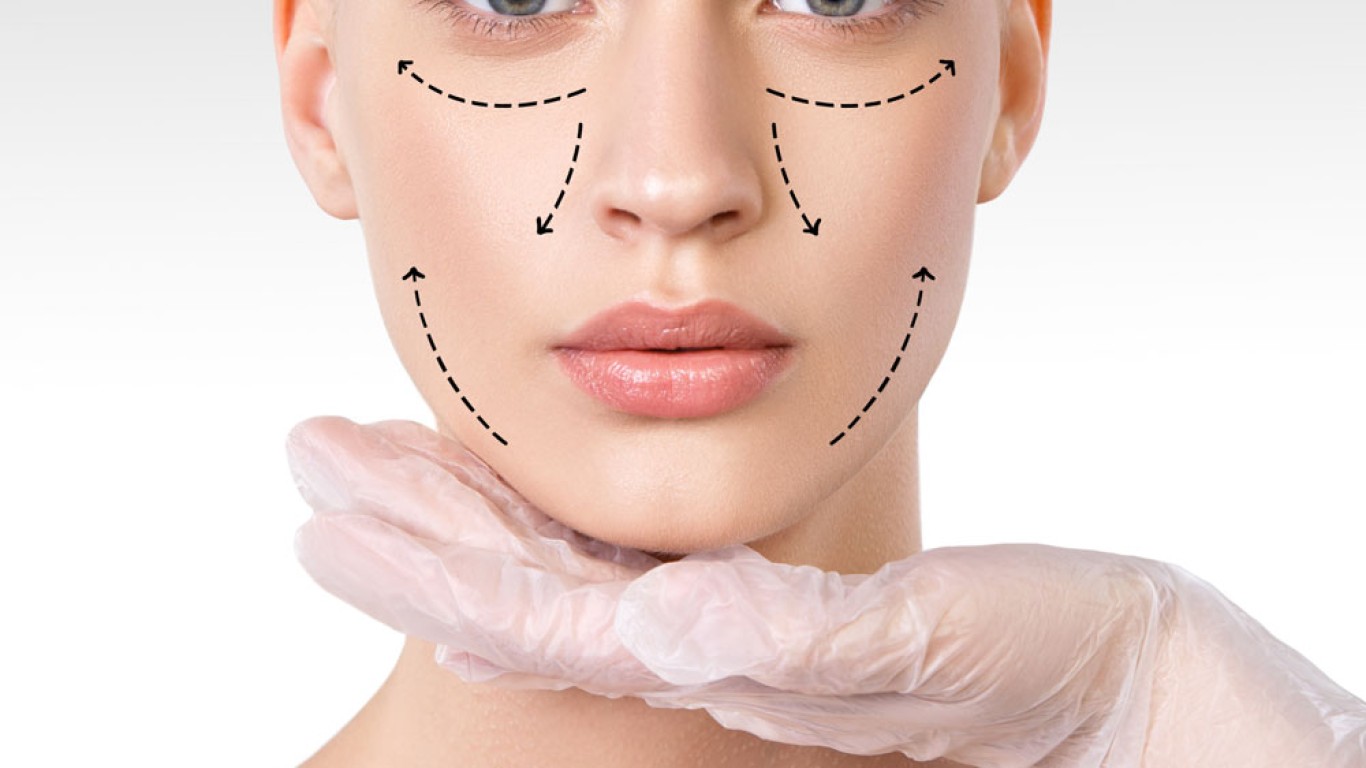
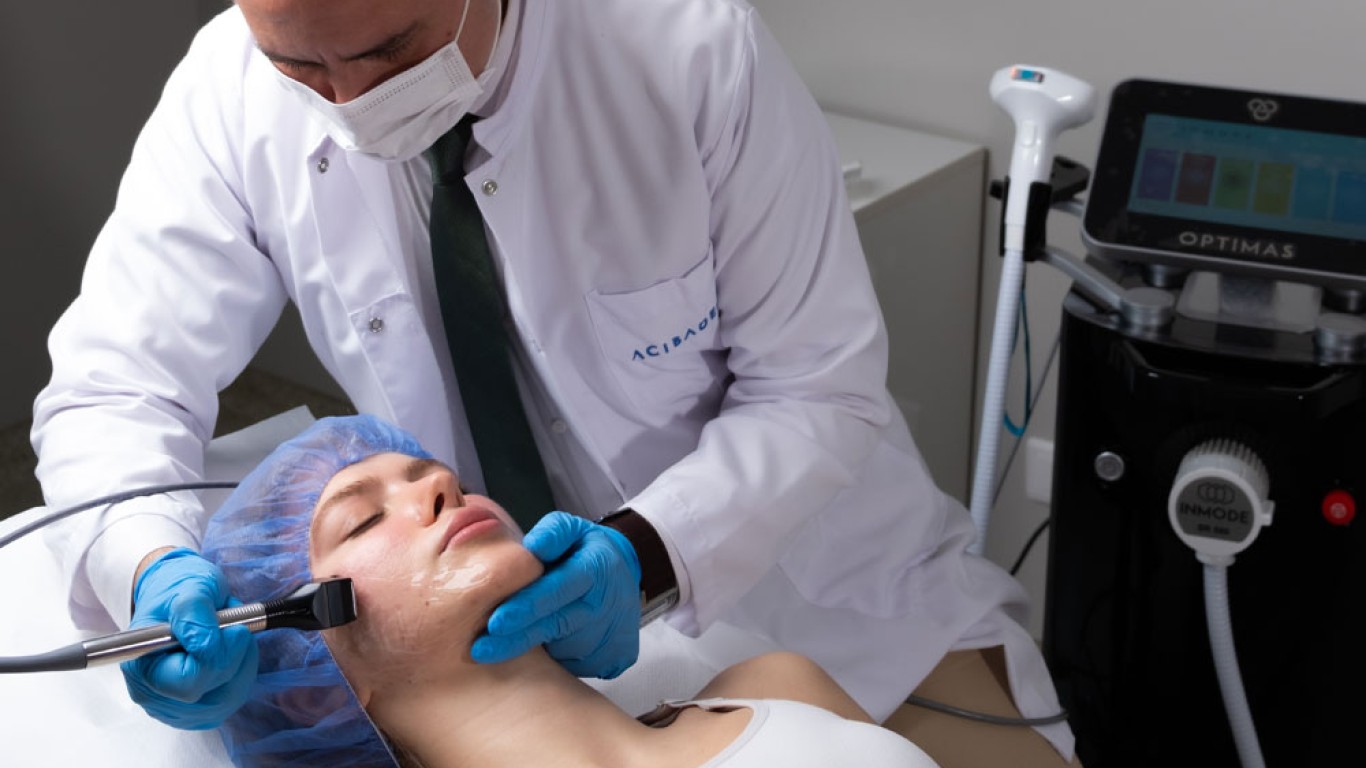
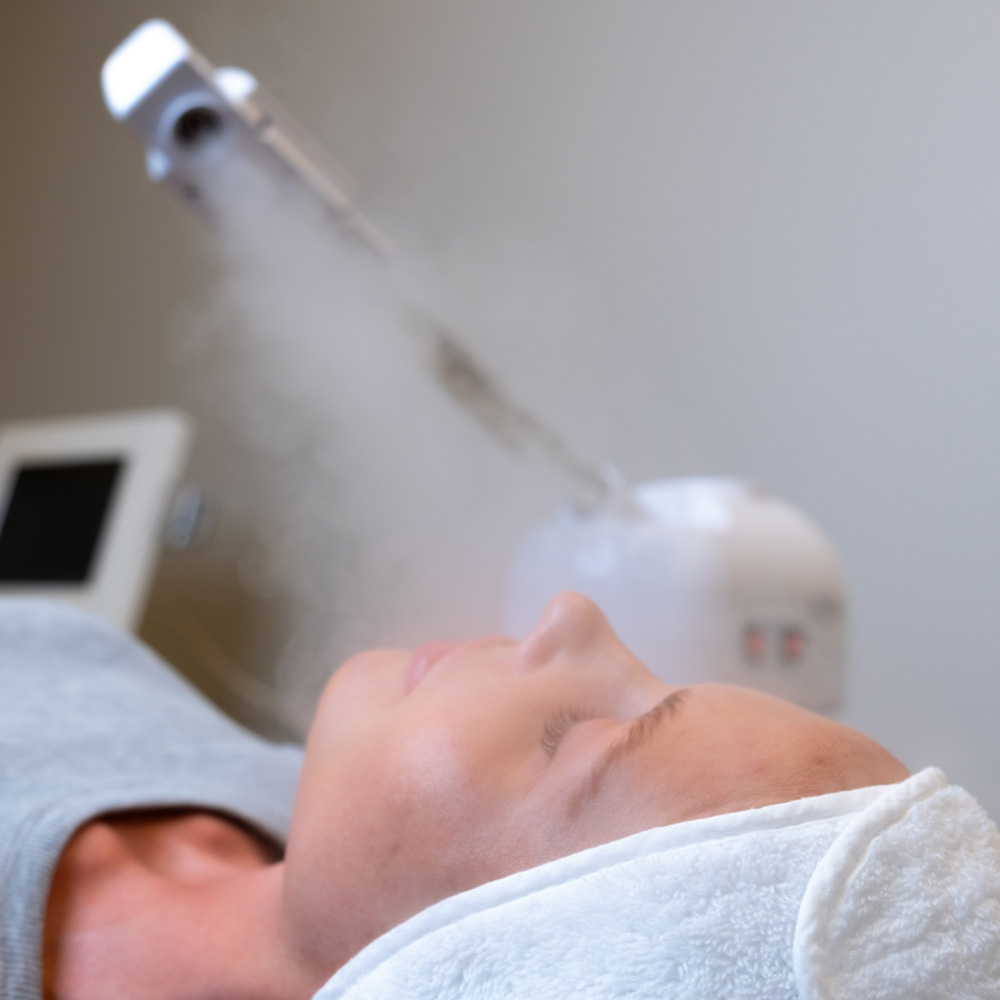
The procedure facials have gained popularity in aesthetic medicine. The facial applies controlled cold to the face using a specialised wand. Vaporised liquid nitrogen or compressed cold air is directed across the skin surface. The treatment takes ten to fifteen minutes. The extreme cold constricts blood vessels initially. When the cold is removed, blood vessels dilate rapidly. Blood flow increases. Oxygen and nutrient delivery to the skin improves. The facial produces an immediate glow. The skin appears brighter, firmer and more radiant. Pores appear temporarily tighter. Puffiness reduces as fluid drainage improves. The facial is essentially a skin-conditioning treatment. It does not produce the structural changes that microneedling, laser or peels achieve. The improvement is surface-level and temporary. Most of the visible effect resolves within twenty-four to forty-eight hours. The facial suits patients wanting an immediate skin boost before an event. It provides a refreshed appearance without downtime.
Whole-Body Cryotherapy: Benefits and Evidence
The whole-body option has broader wellness claims. The two to four minute exposure to extreme cold is proposed to reduce inflammation, boost metabolism, improve mood and accelerate recovery. Athletes use it between training sessions. Some wellness centres promote it for general health. The evidence for whole-body cryotherapy is mixed. Athletic recovery benefits have some supporting research. Reduced muscle soreness and faster recovery between sessions are reported by many athletes. Anti-inflammatory effects are plausible based on the cold exposure mechanism. Metabolic benefits including increased calorie burn have limited evidence. The calorie expenditure from a single session is modest. Mood improvement is reported by some users. The cold exposure may trigger endorphin release. The whole-body option safety requires proper equipment and supervision. Frostbite risk exists if exposure is too long. The chamber temperature must be monitored precisely. Contraindications include cardiovascular disease, Raynaud's phenomenon and pregnancy.
Cryotherapy: What It Cannot Do
Setting realistic expectations is important. The procedure produces specific effects. Localised cryotherapy destroys targeted lesions effectively. This is well established. The procedure facials produce temporary skin brightening. This is genuine but short-lived. The whole-body option may support athletic recovery. Other claims require more evidence. The procedure does not replace professional skin rejuvenation treatments. It does not stimulate significant collagen production. It does not address deep wrinkles, volume loss or structural ageing. Patients wanting lasting skin improvement should pursue microneedling, chemical peels, laser or injectable treatments. The procedure complements these approaches but does not substitute for them. The procedure marketing sometimes overstates the benefits. Patients should evaluate claims critically. The established medical applications are well supported. The cosmetic and wellness claims vary in evidence strength. It should also not be promoted as a standalone weight loss solution. Sustainable weight management requires appropriate nutrition, physical activity and, where necessary, professional medical support.
Conclusion
The procedure uses extreme cold for therapeutic and cosmetic purposes. Localised cryotherapy effectively treats skin lesions including warts, skin tags and keloids. The procedure facials produce temporary skin brightening and pore tightening. The whole-body option may support athletic recovery. Evidence for broader wellness claims is developing. The procedure complements but does not replace professional skin rejuvenation treatments. Safety requires appropriate equipment and qualified practitioners. Professional consultation ensures the right application for individual needs. Turkey offers treatments at competitive pricing within comprehensive aesthetic care. The strongest benefits depend on selecting the correct application for the intended purpose. Realistic expectations and appropriate clinical guidance help patients distinguish established benefits from wider wellness claims.
To find out more information about skin options and to book a consultation visit the ACIBADEM Beauty Center Skin Treatments page.
Frequently Asked Questions
Skin lesion removal, keloid treatment, facial brightening and general skin conditioning.
The immediate glow is temporary. Lasting skin improvement requires treatments like microneedling or laser.
Yes, with professional supervision and proper screening for contraindications.
Yes. Multiple sessions combined with steroid injections produce the strongest improvement.
Twenty to one hundred fifty pounds per session depending on the application type.