Ataşehir Mah. Feza Sk. No:3 İstanbul / Türkiye
 French
  English
  German
  Spanish
Introduction
Breast augmentation remains one of the most popular cosmetic procedures worldwide. Two main approaches dominate modern practice. Breast implants use silicone or saline devices to add volume and shape. Fat transfer uses the patient's own fat from another body area to enhance the breasts. Each technique has distinct advantages and limitations. Breast implants vs fat transfer is a common comparison among patients researching their options. Understanding the key differences helps individuals choose the most appropriate approach. This article compares breast implants vs fat transfer across method, results, recovery and longevity to support informed decision-making in consultation with a qualified surgeon.
What Is Breast Augmentation with Implants?
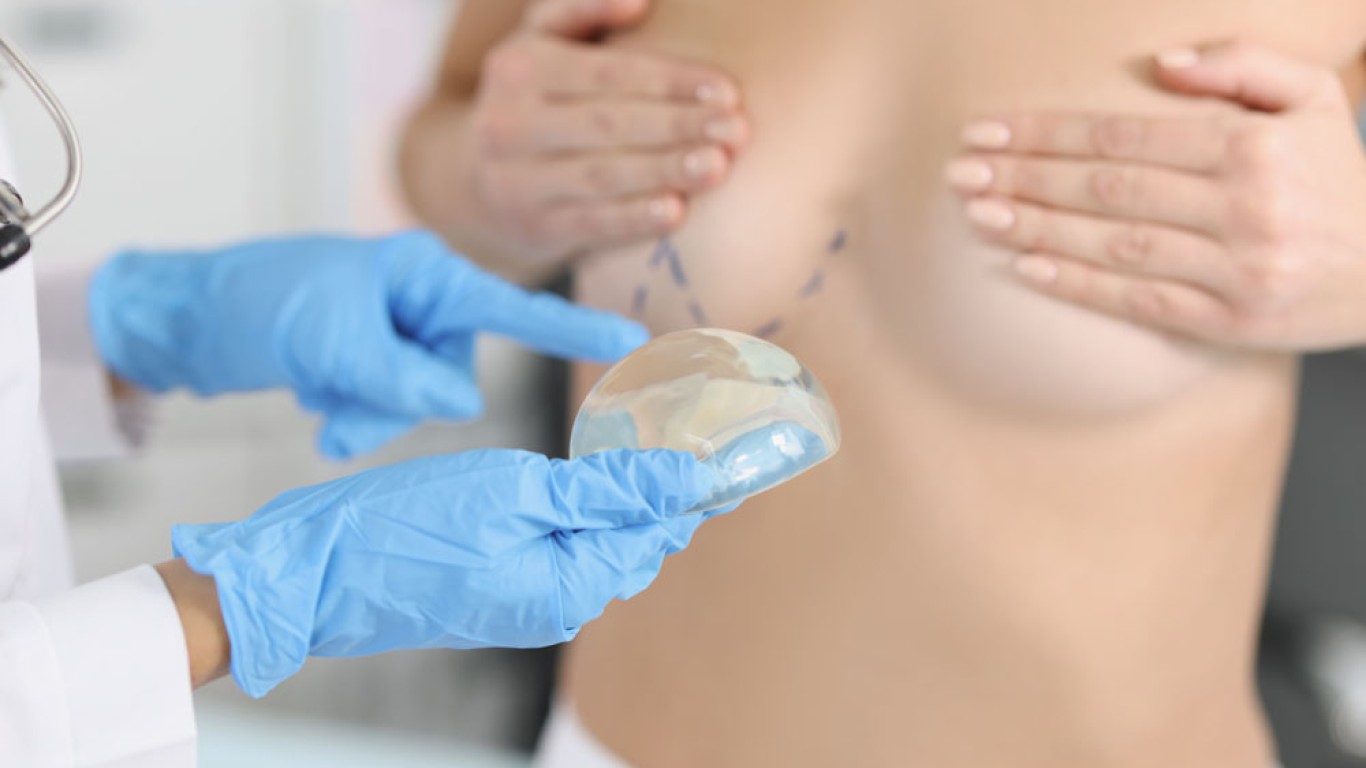
Breast augmentation with implants uses prosthetic devices to enhance breast size and shape. The implants are typically filled with silicone gel or saline solution. They come in various sizes, shapes and profiles. The surgeon places the implants either above or below the chest muscle through small incisions. The incisions can be made under the breast, around the areola or in the armpit. This procedure takes one to two hours under general anaesthesia. Most patients return home the same day. Breast implants have been used safely for decades. Modern implants are designed for durability and natural appearance. They produce predictable and dramatic results in a single procedure.
What Is Fat Transfer Breast Augmentation?
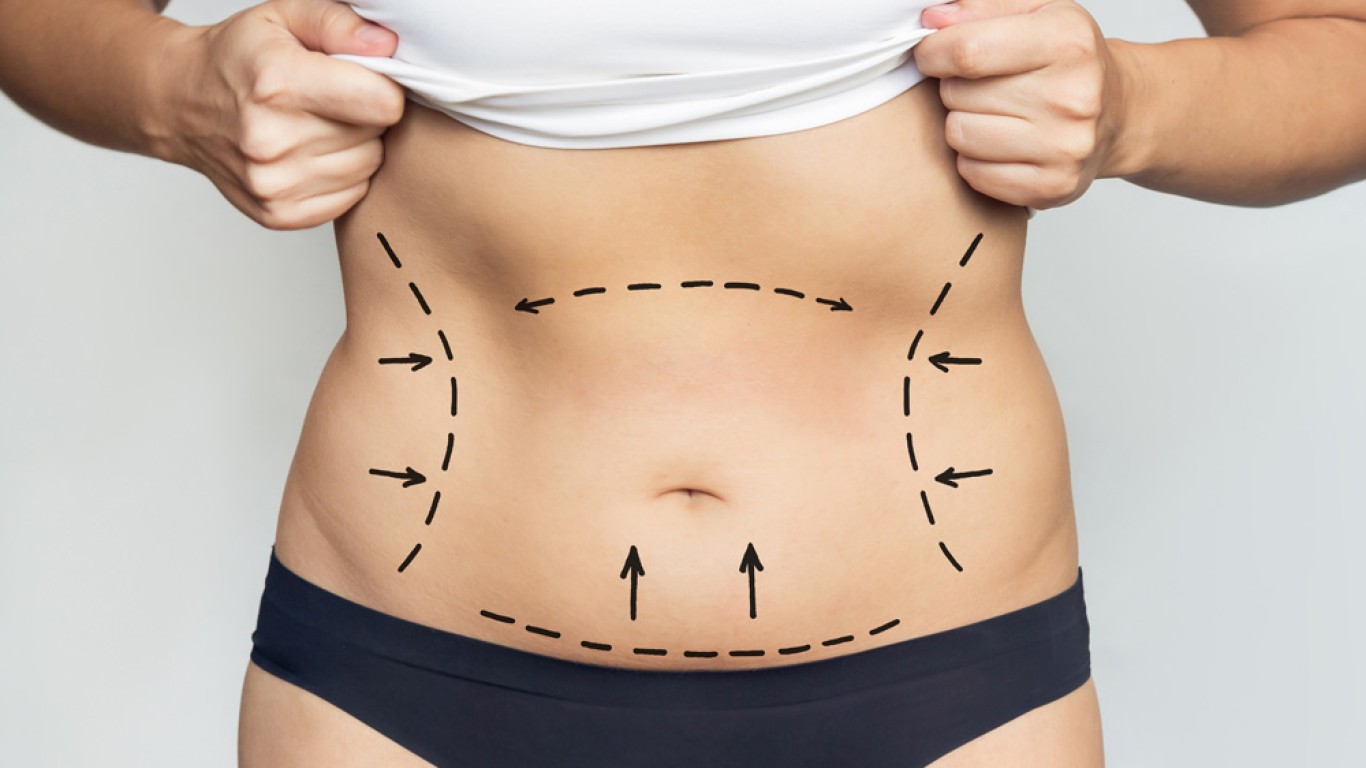
Fat transfer breast augmentation uses the patient's own fat to enhance the breasts. The procedure involves two main stages. First, fat is harvested from another body area through liposuction. Common donor sites include the abdomen, hips, thighs and flanks. The collected fat is then processed and purified. Finally, the fat is carefully injected into the breasts to add volume and shape. The procedure typically takes two to four hours under general anaesthesia. Most patients return home the same day. Fat transfer offers natural augmentation using the patient's own tissue. The technique avoids the use of any foreign material in the breasts.
Breast Implants vs Fat Transfer: Volume Achieved
The amount of volume increase differs significantly between the two techniques. Breast implants can produce dramatic increases in size. Patients can typically increase by one or two cup sizes or more in a single procedure. Implant size is chosen during consultation based on patient preference and anatomy. Fat transfer produces more modest volume increases. The body reabsorbs some of the transferred fat over the first few months. Most patients gain about half a cup to one cup size per session. Multiple sessions can achieve greater volume but with additional recovery. Patients seeking dramatic enlargement typically benefit more from implants. Those wanting subtle natural enhancement may prefer fat transfer.
Breast Implants vs Fat Transfer: Look and Feel
Both techniques produce different results in terms of look and feel. Modern breast implants look natural in most patients. The texture feels different from natural breast tissue but acceptable to most patients. Implant rippling can occur in patients with thin tissue coverage. Fat transfer produces results that look and feel completely natural. The augmented breasts contain only the patient's own tissue. There is no risk of rippling or implant visibility. The texture matches the surrounding tissue exactly. Patients particularly concerned about natural appearance often prefer fat transfer. Those wanting more dramatic enhancement may accept the slightly different feel of implants. When considering breast implants vs fat transfer remember that both options can produce beautiful results.
Breast Implants vs Fat Transfer: Recovery Comparison
Recovery differs between breast implants vs fat transfer. Breast implant recovery focuses on the chest area. Most patients experience tightness and soreness for one to two weeks. Return to office work typically occurs within seven to ten days. Strenuous exercise resumes after six to eight weeks. Fat transfer involves recovery from both the donor liposuction sites and the breast injection sites. The donor areas may feel sore and bruised for several weeks. Compression garments are typically worn over the donor areas. Most patients return to office work within seven to fourteen days. The dual recovery sites mean the overall healing process is more involved for fat transfer than for implants alone.
Breast Implants vs Fat Transfer: Longevity of Results
Longevity is an important consideration when comparing breast implants vs fat transfer. Modern breast implants typically last ten to twenty years before needing replacement. Some last considerably longer. Fat transfer results are generally permanent for the fat that survives the initial healing period. About sixty to eighty percent of transferred fat establishes a blood supply and remains long term. The remaining fat is reabsorbed by the body. Once the surviving fat has stabilised the results last indefinitely. Weight changes affect fat transfer results because the transferred cells respond like normal fat cells. Implant size remains stable regardless of weight changes throughout the patient's lifetime.
Breast Implants vs Fat Transfer: Who Is Suitable?
When considering breast implants vs fat transfer remember that different patients suit different approaches. Breast implants suit patients seeking significant size increase or those without sufficient donor fat for transfer. The technique works for slim patients who could not provide enough fat for harvesting. Fat transfer suits patients with adequate donor fat in other body areas. The technique offers the dual benefit of body contouring at the donor sites alongside breast enhancement. Patients seeking modest natural augmentation often prefer fat transfer. Those who prefer to avoid any foreign material in the body also choose this approach. The surgeon evaluates each patient's anatomy and goals during consultation to recommend the most appropriate technique.
Combining Implants and Fat Transfer
Some patients benefit from combining both approaches. The technique is sometimes called hybrid breast augmentation. The surgeon places implants for the underlying volume and shape. Fat transfer is then used to enhance specific areas and improve coverage. The combination addresses concerns about implant rippling in thin patients. It also creates more refined contours than either technique alone. The combined approach uses the strengths of both techniques. The procedure is more complex than either alone. Recovery involves elements of both procedures. Patients seeking optimal results may benefit from this comprehensive approach. The surgeon advises whether the combined technique suits individual goals and anatomy.
Cost Comparison
Cost is a huge factor when considering breast implants vs fat transfer. Breast implant surgery has relatively predictable pricing. The total cost includes the surgeon's fee, implants, anaesthesia and facility charges. Fat transfer is often more expensive than implants. The longer surgical time and dual procedure nature increase costs. Multiple sessions may be needed for the desired result, increasing total cost further. Implant patients may face replacement costs in the future. Fat transfer patients typically do not need additional procedures for maintenance. Long-term cost comparisons depend on whether implant replacement is eventually needed. The practitioner provides detailed pricing during consultation based on individual treatment plans.
Choosing Between Breast Implants and Fat Transfer
Choosing between breast implants vs fat transfer involves several considerations. The desired size increase is the most important factor. Significant enlargement favours implants while modest enhancement suits fat transfer. Available donor fat affects fat transfer feasibility. Patient preferences about foreign materials influence the choice. Recovery preferences and lifestyle considerations matter. Long-term considerations including potential replacement also play a role. Both options have valid places in modern breast augmentation. Professional consultation provides personalised guidance. The surgeon evaluates anatomy, goals and lifestyle to recommend the most appropriate approach. Some patients benefit from the hybrid approach combining both techniques.
Conclusion
Breast implants vs fat transfer offers two effective approaches to breast augmentation with different advantages. Implants produce dramatic and predictable size increases. Fat transfer offers natural results using the patient's own tissue with the bonus of body contouring. The choice depends on desired size, body type, preferences and long-term goals. Both techniques can produce beautiful outcomes when performed by experienced surgeons. Some patients benefit from combining both approaches for optimal results. Professional consultation ensures the most suitable technique is selected. The right choice creates natural-looking enhancement that matches each patient's individual goals and anatomy.
To understand which might be the better option for you, visit the ACIBADEM Beauty Center Breast Augmentation page.
Frequently Asked Questions
Breast implants produce more dramatic size increases in a single procedure.
Fat transfer feels completely natural as it uses the patient's own tissue.
Implants last ten to twenty years; fat transfer results are generally permanent.
Implants typically involve shorter recovery as fat transfer has dual surgical sites.
Yes, hybrid breast augmentation combines implants with fat transfer for optimal results