Ataşehir Mah. Feza Sk. No:3 İstanbul / Türkiye
 French
  English
  German
  Spanish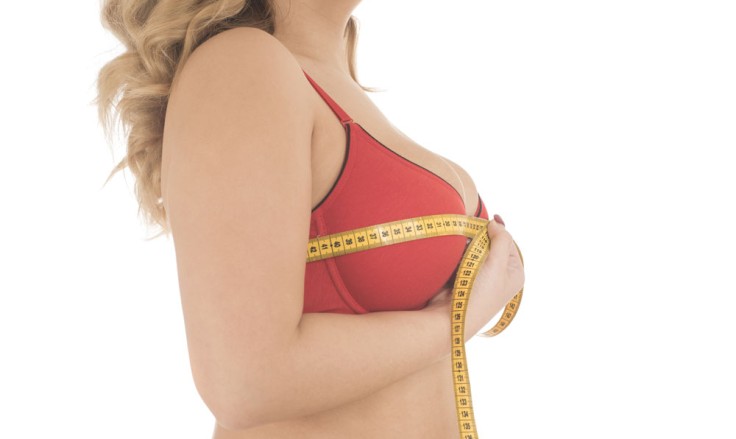
Introduction
Breast augmentation is one of the most performed cosmetic procedures globally. Among available implant options, teardrop breast augmentation occupies a distinctive position. These implants are shaped to replicate the natural breast slope. They offer more fullness at the lower pole. The upper portion tapers gradually toward the chest wall. Many patients want an outcome that does not look obviously surgical. For these patients, understanding this option in detail is worthwhile. This article explains what the procedure involves. It also covers how results compare with round implants. It examines who is best suited to the surgery. Finally, it outlines what patients should consider before their first consultation.
What Is Teardrop Breast Augmentation?
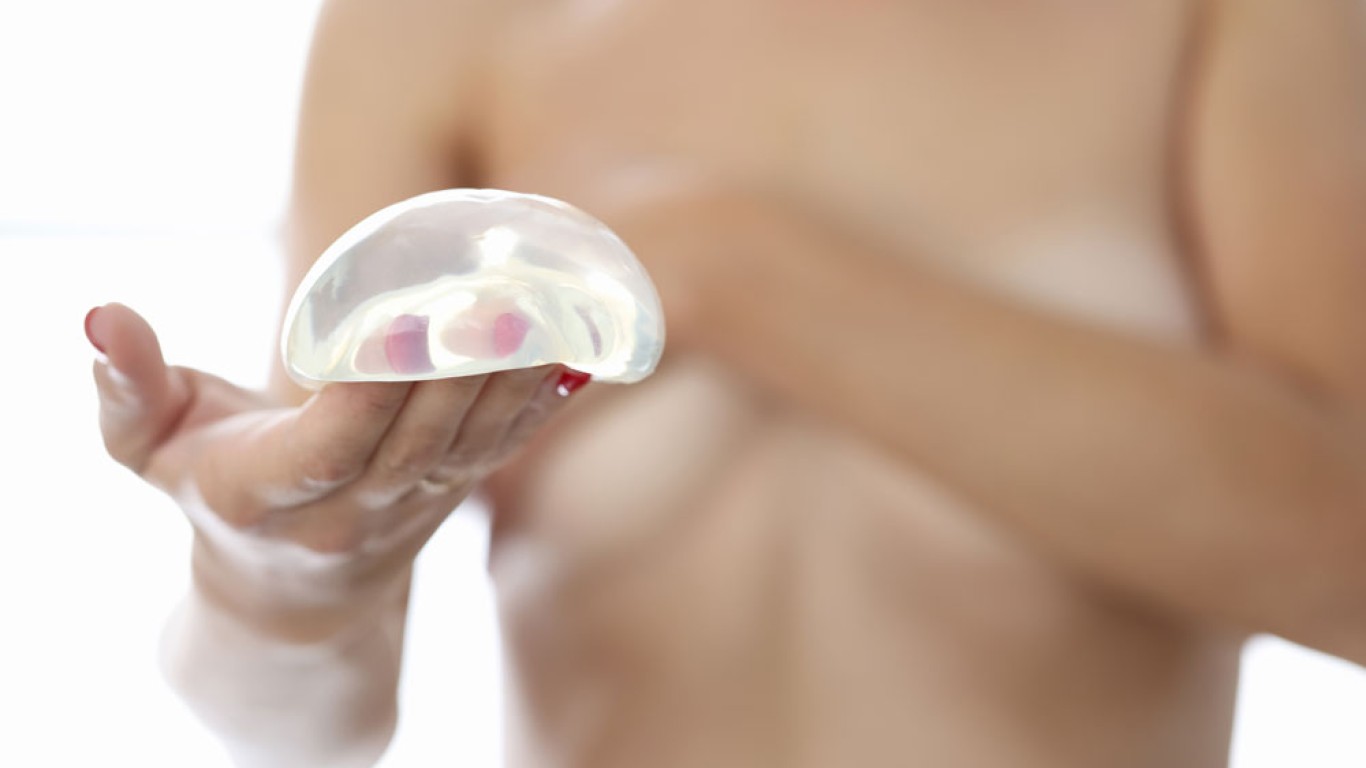
Teardrop breast augmentation uses anatomically shaped implants. These are designed to mirror the natural breast contour. Unlike round implants, they have a defined upper and lower pole. The lower portion is fuller and more projected. The upper portion tapers more gradually toward the chest. This creates a slope from the collarbone downward. It closely resembles natural breast development. The implants are filled with cohesive silicone gel. This gel is often called form-stable gel. It maintains its shape even if the outer shell is compromised. The shell surface is textured rather than smooth. This helps reduce the risk of rotation within the breast pocket. Teardrop breast augmentation suits patients wanting volume without an obviously surgical profile.
Teardrop Breast Augmentation vs Round Implants: How Results Differ
The most significant distinction lies in the upper pole. Round implants produce fullness across the entire breast surface. This includes noticeable projection at the top. Teardrop breast augmentation produces a gentler slope in the upper portion. Many patients feel this looks closer to a natural breast at rest. When standing upright, round implants show more visible upper fullness. Teardrop implants blend more seamlessly into the chest wall at the top. For patients with limited existing tissue, the teardrop option often looks more proportionate. For patients wanting upper pole projection, round implants may be a better fit. Neither option is universally superior. The right choice depends on the individual's anatomy and goals.
Who Is a Good Candidate for Teardrop Breast Augmentation?
Certain patients are particularly well suited to teardrop breast augmentation. Those with minimal breast tissue are strong candidates. They typically want natural-looking enhancement over significant upper pole projection. Patients who want results difficult to distinguish from natural development often prefer this approach. Standard candidacy requirements apply. Good general health is essential. Non-smoking status or willingness to stop before surgery is required. Realistic expectations based on individual anatomy are important. The breasts should be fully developed. Age, skin quality and chest wall anatomy all influence the result. A thorough consultation with an experienced surgeon determines whether teardrop breast augmentation is appropriate.
Surgical Technique and What the Procedure Requires
The surgical approach shares elements with round implant procedures. However, it carries specific technical demands. Because the implant has a defined orientation, precise placement is essential. The fuller lower pole must sit correctly at the breast base. The textured shell grips surrounding tissue to prevent rotation. Incision options include inframammary, periareolar and transaxillary approaches. The choice depends on anatomy and surgeon preference. The implant is placed behind the breast tissue or beneath the pectoral muscle. This depends on the patient's existing tissue thickness. General anaesthesia is used throughout the procedure. Most patients stay one night in the facility. Most take one to two weeks off work before returning to light activities.
Facts About Teardrop Implant Safety and Monitoring
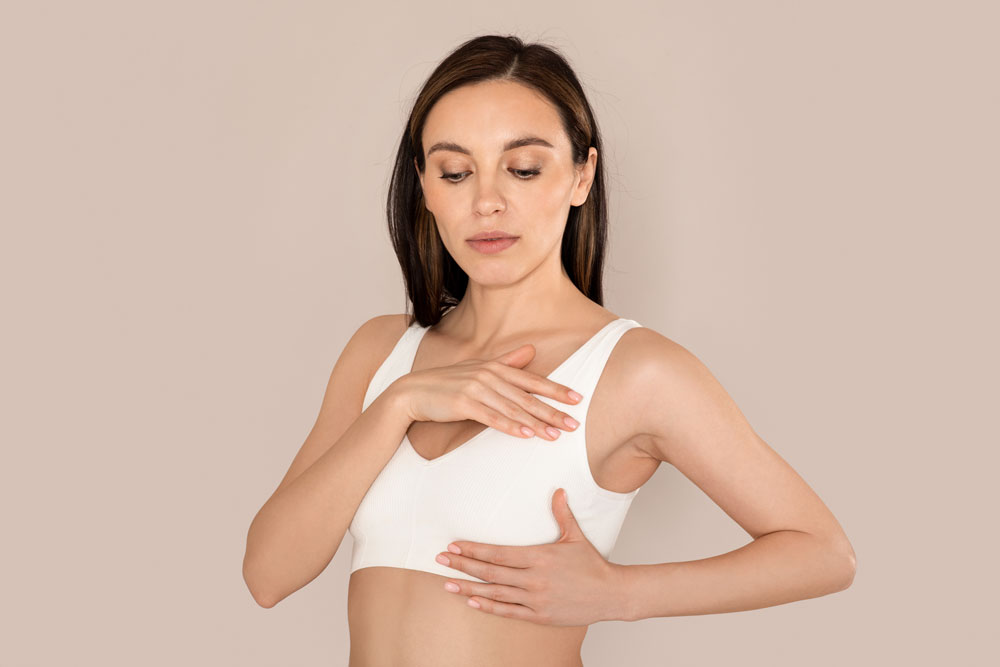
Teardrop breast augmentation uses form-stable cohesive gel implants. These are among the most studied devices in breast surgery. The cohesive gel maintains its shape if the shell is compromised. Textured shells are standard for teardrop implants. They were historically associated with a very rare condition called breast implant-associated ALCL. Certain texture types have since been withdrawn from some markets. Patients should ask their surgeon about the current regulatory status of specific implants. Breast implants are not lifetime devices. Most guidance recommends assessment every ten years. Any changes in breast appearance or firmness should be reviewed promptly.
Teardrop Breast Augmentation Results: Settling and Final Outcome
Results from teardrop breast augmentation develop progressively after surgery. Immediately after the procedure, breasts appear swollen. They also sit higher than their final resting position. Over the following weeks, the implants settle into place. Swelling resolves and surrounding tissues relax. This process is sometimes called dropping and filling out. By six to eight weeks, most patients have a clear sense of their result. The full outcome is typically apparent at three to six months. Residual swelling resolves and the anatomical shape expresses itself fully. Patients who choose teardrop breast augmentation for a natural appearance report high satisfaction once settling is complete. The final shape usually blends naturally with the chest wall and body proportions.
Discussing Goals and Sizing During Consultation
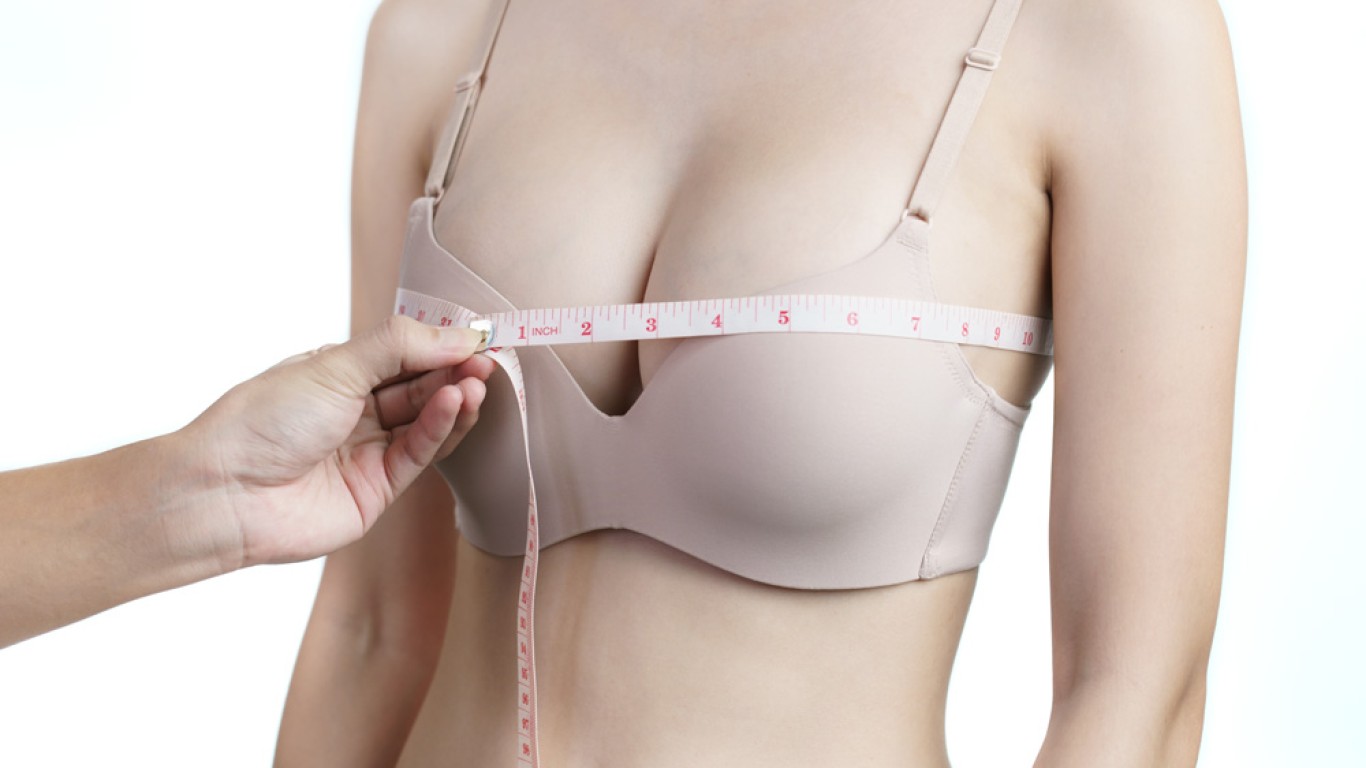
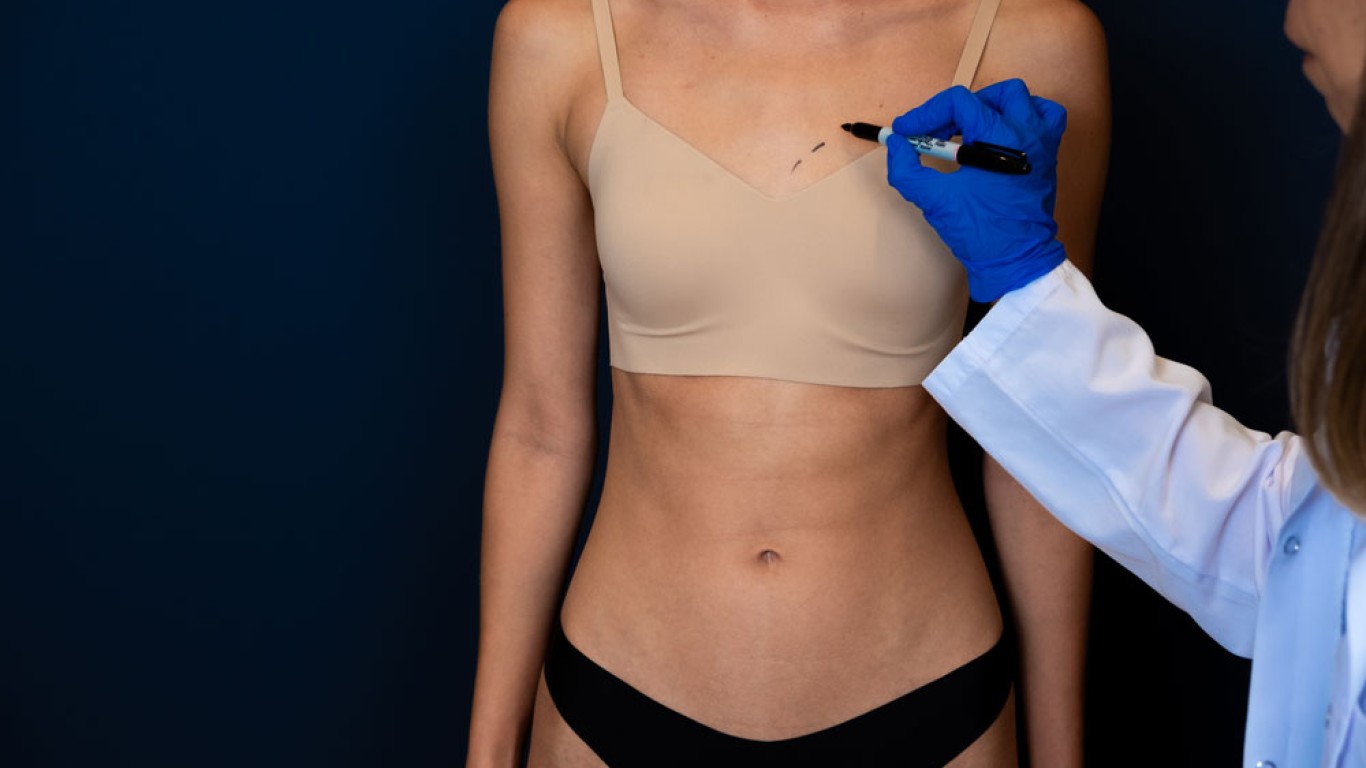
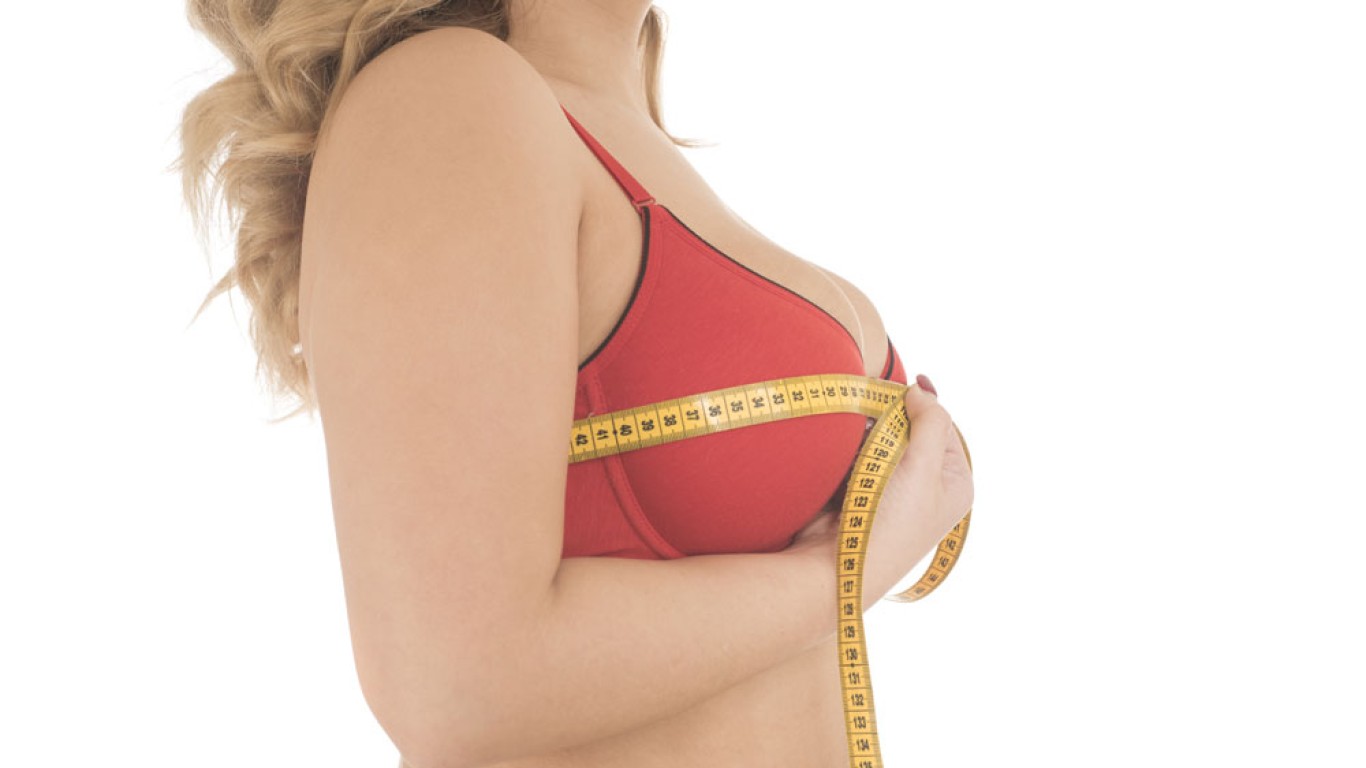
Sizing is an important part of planning for teardrop breast augmentation. Anatomical implants produce a specific slope rather than uniform roundness. Implant dimensions affect both volume and overall chest harmony. Surgeons use measurements to guide selection. These include breast base width, existing projection and nipple-to-fold distance. Three-dimensional simulation imaging is particularly useful for these cases. It allows patients to preview the developing slope and lower pole fullness. This helps patients see likely outcomes before committing to a specific device. Taking time to explore sizing options carefully produces more satisfying results. It also reduces the likelihood of revision surgery later. Detailed consultation discussions also help align patient expectations with realistic surgical outcomes.
Choosing the Right Surgeon and Clinic
The success of teardrop breast augmentation depends on surgical precision. Experience with anatomical implants is essential. The surgeon should hold appropriate board certification. Specific experience in shaped implant cases is important. Before and after photographs should demonstrate consistently natural-looking outcomes. The consultation should cover implant selection, sizing and placement in detail. Accreditation of the facility through JCI or equivalent standards provides safety assurance. Transparent pricing with no hidden costs builds confidence. Technical precision and aesthetic sensitivity together produce the most satisfying outcomes. Clinics using advanced imaging and modern implant technologies further enhance treatment planning accuracy.
Aftercare and Long-Term Care After Teardrop Breast Augmentation
Aftercare after teardrop breast augmentation is straightforward to follow. The surgeon provides written instructions before discharge. Wearing a supportive surgical bra is required for several weeks. This supports the implants as they settle into position. Strenuous activity should be avoided for six weeks. Light walking can resume within the first week. The incision sites should be kept clean and dry during early healing. Silicone sheets or gel can support scar maturation once incisions close. Sun exposure to the scar sites should be avoided. Attending all follow-up appointments is essential. These allow the surgeon to monitor settling and healing progress. Any concerns about appearance, firmness or comfort should be raised promptly. Open communication with the surgical team throughout recovery leads to the best outcomes.
Most patients are very happy with their result once healing is complete. The natural-looking outcome justifies the care taken during recovery. Long-term implant monitoring and regular breast assessments help maintain confidence in the results.
Conclusion
Teardrop breast augmentation uses anatomically shaped, form-stable silicone implants. It produces a natural breast slope rather than uniform roundness. It suits patients who want enhancement that fits their natural proportions. Results differ from round implants most notably in the upper pole. Teardrop implants taper more gently toward the chest wall. Precise surgical placement is essential. Recovery follows a predictable pattern. Final results become apparent at three to six months. Safety monitoring throughout the implant's lifespan is important. Choosing a surgeon with proven experience in anatomical implant cases is the key first step. Patients who invest time in consultation planning consistently report high satisfaction. This procedure rewards careful preparation from the very start. Modern implant technology continues improving both comfort and long-term aesthetic outcomes for patients.
For more information about teardrop breast augmentation and to book a consultation visit the ACIBADEM Beauty Center Breast Augmentation page.
Frequently Asked Questions
It uses anatomically shaped implants that replicate the natural breast slope, with more fullness at the lower pole and a gradual taper at the top.
Round implants create uniform fullness including the upper pole. Teardrop implants produce a gentler upper slope that more closely resembles natural breast contour.
Yes, when performed by a qualified surgeon using approved implants at an accredited facility. Regular monitoring throughout the implant lifespan is recommended.
Most patients take one to two weeks off work. Final results develop at three to six months as swelling resolves and implants settle.
The textured shell helps prevent rotation. Choosing an experienced surgeon who positions the implant precisely reduces this risk significantly.