Ataşehir Mah. Feza Sk. No:3 İstanbul / Türkiye
 French
  English
  German
  Spanish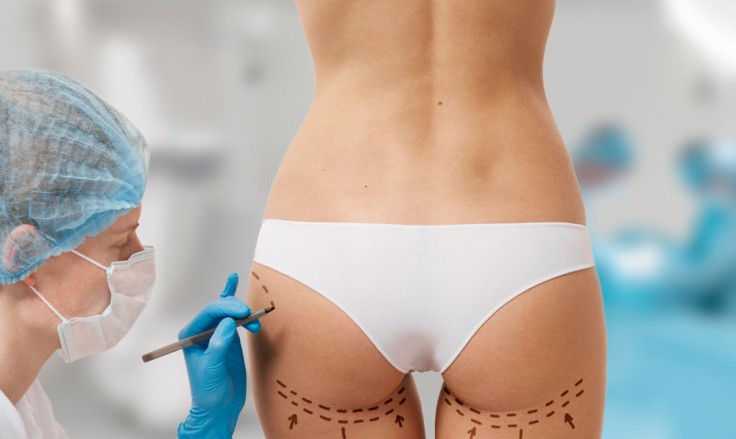
Introduction
The Brazilian Butt Lift, commonly called a ‘BBL’, has become one of the most popular cosmetic procedures of recent years. It reshapes the buttocks using fat taken from other parts of the body. The immediate results are often striking, with fuller curves and enhanced proportions. But many people naturally ask a bigger question: what happens after the years pass? How does a BBL look after 10 years? Understanding long-term results helps set realistic expectations and gives insight into how the body adapts.
What Exactly is a BBL?
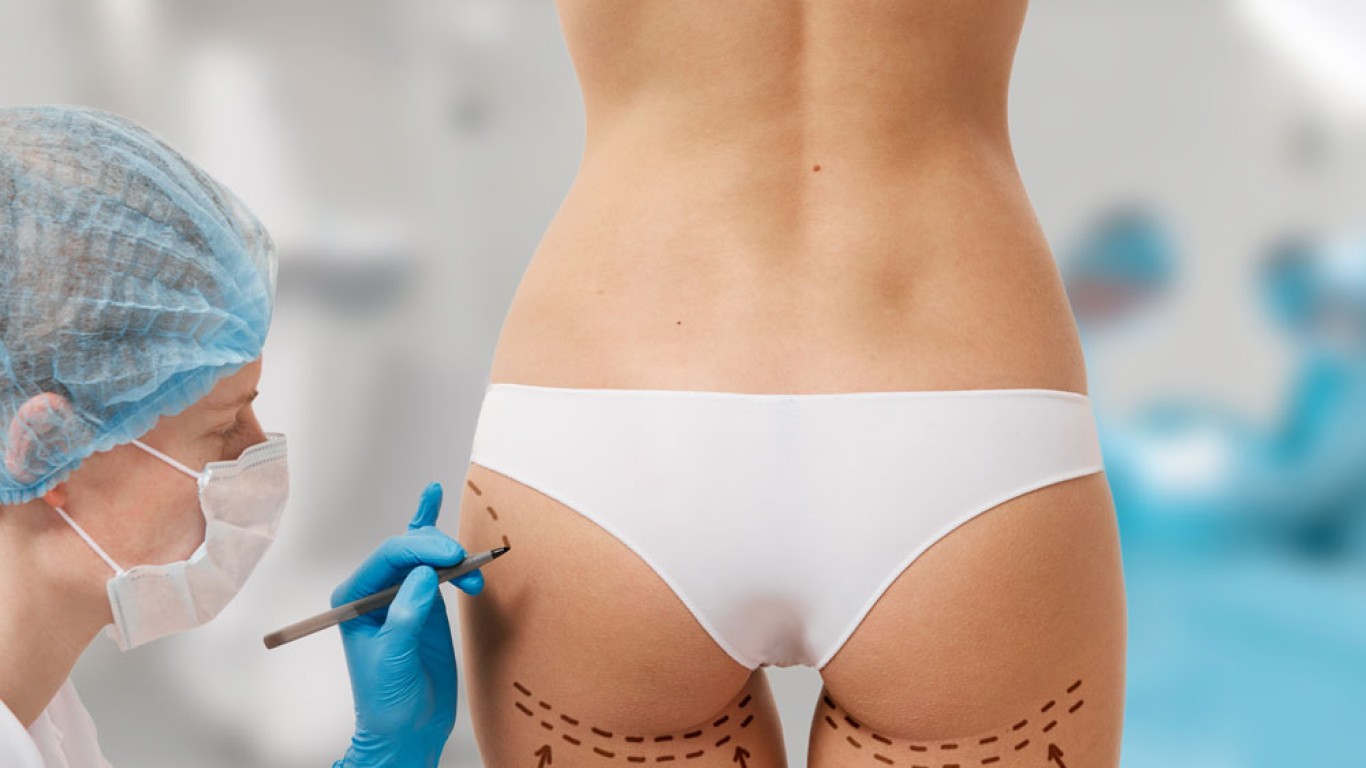
A BBL is a procedure that transfers fat from one part of the body to the buttocks. Surgeons will typically remove fat from areas like the abdomen, thighs, or waist. It’s then purified and carefully injected into the buttocks to create natural curves. Unlike implants, a BBL uses the body’s own tissue. Many believe this makes results look and feel more authentic. The immediate change can be dramatic; but the true value lies in how well the results age.
The First Year After a BBL
In the first year, the body goes through adjustment. Some of the transferred fat naturally doesn’t survive. Surgeons usually anticipate this and inject slightly more fat to account for it. By the end of the year, the final shape settles. Patients often describe their new curves as part of their body rather than simple surgery. Daily life feels different, from the way clothing fits to the way confidence grows. The foundation is laid for how the BBL will look in years to come.
What A BBL Looks Like After 5 Years
At the five-year mark, results usually remain stable. The fat that survived the initial transfer is permanent. However, lifestyle choices and weight fluctuations influence appearance. For instance, if a patient gains weight, the fat cells in the buttocks may also grow. Similarly, weight loss can reduce volume. Most patients still enjoy a lifted, fuller look. By this stage, the results are not seen as “new” but rather as part of the person’s natural figure.
What A BBL Looks Like After 10 Years
So what does a BBL look like after 10 years? In most cases, the buttocks remain fuller and more contoured than before surgery. Ideally, the transferred fat has integrated with the body and behaves like natural tissue. Over time natural ageing may cause some sagging, just as it would without surgery. The curves are still present, though perhaps a little softer compared with the early years. Patients who maintain a stable weight and active lifestyle can enjoy results that still look impressive a decade later. Outcomes feel natural, blending with the body’s ageing process rather than standing apart from it.
Factors That Influence Long-Term BBL Results
Several factors determine how a BBL looks after 10 years. Firstly, weight stability plays a major role. Significant fluctuations can change the size and shape of the buttocks. Secondly, genetics and ageing affect skin elasticity and muscle tone. Thirdly, lifestyle choices such as diet, exercise, and overall health contribute to results. Finally, the skill of the surgeon is key. A well-planned BBL with proper fat placement lasts longer and looks more natural over time.
Psychological Impact of Long-Term Results
For many patients, the psychological benefits of a BBL extend far beyond the mirror. Even 10 years later, many describe improved self-esteem and greater comfort in their bodies. Greater confidence often influences other areas of life, from fashion choices to social interactions. Some say they finally feel their outer appearance matches how they’ve always felt inside. The long-term impact of a BBL often reaches deeper than aesthetics. It shapes wellbeing and self-image for years.
Cost Considerations Over Time
When thinking about what a BBL will look like after 10 years, cost also matters. In 2025, prices vary widely depending on location. In the UK, the procedure often costs between £6,000 and £10,000. In the US it can reach upwards of £12,000 or more. Turkey remains a popular choice, with prices averaging £3,500 to £6,000. Considering that results can last a decade or longer, many consider it a worthwhile investment. Some patients also choose additional treatments later to maintain or enhance their figure.
BBL vs Other Buttock Enhancement Procedures
Compared with implants, a BBL ages more naturally because it uses the body’s own fat. Implants can sometimes feel less natural or require replacement. Non-surgical options like fillers provide short-term volume but rarely last beyond a year or two. After 10 years, a well-performed BBL still provides better shape and contour than these alternatives. The procedure stands out for its ability to deliver both immediate and lasting transformation.
Maintaining BBL Results Long-Term
Although a BBL can look impressive after 10 years, maintenance matters. Regular exercise supports muscle tone, while a balanced diet helps stabilise weight. Avoiding large fluctuations ensures fat cells in the buttocks remain consistent. Additionally, good skin care supports elasticity, keeping contours smoother. Patients following these habits often report satisfaction with their BBL results even a decade later. The procedure is not a one-time transformation but part of a journey of self-care.
Conclusion
A BBL can provide dramatic, lasting transformation that still looks attractive after 10 years. While natural ageing and lifestyle influence the outcome, the benefits remain visible long after surgery. Fuller curves, improved proportions and greater confidence continue to define the experience. With proper care, results can blend seamlessly with the body’s natural changes. This will create a figure that feels both enhanced and authentic.
For more information and to book a consultation visit the ACIBADEM Beauty Center Brazilian Butt Lift page.
Frequently Asked Questions
Results are long-lasting, with many patients enjoying benefits for 10 years or more.
Yes, the fat integrates with the body, creating natural curves that age with time.
Yes, weight gain or loss can increase or decrease buttock size.
The fat that survives the transfer is permanent, though ageing still occurs.
Costs range from £3,500 in Turkey to £12,000 in the USA.