Ataşehir Mah. Feza Sk. No:3 İstanbul / Türkiye
 English
Introduction
As the skin ages, it loses firmness and begins to sag along the jawline and neck. Many patients look for tightening or lifting treatments without knowing how they differ. The two terms are often used interchangeably, but they describe different goals. Understanding the difference can help you ask better questions and set realistic expectations. This guide explains skin tightening vs skin lifting in clear terms. It covers how each approach works, the treatments involved and who each option suits.
Why Skin Loses Firmness and Position
Two separate changes usually happen as the face ages, which explains the difference. The first is loss of skin quality, and the second is tissue descent. Skin quality changes as collagen and elastin decline, which makes the skin thinner and less elastic. This can lead to crepey texture, fine lines and a looser feel. At the same time, deeper fat pads and supportive tissues gradually descend with gravity and age. This movement creates jowls, deeper folds beside the nose and a less defined jawline. Bone and fat volume also decrease with age, which reduces the support beneath the skin. This loss of support can make sagging look worse, even when the skin itself is firm. Understanding which change is most visible helps a practitioner choose the most suitable approach.
What Is Skin Tightening?
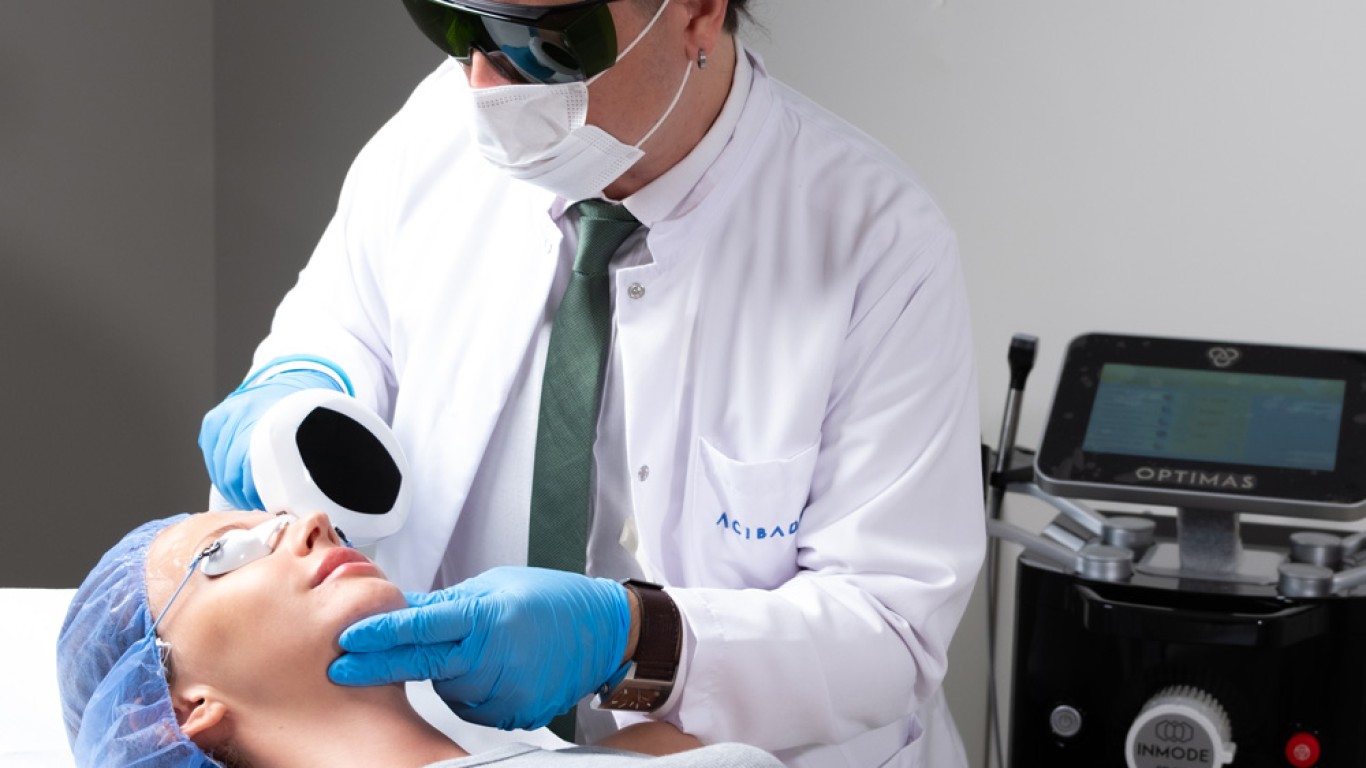
Skin tightening aims to improve the firmness, elasticity and texture of the skin itself. It works mainly by stimulating the body to produce new collagen and elastin over time. Most skin tightening treatments use controlled energy, such as heat from radiofrequency or focused ultrasound. Others use microneedling or lasers to trigger a natural repair response in the skin. Results usually build gradually over two to six months as new collagen forms beneath the surface. The change tends to be subtle, with the skin looking firmer, smoother and more resilient. Most tightening treatments need little or no downtime, so they fit easily around work. Some require a course of sessions, while others are carried out as a single treatment. Maintenance sessions are usually needed, as the skin continues to age after treatment.
What Is Skin Lifting?
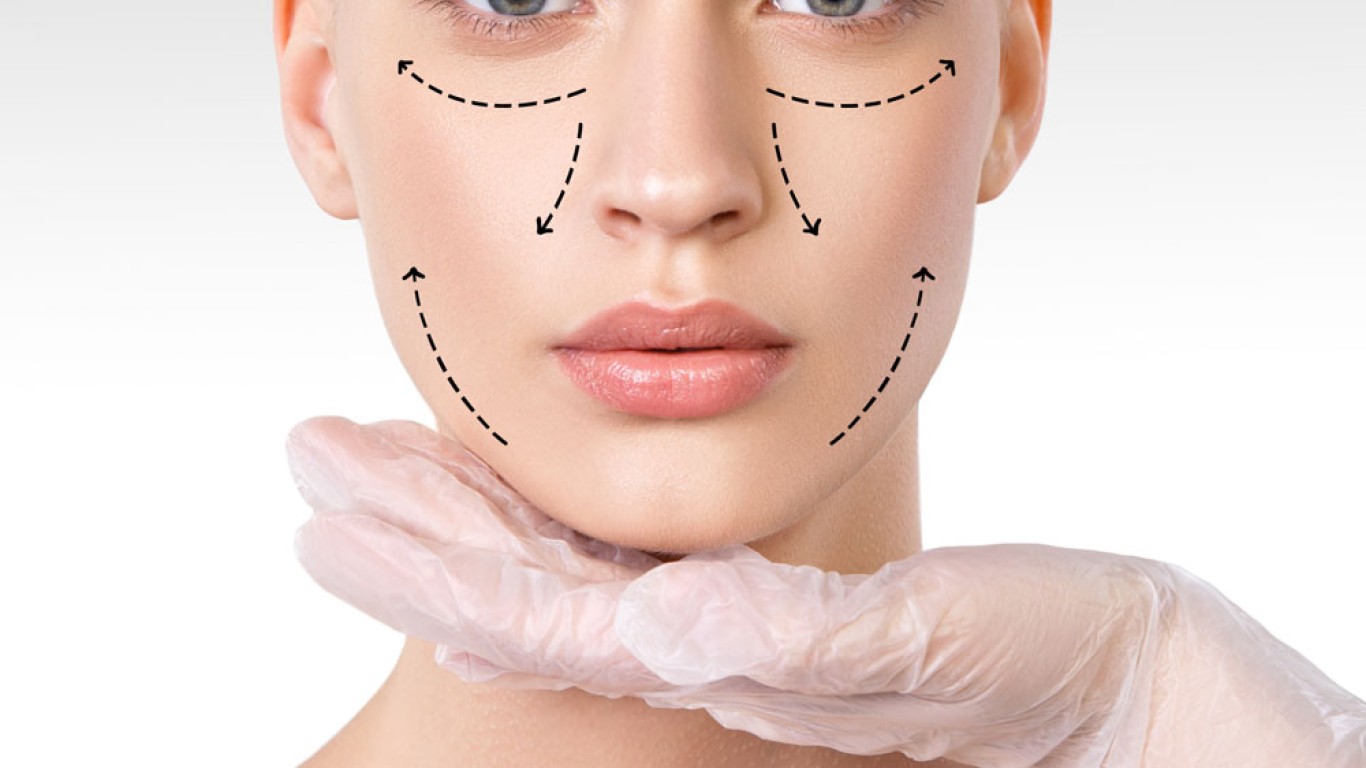
Skin lifting aims to move sagging tissue back into a higher, more youthful position. Rather than mainly improving skin quality, it changes where the tissues of the face sit. Lifting can be achieved with a facelift or with minimally invasive treatments like thread lifts. Some fillers also create a lifting effect by restoring support in key areas. Results from lifting procedures are often visible immediately or soon after swelling settles. Lifting results also tend to last longer than tightening, especially after surgical procedures. The change is usually more noticeable than with tightening, particularly along the jaw and cheeks.

Skin Tightening vs Skin Lifting: The Core Difference
The core difference in skin tightening vs skin lifting is what each approach changes. Tightening improves skin quality and firmness, while lifting changes tissue position. Picture a loose fabric compared with a fabric that is hanging too low. Tightening makes the fabric firmer, while lifting raises it back into its proper place. Many faces show both concerns at once, which is why treatments are often combined. A practitioner will assess which change is more significant before recommending an approach.
Skin Tightening vs Skin Lifting: Side-by-Side Comparison
The table below summarises the main differences between the two approaches. Exact results always depend on the treatment chosen and the individual patient.
| Feature | Skin Tightening | Skin Lifting |
| Main aim | Firmer, more elastic skin | Repositioning sagging tissue |
| How it works | Collagen stimulation through energy or micro-injury | Surgery, threads or structural support |
| When results appear | Gradually over 2 to 6 months | Immediately or within weeks |
| Degree of change | Subtle to moderate | Moderate to significant |
| Typical downtime | Little or none for most treatments | Days to weeks, depending on method |
| Best suited to | Mild laxity and early ageing | Moderate to significant sagging |
These are general patterns, and many treatment plans include elements of both approaches.
Skin Tightening vs Skin Lifting: Tightening Treatments
Several non-surgical treatments are designed mainly to tighten and firm the skin over time. Common options include the following:
- Radiofrequency, which heats deeper layers of skin to stimulate collagen
- Radiofrequency microneedling, which combines fine needles with controlled heat
- High-intensity focused ultrasound, known as HIFU, which targets deeper tissue
- Fractional laser resurfacing, which improves texture and firmness
- Microneedling, which triggers collagen through tiny controlled injuries
HIFU is sometimes described as a lifting treatment, but its effect comes mainly through tightening. It can produce a mild lift in some patients as deeper tissue firms over time.
Common Skin Lifting Treatments
Skin lifting treatments range from minimally invasive procedures to full surgery. The right option depends on the degree of sagging and how long results should last. Thread lifts use dissolvable threads to give a visible lift with limited downtime. Results usually last around one to two years, depending on the thread type used. Facelift and neck lift surgery reposition deeper tissues and remove excess skin for a long-lasting result. These procedures involve longer recovery but offer the most significant and durable change. Dermal fillers can also create a lifting effect by restoring volume in the cheeks.
Skin Tightening vs Skin Lifting: Which Suits You?
Choosing between skin tightening vs skin lifting depends mainly on the degree of sagging. Patients with mild laxity and good skin position often benefit most from tightening treatments. Patients with visible jowls, deeper folds or a loose neck usually need some form of lifting. Tightening alone is unlikely to correct tissue that has moved significantly downwards. Age, skin quality, budget and available downtime also influence the choice. Some patients start with tightening treatments and move to lifting as sagging becomes more noticeable. Others choose a lifting procedure first and use tightening to maintain skin quality afterwards. There is no single correct order, as each plan depends on the individual face. A practitioner will usually examine the face at rest, while smiling and in profile before advising.
Conclusion
In skin tightening vs skin lifting, the key difference is what each approach changes. Tightening improves firmness and texture gradually, while lifting moves sagging tissue to a higher position. Many patients benefit from a combination, depending on the degree of sagging and their goals. A specialist consultation is the best way to decide which approach suits your face.
Explore aesthetic treatments at ACIBADEM Beauty Center to learn more about skin tightening vs skin lifting.
Frequently Asked Questions
HIFU works mainly by tightening, as it stimulates collagen in deeper tissue layers. Some patients notice a mild lifting effect as the tissue firms. It does not reposition tissue in the way surgery does.
Skin tightening cannot replace a facelift for patients with significant sagging. It works best for mild laxity and early signs of ageing. A facelift remains the most effective option for marked sagging.
Lifting treatments usually give faster, more visible results than tightening treatments. Tightening results develop gradually over several months. Both continue to improve as healing progresses.
Most skin tightening treatments need maintenance to sustain results. Many patients repeat treatment once or twice a year. Your practitioner will advise on a suitable schedule.
There is no single right age to consider skin lifting. The decision depends on the degree of sagging rather than age alone. A practitioner can advise when lifting is likely to help.