Ataşehir Mah. Feza Sk. No:3 İstanbul / Türkiye
 French
  English
  German
  Spanish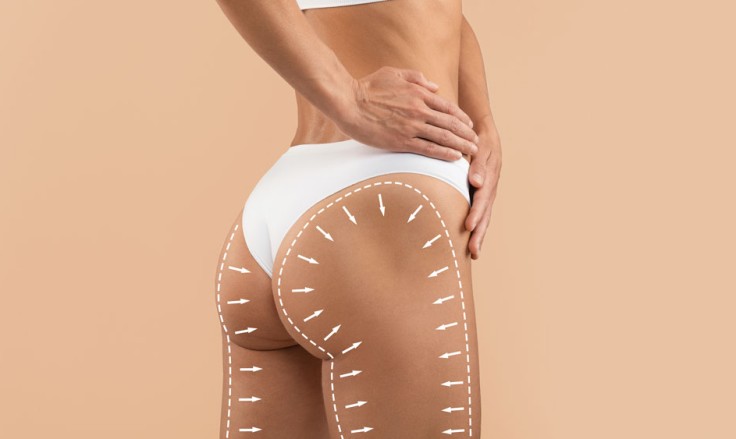
Introduction
Body contouring preferences have shifted noticeably toward subtle, proportion focused enhancement rather than dramatic transformation. Accordingly, slimmer patients increasingly ask about fat transfer options designed specifically for their body type. A skinny BBL is a modified form of the Brazilian Butt Lift created for leaner physiques. This approach prioritises shape refinement instead of large volume increase. Consequently, planning, technique and expectations differ from standard procedures. Understanding these differences is essential before deciding if it suits your goals. This article explains what a skinny BBL involves, how it works, and who benefits most.
What Is Meant by a Skinny BBL?
A skinny BBL is a fat transfer procedure adapted for individuals with limited donor fat. It follows the same fundamental principles as a traditional Brazilian Butt Lift. However, the emphasis lies on contour, balance and proportion rather than size. Surgeons use smaller fat volumes with precise placement. The aim is to subtly enhance your natural curves. Results are designed to look harmonious with a slim frame. This makes the procedure appealing to patients seeking refinement rather than noticeable enlargement.
How a Skinny BBL Differs From a Traditional BBL
Traditional BBL procedures rely on harvesting larger amounts of fat from multiple donor areas. Slim patients usually lack these reserves. Therefore, a skinny BBL requires careful harvesting and conservative transfer - surgeons prioritise fat quality over quantity. Placement focuses on enhancing existing shape rather than building projection. This difference significantly affects outcomes. Patients should expect gentle enhancement rather than dramatic volume change. These distinctions also influence the consultation and planning stages.
Why Slim Patients Are Interested in This Approach
Many slim individuals desire improved curves without losing their lean appearance. A skinny BBL supports this goal effectively, subtly enhancing hip and buttock contours. It can create smoother transitions between waist, hips and thighs. Clothing may fit more comfortably as proportions improve. Importantly, results remain understated. This appeals to patients who want natural looking enhancement rather than a visibly augmented silhouette.
Understanding Fat Availability in Slim Bodies
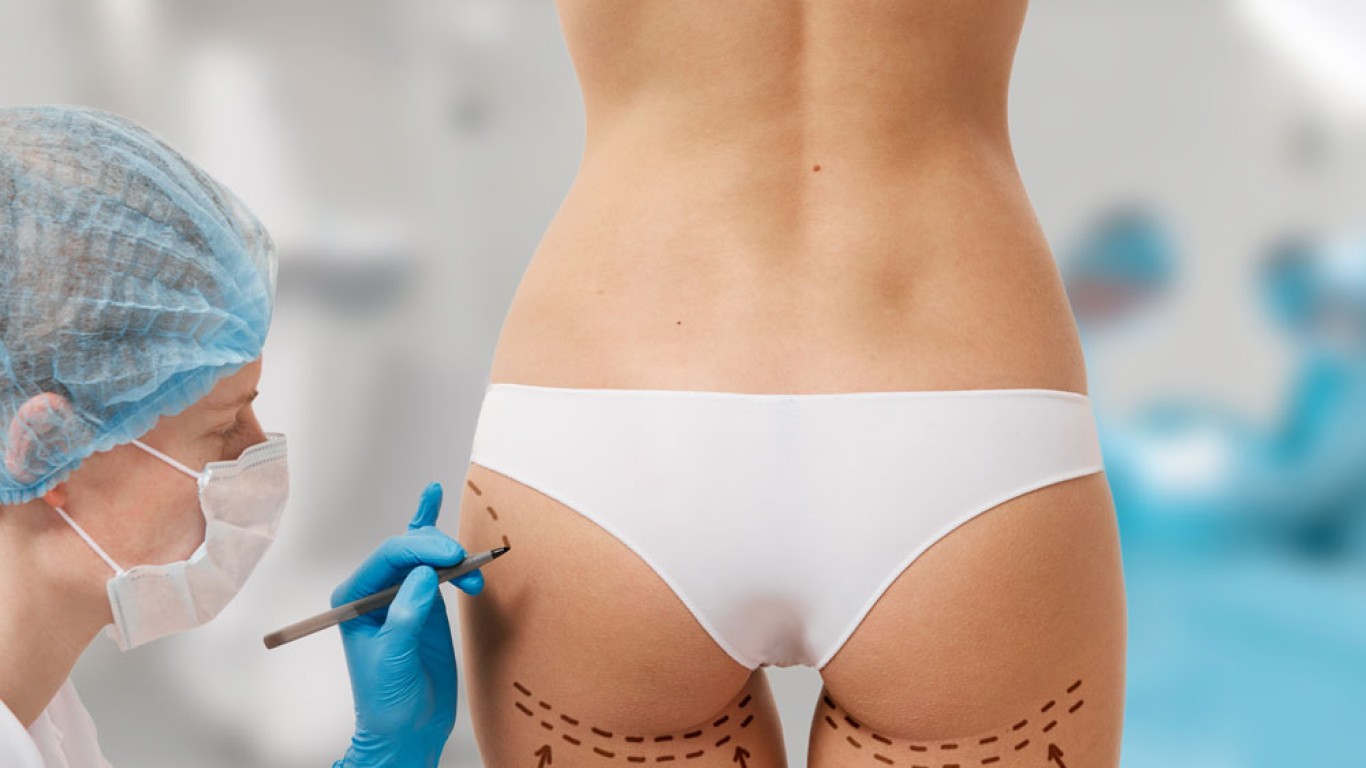
Fat availability is one of the most critical considerations in BBL planning. Surgeons assess potential donor sites carefully during consultation. Common areas include the lower abdomen, flanks, inner thighs, or outer thighs. Even small fat deposits can be harvested when handled correctly. However, expectations must align with reality and limited fat means limited transfer volume. Proper assessment ensures that available fat is used efficiently and safely.
How Body Proportions Influence Final Results
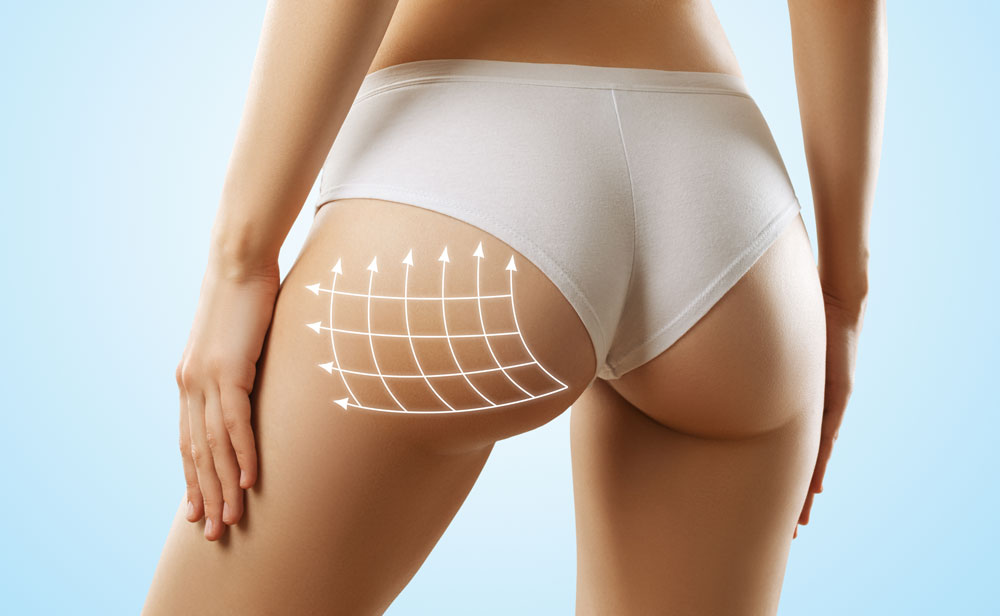
Body proportions play a significant role in how results appear after a skinny BBL. Waist width, hip structure and pelvic shape all influence visual outcomes. Two patients receiving similar fat volumes may look very different afterward. As such, surgeons assess individual proportions rather than focusing solely on the buttocks.
Enhancing curves often involves improving transitions between body areas. This proportional approach helps results appear natural on a slim frame. Understanding proportion prevents unrealistic comparisons and supports satisfaction. Results feel more balanced when enhancement complements the entire silhouette rather than one isolated area.
Skinny BBL Liposuction Technique for Lean Patients
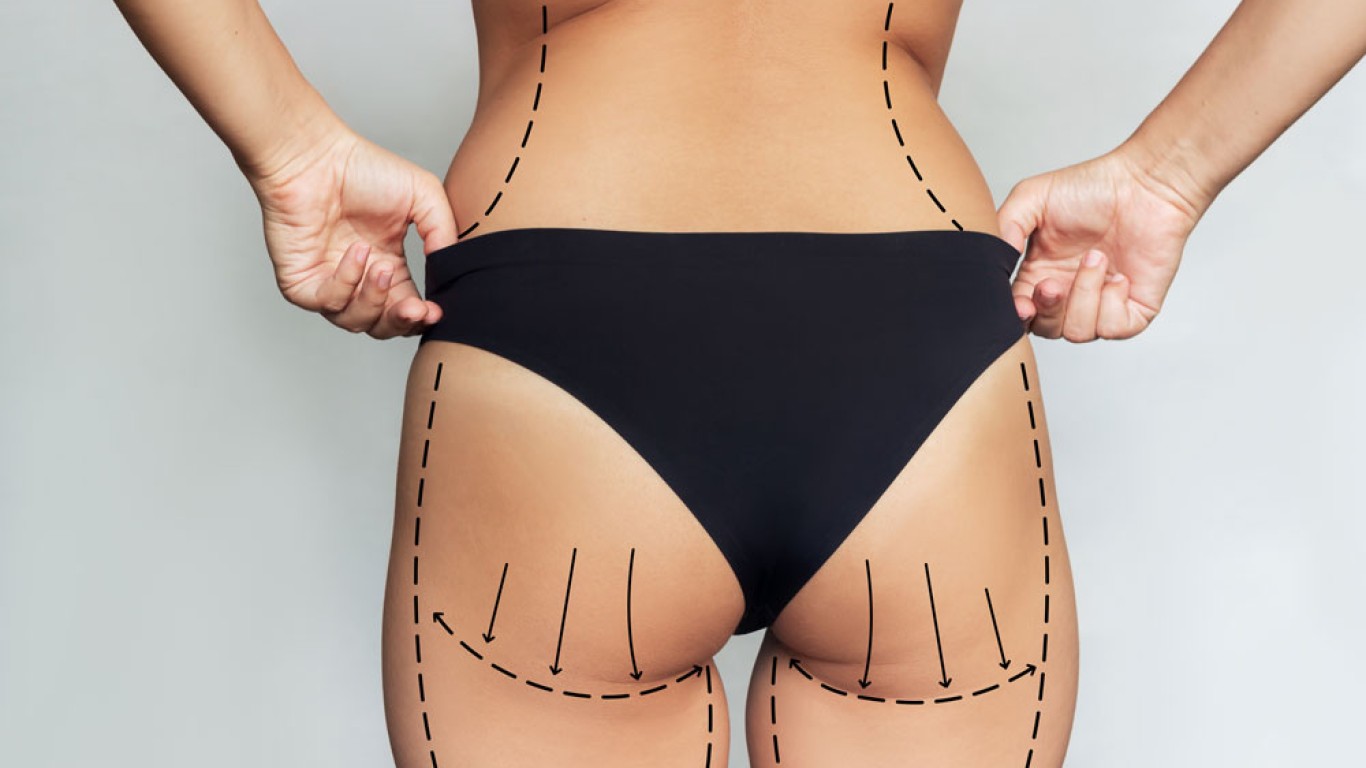
Liposuction in slimmer patients requires a refined and cautious approach. This is because aggressive fat removal can disrupt natural body contours. Surgeons therefore focus on gentle sculpting - the goal is to collect viable fat while preserving overall harmony. Precision helps maintain donor area aesthetics. This careful technique also improves fat quality for transfer. In lean individuals, technique quality plays a major role in final outcomes.
Fat Processing and Why It Matters More
After harvesting, fat must be processed carefully. This stage removes excess fluid and damaged fat cells, with only healthy fat prepared for reinjection. In a skinny BBL, preserving fat viability is especially important. Smaller volumes mean each fat cell matters. Proper processing improves retention and long term results. This step significantly influences outcome quality despite being unseen by patients.
Skinny BBL Fat Placement and Sculpting Strategy
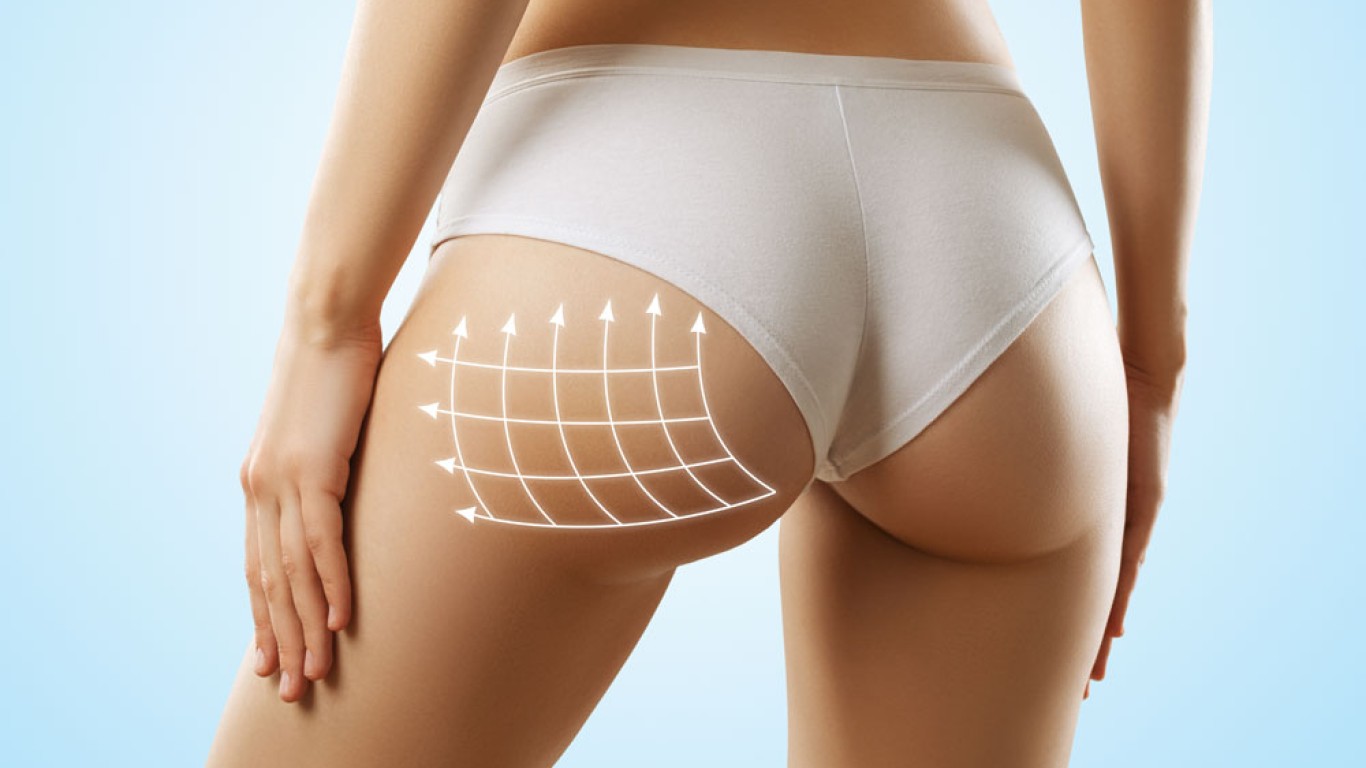
Fat placement defines the final appearance more than volume alone. Surgeons inject fat in small amounts across multiple layers, allowing smooth contouring. Strategic placement may address hip dips or add gentle fullness while precision prevents lumpiness or irregular texture. Sculpting focuses on proportion and balance. The end result should complement the patient’s natural anatomy.
Expected Results and Visual Outcomes
Results from a skinny BBL are intentionally subtle. Patients should go in expecting improved contour rather than noticeable size increase. The buttocks may appear rounder or more balanced and hip dips may look softer. Overall proportions often feel more harmonious. The outcome is designed to look natural even without clothing. Understanding these goals helps align expectations and satisfaction.
How Much Volume Increase Is Realistic from a Skinny BBL?
Volume increase depends entirely on fat availability and retention. Most slim patients achieve a modest enhancement. Typically, the improvement is measured in shape rather than size. Surgeons often explain results using contour changes instead of cup sizes. In some cases, staged procedures may be discussed. However, conservative planning remains standard practice.
Fat Retention and Long Term Longevity
Not all transferred fat survives permanently. A portion is naturally reabsorbed by the body, but surgeons account for this during planning. Advanced techniques aim to maximise retention rates. Stable weight supports long term results and, once retained, fat behaves like natural tissue. Longevity varies between individuals but can be long lasting.
Recovery Experience for Slim Patients
Recovery after a skinny BBL follows similar guidelines to other fat transfer procedures. Patients avoid sitting directly on the treated area initially. Compression garments support donor area healing while the swelling and bruising gradually subside. Slim patients may notice donor area changes more clearly. Following aftercare instructions supports smoother recovery and outcome stability.
Skinny BBL Suitability and Candidate Assessment
Ideal candidates are healthy individuals with stable weight and realistic expectations. They must have some harvestable fat available. Patients seeking dramatic enlargement are usually not suitable for this treatment. Consultation involves detailed body assessment during which surgeons evaluate anatomy carefully before recommending the procedure. Honest assessment ensures patient satisfaction and safety.
When a Skinny BBL May Not Be Recommended
Extremely lean individuals may not have sufficient donor fat for this treatment to be suitable. In such cases, surgeons may advise alternative options. Forcing fat transfer is avoided because safety and result quality remain priorities. Transparent discussion prevents disappointment. Understanding limitations is an important part of the decision process.
Combining a Skinny BBL With Other Treatments
Some patients combine this procedure with additional contouring treatments. For example, liposuction sculpting can enhance waist definition further. Combining procedures requires careful planning as the aim remains balance rather than excess. Coordination ensures treatments complement each other. This integrated approach can enhance overall proportions subtly.
Psychological and Confidence Related Benefits
Even small contour changes can impact confidence positively. Patients often feel more comfortable in fitted clothing. Improved proportions may enhance body image and even subtle changes reduce self consciousness. Emotional satisfaction often outweighs volume considerations. Confidence benefits contribute strongly to overall satisfaction.
Trends Driving the Popularity of Skinny BBL
Beauty trends increasingly favour natural looking enhancement - exaggerated results have become less desirable. Slim patients seek options aligned with understated aesthetics and the skinny BBL reflects this shift clearly. Clinics have refined techniques to meet this demand. Popularity has grown alongside changing beauty standards.
Long Term Planning and Maintenance Considerations
Long term planning supports sustained results. Weight stability remains important after the procedure. Lifestyle choices influence fat retention. Surgeons may recommend follow up assessments. Conservative planning ensures natural ageing with results. Long term satisfaction depends on realistic maintenance expectations.
Managing Expectations Through Education
Clear education is essential before proceeding. Patients should understand that results are subtle - a skinny BBL enhances shape rather than transforms size. Comparing outcomes to traditional BBLs can be misleading. Informed decisions lead to better experiences and education supports confidence throughout the process.
Conclusion
A skinny BBL is a refined fat transfer option designed for slimmer body types. It focuses on subtle enhancement, balance, and proportion rather than dramatic volume. Limited fat availability shapes technique and outcomes. With careful planning, results appear natural and harmonious. This approach suits patients seeking gentle contour improvement. Understanding the process supports confident decision making.
For more information and to find out if you’re a suitable candidate for a skinny BBL, visit the ACIBADEM Beauty Center Brazilian Butt lift page.
Frequently Asked Questions
It is a fat transfer procedure adapted for slim patients seeking subtle contour enhancement.
No, results focus on shape and proportion rather than dramatic volume.
Recovery is similar, though donor area changes may be more noticeable.
Retained fat behaves like natural tissue and can be long lasting with stable weight.
Healthy individuals with some donor fat and realistic expectations are ideal candidates.