Ataşehir Mah. Feza Sk. No:3 İstanbul / Türkiye
 English
  German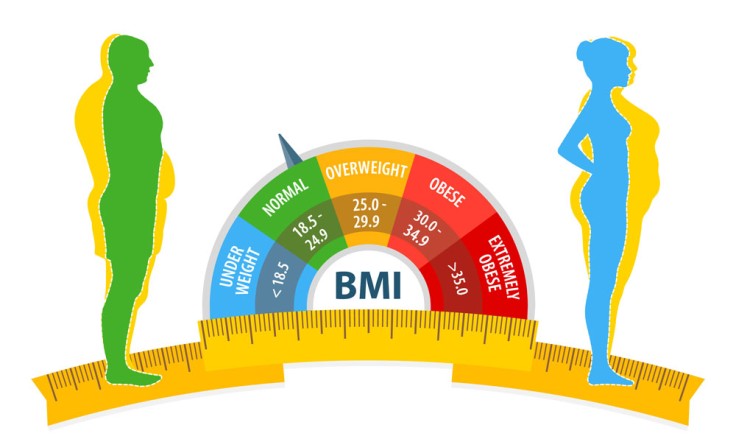
Introduction
BMI requirements for bariatric surgery determine who qualifies for weight loss procedures. These thresholds have guided patient selection for decades. However, the criteria are evolving. New guidelines in 2026 recognise that BMI alone does not capture the full picture of obesity-related health. BMI requirements are becoming more flexible. Understanding the current criteria helps patients assess their eligibility accurately. This article explains the BMI requirements for bariatric surgery in 2026, how they have changed and what patients at different BMI levels can expect.
Traditional BMI Requirements for Bariatric Surgery
The established guidelines set clear thresholds. BMI requirements traditionally required a BMI of forty or above. Patients at this level qualify regardless of other health conditions. BMI requirements also include patients with a BMI of thirty-five or above when significant obesity-related health conditions are present. Type two diabetes, hypertension, sleep apnoea and severe joint disease are qualifying conditions. These thresholds were established by the National Institutes of Health in 1991. BMI requirements based on these criteria have guided clinical practice for over thirty years. They remain the standard in many healthcare systems. Most insurance policies and national health services use these BMI thresholds to determine coverage eligibility. BMI requirements for bariatric surgery at these levels are well established and widely accepted across the global bariatric community.
How BMI Requirements for Bariatric Surgery Are Changing in 2026
Recent guideline updates have expanded eligibility. BMI requirements for bariatric surgery in 2026 reflect growing evidence that patients with lower BMI levels also benefit significantly from surgery. Updated guidelines from major medical societies now recommend considering bariatric surgery for patients with a BMI of thirty to thirty-four point nine when metabolic disease is present. BMI requirements at this lower threshold specifically target patients with poorly controlled type two diabetes. The evidence shows that surgical intervention produces diabetes remission rates that far exceed medical management alone at this BMI range. BMI requirements expansion reflects a shift in thinking. Surgery is increasingly viewed as a metabolic intervention rather than solely a weight loss procedure. The health benefits justify intervention at lower BMI levels when specific conditions are present. BMI requirements will likely continue evolving as evidence accumulates.
BMI Requirements for Bariatric Surgery: Eligibility Table
| BMI Range | Classification | Bariatric Surgery Eligibility |
| Below 30 | Not obese | Not eligible |
| 30 to 34.9 | Obesity class one | Eligible with significant health conditions (newer guidelines) |
| 35 to 39.9 | Obesity class two | Eligible with obesity-related health conditions |
| 40 and above | Morbid obesity | Eligible regardless of health conditions |
BMI requirements for bariatric surgery vary by country and healthcare system. The table above reflects the most current international guidelines. Individual clinics may apply slightly different criteria. Private clinics sometimes offer greater flexibility than public healthcare systems. Requirements for bariatric surgery should be discussed directly with the bariatric team. They assess each patient individually rather than applying rigid cut-offs alone.

BMI Requirements for Bariatric Surgery: Beyond the Number
BMI is a useful screening tool. However, it has limitations. BMI requirements for bariatric surgery based on the number alone do not account for body composition. A muscular person may have a high BMI without excess fat. A person with normal BMI may have significant visceral fat. BMI requirements are increasingly supplemented by additional assessments. Waist circumference, body composition analysis and metabolic health markers provide a fuller picture. BMI requirements for bariatric surgery now consider the impact of obesity on daily functioning. Mobility limitations, quality of life reduction and psychological impact all factor into eligibility discussions. A patient whose BMI sits just below the threshold but whose health is significantly impacted may still qualify at certain clinics. BMI requirements are a starting point rather than the final word. Individual clinical assessment determines ultimate eligibility.
Which Procedures Suit Different BMI Levels?
Procedure selection correlates with BMI range. BMI requirements for bariatric surgery at the lower end typically suit less invasive options. Intragastric balloons suit patients with BMI thirty to forty. They provide temporary restriction without surgery. Endoscopic sleeve gastroplasty is another non-surgical option at lower BMI levels. BMI requirements at thirty-five to forty-five commonly indicate gastric sleeve. This is the most widely performed procedure globally. It removes approximately eighty percent of the stomach. BMI requirements for bariatric surgery at forty and above may favour gastric bypass. The additional malabsorptive component produces greater weight loss for higher BMI patients. BMI requirements at the very highest levels may indicate duodenal switch. This procedure produces the most dramatic weight loss. It suits patients with BMI fifty and above. The surgeon recommends the most appropriate procedure based on individual BMI alongside health profile and goals.
Ethnic Considerations
BMI thresholds may be adjusted for certain ethnic groups. BMI requirements for bariatric surgery recognise that Asian populations develop obesity-related health conditions at lower BMI levels. The WHO recommends lower obesity thresholds for Asian populations. A BMI of twenty-seven point five or above with health conditions may qualify for surgical consideration in some guidelines. BMI requirements adjustment for ethnicity reflects the different relationships between BMI and metabolic risk across populations. South Asian, Southeast Asian and East Asian patients develop type two diabetes and cardiovascular disease at lower BMI levels than Western European populations. BMI requirements that account for ethnicity produce more equitable access to treatment.
Patients from these backgrounds should discuss ethnicity-adjusted thresholds with their bariatric team. The standard BMI requirements for bariatric surgery may not accurately reflect their metabolic risk at a given BMI. Waist circumference and metabolic markers may provide additional context during assessment. Consequently, clinicians consider the wider health picture rather than relying solely on one numerical measurement.
Conclusion
BMI requirements for bariatric surgery in 2026 are evolving. Traditional thresholds of forty or thirty-five with health conditions remain standard. Newer guidelines extend eligibility to BMI thirty with metabolic disease. BMI requirements are supplemented by individual clinical assessment. Different procedures suit different BMI ranges. Ethnic adjustments ensure equitable access. Pre-operative diet does not affect eligibility. Professional consultation determines individual suitability. Turkey offers bariatric surgery at competitive pricing within current BMI requirement guidelines. Ultimately, BMI provides an important starting point rather than the complete assessment. Overall health, metabolic risk and previous treatment history also influence surgical recommendations and procedure selection.
For more information about bariatric surgery and to book a consultation visit the ACIBADEM Beauty Center Obesity Surgery page.
Frequently Asked Questions
Forty or above without conditions. Thirty-five with health conditions. Thirty with metabolic disease under newer guidelines.
Yes. Recent guidelines extend eligibility to BMI thirty with metabolic disease such as type two diabetes.
No. Eligibility is assessed at initial consultation. Pre-operative diet is a preparation step.
Potentially. Some guidelines recommend lower thresholds for populations that develop metabolic disease at lower BMI.
The bariatric team recommends based on individual BMI, health conditions and goals.