Ataşehir Mah. Feza Sk. No:3 İstanbul / Türkiye
 English
  German
  Spanish
Introduction
Patients wanting to improve their smile face a choice between snap-on vs permanent veneers. The two options differ fundamentally. One is a removable cosmetic appliance. The other is a lasting dental restoration. Snap-on vs permanent veneers comparison involves trade-offs between cost, convenience, appearance and longevity. Understanding these differences helps patients make the right investment for their goals. This article compares snap-on veneers vs permanent veneers across every important factor.
Snap-On Veneers vs Permanent Veneers: How They Differ
| Feature | Snap-On Veneers | Permanent Veneers |
| Material | Resin or composite | Porcelain (E-Max/zirconium) |
| Tooth preparation | None | Minimal enamel removal |
| Permanence | Removable | Bonded permanently |
| Natural appearance | Moderate | Excellent |
| Eating ability | Remove for most meals | Eat normally |
| Lifespan | One to three years | Ten to twenty-five years |
| Cost (full arch) | £200 – £1,000 | £2,000 – £20,000+ |
These two types of veneer differ at every level. The materials, process, durability and results are fundamentally different. Snap-on veneers are a cosmetic overlay. Permanent veneers are a dental restoration. Any direct cost comparison must acknowledge this core distinction. One conceals the existing teeth temporarily. The other transforms them permanently. The choice depends on the patient's priorities, budget and timeline.
Snap-On Veneers vs Permanent Veneers: Appearance
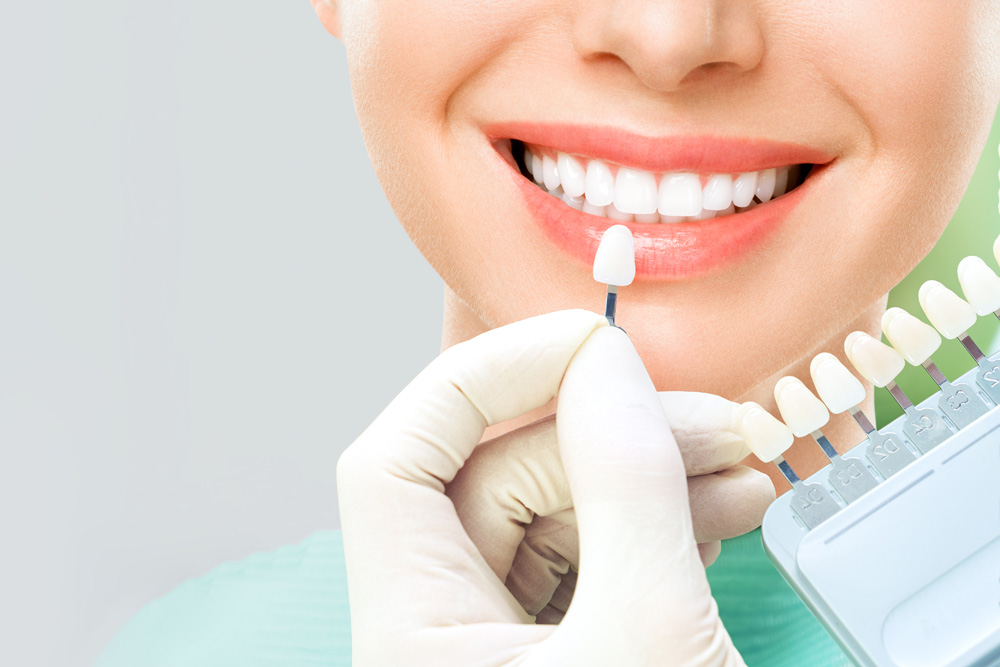
Appearance is the most visible difference. Snap-on vs permanent veneers aesthetics favours permanent veneers significantly. Porcelain veneers replicate natural tooth translucency. Light passes through E-Max porcelain similarly to natural enamel. The colour, depth and surface texture match natural teeth closely. A direct comparison shows that snap-on options look more uniform and opaque. The resin material lacks the depth and translucency of porcelain. Snap-on veneers add bulk to the teeth. The smile may appear thicker than natural proportions. Their close-up appearance differs noticeably. The edges where the appliance meets the gum are visible upon inspection. Permanent veneers bond seamlessly to the tooth surface. The margin is virtually undetectable. Snap-on veneers vs permanent veneers for photographs favours permanent veneers. High-resolution images reveal the limitations of snap-on appliances that conversational distance conceals.
Snap-On Veneers vs Permanent Veneers: Functionality
Daily function differs substantially. The difference in how they affect eating ability is the starkest contrast. Permanent veneers allow completely normal eating. The porcelain is bonded to the tooth. It functions identically to natural enamel. Patients bite, chew and eat all foods without restriction. Snap-on veneers vs permanent veneers for eating favours permanent overwhelmingly. Snap-on veneers should be removed for most meals. Eating with them risks cracking the appliance. Hot drinks can warp the resin. Hard foods may dislodge the device. Speech quality between the two veneer types also differs. Snap-on veneers add material inside the mouth. The tongue must adapt to the altered dental profile. A temporary lisp is common initially. Permanent veneers maintain the same tooth profile. Speech is unaffected from day one. Daily convenience strongly favours permanent veneers for patients wanting a fully integrated, maintenance-free solution.
Snap-On Veneers vs Permanent Veneers: Durability
Longevity differs dramatically. Snap-on vs permanent veneers lifespan comparison is not close. Permanent porcelain veneers last ten to twenty-five years depending on material and care. E-Max veneers typically last ten to fifteen years. Zirconium crowns last fifteen to twenty-five years. Snap-on options typically last one to three years. The resin material degrades with use. It stains over time. The fit loosens. The difference in replacement frequency means snap-on options need purchasing multiple times within the lifespan of a single set of permanent veneers. This has significant cost implications over the long term. Any investment calculation should consider lifetime cost rather than initial purchase price. The cumulative cost of snap-on replacements over fifteen to twenty years approaches or exceeds the one-time investment in permanent veneers.
Snap-On Veneers vs Permanent Veneers: Cost Comparison
Upfront cost favours snap-on veneers. Snap-on veneers vs permanent veneers initial pricing differs significantly. Snap-on options cost two hundred to one thousand pounds for a full arch. Permanent veneers cost three hundred to one thousand pounds per tooth in the UK. A full arch of permanent veneers costs several thousand pounds. Ultimately, any cost comparison changes over time. Replacing snap-on veneers every two to three years accumulates expense. Over a ten-year period, cumulative snap-on costs range from one thousand to five thousand pounds. Opting to get veneers in Turkey shifts the equation further. Permanent veneers in Turkey cost £2,500 - £5,000. A full smile makeover with E-Max veneers in Turkey costs a fraction of UK pricing. Any value calculation including Turkish pricing almost always favours permanent veneers for patients who can afford the upfront investment.
Dental Health Impact
Dental health considerations differ between the options. Snap-on veneers vs permanent veneers tooth preservation initially favours snap-on. No tooth preparation is required. The natural teeth remain completely untouched beneath the appliance. Permanent veneers require minimal enamel removal. This preparation is irreversible. Snap-on vs permanent veneers dental health during use tells a different story. Snap-on appliances trap bacteria against the tooth surface. If oral hygiene is inadequate, decay risk increases. Permanent veneers bond to the tooth. They protect the prepared surface. They do not trap bacteria differently from natural enamel.
The impact they have on gum health also differs. Poorly fitting snap-on appliances irritate gum tissue. Permanent veneers are designed to sit at the gum line without irritation. Both options require regular dental check-ups. Neither eliminates the need for professional dental care. Daily cleaning is particularly important with removable appliances. Patients should remove and clean them thoroughly after eating. Maintaining healthy gums and natural teeth remains essential whichever cosmetic option is chosen.
Conclusion
These two veneer types differ in appearance, function, durability and long-term value. Snap-on veneers provide affordable temporary cosmetic improvement. They are removable, limited in durability and less natural in appearance. Permanent veneers provide lasting transformation with excellent aesthetics and full functionality. Snap-on vs permanent veneers cost comparison over the long term often favours permanent veneers. Turkish pricing makes permanent veneers accessible at competitive rates. Professional consultation helps patients choose the option that best matches their goals and budget. The right choice ultimately depends on treatment expectations, oral health and willingness to commit. A detailed dental assessment identifies which approach offers the most appropriate long-term solution.
For more information about veneers and to book a consultation visit the ACIBADEM Beauty Center Dental Treatments page.
Frequently Asked Questions
Permanent porcelain veneers. They replicate natural tooth translucency and colour.
Most should be removed for eating. Permanent veneers allow completely normal eating.
Permanent veneers last ten to twenty-five years. Snap-on veneers last one to three years.
Initially yes. Over time, replacement costs accumulate. Permanent veneers in Turkey offer strong long-term value.
They can trap bacteria if oral hygiene is inadequate. Regular cleaning and dental check-ups are essential.