Ataşehir Mah. Feza Sk. No:3 İstanbul / Türkiye
 English
  German
Introduction
The intragastric balloon is a temporary weight loss tool. It sits inside the stomach for six to twelve months depending on the type used. It reduces stomach capacity and promotes earlier fullness. Every balloon must eventually be removed. Balloon removal is a straightforward endoscopic procedure. However, what comes afterwards matters as much as the balloon itself. Understanding the removal process and the transition that follows helps patients maintain their progress. This article explains gastric balloon removal in detail and covers the critical period after the balloon comes out.
When Does Gastric Balloon Removal Happen?
The timing depends on the balloon type. Most balloons are designed for six months. Some newer models are approved for twelve months. Balloon removal must happen at the designated time. Leaving the balloon beyond its approved duration increases complication risk. The balloon material can degrade. Deflation within the stomach creates an obstruction hazard. Gastric balloon removal is scheduled in advance. The clinical team notifies the patient as the date approaches. The appointment is typically booked during the original balloon placement consultation. Balloon removal timing is not flexible. The balloon has a defined lifespan. It is a temporary tool by design. Patients should view the removal date as a planned milestone rather than an unexpected event. Preparing for what comes after the removal is as important as the weight lost during the balloon period.
How Gastric Balloon Removal Works
Gastric balloon removal is performed endoscopically. The procedure takes approximately fifteen to thirty minutes. The patient is sedated. No general anaesthesia is usually required. An endoscope is passed through the mouth into the stomach. The doctor locates the balloon. A needle passed through the endoscope punctures the balloon. The saline or gas filling is aspirated. The balloon deflates. Balloon removal then involves grasping the deflated balloon with an endoscopic retrieval tool. The collapsed balloon is withdrawn through the oesophagus and mouth. The procedure is quick. Most patients go home within one to two hours. Balloon removal is considerably simpler than the placement procedure. There is no incision. No stitches are needed. The stomach returns to its normal capacity immediately once the balloon is out. Most patients feel comfortable within twenty-four hours. Mild throat discomfort from the endoscope resolves within a day.
What to Expect After Gastric Balloon Removal
The immediate period after gastric balloon removal is straightforward. Mild nausea may be present as sedation wears off. Throat soreness from the endoscope is common. This resolves within twenty-four hours. The stomach may feel different once the balloon is removed. Balloon removal restores the full stomach capacity. Patients notice they can eat larger portions than during the balloon period. This is expected. The restriction that the balloon provided is no longer present. Balloon removal creates a transition point. The external tool is gone. The behavioural changes developed during the balloon period must now sustain the weight loss independently. Appetite may increase after the balloon removal. The balloon suppressed hunger mechanically. Without it, normal hunger signals return. This transition requires conscious effort.
Maintaining Weight Loss After Gastric Balloon Removal
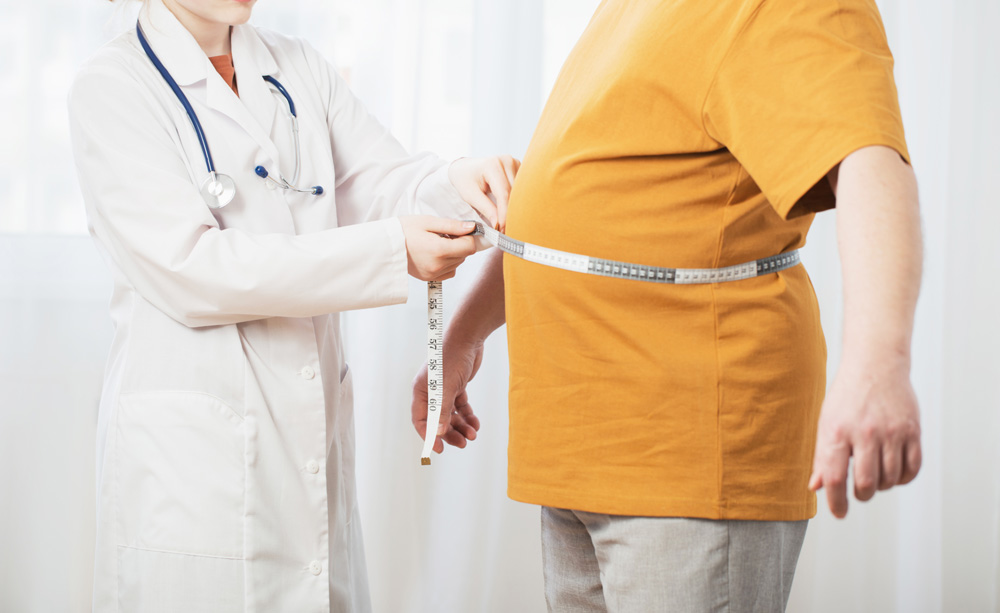
Weight maintenance after gastric balloon removal is the greatest challenge. The balloon provided mechanical support. That support is gone. Patients must rely on the habits they developed during the balloon period. Balloon removal success depends on whether the patient used the balloon time to establish lasting dietary changes. Those who modified their eating habits permanently maintain their weight. Those who relied on the balloon's restriction without changing behaviour often regain weight. Balloon removal maintenance strategies include continuing structured meal planning. Three balanced meals with one to two planned snacks prevents grazing. Protein at every meal promotes satiety. Balloon removal weight maintenance requires ongoing exercise. One hundred fifty minutes of moderate activity per week supports caloric balance. The habits established during the balloon period are the patient's long-term tools.
Gastric Balloon Removal: Risk of Weight Regain
Weight regain after balloon removal is a documented concern. Studies show that some patients regain a portion of their lost weight within twelve months of removal. Balloon removal creates a vulnerable period. The mechanical restriction is suddenly absent. Appetite returns. Portion sizes can increase. Balloon removal weight regain is not inevitable. Patients who engage with dietary support and exercise programmes maintain their results more consistently. Those who disengage from professional follow-up after removal face higher regain risk. Balloon removal should trigger intensified rather than reduced professional support. The months following removal are when patients need the most guidance. Regular dietitian consultations during this period reinforce healthy habits. Weight monitoring identifies early trends before significant regain occurs.
Can You Have Another Balloon After Gastric Balloon Removal?
Some patients consider a second balloon. Gastric balloon removal does not prevent future balloon placement. A rest period is typically required between balloons. Most clinics recommend at least one month before considering a second placement. Some recommend three to six months. Balloon removal followed by a second balloon suits patients who achieved good results but want continued support. However, repeated balloon use is not a long-term solution. Each balloon is temporary. The fundamental challenge of independent weight maintenance remains. Gastric balloon patients who are considering a second balloon should also evaluate whether bariatric surgery might be more appropriate. Surgery provides permanent restriction. It eliminates the cycle of placement and removal. Gastric balloon removal followed by surgical conversion suits patients who demonstrated good compliance and motivation during the balloon period but struggle to maintain without mechanical support.
Gastric Balloon Removal: Transitioning to Other Weight Loss Approaches
Several options exist after balloon removal. GLP-1 medications provide pharmaceutical appetite suppression. Semaglutide and tirzepatide produce significant weight maintenance support. Gastric balloon removal followed by medication can bridge the gap between temporary mechanical restriction and independent management. Bariatric surgery provides permanent structural change. Gastric sleeve or bypass suits patients who want lasting restriction. The balloon removal followed by surgery is a recognised pathway. The balloon period demonstrated the patient's ability to comply with dietary changes. This provides confidence for the surgical option. Balloon removal followed by continued behavioural and dietary support alone suits patients who developed strong habits during the balloon period. Professional guidance from a dietitian and regular follow-up provide the framework for independent management.
Conclusion
Gastric balloon removal is a quick endoscopic procedure performed at six to twelve months after placement. The process takes fifteen to thirty minutes under sedation. Recovery is immediate. The critical challenge begins after the balloon removal. Maintaining weight loss requires sustained dietary habits and exercise. Weight regain is possible without ongoing commitment. Professional support during the transition period produces the best outcomes. Second balloons, medication and bariatric surgery are available options. Professional consultation determines the most appropriate next step. Turkey offers gastric balloon removal and ongoing weight management at competitive pricing.
For more information about gastric balloons and to book a consultation visit the ACIBADEM Beauty Center Obesity Surgery page.
Frequently Asked Questions
Fifteen to thirty minutes under sedation. Most patients go home within one to two hours.
No. The procedure is performed under sedation. Mild throat discomfort resolves within a day.
Possible without ongoing effort. Structured eating, exercise and professional support reduce regain risk.
Yes, after a rest period. Bariatric surgery may be more appropriate for long-term management.
Continued dietary habits, exercise and professional follow-up. Medication or surgery may suit some patients.