Ataşehir Mah. Feza Sk. No:3 İstanbul / Türkiye
 French
  English
  German
  Spanish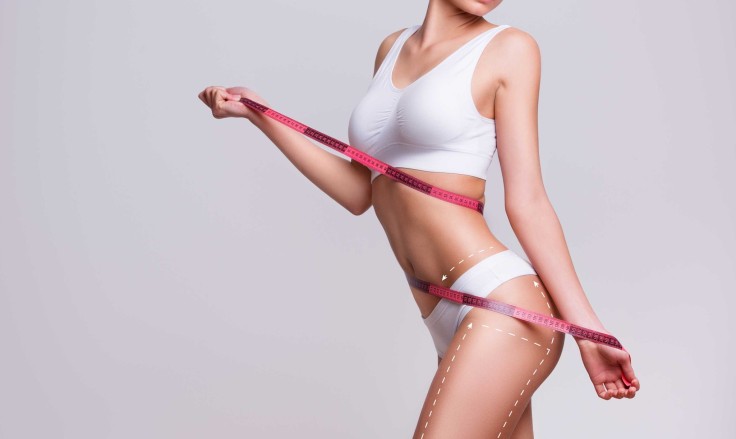
Introduction
Significant weight loss is a remarkable achievement. However, it frequently leaves patients with substantial excess skin that affects both comfort and confidence. A body lift after weight loss is one of the most comprehensive surgical solutions available. The procedure removes loose skin from multiple areas of the body in a single operation. Understanding what the surgery involves helps patients prepare for this transformative but significant procedure. This article explains what a body lift includes. It covers the surgical technique, recovery process and realistic expectations for patients considering treatment.
What Is a Body Lift After Weight Loss?
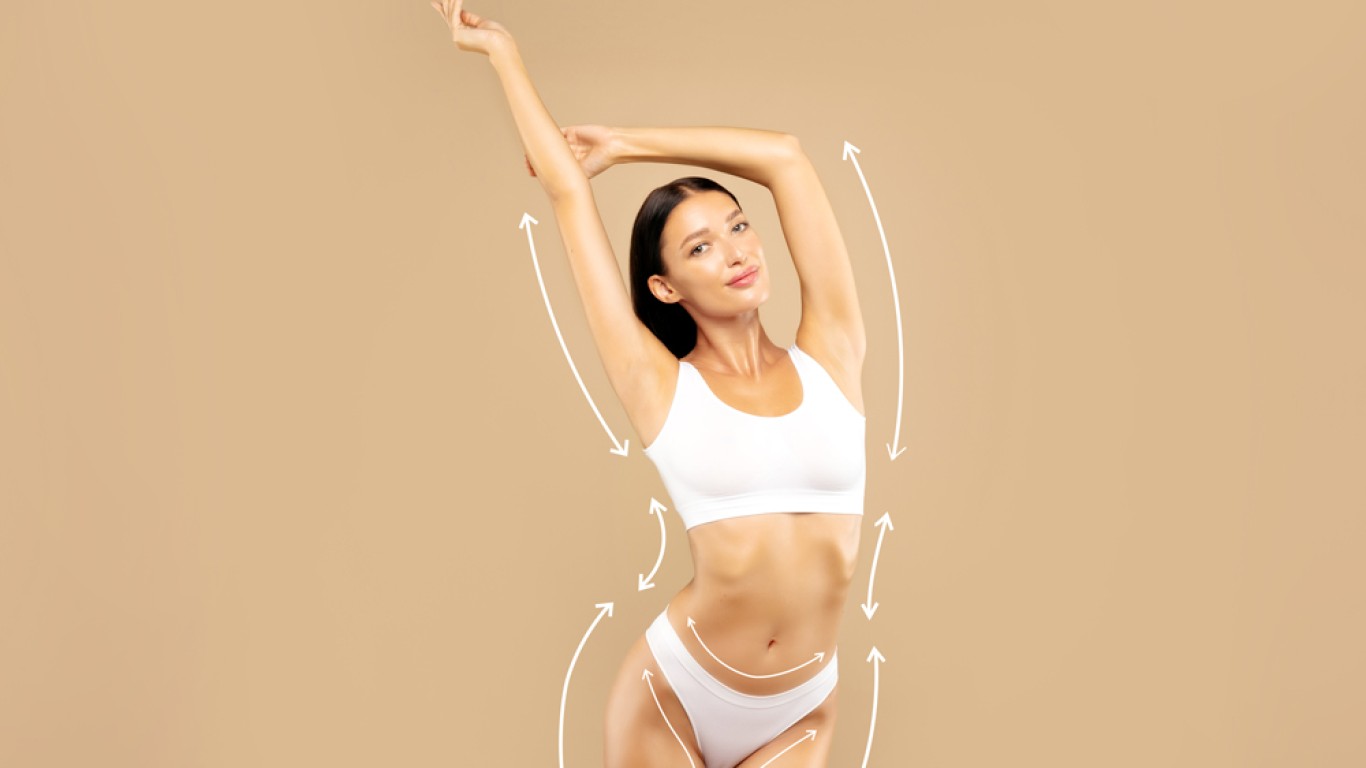
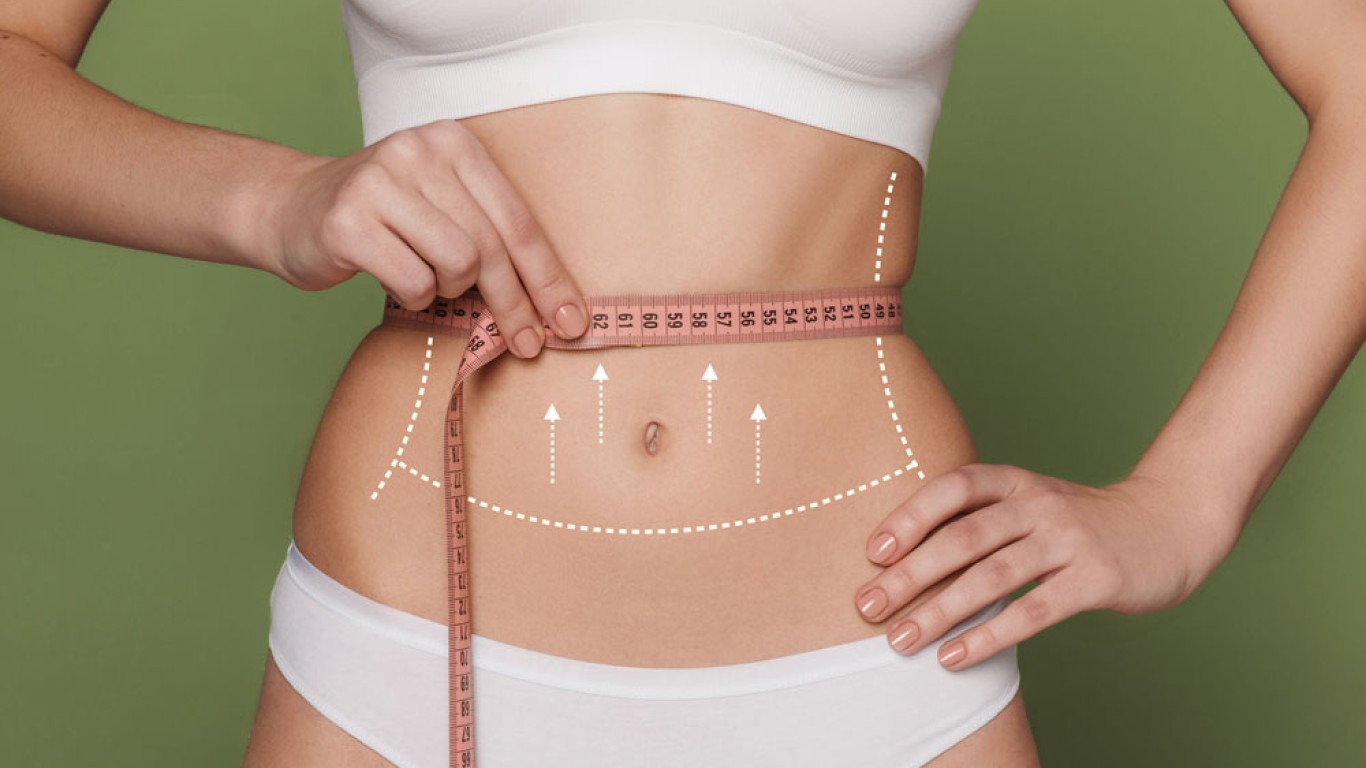
A body lift after weight loss is a circumferential surgical procedure that removes excess skin from the abdomen, flanks, lower back and buttocks. The surgery is also known as a belt lipectomy or lower body lift. A continuous incision runs around the entire circumference of the lower trunk. Through this, the surgeon removes hanging skin, tightens the underlying tissue and repositions what remains. A body lift often includes tightening of the abdominal muscles when separation has occurred. The procedure addresses the lower body comprehensively in a single surgical session. It creates smoother, firmer contours from the waist downward. The surgery typically takes 4-7 hours under general anaesthesia depending on the extent of correction required.
Who Benefits from a Body Lift After Weight Loss?
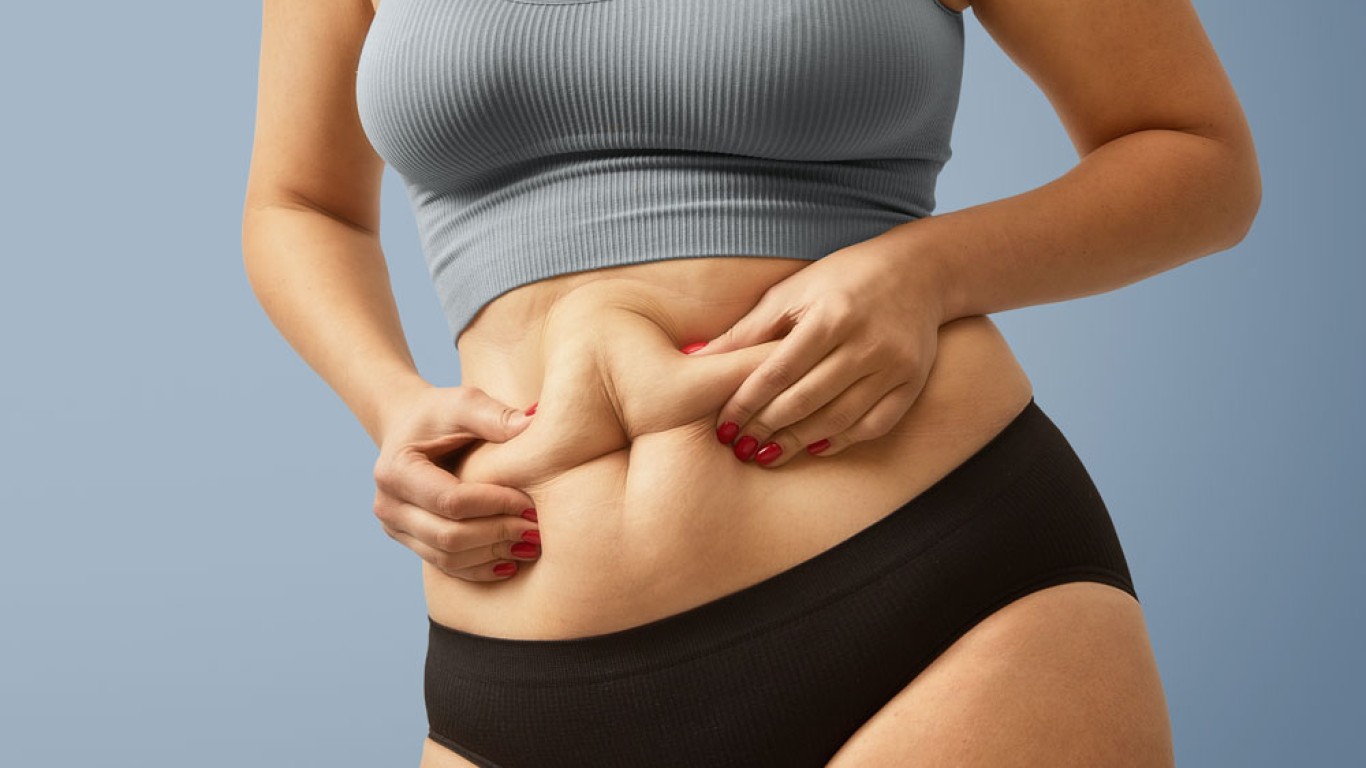
The procedure suits patients who have lost significant weight and are left with excess skin that causes functional or aesthetic concerns. Most candidates have lost approximately forty-five kilograms or more through surgery or sustained lifestyle changes. A body lift after weight loss is appropriate once body weight has been stable for at least six to twelve months. Continued weight fluctuation can compromise surgical results and increase complication risk. Candidates should be in good general health and non-smokers. The excess skin typically causes chafing, rashes and hygiene difficulties that significantly affect daily comfort. Many patients also experience emotional distress related to their appearance despite their weight loss achievement. Professional consultation assesses individual suitability based on skin excess distribution, overall health and personal goals.
What Does Body Lift After Weight Loss Surgery Involve?
The surgery is performed under general anaesthesia in a hospital setting. The patient is marked before surgery to guide precise incision placement. A circumferential incision is made around the lower trunk. The surgeon removes excess skin and fat from the abdomen, flanks, lower back and buttock area through this single incision. A body lift after weight loss includes lifting and tightening of the remaining tissue. The underlying muscle structure may be repaired if diastasis recti is present. The buttocks are lifted as part of the circumferential correction. Liposuction may complement the skin removal in some areas to refine the contour further. Surgical drains are placed to manage fluid accumulation during early healing. The incision is closed in layers with sutures. Patients typically remain in hospital for two to four days following surgery.

Body Lift After Weight Loss: Recovery Timeline
Recovery from a body lift after weight loss is more extensive than most contouring procedures. The surgery addresses a large body surface area in a single operation. Patients should prepare for a significant recovery commitment.
| Recovery Milestone | Typical Timeline |
| Hospital discharge | Two to four days |
| Return to light daily activities | Two to three weeks |
| Return to desk work | Three to four weeks |
| Driving | Three to four weeks |
| Light exercise | Six to eight weeks |
| Full exercise and heavy lifting | Ten to twelve weeks |
| Final results visible | Six to twelve months |
Compression garments are worn continuously for six to eight weeks. Pain medication is required during the first two weeks. Swelling and bruising are expected across the treated areas. Sleeping position may need adjustment during early recovery. Most patients require assistance with daily tasks during the first 1-2 weeks at home.
Body Lift After Weight Loss: What Results to Expect
Results from a body lift after weight loss are dramatic and transformative for most patients. The lower body appears significantly slimmer and more proportionate after healing. Hanging skin is eliminated. The waistline appears more defined. The buttocks sit higher and firmer. Abdominal contour improves substantially. Clothing fits differently and more comfortably. Chafing and skin-related hygiene issues resolve. A body lift produces results that become more defined as swelling resolves over three to six months. Final contour is typically visible between six and twelve months. Scars are extensive but are placed along the natural waistline. Here, they are typically concealed by clothing and underwear. Scar quality improves progressively over twelve to eighteen months with appropriate care.
Scarring After Body Lift After Weight Loss Surgery
Scarring is an important consideration for patients planning this procedure. The circumferential incision produces a scar that runs around the entire lower trunk. The scar sits approximately at the level of the underwear line or bikini line. It is concealed by most clothing and swimwear. A body lift after weight loss scar appears red and prominent during the early months. Colour fades gradually over twelve to eighteen months. Silicone-based scar products support healing and improve scar texture over time. Sun protection prevents permanent darkening of the scar tissue. Gentle massage once the wound has fully healed helps soften the tissue. Most patients accept the scar as a worthwhile trade-off for the substantial improvement in body contour, comfort and confidence that the surgery provides.
Body Lift After Weight Loss: Cost and Planning
Body lift after weight loss is one of the most extensive body contouring procedures available. In the UK, pricing typically ranges from twelve thousand to twenty thousand pounds. Turkey offers significantly lower pricing with comprehensive all-inclusive packages. Turkish packages commonly include surgery, hospital stay, accommodation and aftercare within a single quoted price. The cost difference reflects lower operational expenses rather than reduced clinical quality. Patients should plan for a stay of ten to fourteen days when travelling to Turkey for the procedure. A travel companion is essential during the first week of recovery. Pre-operative consultation including blood tests and imaging should be completed before travel. Body lift after weight loss surgery requires careful planning. However, it delivers results that many patients describe as the final step in their transformation journey.
Combining with Other Procedures
Some patients combine a body lift after weight loss with additional contouring procedures. An arm lift addresses excess skin on the upper arms during the same surgical session. A thigh lift targets inner thigh skin laxity. A breast lift or breast reduction may also be considered as part of a comprehensive post-weight-loss contouring plan. Combining procedures reduces total recovery periods compared with staging them separately over months. However, combined surgery increases operating time and must be assessed carefully for safety. The surgeon evaluates whether combining treatments is appropriate based on the total planned operating time and the patient's overall health status. Not every patient is suitable for extensive combined surgery. Patient safety always guides decision-making when planning multiple procedures.
Conclusion
A body lift after weight loss removes excess skin from the abdomen, flanks, lower back and buttocks in a single circumferential procedure. The surgery suits patients who have achieved significant weight loss and maintained stable weight for at least six to twelve months. Recovery requires a substantial commitment of six to twelve weeks before full activity resumes. Results are dramatic and transformative for most patients. Scarring is extensive but well concealed along the natural waistline. A body lift represents the final step in many patients' transformation journeys. Professional consultation ensures personalised surgical planning based on individual anatomy and goals. Turkey offers the procedure at competitive pricing with experienced body contouring surgeons.
For more information about the body lift procedure, and to book a consultation, visit the ACIBADEM Beauty Center website.
Frequently Asked Questions
A circumferential procedure that removes excess skin from the abdomen, flanks, back and buttocks.
Most patients return to light activities within two to three weeks. Full recovery takes six to twelve weeks.
The scar runs around the lower trunk but is concealed by clothing and underwear.
Most candidates have lost approximately forty-five kilograms or more with stable weight for six to twelve months.
Yes, arm lift, thigh lift and breast procedures are commonly combined when safe to do so.