Ataşehir Mah. Feza Sk. No:3 İstanbul / Türkiye
 French
  English
  German
  Spanish
Introduction
Significant weight loss can transform overall health and confidence. However, many individuals notice changes in skin firmness afterward. Skin elasticity after weight loss becomes a common concern. The skin may not immediately retract to match reduced body volume. Factors such as age, genetics and weight loss speed influence this response. Understanding how elasticity works helps guide realistic expectations and management strategies.
Why Skin Loses Elasticity
Skin elasticity depends on collagen and elastin fibres within the dermis. These proteins allow the skin to stretch and return to shape. When weight increases gradually, skin expands over time. After weight loss, especially rapid loss, these fibres may not fully contract. Skin elasticity after weight loss can therefore vary significantly between individuals. Age-related collagen decline further affects recovery potential. Hydration and overall health also influence skin behaviour.
The Role of Weight Loss Speed
Gradual weight reduction allows the skin more time to adapt. Rapid or dramatic weight loss may lead to more noticeable laxity. Skin elasticity after weight loss is often better preserved with steady progress. Structured programmes that prioritise gradual change may support improved contraction. Maintaining muscle mass during weight loss also supports contour. Controlled reduction benefits both health and appearance.
Skin Elasticity After Weight Loss: Hydration and Nutritional Support
Proper hydration supports skin structure and flexibility. Adequate protein intake aids collagen production. Vitamins such as C and E contribute to tissue health. Skin elasticity after weight loss may improve when nutritional balance is maintained. Omega-3 fatty acids also support skin barrier integrity. A balanced diet strengthens overall recovery.
Skin Elasticity After Weight Loss: Strength Training and Muscle Support
Resistance training plays a significant role in body contour after weight loss. Building lean muscle helps fill out loose areas slightly. Skin elasticity after weight loss appears improved when muscle tone increases. Strength exercises enhance circulation and tissue support. Muscle development contributes to firmer overall contour. Combined fitness and nutrition strategies offer complementary benefits.
Topical Treatments and Skincare
Certain topical products may support collagen stimulation modestly. Retinoids are often used to promote cellular turnover. Moisturisers help maintain skin barrier function. While creams cannot fully tighten excess skin, they support surface quality. Skin elasticity after weight loss benefits from consistent skincare routines. Sun protection also prevents further collagen degradation.

Non-Surgical Skin Tightening Options
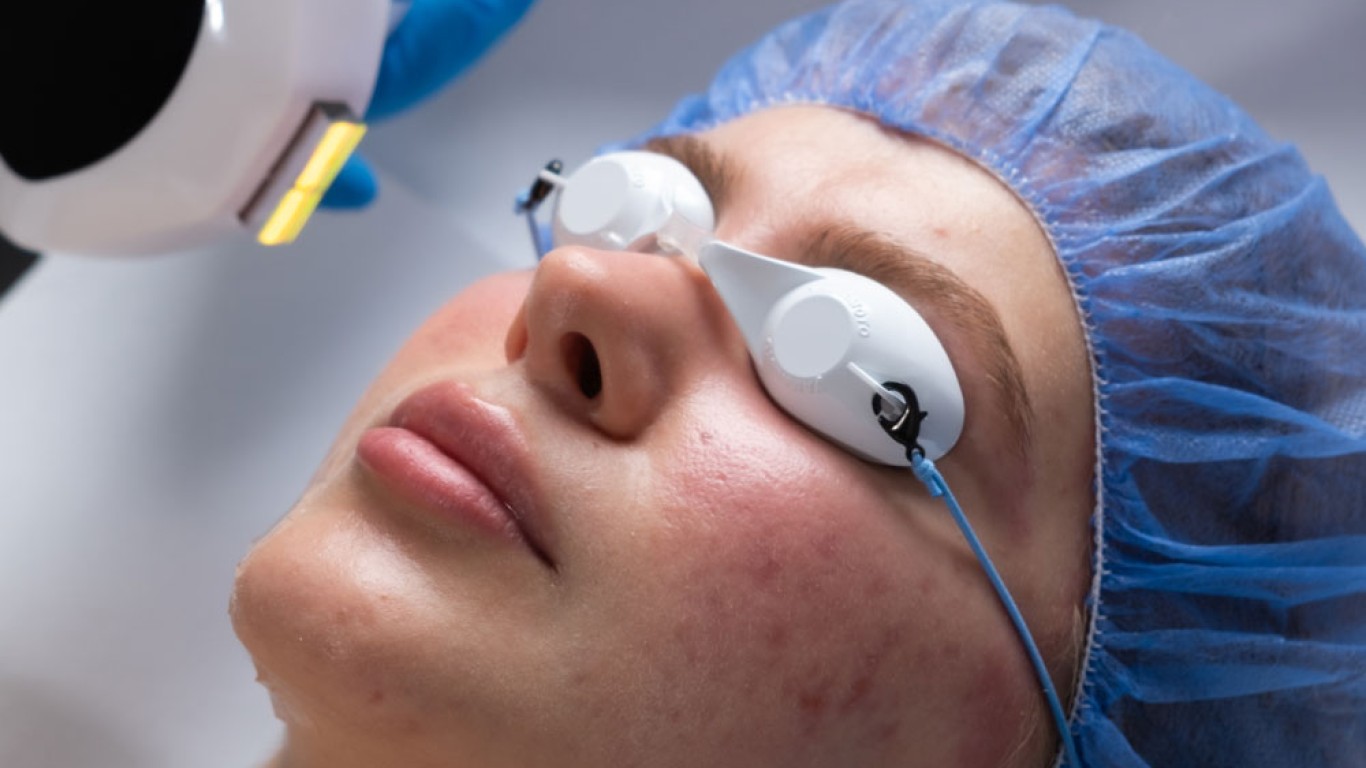
Modern technologies offer non-invasive tightening solutions. Radiofrequency and ultrasound devices stimulate collagen production. These treatments heat deeper tissue layers safely. Skin elasticity after weight loss may improve gradually following sessions. Results develop progressively over several months. Non-surgical methods are suitable for mild to moderate laxity.
Surgical Body Contouring Options
In cases of significant excess skin, surgery may be considered. Procedures such as tummy tuck or body lift remove redundant tissue. Skin elasticity after weight loss may not fully recover naturally in severe cases. Surgical contouring reshapes and tightens affected areas. Comprehensive consultation determines suitability. Structured aftercare supports recovery.
Age and Genetic Influences
Younger skin typically contains higher collagen levels. Genetics also determine elasticity potential. Skin elasticity after weight loss varies based on individual biological factors. Some individuals experience better retraction naturally. Others may require additional intervention. Understanding personal predisposition guides expectations.
Why Many Patients Choose Turkey for Body Refinement
Turkey offers advanced aesthetic treatments and experienced specialists. Comprehensive evaluation supports personalised planning. Skin elasticity is assessed carefully before recommending treatment. Modern facilities provide both non-surgical and surgical options. Structured care pathways enhance confidence and satisfaction.
Collagen Remodelling Timeline After Weight Reduction
Skin does not tighten immediately after fat volume decreases. Collagen remodelling is a gradual biological process. It may take several months for visible improvement to occur. In some cases, subtle tightening continues for up to a year. Skin elasticity after weight loss often improves slowly when weight stabilises. Patience is essential before considering further intervention. Monitoring progress over time helps determine the need for additional treatment.
The Impact of Ageing on Elastic Recovery
Natural ageing reduces collagen production and elastin resilience. After the mid-twenties, collagen synthesis declines gradually each year. This biological change influences how the skin responds to reduced volume. Skin elasticity after weight loss may recover more effectively in younger individuals. Mature skin may show greater laxity due to cumulative structural changes. Age-specific treatment planning improves outcome realism.
Hormonal Influence on Skin Structure
Hormones contribute to skin thickness and firmness. Oestrogen, for example, supports collagen maintenance. Hormonal shifts during menopause may reduce structural density. Thyroid imbalance can also influence tissue quality. Skin elasticity after weight loss may reflect these internal changes. Comprehensive medical evaluation helps identify hormonal contributors. Addressing imbalances may enhance overall skin condition.
Abdominal Laxity After Significant Weight Loss
The abdominal area is commonly affected after substantial weight reduction. The skin may appear stretched or folded due to prolonged expansion. Skin elasticity after weight loss in this region depends on previous weight duration and genetic predisposition. Muscle strengthening can improve underlying support. However, excess skin may require targeted intervention. Structured assessment determines the most suitable approach.
Arm and Thigh Skin Tightening Considerations
Upper arms and inner thighs often develop laxity after weight reduction. These areas experience less natural muscle support. Skin elasticity after weight loss may be slower to improve here. Strength training can enhance contour but may not fully tighten loose tissue. Non-surgical technologies may stimulate collagen in mild cases. Treatment selection should reflect tissue thickness and laxity severity.
Smoking and Its Effect on Elasticity
Smoking significantly affects collagen production and blood flow. Reduced oxygen delivery weakens dermal structure over time. Skin elasticity after weight loss may be compromised in smokers. Nicotine accelerates collagen degradation. Quitting smoking supports better healing and tissue resilience. Lifestyle modification contributes to improved skin recovery.
Hydrotherapy and Circulation Support
Improved circulation can support tissue regeneration. Hydrotherapy techniques, including contrast showers, stimulate blood flow. Massage may encourage lymphatic drainage and reduce mild swelling. Skin elasticity after weight loss benefits indirectly from improved circulation. Enhanced oxygen delivery supports collagen activity. These supportive methods complement other interventions.
The Role of Medical-Grade Collagen Supplements
Some patients consider collagen supplementation to support tissue structure. Hydrolysed collagen peptides are often used for skin health. Scientific evidence varies, but some studies suggest modest improvement. Skin elasticity may benefit when supplementation is combined with balanced nutrition. Vitamin C enhances collagen synthesis effectiveness. Consultation ensures appropriate dosing and realistic expectations.
Sun Exposure and Collagen Breakdown
Ultraviolet radiation accelerates collagen degradation. Excessive sun exposure weakens dermal support over time. Skin elasticity may be further reduced without protection. Daily sunscreen use preserves structural integrity. Limiting UV exposure supports long-term tissue quality. Preventive care protects overall results.
Psychological Adjustment After Body Transformation
Weight loss represents a major life change. Adjusting to new body proportions may take time. Loose skin can affect confidence despite health improvements. Skin elasticity concerns are often both physical and emotional. Supportive counselling may assist adaptation. Addressing psychological wellbeing complements physical refinement.
Timing Body Contouring Decisions
Surgical contouring is often postponed until weight stabilises. Fluctuating weight may alter skin appearance further. Skin elasticity after weight loss should be observed over several months. Stable BMI ensures predictable surgical planning if required. Rushing intervention may lead to premature decisions. Structured follow-up supports appropriate timing.
Overall, managing skin elasticity after weight loss requires patience, realistic expectations and personalised assessment. Biological factors such as age, hormones and lifestyle influence recovery potential. Supportive strategies including strength training, nutrition and circulation improvement enhance natural tightening.
Long-Term Skin Health Maintenance
Maintaining firmness after weight reduction requires ongoing care and consistency. Stable body weight is essential to prevent repeated stretching of tissue. Fluctuations can compromise structural integrity and delay adaptation. Daily moisturisation supports barrier function and improves surface smoothness. Adequate sleep also plays a role in tissue repair and collagen renewal.
Chronic stress may elevate cortisol levels, which can weaken dermal structure over time. Balanced nutrition rich in antioxidants protects against environmental damage. Regular physical activity supports circulation and oxygen delivery to tissues. Professional evaluation every few months helps monitor progress realistically. When necessary, gradual treatment planning can refine contour further. Sustainable habits, rather than short-term fixes, provide the strongest foundation for long-lasting improvement.
Conclusion
Managing skin elasticity requires realistic expectations and personalised strategy. Gradual weight reduction, strength training and proper nutrition support natural recovery. Non-surgical technologies may assist mild laxity, while surgery addresses more significant concerns. With professional assessment and structured care, individuals achieve improved contour and confidence.
For more information and to book a consultation visit the ACIBADEM Beauty Center Webpage.
Frequently Asked Questions
Collagen and elastin fibres may not fully contract.
Yes, muscle building can enhance contour.
They support surface quality but cannot remove excess skin.
No, mild laxity may improve with non-surgical treatments.
Yes, younger skin typically retracts more effectively.