Ataşehir Mah. Feza Sk. No:3 İstanbul / Türkiye
 French
  English
  German
  Spanish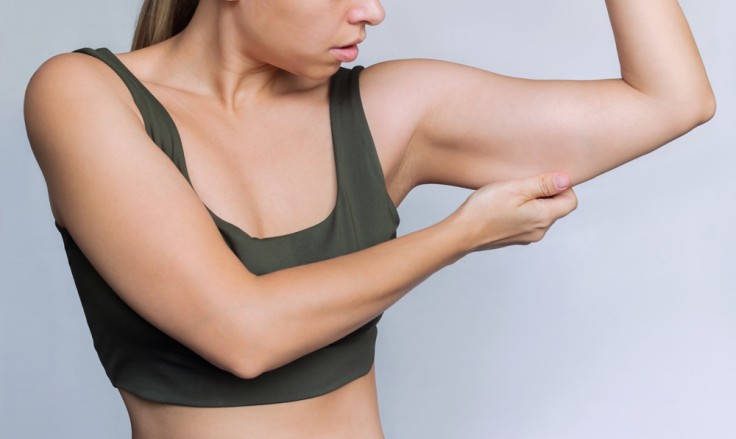
Introduction
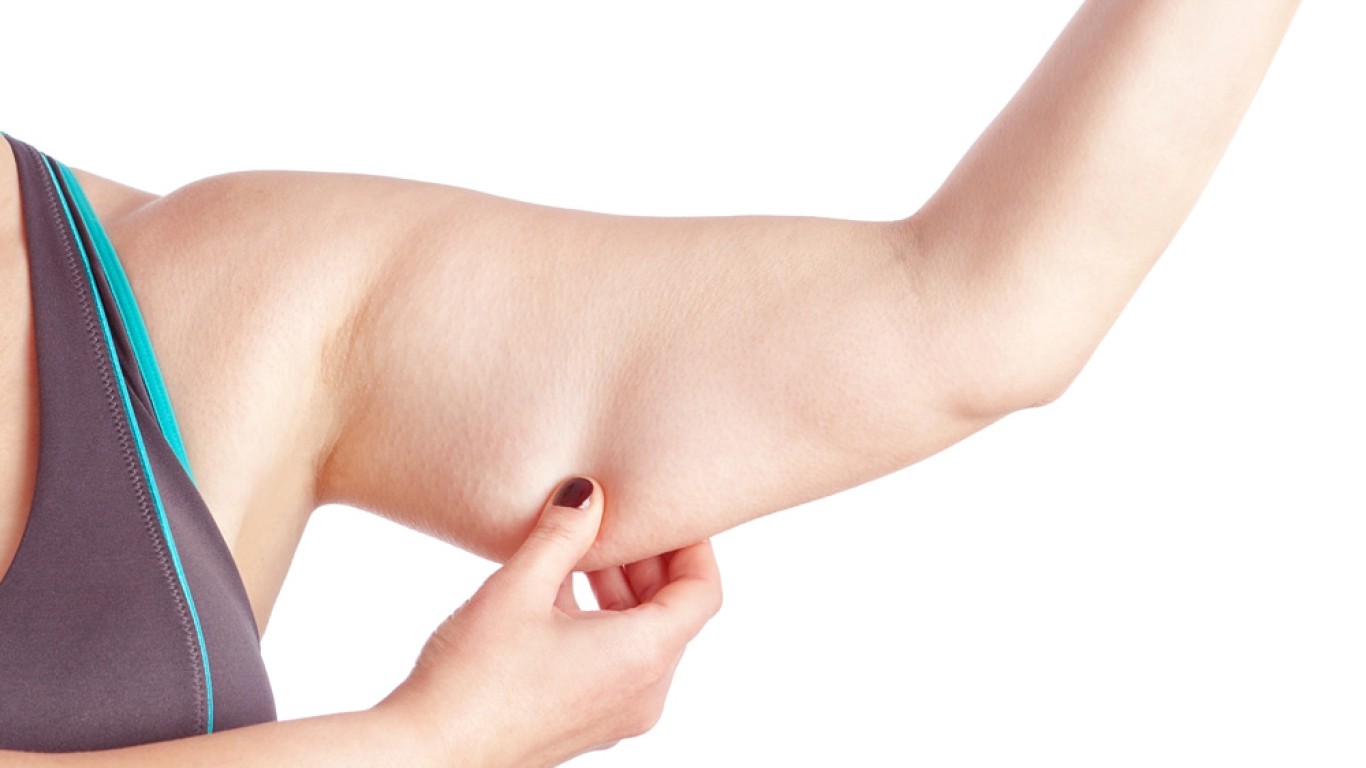
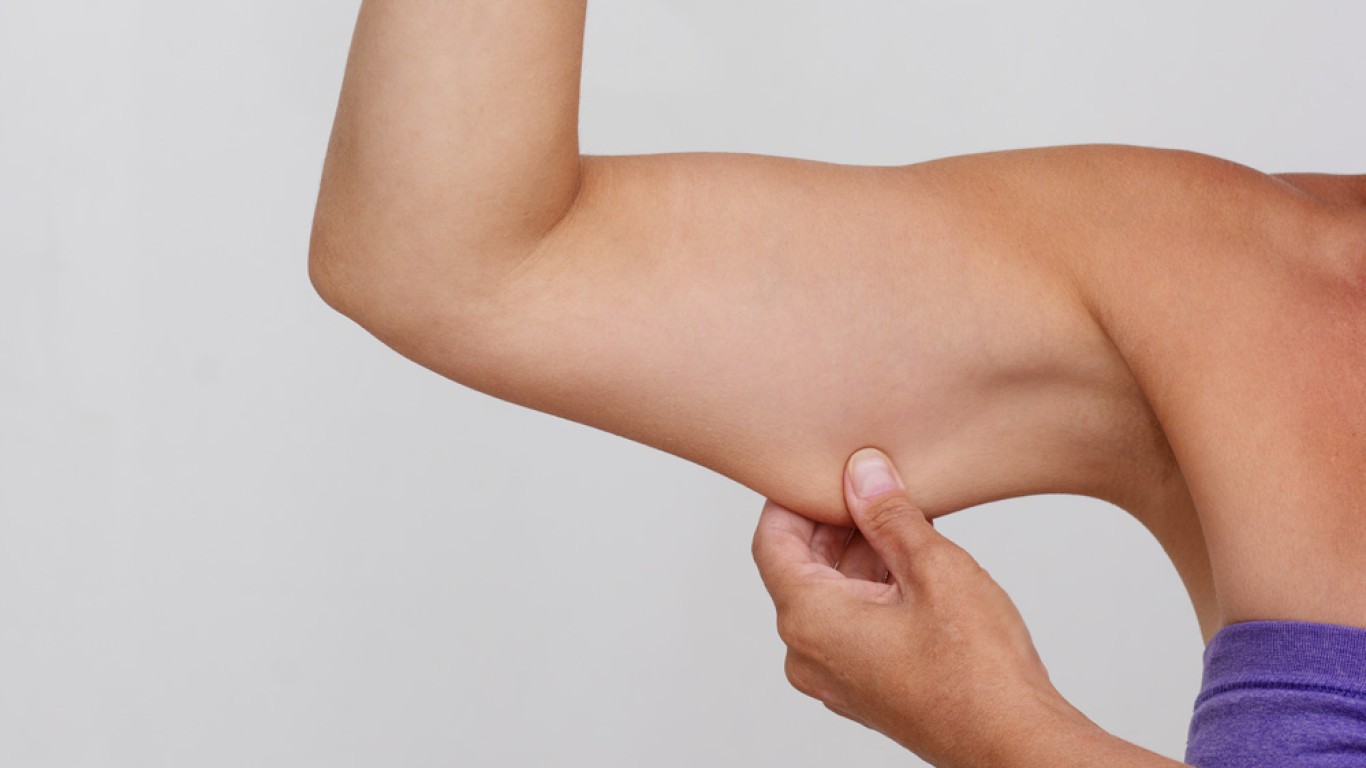
Brachioplasty, commonly known as arm lift surgery, is designed to address loose or excess upper arm skin. While results can be transformative, many patients are particularly concerned about scarring. Understanding brachioplasty scar placement and healing helps set realistic expectations before treatment. Scars are an inevitable part of surgery, yet their location and appearance are carefully considered. Modern techniques focus on discretion and long-term refinement. Healing also follows predictable stages that improve appearance over time. This article explains where scars are placed, how they heal, and what factors influence their final look.
What Determines Brachioplasty Scar Placement?
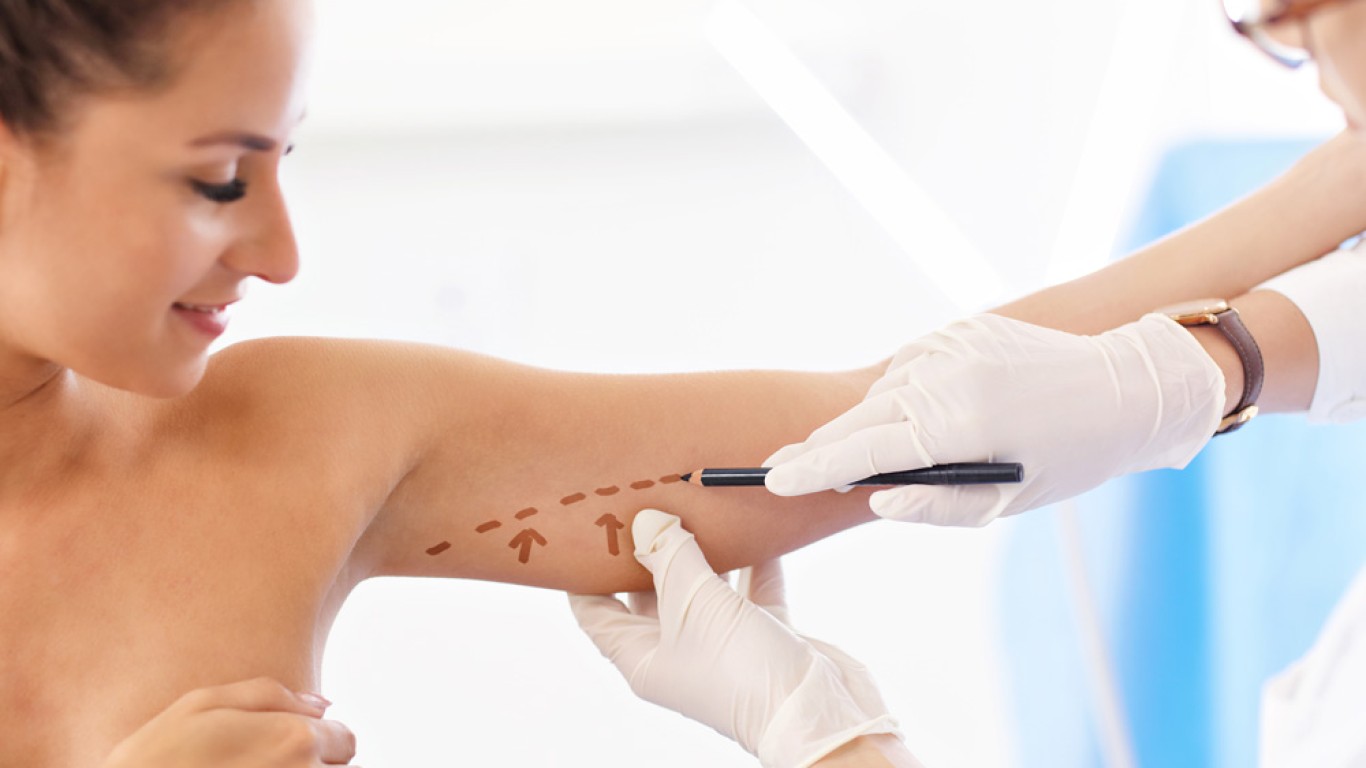
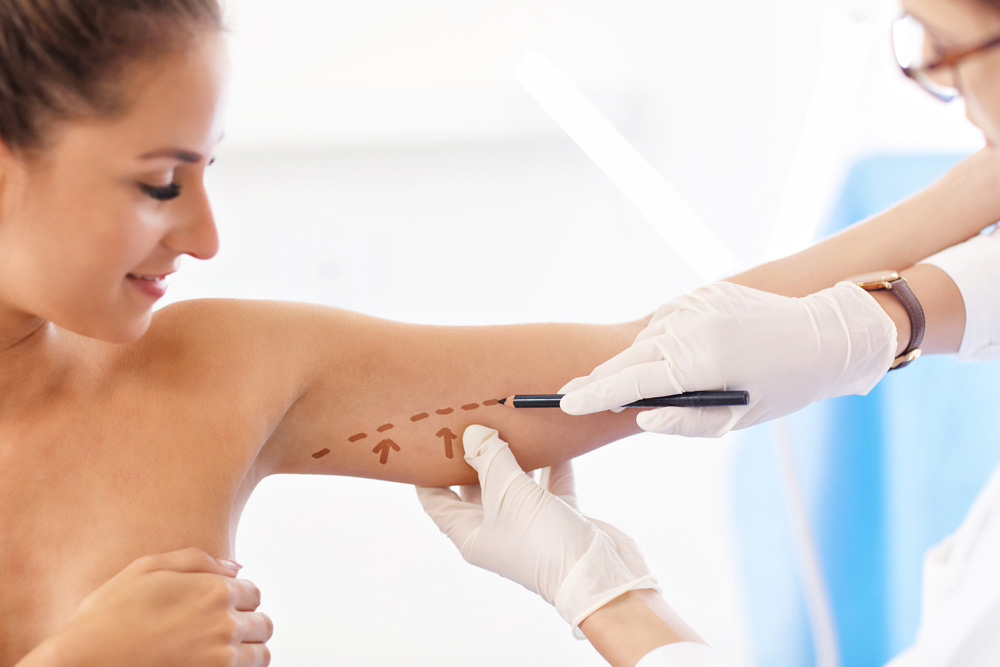
Brachioplasty scar placement depends on the amount and location of excess skin. Mild laxity may allow for shorter incisions, while more extensive looseness requires longer correction. Surgeons assess skin distribution carefully during consultation. The goal is to remove excess tissue while positioning the scar as discreetly as possible. Most commonly, the brachioplasty scar is placed along the inner upper arm. This area is less visible when arms rest naturally at the sides. In some cases, the incision may extend toward the armpit. Placement balances effectiveness with concealment. Individual anatomy guides final decisions.
Brachioplasty Scar Placement: Inner Arm Scars vs Armpit-Based Incisions
Inner arm scars are the most traditional option because they allow surgeons direct access to loose tissue. When the arms are lowered, the scar is partially hidden. This placement suits moderate to significant skin laxity. Armpit-based incisions may be used for limited tightening. These scars remain concealed within natural creases. However, they cannot address extensive looseness along the arm. Surgeons choose placement based on treatment goals. Each option has specific indications.
How Surgeons Minimise Visibility Through Brachioplasty Scar Placement
Modern brachioplasty techniques focus on scar minimisation. Precise incision lines reduce tension on the skin and internal sutures support healing beneath the surface. This helps scars appear finer over time. Surgeons also align incisions with natural arm contours while careful closure techniques improve edge alignment. The brachioplasty scar benefits from these refinements. Planning and technique work together, and scar appearance is considered at every stage.
The Early Healing Phase After Brachioplasty
In the first weeks after surgery, scars appear more noticeable. Redness and firmness are common initially but this is part of the normal healing response. Swelling may also affect the surrounding area. During this phase, proper aftercare is important. Patients follow guidance on arm movement and dressing care. The brachioplasty scar gradually settles as healing progresses. Early appearance does not reflect final results so patience is essential.
Brachioplasty Scar Maturation Over Time
Scar maturation is a gradual process - over several months, scars soften and fade. Colour often changes from red to pink, then lighter tones. Texture becomes smoother with time. The brachioplasty scar typically continues improving for up to a year or more but individual healing responses vary. Genetics and skin type influence this process. Long-term changes are expected. Improvement continues well beyond early recovery.
Factors That Influence Brachioplasty Scar Appearance
Several factors affect how scars heal:
- Skin elasticity and thickness play a role.
- Age can influence collagen production.
- Lifestyle habits may also impact healing quality.
The location of the brachioplasty scar affects visibility as areas with more movement may heal differently. Surgeon technique remains a key factor and following aftercare instructions carefully supports optimal healing. Multiple elements contribute to final appearance.
Arm Movement and Scar Tension
Arm movement influences scar healing significantly. Excessive tension can widen scars so surgeons plan placement to reduce stress during motion. Early movement guidelines help protect incisions. Patients are advised to limit certain activities initially. A careful, gradual return to normal movement supports healing. The brachioplasty scar benefits from controlled motion. Balanced activity prevents unnecessary strain. Proper guidance supports refinement.
How Scar Length Relates to Skin Excess
Scar length is directly related to how much excess skin is present. Greater laxity requires a longer incision to achieve smooth tightening. Shorter scars may not adequately address widespread looseness. Surgeons balance effectiveness with discretion during planning. Patients with mild laxity may qualify for limited-length scars while those with significant weight loss often need extended correction. The brachioplasty scar reflects anatomical necessity rather than preference alone. Understanding this relationship supports realistic expectations. Effective tightening depends on appropriate incision length.
Symmetry Planning and Bilateral Scar Matching
Achieving symmetry is an important part of arm lift surgery. Surgeons carefully plan both arms together rather than individually - this ensures scars sit at matching positions. Visual balance matters greatly in long-term satisfaction. Minor differences between arms are assessed during consultation. Adjustments are made to align scar placement precisely. A well-planned brachioplasty scar appears consistent on both sides. Symmetry supports discretion.
Scar Care During Recovery
Scar care protocols often begin once incisions have healed. These may include topical treatments or massage. Gentle care supports flexibility and comfort. Instructions are personalised. Consistent care helps scars mature evenly. Patients are encouraged to monitor changes. The brachioplasty scar responds gradually to care. Improvement occurs over time. Long-term attention supports better outcomes.
Scar Texture Changes During the Healing Process
Scar texture also changes as healing progresses. Early scars may feel firm or raised but this is part of normal tissue response. Over time, scars soften gradually. As collagen remodels, flexibility improves. Massage techniques may support this process when advised. The brachioplasty scar becomes flatter and smoother with time. Texture improvement often continues beyond colour fading.
Sun Exposure and Scar Pigmentation
Sun exposure can influence scar appearance. Healing scars are more sensitive to pigmentation changes so direct sunlight may darken scars temporarily. Protection is therefore important during recovery. Patients are often advised to keep scars covered initially. Sunscreen may be recommended once healed. The brachioplasty scar benefits from consistent protection. Preventing pigmentation supports even fading. Long-term appearance improves with care.
Emotional Adjustment to Scar Visibility
Adapting to scars is part of the recovery journey. Early visibility can cause concern for some patients. Understanding that appearance improves over time helps reassurance. As contour improvements become more noticeable, focus often shifts away from scars. The brachioplasty scar becomes less prominent both mentally and physically. Acceptance grows gradually. Realistic expectations ease emotional adjustment and confidence will increase as healing progresses.
Clothing Choices and Scar Concealment
During the recovery stage, clothing choices can support comfort and discretion. Loose sleeves reduce friction on healing areas, which protects the scar during early stages. Compression garments may also be recommended. As healing progresses, most clothing styles can be worn comfortably. The brachioplasty scar becomes less noticeable. Patients often feel confident wearing short sleeves eventually. Discretion improves naturally and any lifestyle adjustments are temporary.
Long-Term Expectations for Brachioplasty Scars
It is important to understand long-term expectations. Scars do not disappear completely. However, they typically fade significantly. Placement allows them to remain discreet in daily life. Most patients find the trade-off acceptable. Improved arm contour often outweighs scar concerns. The brachioplasty scar becomes a minor consideration over time. Understanding this balance supports satisfaction. Realistic expectations are key.
Brachioplasty Scar Considerations in Turkey
Patients choosing Turkey for arm lift surgery often seek a balance between effective tightening and thoughtful scar management. Surgeons experienced in brachioplasty pay close attention to incision planning, ensuring scars align with natural arm contours. Decisions are based on skin distribution and movement patterns rather than standard templates. This approach supports discreet, long-term refinement. Leading medical facilities place strong emphasis on preparation and follow-up. Consultations focus on setting clear expectations around scar placement and healing progression. Ongoing guidance helps patients understand each recovery stage. This structured approach contributes to controlled healing and subtle scarring outcomes.
Conclusion
Brachioplasty scar placement is carefully planned to balance effective tightening with discretion. While scars are unavoidable, modern techniques aim to minimise visibility. Healing follows predictable stages, with improvement continuing over time. Individual factors influence final scar appearance, making personalised planning essential. Understanding scar behaviour helps patients approach surgery confidently. With proper care and realistic expectations, most patients are satisfied with both contour and scar outcome.
Interested in exploring brachioplasty and want to learn more? Visit the ACIBADEM Beauty Center brachioplasty page.
Frequently Asked Questions
Most commonly along the inner upper arm, sometimes extending toward the armpit.
Scar maturation can continue for a year or longer.
It usually fades significantly and remains discreet when arms are at rest.
Yes, controlled movement helps prevent excess tension on the scar.
Turkey offers experienced surgeons and structured aesthetic care pathways.