Ataşehir Mah. Feza Sk. No:3 İstanbul / Türkiye
 French
  English
  German
  Spanish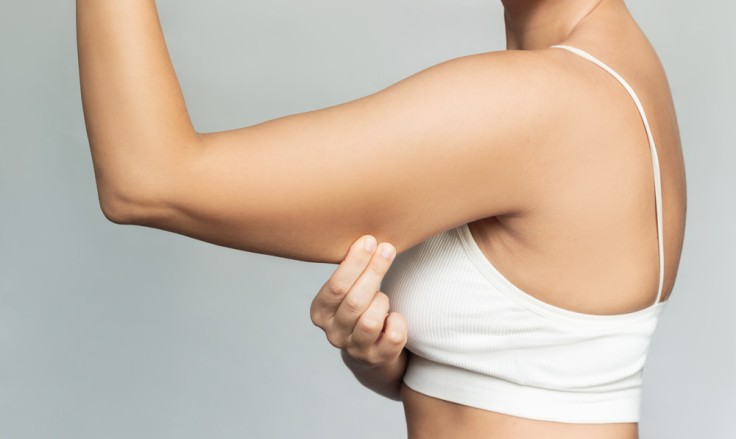
Introduction
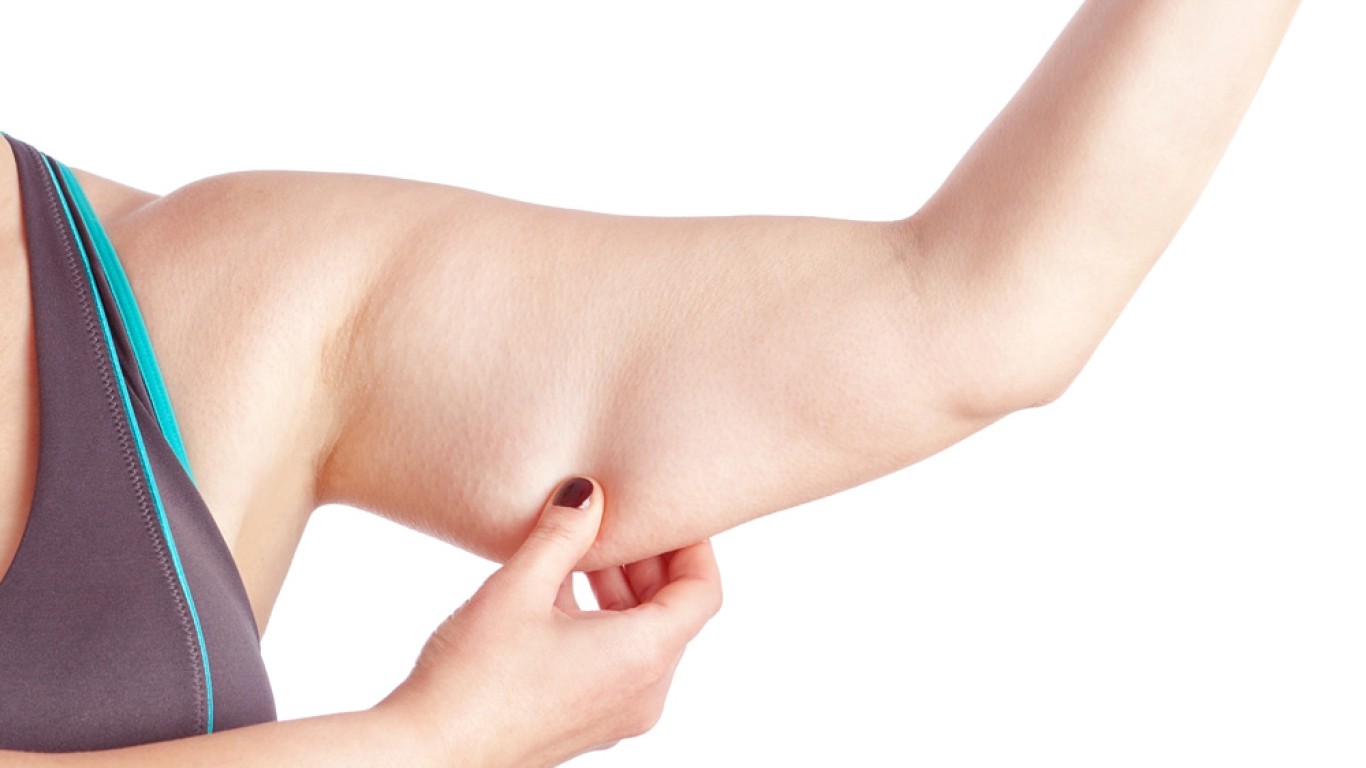
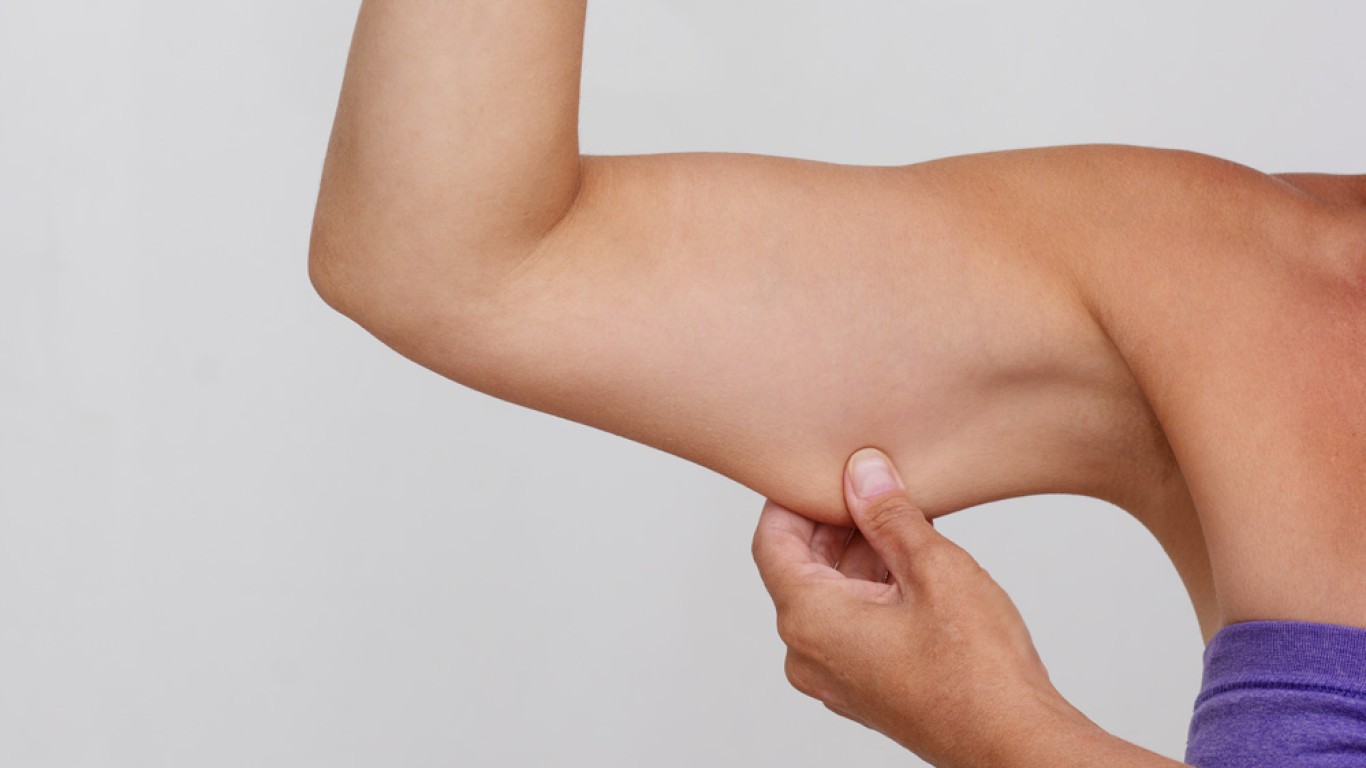
Loose upper arm skin is a common concern for many patients seeking body refinement. Ageing, weight changes and genetics all influence skin elasticity in this area. Traditional arm lift procedures can be effective but often involve visible scarring. As a result, demand has grown for more discreet solutions. Invisible arm lift surgery has emerged as a modern approach focused on subtle tightening - this technique aims to improve contour while keeping scars hidden. Understanding how it works helps patients decide if it suits their goals.
What Invisible Arm Lift Surgery Means
Invisible arm lift surgery refers to techniques designed to minimise visible scarring. Rather than long incisions along the arm, surgeons use shorter or strategically placed incisions. These are often hidden within natural creases or less visible areas. The goal is skin tightening without obvious surgical markers. This approach focuses on refinement rather than dramatic reshaping. Patients seeking discreet improvement often prefer this method. Invisible arm lift surgery prioritises careful planning and precise execution, but the outcome is smoother arm contours with minimal external signs. Discretion defines the technique.
Why Arm Skin Loses Firmness
Upper arm skin relies on collagen and elastin for firmness. Over time, production of these fibres slows and skin becomes thinner and less resilient. Gravity then causes visible sagging. Weight loss can accelerate this process. When fat volume reduces, skin may not retract fully. Genetics also play a role in elasticity. Invisible arm lift surgery addresses these changes directly. Tightening restores a more toned appearance.
How Discreet Tightening Is Achieved via Invisible Arm Lift Surgery
Discreet tightening relies on targeted skin removal and internal support. Surgeons carefully assess where laxity is most noticeable. Small incisions allow access to underlying tissue and excess skin is adjusted without extensive cutting. Invisible arm lift surgery often focuses on the upper inner arm - this area is less visible during daily movement. Internal suturing supports long-term tightening. The technique avoids unnecessary disruption and surgical precision ensures natural results.
Scar Placement and Concealment Strategies
Scar placement is central to this procedure. Surgeons position incisions where they are naturally concealed - common locations include the armpit or inner arm crease. These areas remain hidden when arms rest naturally. Invisible arm lift surgery reduces scar length significantly and smaller scars fade more easily over time. Concealment improves patient confidence because the arm appears refined without obvious surgical signs. Strategic planning supports discretion.
How Internal Suturing Supports Discreet Tightening
Internal suturing plays a key role in invisible arm lift surgery. Rather than relying solely on skin removal, surgeons use deep sutures to support tightened tissue. This helps maintain contour without long external incisions. Internal support distributes tension evenly beneath the skin. This approach reduces strain on the surface layer. As a result, scars remain smaller and less noticeable. Internal suturing also supports long-term shape retention. This procedure benefits from this layered technique.
How Is Invisible Arm Lift Surgery Different From Traditional Arm Lift Surgery?
Traditional arm lift surgery often involves longer incisions that extend along the inner arm. While effective, they can leave visible scars which concerns some patients. The invisible version of the procedure offers a less invasive alternative. It suits mild to moderate skin laxity. Results are more subtle but still effective - patients trade dramatic tightening for discretion. Choice depends on individual priorities.
Skin Thickness and Fat Distribution Considerations
Skin thickness varies between patients and affects tightening strategies. Thicker skin may respond differently to internal support. Fat distribution beneath the skin also influences contour. Surgeons assess both factors carefully. The procedure is adjusted to suit these variations. In some cases, limited fat reduction enhances tightening results while, in others, preserving fat supports smooth contours. Respecting tissue characteristics prevents irregularities. Individual anatomy shapes the approach.
Who Is Best Suited for This Technique?
Ideal candidates typically have moderate skin looseness. Good overall health supports healing. Patients seeking refinement rather than major change benefit most. Skin quality also influences suitability. Invisible arm lift surgery isn’t designed for severe laxity. In such cases, traditional techniques may be recommended. Consultation helps clarify options and personal goals guide decision making. Assessment ensures realistic expectations.
Natural Movement and Appearance After Surgery
Maintaining natural movement is an important goal. Over-tightening can restrict comfort or look unnatural, so surgeons balance tightening with flexibility. This preserves arm function. Invisible arm lift surgery focuses on smooth contours. The arm moves naturally during daily activities. Results blend seamlessly with surrounding tissue and subtle improvement supports confidence. Natural appearance is prioritised.
The Importance of Arm Position During Surgical Planning
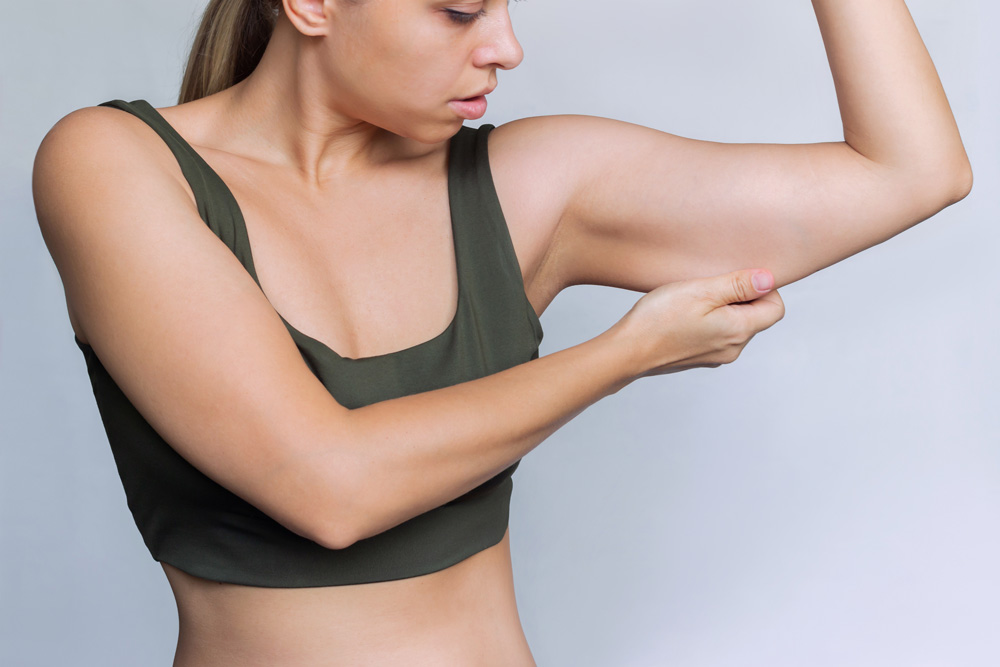
Arm position influences how skin laxity appears. Surgeons assess the arms in multiple positions during consultation. Raising and lowering the arms reveals different tension patterns. This assessment guides incision placement. Invisible arm lift surgery relies on accurate planning based on natural movement. Treating the arm only in one position may lead to uneven results, so dynamic assessment improves precision. Planning around movement supports natural outcomes. Functional anatomy informs technique choice.
Combining Invisible Arm Lift With Other Treatments
Some patients combine arm tightening with other procedures. For example, fat reduction may be performed alongside skin tightening. This enhances overall contour and supports greater harmony. Invisible arm lift surgery can also complement body sculpting. Treating multiple areas improves balance. Surgeons assess timing carefully and it is important to remember that combined approaches reduce total recovery time. Efficiency appeals to many patients.
Recovery and Early Healing Experience
Recovery from this procedure is generally straightforward. Smaller incisions reduce initial discomfort and both swelling and bruising are usually limited. Patients resume light activities gradually. Invisible arm lift surgery often allows quicker return to routines. Compression garments may be recommended initially. Clear aftercare guidance supports healing. Early results become visible as swelling settles.
Long-Sleeve Confidence and Everyday Aesthetics
Many patients seek arm tightening to feel confident wearing fitted sleeves. Loose skin can affect how clothing sits on the arms so subtle tightening improves sleeve fit and silhouette. This benefit is often practical rather than dramatic. Invisible arm lift surgery enhances arm shape without visible scars. Patients feel more comfortable in everyday clothing and confidence improves during routine activities. Discretion supports lifestyle flexibility. Results integrate naturally into daily life.
Why Subtle Results Appeal to Modern Patients
Aesthetic preferences continue shifting toward subtle enhancement. Many patients want refinement rather than transformation - invisible arm lift surgery aligns with this trend. Results appear natural and understated. Patients often prefer improvements that aren’t immediately obvious. Friends may notice a toned appearance without identifying surgery. This discretion appeals to professionals and active individuals. The technique reflects modern aesthetic values where natural refinement defines satisfaction.
Invisible Arm Lift Surgery: Long-Term Appearance and Ageing
Results from arm tightening continue to evolve over time. Skin adapts gradually to its new position, and natural ageing continues but contours remain improved. Weight stability supports longevity. Invisible arm lift surgery is designed to age gracefully. Subtle tightening avoids harsh lines and arms maintain a natural look. Long-term satisfaction reflects realistic planning. Maintenance relies on healthy habits.
The Role of Surgeon Skill and Technique
Surgeon experience greatly influences surgical outcomes. Precision is essential when working through small incisions and an in-depth understanding of arm anatomy supports safe tightening. Skill ensures even results. Invisible arm lift surgery requires refined technique - surgeons must balance access and discretion. Experience reduces irregularities. Careful execution supports symmetry. Expertise defines success.
Invisible Arm Lift Surgery in Turkey
Turkey attracts patients seeking discreet arm contouring due to its specialised aesthetic focus. Clinics performing invisible arm lift surgery prioritise precision-based techniques and careful scar placement. Treatment pathways are designed around individual anatomy rather than standardised approaches. This ensures refinement rather than overt surgical change. Leading medical groups focus on thorough assessment and coordinated care. Consultations explore both aesthetic goals and lifestyle needs. Patients often appreciate the clarity and structure provided throughout treatment. Turkey’s emphasis on technical detail supports subtle, natural-looking arm refinement.
Conclusion
Invisible arm lift surgery offers a discreet solution for tightening loose upper arm skin. By minimising incisions and hiding scars, it delivers subtle yet effective refinement. The technique suits patients seeking natural improvement without visible surgical signs. Precision planning and experienced execution support balanced outcomes. For those prioritising discretion, this approach provides confidence and comfort.
For more information about arm lift surgery, and to book a consultation, visit the ACIBADEM Beauty Center arm lift page.
Frequently Asked Questions
It uses shorter, hidden incisions to minimise visible scarring.
It is best for mild to moderate looseness.
Scars are often hidden in the armpit or inner arm crease.
Yes, the technique preserves natural movement.
Turkey offers experienced surgeons and structured aesthetic care.