Ataşehir Mah. Feza Sk. No:3 İstanbul / Türkiye
 French
  English
  German
  Spanish
Introduction
Dehydration lines on the forehead are a common skin concern across different age groups. These fine lines often appear earlier than deeper wrinkles and can make the skin look tired or textured. Unlike expression lines, dehydration lines are linked to skin moisture levels rather than muscle movement. Environmental factors, lifestyle habits and skin care routines all play a role. Many people confuse these lines with early ageing, which leads to unsuitable treatment choices. Understanding what causes dehydration lines on the forehead skin is the first step toward smoothing them effectively. Targeted care can significantly improve skin appearance when applied consistently.
What Are Dehydration Lines on the Forehead?
Dehydration lines are shallow, fine lines caused by a lack of moisture in the upper skin layers. They sit on the surface rather than forming deep creases. These lines often appear when skin loses water, not volume. As a result, they can look more prominent when the skin barrier is compromised. Dehydration lines on the forehead areas usually appear horizontally and may fluctuate in visibility throughout the day. Skin often looks smoother after hydration and tighter when dry, this temporary nature distinguishes dehydration lines from permanent wrinkles. Recognising this difference helps guide appropriate treatment.
Why the Forehead Is Prone to Dehydration
The forehead is constantly exposed to environmental stressors. Sun exposure, wind, and pollution affect this area directly. Additionally, frequent facial expressions increase moisture loss. These factors make the forehead particularly vulnerable. Sebum production can also be uneven across the face. Some foreheads produce less oil, which weakens the skin barrier. When moisture escapes easily, dehydration lines on the forehead become more visible. Climate changes and indoor heating further worsen dryness, so protection and hydration are essential.
Common Causes of Dehydration Lines on the Forehead
Several factors contribute to dehydrated forehead skin:
- Inadequate water intake reduces overall skin hydration.
- Overuse of harsh cleansers can strip natural oils. This disrupts the skin barrier.
- Lifestyle habits such as excessive caffeine consumption may also contribute.
- Skin care products containing alcohol can increase dryness.
- Long hours in air-conditioned environments worsen moisture loss.
- Together, these elements encourage dehydration lines on the forehead areas.
- Addressing causes is as important as treating symptoms.
How Dehydration Lines On The Forehead Differ From Wrinkles
It’s important to remember that dehydration lines are temporary and surface-level. Wrinkles develop deeper within the skin structure. Wrinkles are often linked to collagen loss and repeated muscle movement. Dehydration lines respond more quickly to hydration-focused treatments. When skin is properly moisturised, dehydration lines on the forehead skin often soften. Wrinkles remain visible despite hydration - this distinction influences treatment choice. Treating dehydration with wrinkle-focused solutions may be ineffective. Correct identification leads to better outcomes.
Daily Skincare Habits That Improve Hydration
Consistent skin care habits play a major role in smoothing dehydration lines. Gentle cleansing preserves natural oils and hydrating toners help replenish moisture immediately after washing. Lightweight serums support water retention. Moisturisers with humectants attract water into the skin and occlusive ingredients help seal hydration. Applying products on slightly damp skin improves absorption. Daily routines can visibly reduce dehydration lines on the forehead skin. Consistency delivers gradual improvement.
The Role of Hyaluronic Acid
Hyaluronic acid is one of the most effective ingredients for dehydrated skin. It holds significant amounts of water within the skin. When applied topically, it plumps surface layers - this smooths fine lines caused by dryness. Products containing hyaluronic acid are particularly helpful for dehydration lines on the forehead. They improve skin texture quickly. Regular use supports lasting hydration while layering it under moisturiser enhances results. Ingredient choice matters greatly.
Professional Treatments for Dehydration Lines
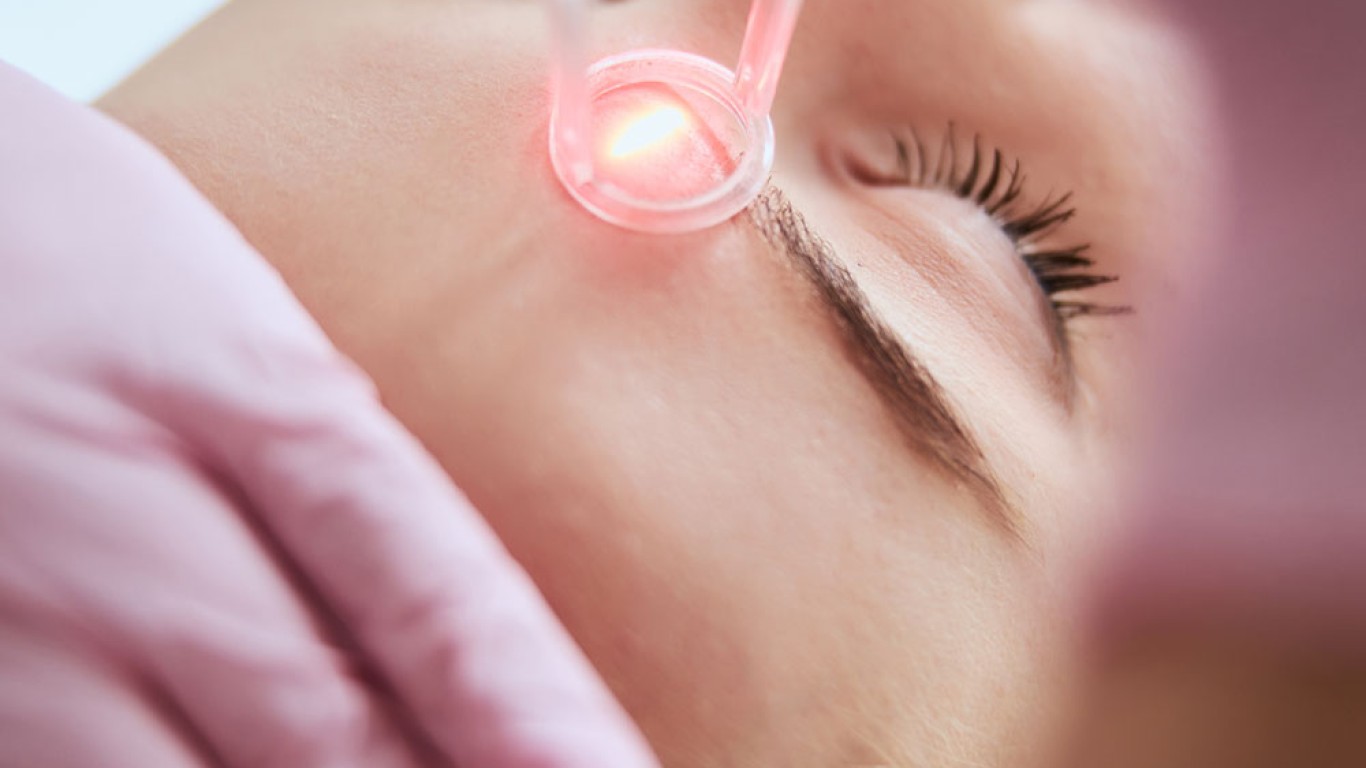
Professional treatments can support skin care efforts when dehydration persists. Skin booster treatments deliver hydration directly into the skin. These treatments improve moisture retention over time. Results appear gradual and natural. Light-based treatments may also enhance skin quality. They stimulate skin renewal without targeting muscle movement. When chosen correctly, professional care helps smooth dehydration lines on the forehead skin. Treatments complement home care routines.
Injectable Hydration and Skin Quality Treatments
Injectable hydration treatments focus on improving skin quality rather than altering expression. They enhance elasticity and moisture balance, which suits surface-level dehydration. When used appropriately, these treatments reduce dehydration lines on the forehead skin subtly. Results develop gradually and the skin appears smoother and more supple. These options suit patients seeking non-dramatic improvement. Personalised planning is essential.
The Impact of Makeup and Cleansing Routines on Forehead Dehydration
Makeup habits can influence moisture levels on the forehead. Heavy foundations may cling to dry patches and highlight fine lines. Inadequate removal at the end of the day can disrupt the skin barrier. This increases transepidermal water loss overnight. Cleansing routines also matter significantly. Over-cleansing strips essential oils that protect hydration. Using lukewarm water and gentle formulas helps maintain balance. When routines are adjusted, dehydration lines on forehead skin often soften. Small changes can produce visible improvement.
Environmental Protection and Forehead Care
Protecting the forehead from environmental stress supports hydration. Daily sun protection prevents moisture loss caused by UV exposure. Lightweight sunscreens preserve skin comfort. Hats also provide physical protection. Pollution can weaken the skin barrier. Antioxidant products help defend against damage. Indoor environments require extra moisturising. These measures prevent dehydration lines on the forehead areas from worsening. Prevention supports treatment success.
Barrier Repair and Its Role in Smoothing Fine Lines
A healthy skin barrier is essential for retaining moisture. When the barrier weakens, water escapes easily - this leads to surface roughness and fine lines. Barrier repair focuses on strengthening the outer skin layer. Ingredients such as ceramides and glycerin support barrier function. These help lock hydration into the skin. When the barrier improves, dehydration lines on forehead areas appear less pronounced. Consistent use supports smoother texture. Repair is a long-term strategy.
The Importance of Internal Hydration
Skin hydration also reflects internal habits. Drinking sufficient water supports overall skin balance. Diets rich in fruits and healthy fats improve moisture retention. Limiting dehydrating substances helps maintain skin quality. While topical products are essential, internal hydration supports their effectiveness. Together, they reduce dehydration lines on the forehead skin more effectively. Balanced habits enhance results. Skin responds holistically to care.
Stress, Sleep, and Forehead Skin Texture
Lifestyle factors also influence skin hydration. Poor sleep can reduce skin repair processes. Stress affects hormonal balance, which may impair moisture retention. These factors often show first on the forehead. Improving sleep quality supports skin renewal overnight while stress management can enhance overall skin condition. While skin care products help, lifestyle adjustments amplify results. Dehydration lines on forehead skin respond to holistic care. Balance supports smoother appearance.
Seasonal Changes and Forehead Dehydration
Seasonal shifts affect skin hydration significantly. Cold weather reduces humidity, leading to dryness, while indoor heating worsens moisture loss. Summer sun exposure also dehydrates skin. Adjusting skincare routines seasonally helps maintain balance. Richer moisturisers may be needed in winter whereas lighter hydration suits warmer months. Responding to seasonal needs prevents dehydration lines on the forehead skin from recurring. Flexibility supports long-term consistency.
Long-Term Maintenance for Smooth Forehead Skin
Maintaining smooth skin requires ongoing care. Hydration-focused routines should continue even when lines improve. Sudden changes in skincare may reverse progress. Gentle consistency yields lasting benefits. Monitoring skin response helps refine routines. Professional guidance may support long-term planning. Dehydration lines on the forehead areas respond well to maintenance. Long-term care preserves results. Prevention becomes easier over time.
Turkish Treatments For Dehydration Lines on the Forehead
Turkey has become a destination for advanced skin quality treatments. Clinics offer hydration-focused therapies tailored to individual skin needs. Forehead dehydration is commonly addressed within comprehensive care plans. Leading healthcare facilities focus on personalised assessment with treatment strategies that combine professional procedures with skincare guidance. Patients benefit from structured follow-up. Turkey’s expertise supports refined skin improvement. Planning prioritises natural results.
Conclusion
Dehydration lines on the forehead are often reversible with the right approach. Understanding their causes helps guide effective treatment. Hydration-focused skin care, lifestyle adjustments, and professional treatments work together. Consistent care smooths surface texture and improves skin quality. By making informed choices, forehead skin can appear smoother and more refreshed.
For more information about tackling forehead dehydration lines, and to book a consultation, visit the ACIBADEM Beauty Center skin treatments page.
Frequently Asked Questions
No, they often improve with proper hydration and skincare.
Yes, they can affect younger and older skin alike.
Yes, hydration significantly softens surface-level dehydration lines.
No, dehydration lines are surface-level and temporary.
It is highly exposed and prone to moisture loss.