Ataşehir Mah. Feza Sk. No:3 İstanbul / Türkiye
 French
  English
  German
  Spanish
Introduction
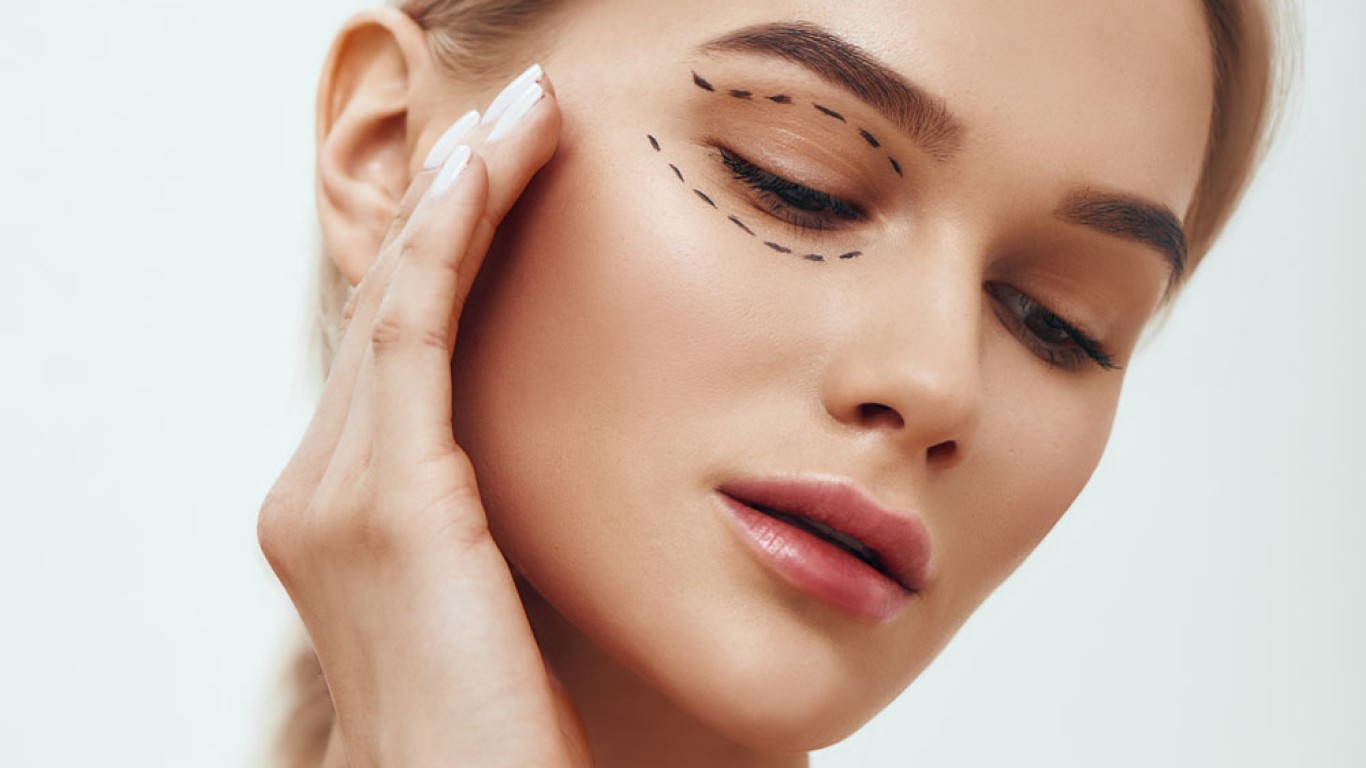
Brow lift surgery rejuvenates the upper face by lifting sagging eyebrows and smoothing the forehead. This procedure has evolved significantly over recent decades. The traditional open coronal brow lift was the standard approach for many years. The newer endoscopic brow lift offers a less invasive alternative through smaller incisions. Endoscopic vs traditional brow lift approaches is a common comparison among patients researching their options. Each technique has specific advantages and considerations. This article compares the two procedures across incision patterns, scarring, recovery and results to support informed decision-making in consultation with a qualified surgeon about forehead rejuvenation.
What Is a Traditional Brow Lift?
A traditional brow lift, also known as the open coronal brow lift, uses a long incision across the top of the head. The incision typically extends from one ear to the other and is hidden within the hairline. Through this large incision, the surgeon directly accesses the forehead tissues. The skin and underlying muscles are lifted, repositioned and tightened. Excess tissue is removed. The technique has been used for many decades with proven results. The procedure typically takes two to three hours under general anaesthesia. Most patients stay overnight in hospital. The traditional brow lift produces dramatic and long-lasting forehead rejuvenation through this comprehensive surgical approach.
What Is an Endoscopic Brow Lift?
An endoscopic brow lift uses minimally invasive techniques with specialised equipment. The surgeon makes three to five small incisions within the hairline. Each incision is typically one centimetre or less in length. A small camera called an endoscope is inserted through one incision. Other small instruments pass through additional incisions. The endoscope provides detailed visualisation of the underlying tissues without requiring a large opening. The procedure typically takes one to two hours under general anaesthesia. Most patients return home the same day. The endoscopic technique represents a significant evolution from traditional open approaches and offers advantages in scarring and recovery for many patients.
Endoscopic vs Traditional Brow Lift: Incision Size
Incision size is one of the most significant differences between the two techniques. The traditional brow lift uses one long incision typically extending from ear to ear across the top of the head. This single incision can be twenty centimetres or longer. The endoscopic brow lift uses several small incisions distributed across the hairline. Each is typically one centimetre or less. The total incision length is much shorter than the traditional approach. The smaller individual incisions of the endoscopic technique reduce tissue trauma. They also provide several entry points for instruments rather than requiring direct visualisation through one large opening.
Endoscopic vs Traditional Brow Lift: Scarring Comparison
Scarring differs between endoscopic vs traditional brow lift approaches. Both techniques place incisions within the hairline for concealment. The traditional brow lift creates a single long scar that hides in the hair after healing. The endoscopic approach creates several smaller scars that are typically less noticeable. Some patients with traditional brow lifts experience visible scar widening over time. The smaller endoscopic incisions are less prone to widening. Hair loss along the incision line can occur with the traditional technique. The endoscopic approach minimises this risk due to the smaller incisions. Patients particularly concerned about scarring often prefer the endoscopic technique for these reasons.

Endoscopic vs Traditional Brow Lift: Hairline Considerations
Hairline impact is another consideration when comparing endoscopic vs traditional brow lift. The traditional brow lift can move the hairline backward as the forehead skin is repositioned. This may not suit patients with high foreheads who do not want further hairline elevation. Hair loss along the long incision can permanently affect appearance. Endoscopic brow lift typically has minimal impact on the hairline. The smaller incisions are less likely to cause noticeable hair loss. The hairline position remains essentially unchanged. Patients with naturally high foreheads or those concerned about hairline preservation typically benefit from the endoscopic approach. Discussion of hairline goals during consultation is important.
Endoscopic vs Traditional Brow Lift: Recovery Time
Recovery differs significantly between endoscopic vs traditional brow lift. Traditional brow lift recovery is more involved due to the larger incision and more extensive tissue dissection. Most patients experience significant swelling and bruising for one to two weeks. Numbness across the scalp is common and may persist for months. Most patients return to social activities within two to three weeks. Endoscopic brow lift recovery is faster. Swelling and bruising are typically less severe due to the smaller incisions. Most patients return to social activities within ten to fourteen days. Numbness is typically less extensive and resolves more quickly. The faster endoscopic recovery appeals to many patients.
Endoscopic vs Traditional Brow Lift: Results from Each Technique
Both techniques produce significant forehead rejuvenation. Traditional brow lifts produce dramatic and comprehensive results. The forehead is lifted noticeably. Frown lines and horizontal creases improve. The brow position is elevated. Some surgeons consider traditional brow lifts to provide the most powerful lifting effect. Endoscopic brow lifts produce comparable results in most patients. The lifting effect is achieved through the same anatomical principles using minimally invasive access. Most modern surgeons can achieve excellent results through endoscopic techniques. The choice between approaches depends on individual anatomy, hairline considerations and surgeon expertise rather than fundamental result quality differences in most cases.
Endoscopic vs Traditional Brow Lift: Longevity of Results
Longevity is similar between the two techniques in most patients. Both approaches produce results that typically last seven to ten years or longer. Some patients enjoy benefits for fifteen years or more. The natural ageing process continues regardless of the technique used. Lifestyle factors including sun protection and skincare affect how long results last. Both procedures address the underlying causes of brow descent through similar anatomical principles. The longevity of results from endoscopic vs traditional brow lift approaches is generally comparable. Maintenance treatments such as botulinum toxin can extend the benefits of either procedure between major interventions.
Endoscopic vs Traditional Brow Lift: Suitable Candidates
When exploring endoscopic vs traditional brow lifts, remember that different patients suit different approaches. The traditional brow lift suits patients with very significant forehead concerns and substantial laxity. Some surgeons prefer it for patients requiring the most powerful correction. Patients with low hairlines who do not mind some elevation may be candidates. The endoscopic brow lift suits most patients seeking forehead rejuvenation today. Those concerned about scarring particularly benefit. Patients with high hairlines benefit from minimal hairline impact. Those seeking faster recovery prefer the endoscopic approach. The surgeon evaluates each patient's individual anatomy and goals during consultation. Most modern brow lift patients are good candidates for endoscopic techniques.
Choosing Between the Two Techniques
Choosing between the techniques involves several considerations. Surgeon experience and expertise in the chosen technique is the most important factor. Most modern surgeons specialise in endoscopic approaches. Personal preferences about scarring and hairline impact matter. Recovery time considerations influence the decision. The degree of correction needed plays a role in some cases. Both options can produce excellent forehead rejuvenation. Professional consultation provides personalised guidance. The surgeon evaluates anatomy, goals and lifestyle to recommend the most appropriate approach. Most patients today benefit from the endoscopic technique due to its advantages in scarring, recovery and hairline preservation while achieving comparable results.
Conclusion
Endoscopic vs traditional brow lift approaches represents the evolution of forehead rejuvenation surgery. The traditional brow lift uses a long single incision and produces dramatic results through direct surgical access. The endoscopic technique uses several small incisions for similar results with less scarring, faster recovery and minimal hairline impact. Most modern surgeons favour the endoscopic approach for the majority of patients. The choice depends on individual anatomy, surgeon expertise and personal preferences. Both techniques can produce excellent outcomes when performed by experienced specialists. Professional consultation ensures the most appropriate approach is selected for each patient seeking upper face rejuvenation.
To book a consultation and discuss endoscopic vs traditional brow lifts, visit the ACIBADEM Beauty Center website.
Frequently Asked Questions
Traditional uses one long incision while endoscopic uses several small ones.
The endoscopic technique creates smaller and less noticeable scars.
The endoscopic brow lift typically involves significantly faster recovery.
Yes, both techniques produce comparable forehead rejuvenation in most patients.
The endoscopic technique is favoured by most modern brow lift surgeons.