Ataşehir Mah. Feza Sk. No:3 İstanbul / Türkiye
 French
  English
  German
  Spanish
Introduction
Astigmatism is one of the most common refractive errors affecting vision worldwide. It occurs when the cornea has an irregular shape, causing blurred or distorted vision at all distances. Many individuals with astigmatism rely on glasses or contact lenses for daily activities. As laser eye surgery has advanced, a common question has emerged. Many patients ask whether LASIK can fix astigmatism effectively and permanently. The answer is yes for the majority of patients with mild to moderate astigmatism. Understanding how the procedure works and who qualifies helps patients make informed decisions about their vision correction options.
What Is Astigmatism?
Astigmatism occurs when the cornea is shaped more like a rugby ball than a sphere. This irregular curvature causes light to focus on multiple points. Rather than a single point on the retina. The result is blurred or distorted vision. Astigmatism can occur alongside short-sightedness or long-sightedness. It is a very common condition that affects millions of people. Many individuals are born with mild astigmatism that may worsen slightly over time. Understanding how patients use LASIK to fix astigmatism begins with recognising that the procedure reshapes the cornea to correct this irregular curvature.
How LASIK Can Fix Astigmatism
LASIK corrects astigmatism by reshaping the cornea to create a more uniform curvature. A thin flap is created in the outer corneal layer using a precise laser. The flap is lifted to expose the underlying tissue. An excimer laser then removes microscopic amounts of corneal tissue in a customised pattern. This reshaping corrects the irregular curvature that causes astigmatism. The flap is repositioned and heals naturally without stitches. This demonstrates how LASIK to fix astigmatism addresses the root cause of the refractive error. Patients considering LASIK fix astigmatism concerns by learning how this reshaping works. This is because the technology addresses the root cause of the refractive error.
Can LASIK Fix Astigmatism of All Severities?
The question of whether LASIK fixes astigmatism effectively arises often. It works in most cases, but the degree of correction depends on severity. Mild to moderate astigmatism responds very well to LASIK treatment. Most surgeons treat astigmatism up to approximately four to six dioptres using standard LASIK techniques. Higher levels of astigmatism may require alternative procedures or a combined approach. Very severe cases may be better suited to implantable lens options. A comprehensive eye examination determines whether LASIK fix astigmatism treatment is effective for each patient. Pre-operative assessment measures the exact degree and axis of the astigmatism to plan precise correction.
How Does LASIK Fix Astigmatism During the Procedure?
The procedure for correcting astigmatism follows the same steps as standard LASIK. The entire process takes approximately ten to fifteen minutes per eye. Numbing drops are applied to ensure comfort. A femtosecond laser creates the corneal flap with high precision. The excimer laser then reshapes the corneal tissue according to the customised treatment plan. The reshaping pattern differs from standard short-sightedness correction because it must address the asymmetric curvature. Surgeons performing LASIK fix astigmatism during the same session as other refractive corrections. Many patients have astigmatism combined with short-sightedness, and both are treated simultaneously.
Recovery After Using LASIK Fix Astigmatism Treatment
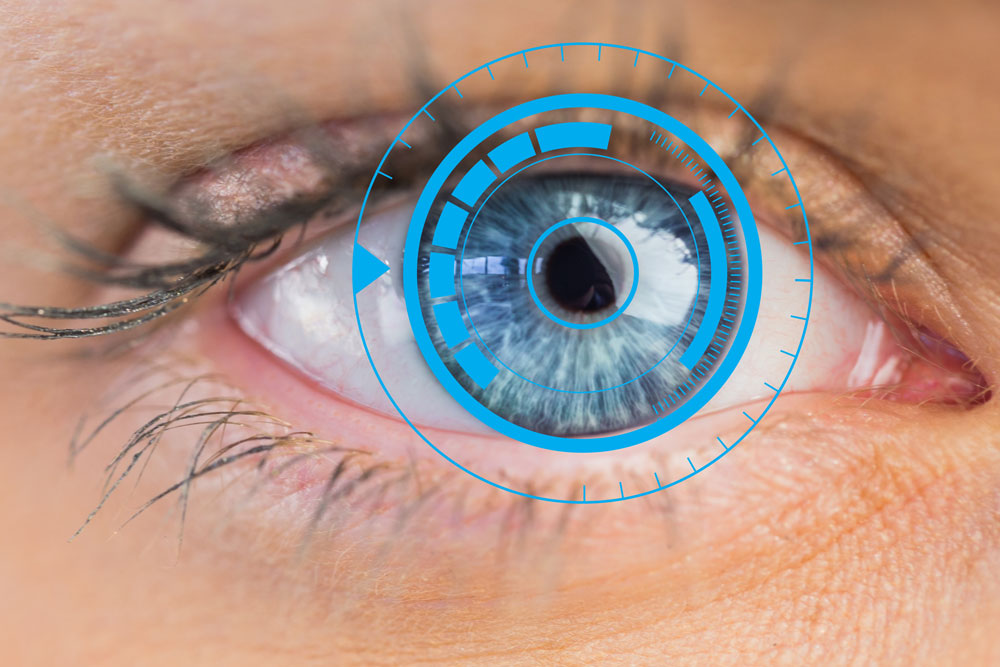
Recovery after LASIK for astigmatism follows the same timeline as standard LASIK. Most patients notice significantly improved vision within hours of the procedure. Mild dryness or slight blurriness may occur during the first day. Vision typically stabilises within a few days for the majority of patients. Eye drops are prescribed to manage dryness and support healing. Patients should avoid rubbing their eyes during the first week. Most individuals return to work within one to two days. Patients who choose LASIK can fix astigmatism concerns. They can enjoy remarkably fast visual recovery for most patients.
Success Rates for LASIK and Astigmatism
LASIK has high success rates for correcting astigmatism. Studies show that the vast majority of patients achieve significantly improved vision after the procedure. Many patients no longer need glasses or contact lenses for daily activities. Studies confirm that LASIK fix astigmatism with predictable, reliable outcomes when performed by experienced surgeons. The precision of modern excimer lasers supports accurate reshaping of the corneal surface. Individual results depend on the degree of astigmatism and overall eye health. Realistic expectations are discussed during the consultation process.
Who Is a Good Candidate?
Not every patient with astigmatism is suitable for LASIK. Ideal candidates meet several criteria:
• Stable vision prescription for at least twelve months before surgery.
• Sufficient corneal thickness to allow safe reshaping.
• Mild to moderate astigmatism within the treatable range.
• Good general eye health with no active infections or conditions.
• Realistic expectations about achievable visual outcomes.
A detailed pre-operative examination determines suitability. Patients exploring LASIK fix astigmatism options find that detailed assessment provides clarity and confidence.
Can LASIK Fix Astigmatism Better Than Other Treatments?
LASIK is not the only option for correcting astigmatism. PRK is an alternative that avoids creating a corneal flap. It may suit patients with thinner corneas. Implantable contact lenses can correct higher levels of astigmatism that exceed LASIK limits. Toric intraocular lenses are another option for patients with cataracts and astigmatism. Choosing LASIK fix astigmatism treatment is most efficient for patients within the suitable prescription range. The choice of procedure depends on individual eye anatomy and the degree of correction required.
Does LASIK Fix Astigmatism Permanently?
LASIK produces permanent structural changes to the cornea. The reshaping corrects the irregular curvature at a physical level. For the majority of patients, the correction is lasting. Results from LASIK astigmatism procedures remain stable for many years. However, natural age-related changes may affect vision over time. Presbyopia, which affects near vision, typically develops in the mid-forties regardless of LASIK. Some patients may eventually need reading glasses for close work. Enhancement procedures are available if minor adjustments are needed years after the original surgery.
The Consultation Process
A thorough consultation is essential before LASIK for astigmatism. The eye specialist conducts a comprehensive examination including corneal mapping and thickness measurements. The degree and axis of astigmatism are measured precisely. Pupil size and tear film quality are assessed. These tests determine whether LASIK can fix astigmatism safely for each patient. The surgeon discusses expected outcomes and any limitations during this appointment. Open communication helps patients set realistic goals and make confident decisions about their vision correction.
Why 2026 Is a Popular Time for LASIK
Advances in laser technology continue to improve LASIK precision and outcomes. Modern excimer lasers offer highly customised treatment profiles for astigmatism correction. Eye-tracking systems ensure accuracy even during minor eye movements. Diagnostic technology provides detailed corneal mapping that supports precise surgical planning. These developments make 2026 an increasingly popular time for patients to explore whether LASIK fix astigmatism concerns permanently. The precision of current systems supports this confidence. Modern systems deliver more accurate corrections than ever before.
Can LASIK Fix Astigmatism in Every Patient?
The consultation provides a detailed assessment of each patient's suitability for LASIK fix astigmatism treatment. Corneal topography maps the exact curvature of the eye. Pachymetry measures corneal thickness. Wavefront analysis identifies subtle irregularities that standard tests may miss. These measurements inform the customised treatment plan. Patients receive a clear explanation of expected outcomes and any limitations. The consultation also addresses questions about the procedure, recovery and long-term expectations. Thorough pre-operative planning is essential for achieving the best visual outcomes.
Life After LASIK Fix Astigmatism Treatment
Many patients describe life after successful LASIK astigmatism treatment as transformative. Activities such as driving, reading and using screens feel easier without dependence on corrective eyewear. Morning routines become simpler without the need for glasses or contact lenses. Sports and physical activities are more comfortable without visual aids. The freedom from corrective lenses is one of the most valued benefits reported by patients. Regular check-ups after surgery help monitor long-term eye health and ensure the correction remains stable.
Conclusion
The evidence confirms that LASIK astigmatism is effective for the majority of patients with mild to moderate irregular corneal curvature. The procedure reshapes the cornea to create a more uniform surface that focuses light correctly. Recovery is fast with most patients seeing clearly within days. Success rates are high when performed by experienced surgeons using modern technology. A comprehensive consultation determines individual suitability. Understanding how LASIK addresses astigmatism helps patients make informed decisions about their vision correction.
For more information and to book a consultation visit the ACIBADEM Beauty Center Laser Eye Surgery page.
Frequently Asked Questions
Yes, LASIK effectively corrects mild to moderate astigmatism.
Yes, LASIK produces permanent structural changes to the cornea.
Most patients see clearly within one to two days.
Very high levels may require alternative procedures.
No, numbing drops ensure comfort during the procedure.