Ataşehir Mah. Feza Sk. No:3 İstanbul / Türkiye
 French
  English
  German
  Spanish
Astigmatism affects vision clarity, making everyday tasks more challenging. Thankfully, modern laser technology offers precise correction options. Among these, SMILE Pro eye surgery stands out for its advanced precision, comfort, and quick recovery. This innovative method is reshaping how astigmatism is treated, providing patients with sharper, more stable vision and lasting confidence.
Understanding Astigmatism and Its Effects
Astigmatism occurs when the cornea or lens has an irregular shape. Because of this uneven curve, light focuses unevenly on the retina. The result is blurred or distorted vision at all distances. Common symptoms include eyestrain, headaches, and difficulty seeing clearly, especially at night. Previously, patients relied mainly on glasses or contact lenses for correction. However, many now choose SMILE Pro eye surgery for a permanent and precise solution.
How SMILE Pro Eye Surgery Works
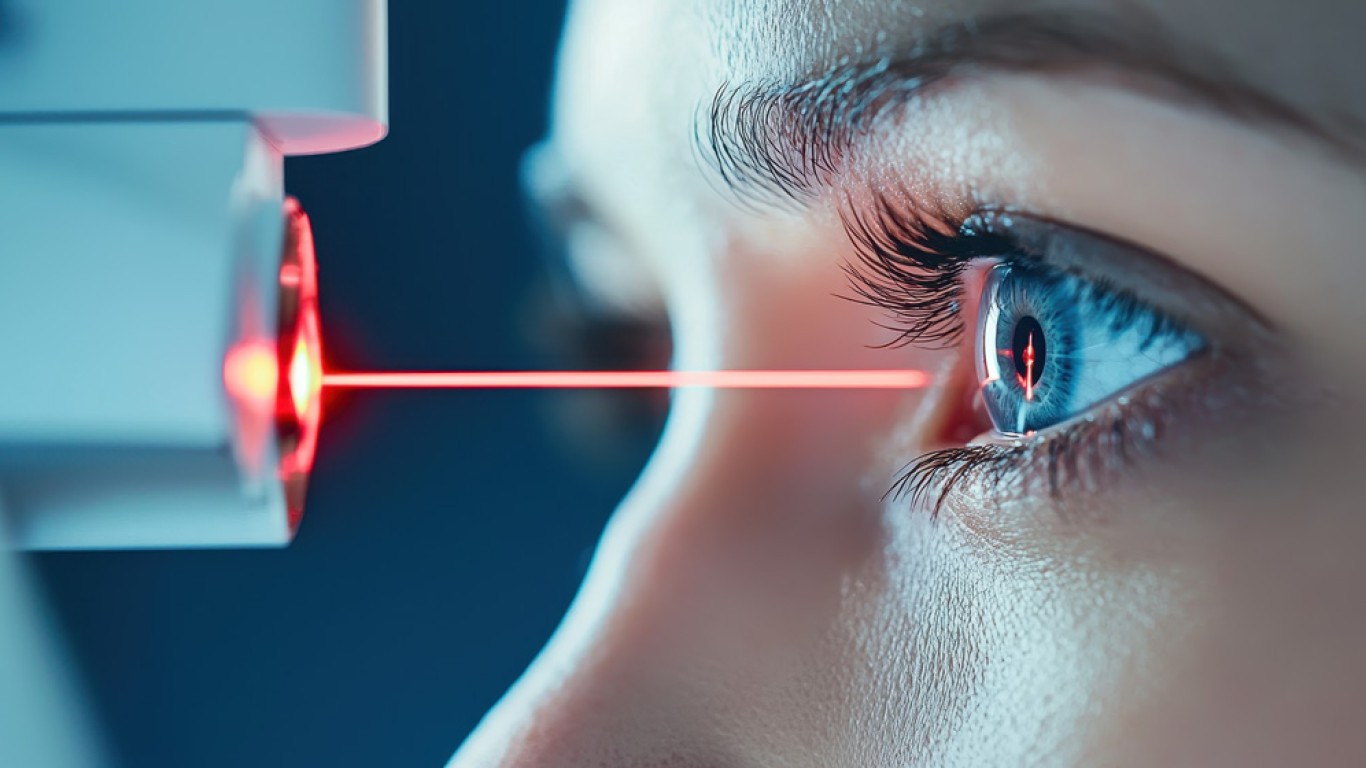
This eye surgery is a minimally invasive laser technique. It reshapes the cornea to correct refractive errors. During the procedure, a femtosecond laser creates a small disc-shaped section within the cornea. This tiny piece, called a lenticule, is then removed through a minimal incision. The removal alters corneal curvature, improving how light enters the eye. Unlike traditional LASIK, there is no need for a large corneal flap. This difference significantly reduces healing time and enhances comfort.
Additionally, this eye surgery uses next-generation laser technology, offering unparalleled precision. Because of its advanced imaging and real-time tracking, surgeons can customise each individual step. Patients benefit from stable outcomes, smoother recovery, and reduced dryness.
Why Choose SMILE Pro Eye Surgery for Astigmatism
Patients with astigmatism often seek long-term visual stability and reduced dependence on lenses. SMILE Pro eye surgery delivers both effectively. Firstly, it maintains the cornea’s natural strength, as only a tiny incision is made. Secondly, it minimises post-surgery irritation, which helps patients return to daily activities faster. Thirdly, it offers greater comfort compared to older methods.
Another key reason is predictability. Because the laser operates with incredible accuracy, outcomes are consistent and safe. Additionally, since fewer nerves are disrupted, patients experience less dryness than with other procedures. The benefits make this surgery an appealing choice. Especially for those who desire precision, comfort, and stability.
Recovery and Aftercare
Recovery from this eye surgery is typically swift and smooth. Most patients notice improved vision within a day or two. While mild sensitivity may occur, it usually resolves quickly. Patients can resume normal activities within a few days, including working and light exercise. Because there is no large corneal flap, the healing process is simpler and safer.
Aftercare includes using prescribed eye drops to prevent dryness or infection. Regular check-ups ensure proper healing and stable results. During recovery, it’s important to avoid rubbing the eyes. Patients need to protect them from dust or water exposure. Patients usually find the process far easier than expected. This is thanks to the minimally invasive nature of SMILE Pro eye surgery.
Comparing The Procedure with Other Laser Methods
When compared to LASIK or PRK, SMILE Pro eye surgery provides notable advantages. LASIK involves creating a larger flap, while PRK removes surface tissue before reshaping the cornea. Both can cause temporary discomfort or dryness. SMILE Pro, in contrast, uses a small incision and preserves more corneal tissue. This results in faster recovery and fewer complications.
Because the SMILE Pro eye surgery laser used is highly advanced, it offers unmatched stability. It’s also ideal for patients with moderate astigmatism or thinner corneas. While each method has strengths, SMILE Pro often achieves excellent visual clarity with greater comfort.
Long-Term Results and Patient Satisfaction
Patients report high satisfaction rates after undergoing SMILE Pro eye surgery. Vision improvements are immediate, and results remain stable over time. Studies show that the majority achieve 20/20 vision or better after treatment. Additionally, the minimal incision technique ensures long-term corneal strength and lower risk of regression.
Astigmatism correction with SMILE Pro eye surgery not only enhances vision but also boosts confidence. Reading, driving, and screen use become noticeably clearer. The long-term reliability of this method makes it one of the most trusted modern solutions.
Future Innovations in SMILE Pro Eye Surgery
As technology continues evolving, SMILE Pro eye surgery is expected to advance even further. Future versions aim to treat higher degrees of astigmatism and improve visual outcomes. Additionally, research focuses on enhanced laser precision and faster healing times. Surgeons also predict broader applications for other refractive errors, allowing even more patients to benefit. Undoubtedly, the future of vision correction lies in continuous innovation. SMILE Pro eye surgery remains at the forefront of this progress.
Conclusion
SMILE Pro eye surgery represents a new era in laser vision correction. It combines comfort, precision, and long-term visual stability, making it ideal for astigmatism treatment. Patients appreciate its minimally invasive design, fast recovery, and consistent outcomes. If you’re considering laser eye correction, this technique provides a safe, effective, and lasting option.
For more information and to book a consultation visit the ACIBADEM Beauty Center Laser Eye Surgery webpage.
Frequently Asked Questions
SMILE Pro uses a smaller incision, maintaining corneal strength and offering quicker recovery.
Most patients experience significant vision improvement within 24 to 48 hours.
It’s ideal for mild to moderate astigmatism. Your surgeon will confirm suitability during consultation.
Yes, both eyes are typically treated in a single session for convenience and balanced recovery.
Results are long-lasting, with most patients enjoying clear, stable vision for many years.