Ataşehir Mah. Feza Sk. No:3 İstanbul / Türkiye
 English
  German
  Spanish
Introduction
Cellulite affects the vast majority of women. The dimpled skin texture appears on the thighs, buttocks and hips. It is a cosmetic concern rather than a health issue. Countless products and treatments claim to reduce cellulite. The range of treatment options can feel overwhelming. Some are available at home. Others require professional clinic sessions. Understanding which approaches actually work helps patients invest wisely. This article compares home-based and clinical cellulite treatment options based on available evidence and realistic expectations.
What Causes Cellulite?
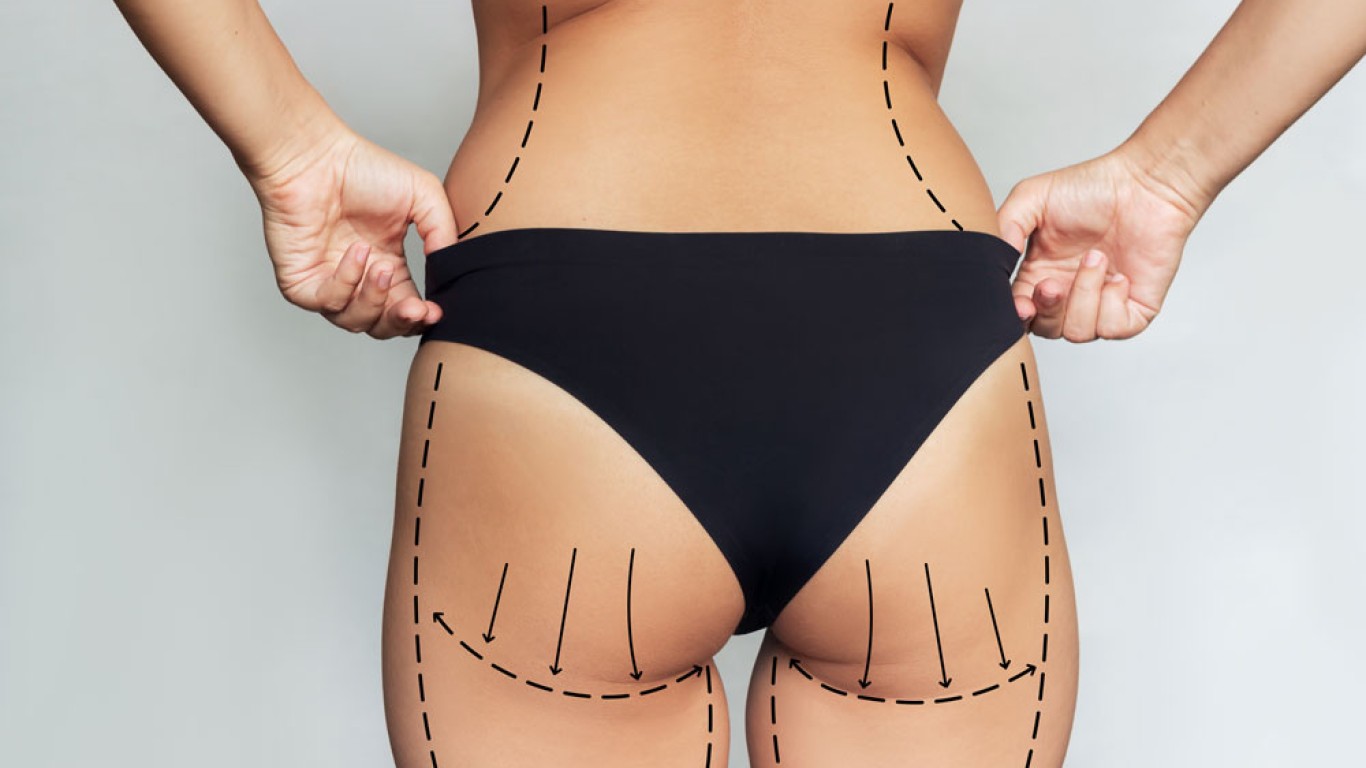
Understanding the cause helps evaluate treatment options. Cellulite results from the interaction between fat, connective tissue and skin. Fat cells push upward against the skin. Fibrous connective bands pull the skin downward. This creates the dimpled surface texture. Hormones influence fat distribution and skin quality. Genetics determine connective tissue structure. Age reduces skin thickness and elasticity. Weight affects fat volume beneath the skin. However, cellulite affects women at all weights. Slim patients can have visible cellulite. The condition is structural. It is not simply caused by excess fat. Effective cellulite treatment options must address the connective tissue, fat and skin components. Approaches targeting only one element produce limited results.
Home-Based Cellulite Treatment Options
Several home approaches are marketed for cellulite reduction. Dry brushing stimulates circulation and lymphatic drainage. It may temporarily improve skin texture. The effect is short lived. Topical creams containing caffeine, retinol or aminophylline are widely available. Caffeine temporarily tightens the skin by causing water loss from fat cells. The effect reverses once the product wears off. Treatment options using topical retinol may improve skin thickness over months of consistent use. Thicker skin reduces dimple visibility slightly. Massage devices and rollers claim to break down fat and improve circulation. Manual massage temporarily improves fluid distribution. The dimpled appearance may reduce for several hours. Self-tanning products disguise cellulite visually. They do not treat the underlying condition. Home cellulite treatment options provide temporary cosmetic improvement at best. None address the structural causes permanently.
Clinical Cellulite Treatment Options
Professional treatments target cellulite more effectively than home approaches.
| Feature | Home Treatments | Clinic Treatments |
| Effectiveness | Mild | Moderate to significant |
| Cost per use | Low | Higher |
| Downtime | None | None to minimal |
| Evidence base | Limited | Moderate to strong |
| Results duration | Temporary | Longer lasting |
| Professional supervision | No | Yes |
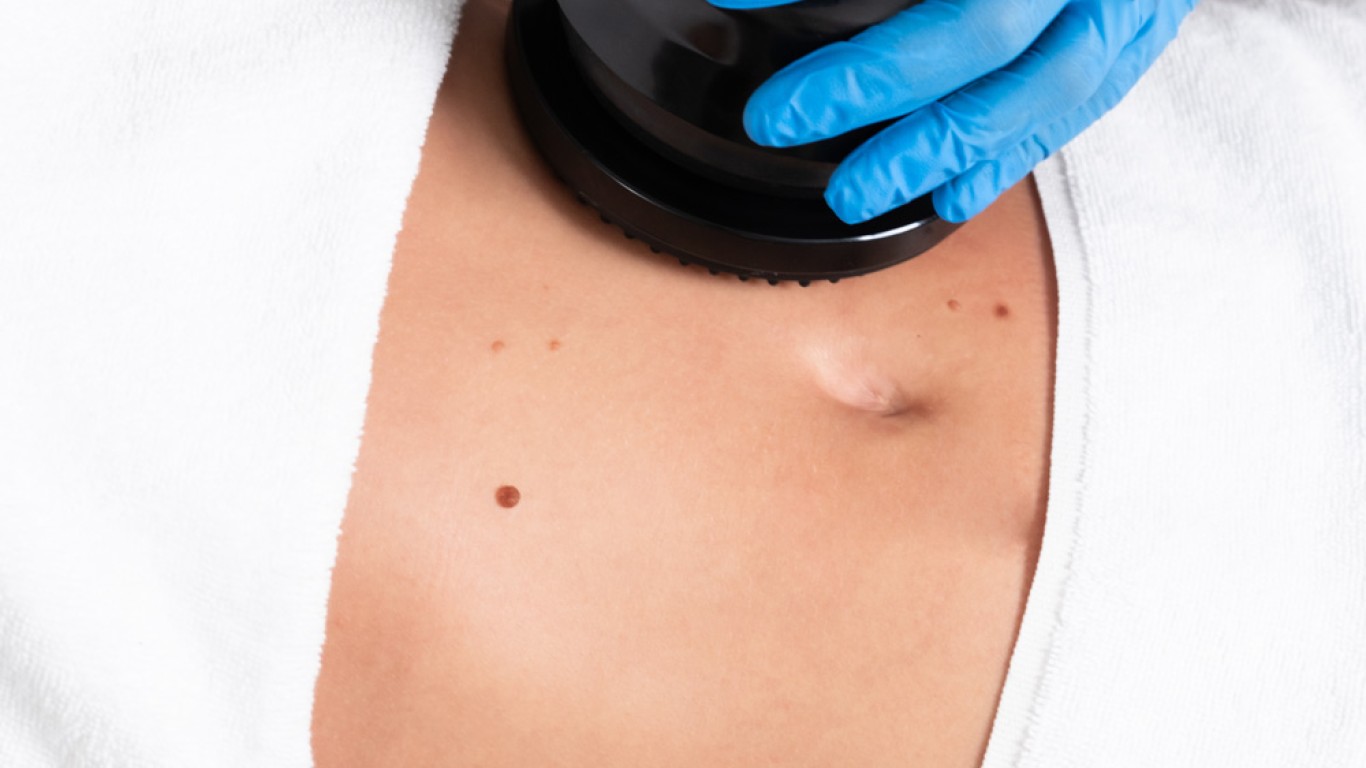
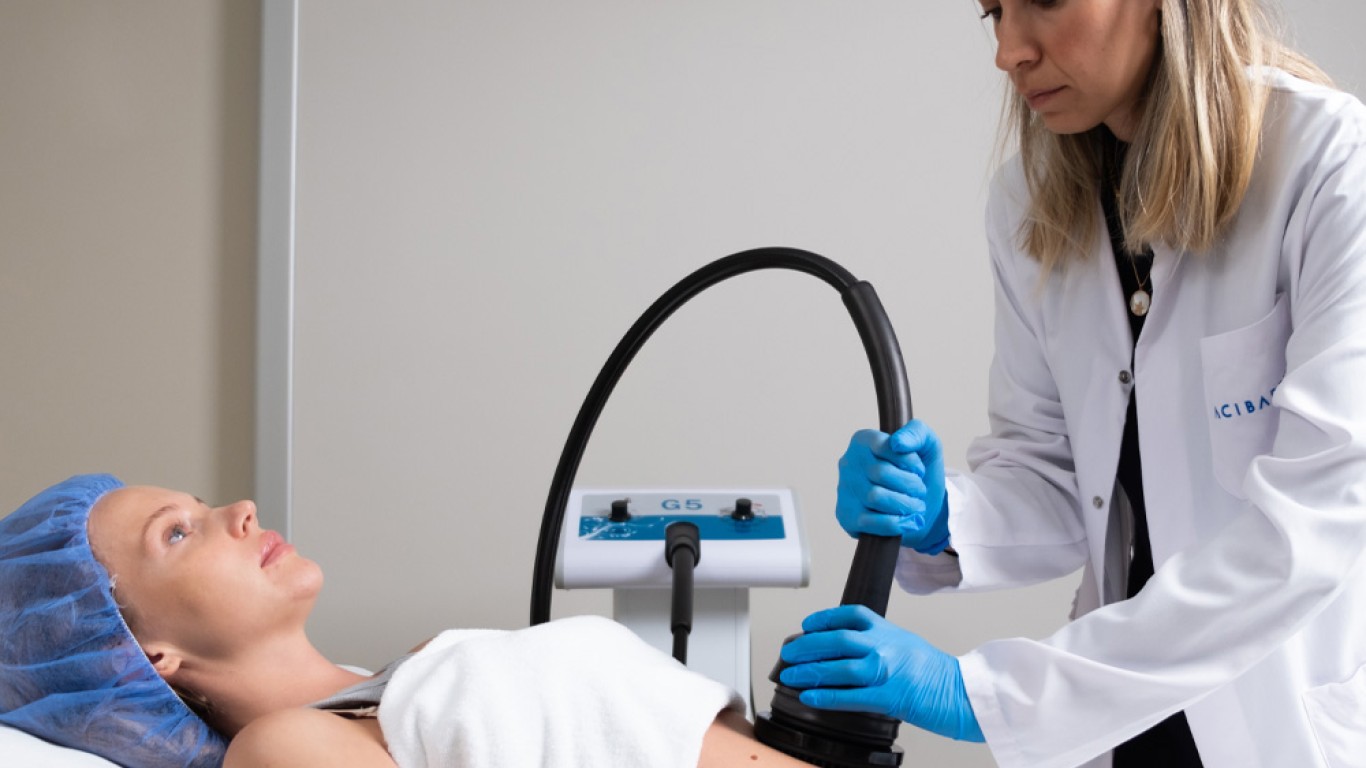
Radiofrequency devices heat the skin and stimulate collagen production. The improved skin quality reduces dimple visibility. Multiple sessions are needed. Results last several months. Acoustic wave therapy sends pressure waves into the tissue. These break down fibrous bands mechanically. Clinical evidence supports moderate improvement. Laser-assisted treatments such as Cellulaze directly target connective tissue bands beneath the skin. A tiny laser fibre is inserted through a small incision. The laser releases the tethered bands. This is one of the most effective cellulite treatment options available. Results last one to three years. Subcision uses a needle to cut fibrous bands manually. It suits individual deep dimples. Injectable treatments using collagenase enzyme break down the bands chemically. Each clinical approach addresses the structural components that home treatments cannot reach.
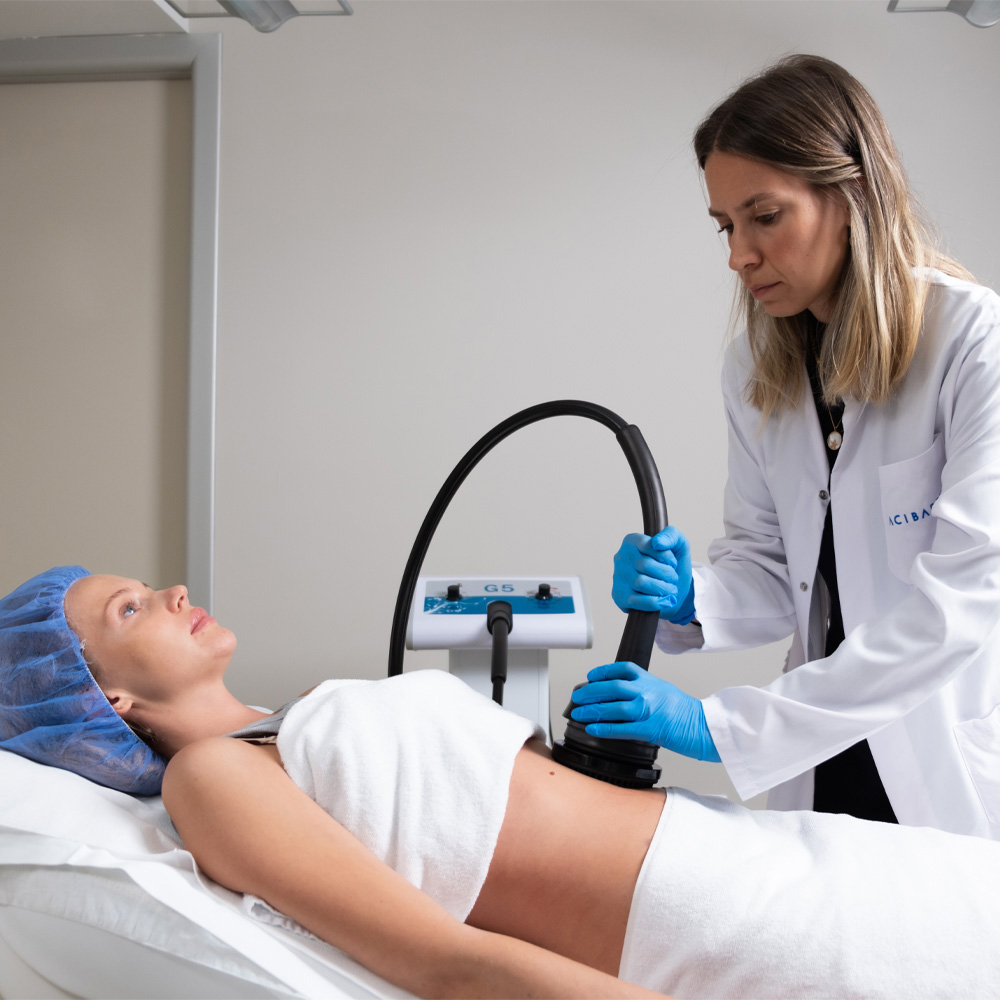
Cellulite Treatment Options: Evidence Comparison
Evidence differs significantly between home and clinic approaches. Home cellulite treatment options have limited clinical support. Most product claims rely on subjective assessment rather than controlled trials. Topical caffeine has some evidence for temporary surface tightening. Retinol has evidence for skin thickening over prolonged use. These effects are modest. Clinical cellulite treatment options have stronger evidence. Radiofrequency and acoustic wave therapy are supported by multiple published studies. Laser-assisted subcision has the strongest evidence for lasting structural improvement. Cellulite treatment options that directly address the fibrous bands produce the most measurable results. Home treatments that work only on the skin surface cannot match this structural approach. Patients wanting meaningful, lasting improvement should consider clinical options. Home treatments may complement professional results but rarely achieve significant improvement alone.
Combining Home and Clinic Cellulite Treatment Options
The most effective approach often combines both. Professional treatment addresses the structural causes. Home care maintains and extends the results. Dry brushing and massage improve circulation between clinic sessions. Topical retinol supports skin quality. Regular exercise reduces fat volume and improves muscle tone beneath the skin. Cellulite treatment options work best within a comprehensive programme. Hydration supports skin health. Balanced nutrition prevents fat accumulation. Strength training in the legs and buttocks builds muscle beneath the affected areas. This creates a smoother surface from below. Combining clinical intervention with consistent home care produces the most noticeable and lasting improvement. Neither approach in isolation achieves optimal results for most patients.
Exercise as a Cellulite Treatment Option
Exercise deserves specific attention among cellulite treatment options. Regular cardiovascular exercise reduces overall body fat. Lower fat volume means less pressure pushing against the skin. Strength training builds muscle beneath the cellulite-affected areas. Squats, lunges and leg presses add muscle volume. This creates a smoother foundation beneath the skin. The dimpled appearance reduces as muscle fills the space. Exercise also improves circulation and lymphatic function. Cellulite treatment options that include consistent exercise produce better results than those without. Exercise alone may not eliminate cellulite. The structural connective tissue component remains. However, the improvement in fat volume and muscle tone significantly reduces the visible severity. Exercise is the most cost-effective and health-promoting cellulite treatment option available. It should form part of every comprehensive approach.
What Cellulite Treatment Options Cannot Achieve
Setting realistic expectations is important. No cellulite treatment option eliminates cellulite permanently and completely. The structural factors that cause cellulite are present in the majority of women. They relate to fundamental anatomy. Hormones, genetics and connective tissue structure cannot be permanently altered. Cellulite treatment options reduce the visible severity. They improve skin texture and smoothness. They do not produce flawless skin. Patients who understand this limitation approach treatment with healthier expectations. Satisfaction is higher when improvement rather than perfection is the goal. The most effective cellulite treatment options produce meaningful visible change. They make patients feel more comfortable and confident. They do not create the cellulite-free appearance that some marketing materials imply.
Cellulite Treatment Options in Turkey
Turkey offers professional cellulite treatments at competitive pricing. Radiofrequency, acoustic wave therapy and mesotherapy are available at leading aesthetic clinics. Combination packages allow patients to address cellulite alongside other body contouring treatments during a single visit. Turkish clinics use modern equipment and experienced practitioners. All-inclusive packages simplify the experience for international patients. The lower pricing makes completing a full course of professional treatment more accessible than UK equivalents. Cellulite treatment options in Turkey provide the same clinical quality at substantially lower cost. Professional consultation determines the most appropriate treatment approach based on cellulite severity, distribution and individual goals. Many clinics create personalised treatment plans based on each patient's skin condition and desired improvements.
Body Confidence and Realistic Expectations
Body confidence plays a significant role in how patients experience cellulite. The condition is entirely normal. It affects the vast majority of women regardless of weight or fitness level. Cellulite treatment options should be pursued for personal satisfaction rather than external pressure. Patients who approach treatment with a healthy perspective achieve higher satisfaction. The goal is improvement, not perfection. Understanding that cellulite is a structural feature rather than a flaw helps frame realistic expectations. Social media often presents unrealistic skin standards. Filtered images remove cellulite digitally. This creates a false impression of what normal skin looks like. Cellulite treatment options can produce meaningful visible improvement. They cannot replicate digitally smoothed skin. Patients who combine professional treatment with self-acceptance achieve the most balanced and satisfying outcome. The investment in treatment should feel empowering rather than corrective. Celebrating gradual progress often leads to greater confidence and long-term satisfaction with treatment outcomes.
Conclusion
Cellulite treatment options range from home-based creams and massage to professional clinic procedures. Home treatments provide temporary, modest improvement. Clinical treatments produce more meaningful and lasting results. Evidence strongly favours professional approaches that address the structural causes of cellulite. Combining clinic treatment with exercise and home care produces the best overall outcome. Cellulite treatment options cannot eliminate the condition entirely. They reduce its visible severity significantly. Professional consultation helps patients choose the most effective approach. Turkey offers clinical cellulite treatments at competitive pricing with experienced practitioners. Maintaining healthy lifestyle habits supports longer-lasting improvements following professional cellulite treatment.
For more information about cellulite and to book a consultation visit the ACIBADEM Beauty Center Skin Treatments page.
Frequently Asked Questions
They provide temporary surface-level improvement. They do not address the structural causes.
Laser-assisted subcision has the strongest evidence for lasting structural improvement.
Yes. Fat reduction and muscle building significantly reduce visible severity.
No treatment permanently eliminates cellulite. Clinical results last longer than home treatments.
Yes. The combination produces the most comprehensive and lasting improvement.