Ataşehir Mah. Feza Sk. No:3 İstanbul / Türkiye
 English
  German
  Spanish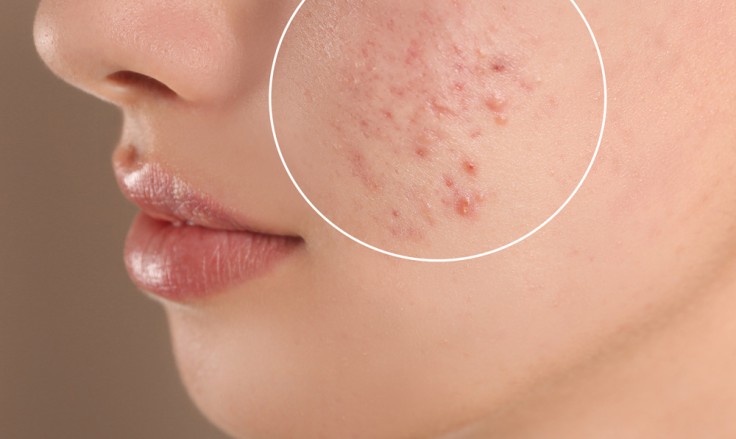
Introduction
Chemical peels are one of the oldest and most established skin resurfacing treatments. TCA, or trichloroacetic acid, is among the most effective peeling agents for acne scar treatment. A TCA peel removes damaged surface layers and stimulates collagen remodelling beneath. The treatment has been used in dermatology for decades. Understanding peel depth, recovery and realistic results helps patients evaluate this approach. This article explains TCA peel for acne scars and what patients should expect from the treatment process.
What Is a TCA Peel for Acne Scars?
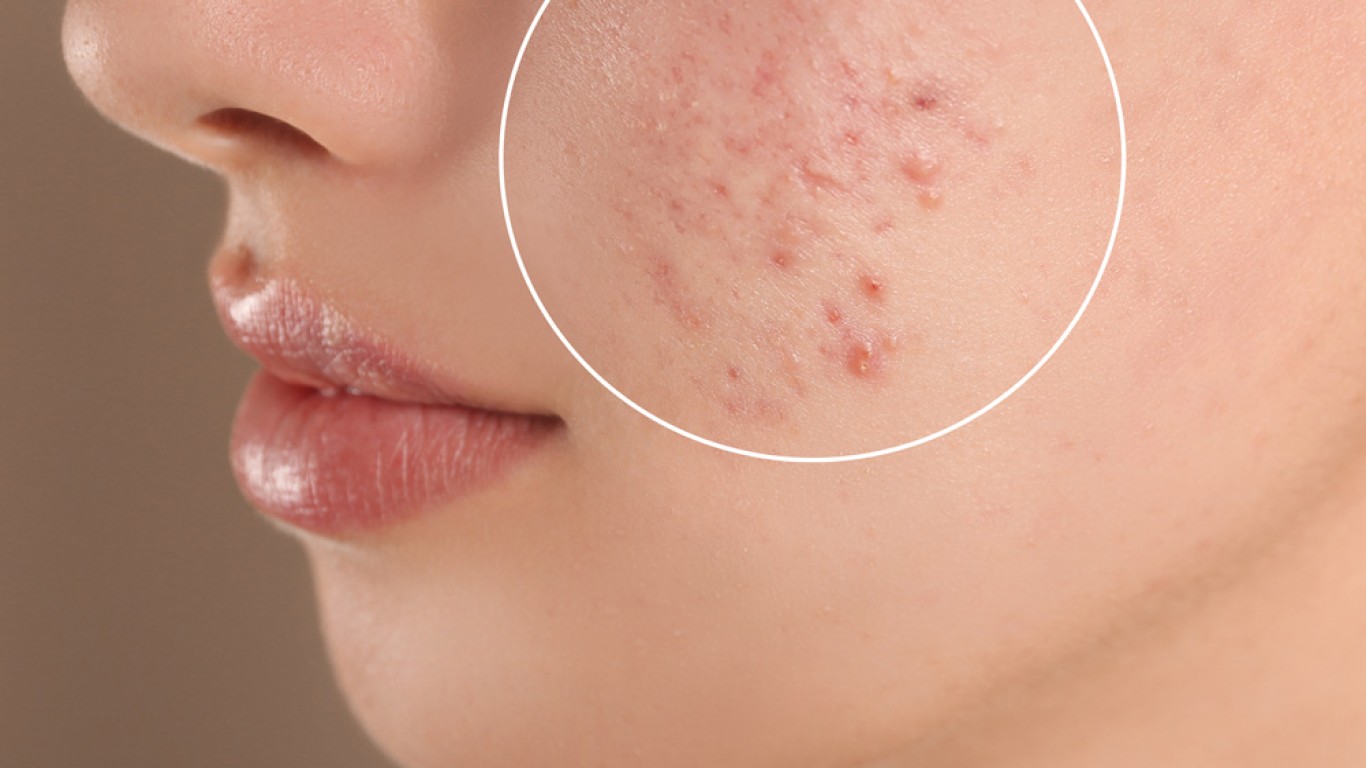
A TCA peel for acne scars uses trichloroacetic acid applied to the skin surface. The acid causes controlled chemical exfoliation. Dead and damaged skin layers are removed. New skin regenerates from beneath. A TCA peel stimulates collagen production during the healing process. The new collagen fills depressed scar areas from below. Skin texture becomes smoother over the treatment course. TCA concentrations range from fifteen to fifty percent. Lower concentrations produce superficial peels. Higher concentrations produce medium-depth peels. The depth of treatment determines both the results and the recovery time required. The practitioner selects the appropriate concentration based on scar severity and skin type.
How TCA Peel for Acne Scars Works
The acid penetrates the skin to a controlled depth. It denatures proteins in the damaged tissue layers. This triggers the body's wound healing response. A TCA peel for acne scars works by removing the scar surface and stimulating repair beneath. The epidermis regenerates within five to ten days. Collagen remodelling continues for weeks to months after treatment. Depressed scars gradually improve as new collagen develops beneath the surface. TCA cross technique is a specific application method. A high concentration of TCA is applied directly into individual ice pick scars using a toothpick or fine applicator. This targets deep narrow scars without treating the surrounding skin. A TCA peel using the cross technique is one of the most effective methods for ice pick scar improvement specifically.
TCA Peel for Acne Scars: Depth and Concentration
Peel depth determines effectiveness and recovery. Superficial peels use fifteen to twenty-five percent TCA. They improve mild texture concerns and pigmentation. Recovery is quick. Medium-depth peels use thirty to forty percent TCA. A TCA peel at medium depth produces more significant scar improvement. Recovery takes seven to fourteen days. The skin peels visibly during this period. Deep peels use higher concentrations and penetrate further. They produce the most dramatic results but carry higher risk. A TCA peel for acne scars at the appropriate depth balances effectiveness with safety. The practitioner assesses scar depth and skin type before selecting the concentration. Darker skin types require more cautious treatment. Higher concentrations carry greater risk of post-inflammatory hyperpigmentation in darker tones. Test patches may be performed before full treatment.

TCA Peel for Acne Scars Procedure
The procedure takes approximately fifteen to forty-five minutes. The skin is cleansed thoroughly. No topical anaesthetic is typically needed for superficial peels. Medium-depth peels may use a fan or cool air for comfort. The practitioner applies the TCA solution evenly across the treatment area. A burning or stinging sensation is experienced during application. This lasts one to three minutes. A TCA peel produces a frosting effect on the skin surface. The white frosting indicates the acid has reached the target depth. The practitioner monitors the frost pattern carefully. Once the desired depth is reached, the acid is neutralised or left to self-neutralise. A soothing ointment is applied. The skin feels tight and warm after treatment. Most patients describe the stinging as tolerable. The procedure is performed in a clinical setting by qualified practitioners.
Recovery Timeline
Recovery depends on peel depth. Superficial peels cause mild redness and flaking for two to four days. Normal activities continue with minimal disruption. A TCA peel at medium depth involves a longer recovery. The skin darkens during the first two to three days. Visible peeling begins around day three. Peeling continues for five to ten days. The skin beneath appears pink and smooth. Redness fades over the following one to three weeks. A TCA peel recovery requires gentle skincare during the peeling phase. Avoid picking or pulling peeling skin. Let it shed naturally. Apply prescribed ointments or gentle moisturisers. Sun protection is absolutely essential. SPF fifty must be applied daily for at least eight weeks. UV exposure during recovery causes significant pigmentation risk. Most patients feel comfortable in social settings within ten to fourteen days after a medium-depth peel.
TCA Peel for Acne Scars: Expected Results
Results develop progressively. The initial peeling reveals smoother, refreshed skin. Collagen remodelling continues for two to three months after treatment. A TCA peel for acne scars produces visible improvement in texture and scar depth across the treatment course. Most patients require two to four sessions for optimal results. Sessions are spaced four to eight weeks apart. Each session builds on the improvement from the previous treatment. Rolling and boxcar scars respond well to surface peeling. Ice pick scars respond specifically to the TCA cross technique. A TCA peel for acne scars does not eliminate all scarring. It reduces scar depth and improves surface texture noticeably. Most patients describe meaningful visible improvement after completing their course. The treatment can be combined with microneedling or laser for comprehensive scar management.
TCA Peel for Acne Scars: Who Is Suitable?
Suitable candidates have acne scars they want to improve. Lighter skin types tolerate TCA peels with lower pigmentation risk. A TCA peel for acne scars on darker skin requires careful concentration selection and practitioner experience. Active acne should be controlled before treatment. Treating inflamed skin increases complication risk. Patients using retinoids should stop two weeks before a medium-depth peel. Accutane users should wait six to twelve months. Patients with realistic expectations achieve the highest satisfaction. A TCA peel for acne scars improves texture. It does not create flawless skin. Consultation assesses individual scar types, skin tone and treatment history. The practitioner recommends the most appropriate peel depth and treatment plan for each patient.
Cost and Availability
The treatment is available at dermatology and aesthetic clinics. UK pricing ranges from one hundred to four hundred pounds per session. Turkey offers TCA peels at competitive pricing. A TCA peel for acne scars can be combined with other scar treatments during a clinical visit. The lower pricing in Turkey makes completing the full recommended course more accessible. Professional consultation ensures the right peel depth and protocol for individual scarring concerns. All-inclusive packages simplify the experience for international patients seeking comprehensive scar improvement treatment.
How to Prepare for a TCA Peel for Acne Scars
Skin preparation before a TCA peel for acne scars improves results and reduces complication risk. Many practitioners recommend a preparatory skincare regime for two to four weeks before treatment. This typically includes a topical retinoid and a hydroquinone-based product for patients with pigmentation concerns. The retinoid accelerates skin cell turnover. This thins the outer skin layer and allows more even peel penetration. Hydroquinone suppresses melanin production before treatment. This reduces the risk of post-inflammatory hyperpigmentation. A TCA peel for acne scars performed on well-prepared skin produces more even and predictable results. Patients should follow the preparation protocol precisely. Skipping or shortening the preparation phase reduces the benefit. The practitioner provides specific product recommendations based on individual skin type and tone. Preparation is particularly important for patients with medium to darker skin tones who carry higher pigmentation risk.
Conclusion
A TCA peel for acne scars is an effective, established treatment for improving scar texture and depth. The acid removes damaged surface layers and stimulates collagen remodelling. Peel depth is adjusted based on scar severity and skin type. Recovery takes two to fourteen days depending on concentration. Two to four sessions produce cumulative improvement. A TCA peel for acne scars works well alongside microneedling and laser for comprehensive scar management. Professional consultation ensures safe and personalised treatment. Turkey offers TCA peels at competitive pricing with experienced dermatology practitioners.
For more information on acne and to book a consultation visit the ACIBADEM Beauty Center Skin Treatments page.
Frequently Asked Questions
It produces noticeable improvement in texture and depth. Two to four sessions achieve optimal results.
Superficial peels recover in two to four days. Medium-depth peels take seven to fourteen days.
With careful concentration selection and experienced practitioners. Pigmentation risk is higher.
A technique applying high-concentration TCA directly into ice pick scars for targeted improvement.
Yes. Microneedling and laser complement TCA peels for comprehensive scar management.