Ataşehir Mah. Feza Sk. No:3 İstanbul / Türkiye
 French
  English
  German
  Spanish
Introduction
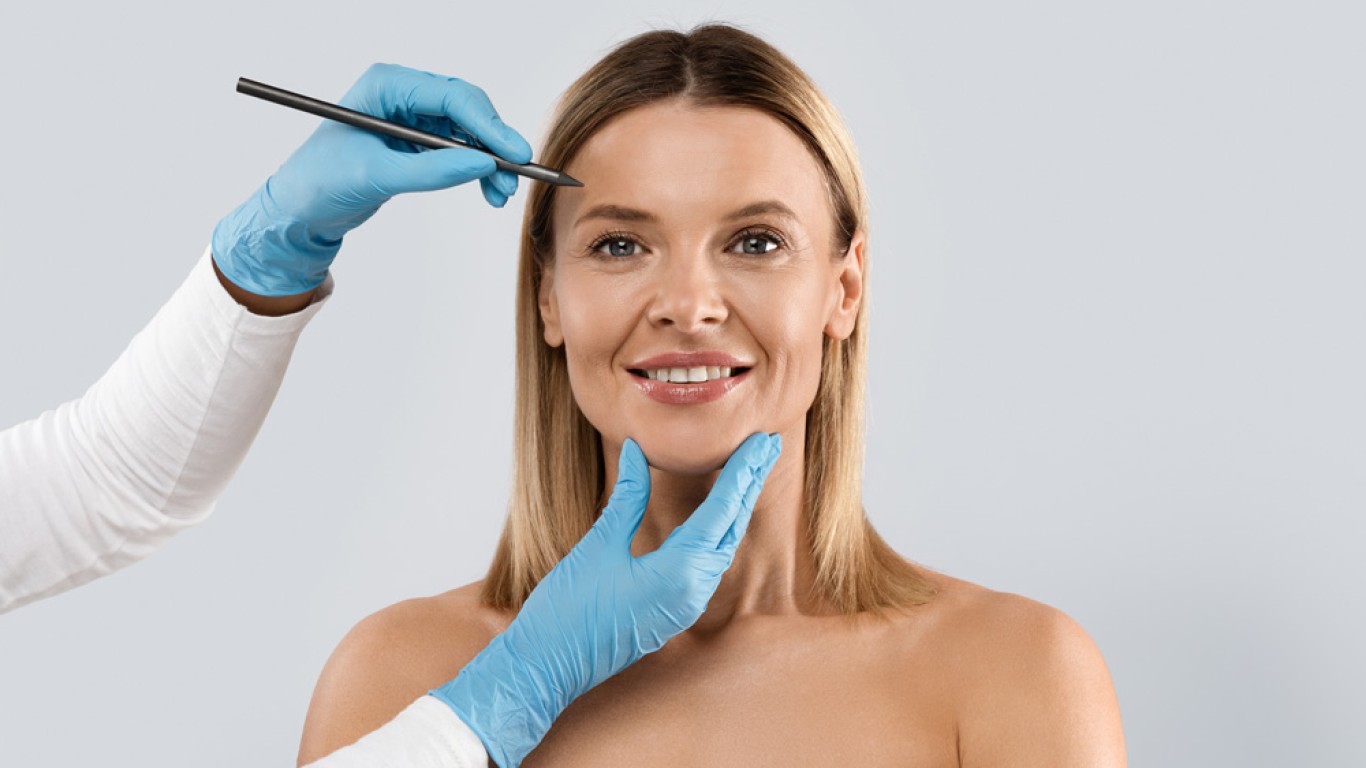
Chin fat removal is a popular procedure for improving jawline definition and reducing submental fullness. Whether performed surgically or non-surgically, the treatment involves a recovery period as the body heals and adapts. Understanding chin fat removal recovery helps patients prepare for each stage of the healing process. Recovery timelines vary depending on the technique used and individual healing response. Many patients appreciate knowing what to expect week by week because it reduces uncertainty. This article outlines the typical recovery progression and offers guidance for supporting optimal healing and contour improvement throughout the process.
What Happens During Chin Fat Removal Recovery?
Chin fat removal recovery involves several stages as the body responds to treatment. After surgical liposuction, the treated area typically experiences swelling and mild bruising. Non-surgical treatments may cause temporary fullness or tenderness beneath the chin. The body gradually processes disrupted fat cells and repairs treated tissue over time. Compression garments may be recommended to support the healing area. Following professional aftercare instructions is essential during chin fat removal recovery. Each week brings visible progress as swelling decreases and contour improvements become more apparent.
Chin Fat Removal Recovery: Week One
The first week is typically the most noticeable phase of chin fat removal recovery. Swelling beneath the chin is common and may peak within the first three days. Mild bruising around the treated area is expected and normal. Patients often wear a compression garment to reduce swelling and support tissue healing. Discomfort is generally manageable with prescribed or recommended medication. Most individuals take a few days off work during this period. Keeping the head elevated during rest helps reduce fluid accumulation. The chin may feel tight or slightly numb as tissues begin healing.
Chin Fat Removal Recovery: Week Two After Treatment
During the second week, swelling begins to reduce noticeably. Bruising typically fades from dark to lighter tones as the body reabsorbs the fluid. This stage shows early signs of improved contour beneath the jawline. Many patients feel comfortable returning to work and daily routines. The compression garment may still be recommended for part of the day depending on the surgeon's guidance. Sensitivity in the treated area gradually decreases. Patients should continue to avoid strenuous exercise and heavy lifting during this period.
Chin Fat Removal Recovery: Weeks Three to Four After Treatment
Between weeks three and four, recovery progresses significantly. Swelling continues to decrease and the jawline becomes more defined. Many patients notice a visible difference in their profile during this period. Bruising is usually fully resolved by the end of week three. Light exercise can often be resumed with medical approval. The treated area may still feel slightly firm as tissues continue healing beneath the surface. Following a balanced diet and staying hydrated supports the body's natural healing process during this important phase.
Months Two to Three After Treatment
By the second and third months, the recovery process is well advanced. The majority of swelling has resolved and contour improvements are clearly visible. The jawline appears sharper and more defined than during the early healing weeks. Residual firmness beneath the chin gradually softens as collagen remodelling continues. Patients often feel more confident in photographs and profile views at this stage. Skin retraction may continue to improve as elasticity responds to the reduced fat volume. Following ongoing aftercare recommendations supports the best long-term outcome.
Three to Six Months After Treatment
Between three and six months, the recovery process reaches its final stages. The treated area settles into its refined contour and any remaining firmness resolves. Skin continues to adapt and retract around the new jawline shape. Most patients see their final results during this period. The profile appears balanced and natural when viewed from the side. Recovery timelines vary between individuals, but most patients are very satisfied with their outcome by the six-month mark. Minor improvements may continue beyond this point.
Factors That Influence Chin Fat Removal Recovery
Several factors affect how quickly patients recover. Age influences healing speed because younger skin contains more collagen. Skin elasticity plays a role in how smoothly the area adapts after fat reduction. The treatment technique also matters - surgical liposuction typically involves a longer recovery time than non-surgical treatments. Individual health and lifestyle habits affect healing as well. Non-smokers generally recover more quickly. Following aftercare instructions consistently supports a smoother and faster recovery overall.
Aftercare Tips for Optimal Chin Fat Removal Recovery
Proper aftercare supports the best healing outcome. Key recommendations include:
- Wearing the compression garment as directed by the treating specialist.
- Keeping the head elevated during rest to reduce swelling.
- Avoiding strenuous exercise for the recommended recovery period.
- Staying hydrated and eating a balanced diet to support healing.
- Protecting the treated area from direct sun exposure.
Following these guidelines supports smoother chin fat removal recovery and helps achieve the best contour results over time.
Managing Swelling During Chin Fat Removal Recovery
Swelling is the most common concern during the early weeks. It is a normal response to treatment and resolves gradually. Cold compresses may be recommended during the first few days to help manage swelling. Compression garments provide gentle pressure that supports fluid drainage and tissue healing. Sleeping with the head elevated also helps reduce morning puffiness. Avoiding salty foods can help minimise fluid retention. Chin fat removal recovery involves patience because the treated area continues to refine over several weeks and months. The final contour becomes visible as swelling fully resolves.
When Should I Expect Final Results?
Final results from chin fat removal typically become visible between three and six months after treatment. The jawline appears more defined and the transition between chin and neck looks cleaner. Chin fat removal recovery milestones vary between patients depending on technique and individual healing. Surgical patients may see slightly longer timelines than those who underwent non-surgical treatments. Results are designed to be long lasting when body weight remains stable. Maintaining healthy habits supports the improved contour achieved through treatment.
Returning to Daily Activities
Most patients return to work within one to two weeks depending on the nature of their job and the treatment technique used. Light daily activities can usually resume within the first week after treatment. Chin fat removal recovery allows most individuals to return to exercise within three to four weeks. This should be based on medical approval from their treating specialist. Strenuous activity should be avoided until the surgeon confirms it is safe. Social activities typically continue once visible bruising and swelling have reduced sufficiently. Many patients feel confident appearing in public within two weeks of treatment.
Emotional Response During Chin Fat Removal Recovery
It is common for patients to feel impatient during the early weeks of healing when swelling is most prominent. The treated area may appear fuller than expected during the first week. This can cause temporary concern.However, understanding that this is a normal part of chin fat removal recovery helps manage expectations. As swelling reduces, patients typically feel more positive about their progress and emerging results. Seeing gradual improvement week by week often builds confidence and reinforces the decision to undergo treatment. Professional follow-up appointments during this period provide reassurance and allow specialists to monitor healing closely.
Long-Term Maintenance After Recovery
Once chin fat removal recovery is complete, maintaining results depends on healthy habits. Stable body weight is the most important factor in preserving the improved jawline contour over time. Balanced nutrition supports overall metabolic health and helps prevent remaining fat cells from expanding. Regular activity contributes to general fitness and muscle tone in the neck and jaw area. Skin care routines that include sun protection help maintain skin quality beneath the chin long term. Many patients find that their improved profile motivates continued commitment to healthy lifestyle choices.
Conclusion
Chin fat removal recovery follows a predictable progression over several weeks and months. Swelling and bruising gradually resolve, revealing improved jawline definition. Most patients see significant improvement within the first month. Final results typically appear between three and six months. Consistent aftercare, patience and healthy habits all support the best possible recovery outcome.
Want to find out more about chin fat removal procedures? Visit the ACIBADEM Beauty Center Aesthetics webpage.
Frequently Asked Questions
Most patients recover within two to four weeks with final results at three to six months.
Yes, swelling is expected and resolves gradually over several weeks.
Most patients return within one to two weeks.
Yes, compression supports healing and contour development.
Final contour improvements typically appear between three and six months.