Ataşehir Mah. Feza Sk. No:3 İstanbul / Türkiye
 French
  English
  German
  Spanish
Introduction
Many people ask “are veneers permanent?” especially when exploring long-term smile refinement. Veneers remain a popular solution for improving colour, shape, and visible alignment. They offer durable coverage, natural appearance, and predictable outcomes. However, permanence depends on several factors, including material choice, dental habits, and long-term maintenance. This guide explains how veneers work and how long they last. Discover which habits to adopt in order to support their longevity.
What Veneers Are Designed to Do
Veneers are thin coverings placed over the front surface of the teeth. They refine shape, brightness, and general appearance. Dentists design each veneer to match natural tooth structure. Because they sit on the visible surface, they help improve symmetry and enhance overall aesthetics. Veneers suit individuals seeking noticeable refinements without full crown coverage.
Are Veneers Permanent? Understanding the Answer
The question “are veneers permanent?” depends on material and care. Veneers are long-lasting, although they may need replacement after many years of use. Dentists design them for extended wear, yet they are not considered lifetime restorations. The tooth preparation stage is permanent, while the veneer material remains replaceable. Understanding this distinction helps individuals make informed decisions.
How Porcelain Veneers Maintain Durability
Porcelain veneers remain a common choice due to their strength. They resist staining and maintain natural shine. Because porcelain holds shape well, it supports stable long-term appearance. Specialists design porcelain veneers using digital scanners, ensuring precise fit and smooth edges. Additionally, porcelain interacts well with natural enamel, offering balanced function and predictable performance.
How Composite Veneers Differ
Composite veneers use a resin material shaped directly on the tooth. They offer a flexible option for those seeking fast refinements. Because composite is more adaptable, dentists can sculpt fine details easily. However, composite may require maintenance more often than porcelain. Specialists help individuals choose between materials based on goals and tooth structure.
Are Veneers Permanent? How Long Veneers Usually Last
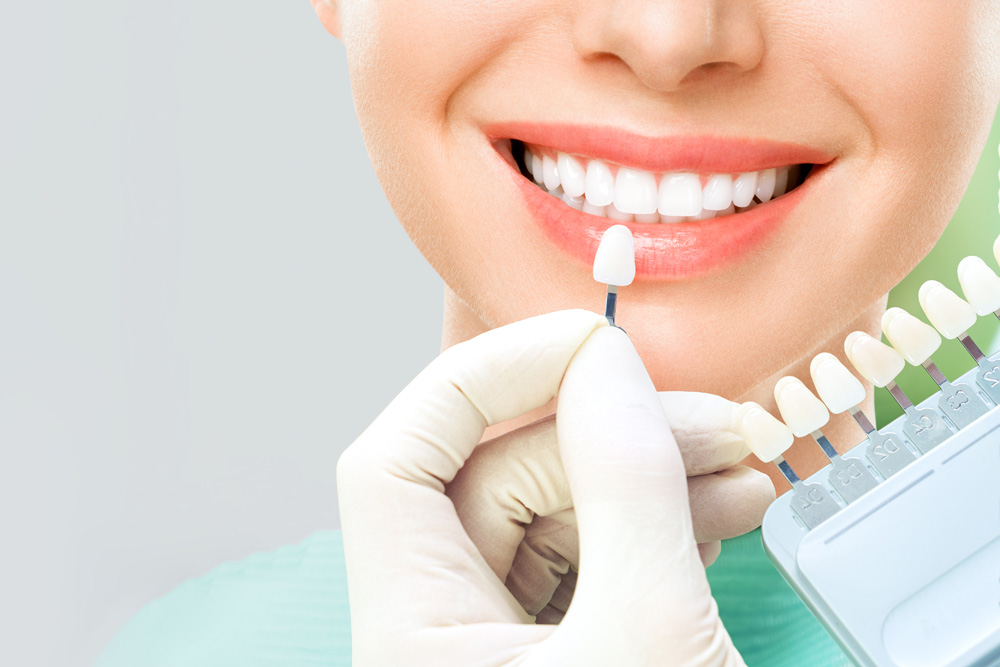
Veneers last many years with careful upkeep. Porcelain veneers may last longer due to their structure. Composite veneers may require earlier replacement because the material interacts differently with daily wear. Longevity depends on brushing habits, dental check-ups, and bite patterns. Although veneers are durable, maintaining them helps extend their lifespan.
Why Tooth Preparation Is Permanent
To answer “are veneers permanent?”, it is important to consider tooth preparation. Dentists remove a small amount of enamel to allow precise veneer placement. This part of the process is permanent because enamel does not grow back. Therefore veneers remain a long-term commitment. Replacement ensures that the prepared teeth stay protected.
How Specialists Plan Veneer Treatments
Planning includes digital scans, colour analysis and detailed shape evaluation. AI tools support blueprinting for symmetry and brightness. Additionally, imaging software helps preview potential outcomes. Specialists use these tools to design customised veneers that match facial proportions. The planning stage plays a key role in achieving lasting results.
Bite Alignment and Veneer Longevity
Bite alignment affects how long veneers last. Even contact across teeth protects veneer edges. Misalignment may influence wear patterns, so specialists evaluate bite posture thoroughly. If needed, alignment refinements support better distribution of pressure. This helps maintain veneer strength across daily movement.
Daily Habits That Influence Durability
Daily routines affect how veneers perform over time. Consistent brushing helps maintain cleanliness. Additionally, drinking water after coloured foods may support brightness. Using a soft toothbrush helps protect the margin between veneer and enamel. Although veneers are strong, balanced habits improve longevity.
Are Veneers Permanent? Why Regular Check-Ups Matter
Check-ups help dental teams monitor veneers and natural teeth. Dentists examine veneer edges, gum health and bite patterns. These appointments help identify any small concerns early. Because veneers rely on stable underlying support, regular assessments help maintain long-term success.
Digital Dentistry and Veneer Precision
Digital dentistry improves veneer fit and durability. 3D scanners capture detailed tooth shapes. AI systems analyse symmetry and edge placement. These tools help specialists design veneers with improved accuracy. Because precision supports reduced wear, technology strengthens long-term outcomes.
Do Veneers Stain Over Time?
Porcelain veneers resist staining due to their polished surface. Composite veneers may show colour change more easily because of material structure. However, both materials look brighter with consistent care. Drinking water between meals helps maintain clarity.
Are Veneers Permanent or Can They Need Replacement?
Although veneers last many years, they may need replacement eventually. Replacement maintains protection and appearance. Dentists remove worn veneers and design new ones using updated scans. Because dental technology evolves, newer veneers often show improved contour and alignment.
Lifestyle Factors and Veneer Care
Lifestyle influences long-term veneer performance. Balanced diets support general oral health. Hydration helps maintain gum comfort. Gentle habits, such as avoiding hard chewing during early placement, support veneer stability. These adjustments help extend veneer lifespan.
Are Veneers Permanent for Everyone?
The question “are veneers permanent?” has a consistent answer. Tooth preparation is permanent, yet veneer material remains replaceable. Longevity depends on the choice between porcelain and composite. Specialists guide each person based on existing tooth condition and design goals.
Conclusion
When asking “are veneers permanent?”, it helps to understand the difference between enamel preparation and veneer material. Veneers provide long-lasting improvement, although they may need replacement after many years. Porcelain offers strong durability, while composite provides flexible shaping. Digital planning and careful maintenance support stable, bright results.
For more information and to book a consultation visit the ACIBADEM Beauty Center Veneers webpage.
Frequently Asked Questions
They are long-lasting but may need replacement eventually.
Porcelain lasts many years with regular dental care.
They need consistent brushing and routine check-ups.
Yes, specialists remove old veneers and create new ones.
Porcelain resists staining, while composite may require maintenance.