Ataşehir Mah. Feza Sk. No:3 İstanbul / Türkiye
 English
  German
  Spanish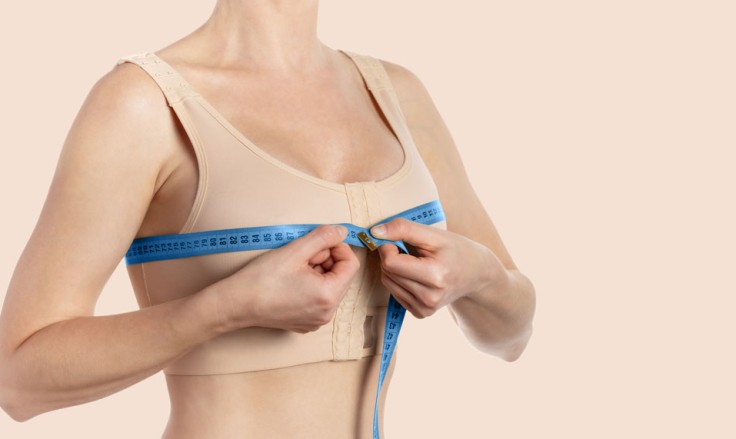
Introduction
Compression garments are a standard part of recovery after most cosmetic procedures. They apply consistent pressure across the treated area. This supports healing in several important ways. Compression garments after surgery reduce swelling, control fluid accumulation and help the skin conform to its new contour. Despite their importance, many patients underestimate their role. Understanding why compression matters and how long to wear it helps patients commit to this essential aftercare step. This article explains the purpose, timing and practical advice for compression garments.
Why Compression Garments After Surgery Are Important
Compression garments after surgery serve multiple purposes simultaneously. They reduce post-operative swelling by limiting fluid accumulation in the treated tissue. Swelling is the body's natural response to surgical disruption. Compression controls this response. Fluid that would otherwise collect in the treated area is pushed away by the steady pressure. Compression garments also support tissue adhesion. After liposuction or tummy tuck, the skin must adhere to the underlying tissue. Compression holds the layers together during healing. Without it, fluid pockets called seromas may develop. These require drainage and can delay recovery. Compression garments help shape the final contour. The consistent pressure guides the tissue into the desired position as it heals. Body contouring results are measurably better when compression is worn as directed. The garment essentially moulds the healing tissue during the critical establishment period.
When to Start Wearing Compression Garments After Surgery
Compression garments after surgery are fitted immediately at the end of the procedure. The surgeon or surgical team applies the garment before the patient leaves the operating room. This ensures compression begins at the earliest possible moment. Swelling starts accumulating within hours of surgery. Early compression controls this from the outset. Compression garments should not be removed by the patient during the first twenty-four to forty-eight hours unless instructed otherwise. The surgical team may check the fit and adjust the garment at the first follow-up appointment. Starting compression immediately is essential. Delaying even one day allows fluid to accumulate. Once fluid has collected, compression alone may not be sufficient to resolve it. Drainage procedures may become necessary. Compression garments after surgery provide the most benefit when applied from the moment the procedure is complete and worn continuously as directed.
How Long to Wear Compression Garments After Surgery
| Procedure | Typical Compression Duration |
| Liposuction | Four to eight weeks |
| Tummy tuck | Four to six weeks |
| BBL | Six to eight weeks |
| Breast augmentation | Four to six weeks |
| Breast reduction/lift | Four to six weeks |
| Arm lift | Four to six weeks |
| Gynecomastia surgery | Four to six weeks |
| Facelift | One to two weeks |
Compression garments after surgery timelines vary by procedure. The duration depends on the extent of tissue disruption and the body area treated. Larger treatment areas require longer compression. Procedures involving skin detachment from underlying tissue need the longest wear. The surgeon provides personalised guidance based on individual healing progress. Compression garments should be worn exactly as directed. Reducing wear time prematurely compromises the result. Patients who follow compression instructions consistently achieve the best contouring outcomes. The garment may transition from continuous wear to daytime-only wear after the initial intensive phase. Most surgeons recommend continuous wear for the first two to four weeks. Daytime-only wear follows for the remaining duration. Some surgeons allow overnight removal once initial healing is established.
Practical Tips
Several practical considerations improve the experience. Compression garments after surgery should fit firmly but not painfully. The garment should not restrict breathing or cause numbness. If the garment feels too tight, contact the surgical team. Adjustments or a different size may be needed. Have a second garment available. This allows one to be worn while the other is washed. Compression garments should be washed regularly to maintain hygiene. Hand washing in mild detergent preserves the elastic properties. Air drying maintains the compression level. Machine washing and tumble drying can degrade the fabric.
Compression garments after surgery can feel uncomfortable in warm weather. Wearing a thin cotton layer beneath prevents irritation. Staying in air-conditioned environments during the hottest parts of the day helps. The discomfort of wearing the garment is temporary. The benefit to the final result is permanent. Patients who view compression as an investment in their outcome maintain compliance more consistently.
What Happens If You Do Not Wear Compression Garments After Surgery?
Inadequate compression compromises results. Compression garments prevent several complications. Without them, swelling increases. It takes longer to resolve. Fluid collections develop more frequently. Seromas may require aspiration with a needle. This extends the recovery timeline. Compression garments after surgery that are not worn allow the skin to heal in suboptimal positions. Irregularities and contour asymmetries become more likely. The skin may not adhere smoothly to the underlying tissue. Compression garments after surgery skipped during the first two weeks carry the highest risk of complications. This is the period when fluid accumulation is greatest. The tissue is most mobile and most vulnerable to malposition. Patients who skip compression during this window often notice visible differences in their final contour compared with the treated plan. Compliance during the early weeks is non-negotiable for the best result.
Compression Garments After Surgery by Procedure Type
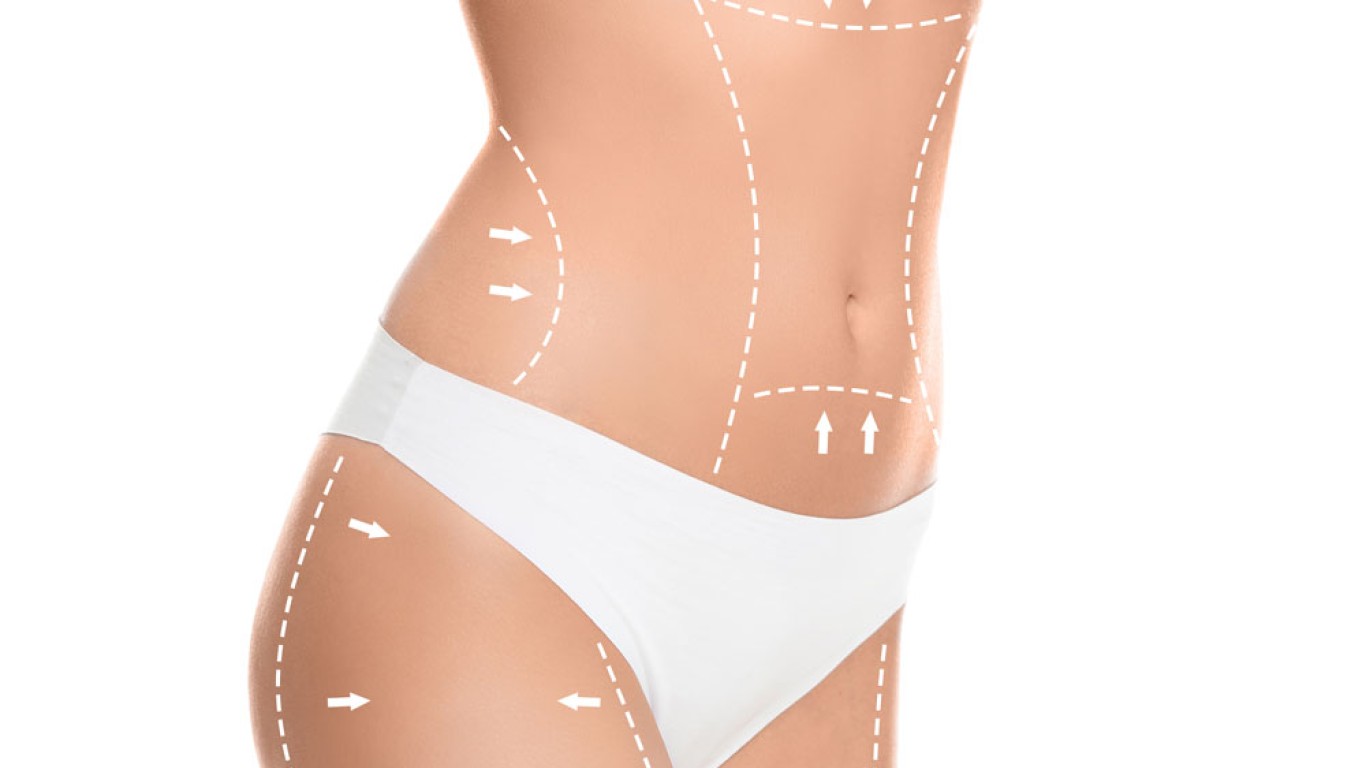
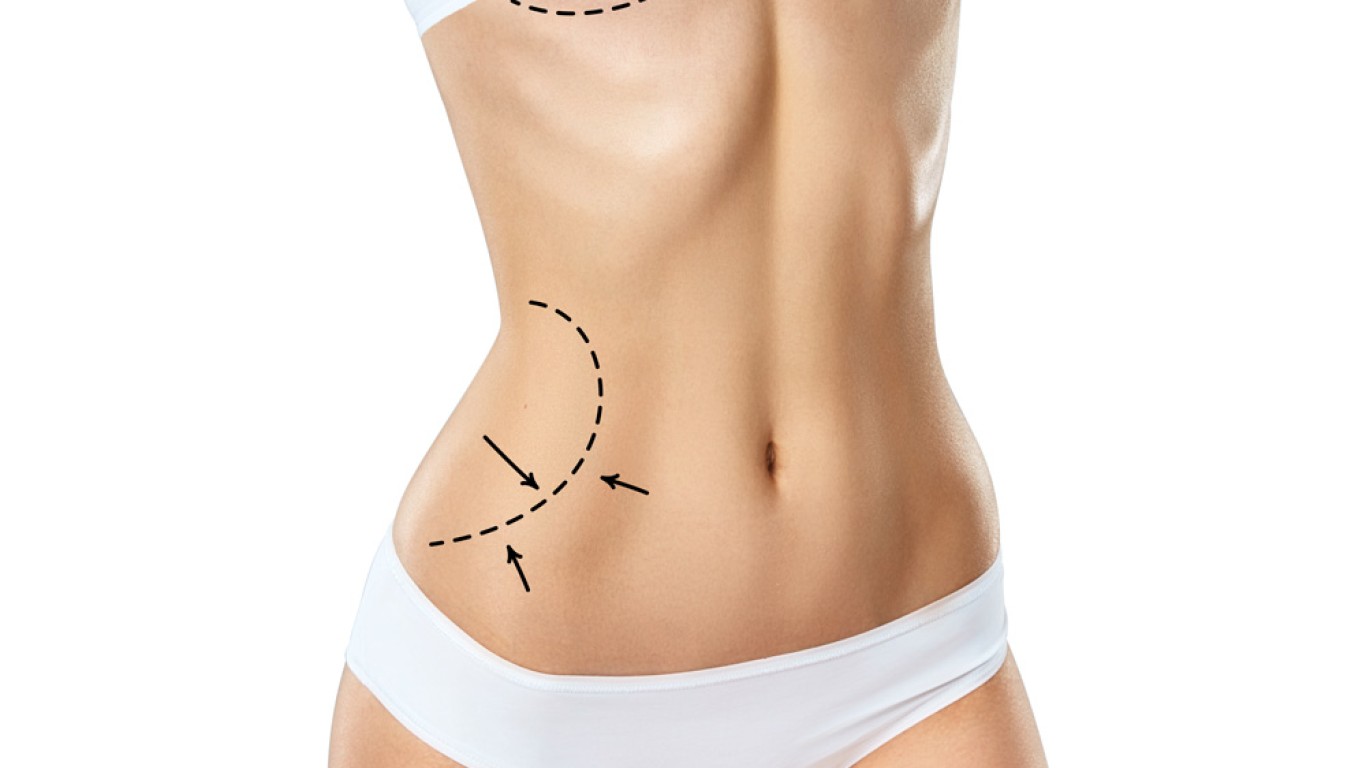
Different procedures require different garment types. Compression garments for liposuction are body-conforming suits or wraps. They cover the treated areas specifically. Abdominal garments extend from the chest to the upper thighs. Arm sleeves compress the upper arms after brachioplasty. Compression garments after surgery for breast procedures are surgical bras. They provide firm support without underwire. Front-opening designs allow easy removal for wound care. Compression garments for the face include chin straps and head wraps. These support facelift and neck lift healing. Gynecomastia patients wear compression vests. These flatten and support the chest contour. The surgical team provides the appropriate garment. Purchasing replacements should match the original specification. The level of compression matters. Standard shapewear does not provide surgical-grade compression. Compression garments must be specifically designed for post-operative use.
Conclusion
Compression garments are essential for optimal recovery and results. They reduce swelling, prevent fluid collections and support tissue contouring. Wear duration varies by procedure from one week for facial surgery to eight weeks for body contouring. Compression garments after surgery should be worn exactly as directed. Starting immediately and maintaining continuous wear during the early weeks produces the best outcomes. Practical tips including having a spare garment and gentle washing support compliance. Professional guidance determines when to reduce and stop wear. Turkey provides medical-grade compression garments within all-inclusive treatment packages.
For more information about compression garments and to book a consultation visit the ACIBADEM Beauty Center Aesthetics page.
Frequently Asked Questions
Four to eight weeks for most body procedures. Facial surgery requires one to two weeks. The surgeon provides personalised guidance.
Usually yes, after the first twenty-four to forty-eight hours. Follow the surgeon's specific instructions.
Increased swelling, fluid collections and suboptimal contouring are more likely.
No. Post-operative garments provide surgical-grade compression. Standard shapewear does not.
Yes. Turkish all-inclusive packages include medical-grade compression garments.