Ataşehir Mah. Feza Sk. No:3 İstanbul / Türkiye
 English
  German
  Spanish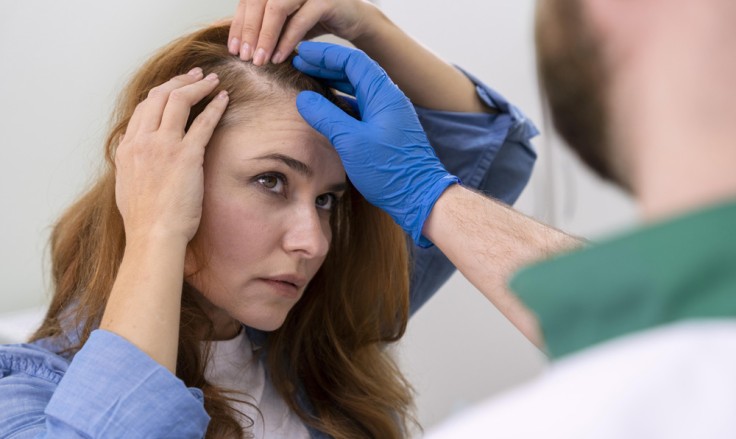
Introduction
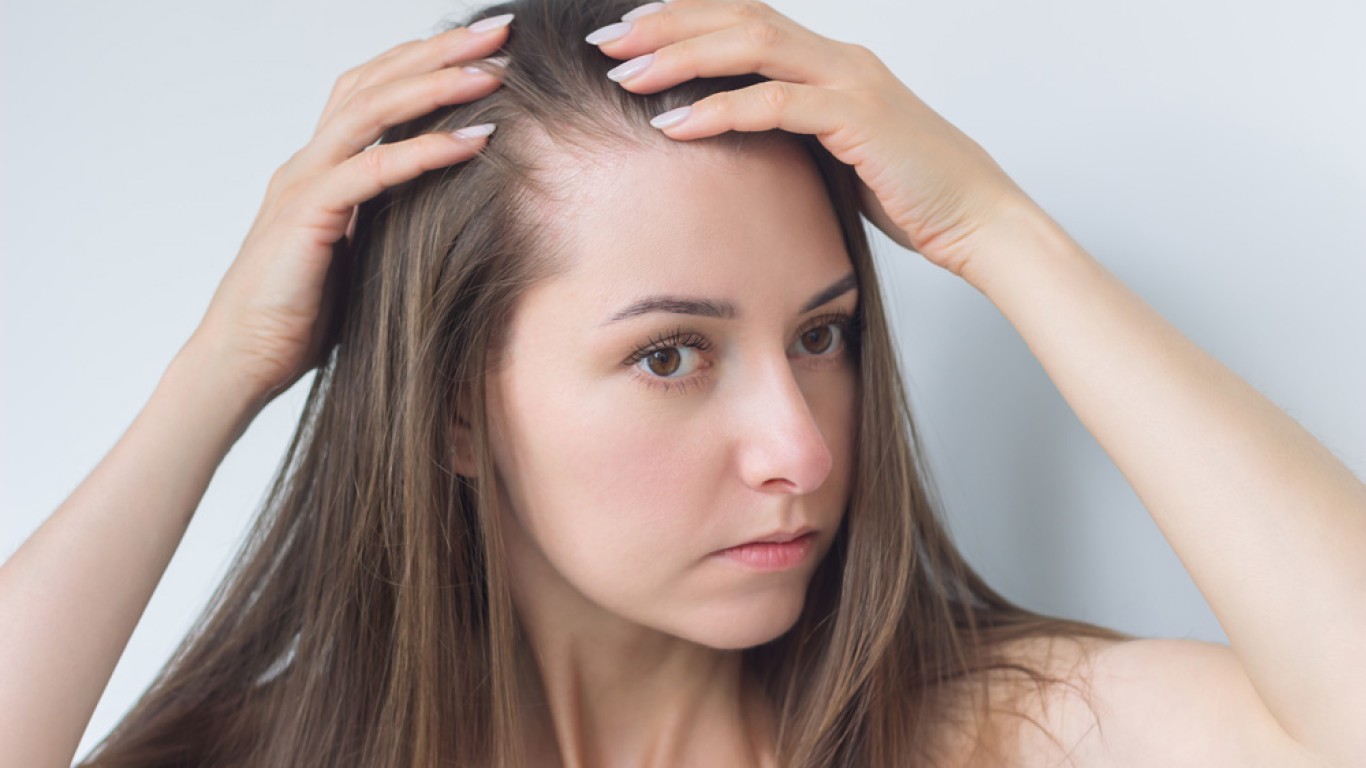
Alopecia describes hair loss of any type. The term covers a range of conditions with different causes and patterns. Androgenetic alopecia is the most common form. Alopecia areata is an autoimmune condition. Traction alopecia results from styling damage. Each type requires a different treatment approach. Alopecia treatment has advanced significantly in recent years. More effective options exist in 2026 than at any previous time. Understanding the available treatments helps patients find the right approach. This article provides a comprehensive overview of alopecia treatment options from medication to transplant.
Types of Alopecia
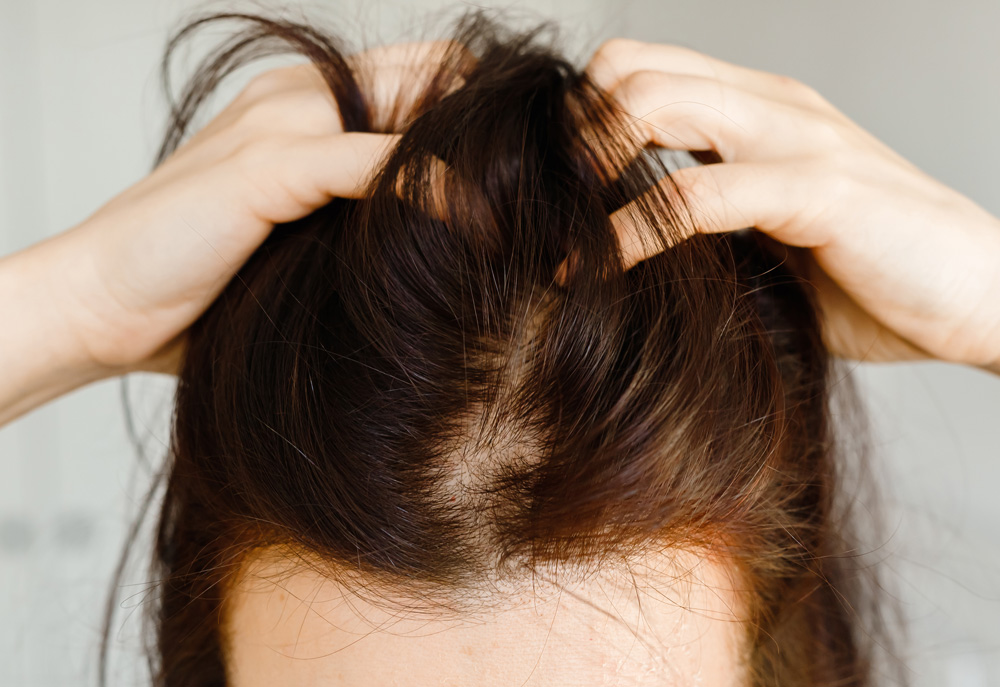
Identifying the type guides effective alopecia treatment. Androgenetic alopecia is pattern hair loss caused by DHT sensitivity. It affects both men and women. Men experience hairline recession and crown thinning. Women experience diffuse thinning across the scalp. Alopecia areata is an autoimmune condition. The immune system attacks hair follicles. Circular patches of hair loss appear. It can affect any age. Alopecia treatment for areata targets the immune response. Traction alopecia results from chronic pulling on follicles. Tight braids, ponytails and extensions cause gradual damage. Treatment for traction requires stopping the damaging styling practice. Scarring alopecias destroy follicles permanently. Lichen planopilaris and frontal fibrosing alopecia are examples. Alopecia treatment for scarring types aims to stop progression. Regrowth is limited because the follicles are destroyed. Accurate diagnosis determines which alopecia treatment approach is appropriate.
Alopecia Treatment: Medications
Several medications form the foundation of alopecia treatment. Minoxidil is available topically and orally. It improves blood flow to the follicles. It suits androgenetic alopecia in both men and women. Alopecia treatment with minoxidil shows improvement in the majority of patients. Finasteride blocks DHT production. It is the standard oral alopecia treatment for men with androgenetic alopecia. It slows or stops progression in approximately eighty-five percent of male patients. Finasteride is not routinely prescribed for women due to pregnancy risk considerations. Spironolactone is used for women with hormonal hair loss. It blocks androgen activity at the follicle level. Treatment with spironolactone suits female pattern hair loss specifically. Dutasteride is a more potent DHT blocker used off-label in some countries. Each medication targets a specific mechanism. The right choice depends on the type of alopecia, the patient's gender and individual circumstances.
Alopecia Treatment for Alopecia Areata
Alopecia areata requires immune-modulating treatment. Corticosteroid injections are the first-line alopecia treatment for localised patches. Triamcinolone is injected directly into the bald patches. The steroid suppresses the local immune attack. Regrowth often appears within four to eight weeks. Treatment with steroid injections is repeated every four to six weeks until regrowth is established. Topical steroids suit milder cases. JAK inhibitors represent a significant advance in treatment for areata. Baricitinib was approved for moderate to severe alopecia areata. These oral medications block the inflammatory signalling pathways that drive the immune attack. Treatment with JAK inhibitors produces substantial regrowth in many patients. They represent the most important therapeutic advance in alopecia areata management in recent decades. Side effects require monitoring. Blood tests are performed regularly during treatment. Treatment with JAK inhibitors is managed by dermatologists with specialist experience.
PRP as Alopecia Treatment
PRP therapy suits several alopecia types. It uses concentrated growth factors from the patient's own blood. Alopecia treatment with PRP stimulates follicle activity and improves the scalp environment. Three to six sessions are recommended. Androgenetic alopecia responds well to PRP alongside medical treatment. The growth factors complement the pharmaceutical approach. Treatment combining PRP with finasteride and minoxidil produces the strongest non-surgical results. Early alopecia areata may also benefit from PRP. The anti-inflammatory properties of platelets may modulate the local immune response. Treatment with PRP for areata is less well established than for androgenetic alopecia. However, emerging evidence supports its use as a complementary approach. PRP is safe because it uses the patient's own blood. No allergy risk exists. Treatment with PRP adds a regenerative component that pharmaceutical approaches alone cannot provide.
Hair Transplant as Alopecia Treatment
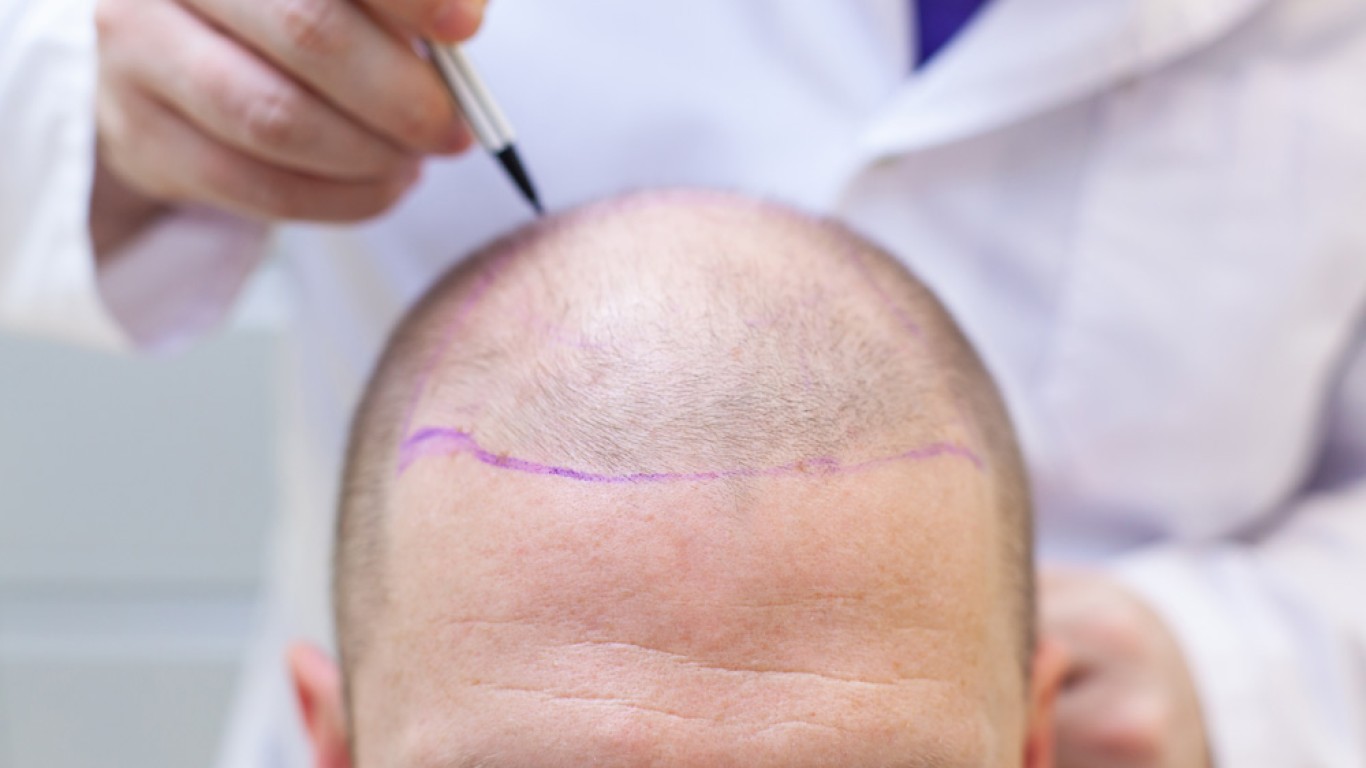
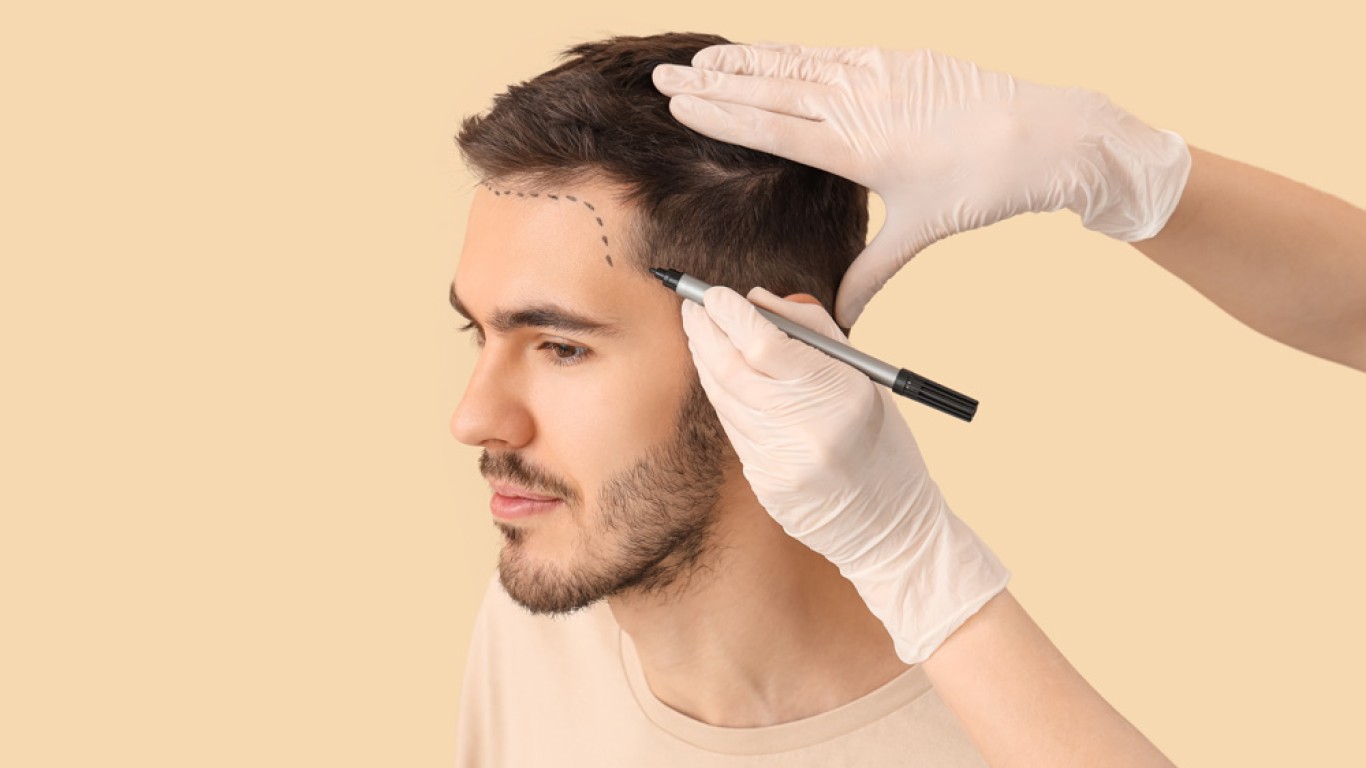
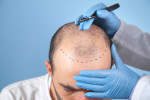
Hair transplant provides permanent hair restoration for suitable patients. Alopecia treatment through transplant relocates DHT-resistant follicles from the donor area to thinning zones. The transplanted hair grows permanently. FUE is the most commonly used technique. Treatment with transplant suits androgenetic alopecia when the pattern has stabilised. Active, progressing loss should be stabilised with medication first. Transplant during active progression risks creating an unnatural pattern as surrounding hair continues thinning. Treatment through transplant is not suitable for alopecia areata in most cases. The autoimmune process may attack transplanted follicles. Traction alopecia with a healthy donor area responds well to transplant once the damaging styling practice has stopped. Scarring alopecia may be suitable for limited transplant in stable cases. Treatment with transplant is a significant decision. Professional consultation determines individual suitability based on the specific type and stability of hair loss.
Alopecia Treatment Overview
| Treatment | Alopecia Type | Mechanism |
| Minoxidil | Androgenetic, areata | Improves blood flow to follicles |
| Finasteride | Androgenetic (men) | Blocks DHT production |
| Corticosteroid injections | Areata | Suppresses immune attack on follicles |
| JAK inhibitors | Areata (moderate to severe) | Blocks inflammatory signalling |
| PRP therapy | Androgenetic, early areata | Growth factor stimulation |
| Hair transplant | Stable androgenetic | Permanent follicle relocation |
Treatment is most effective when matched precisely to the specific condition. A single approach rarely achieves optimal results for all types. Combination programmes produce the strongest outcomes for androgenetic alopecia. Immune-modulating treatment is essential for alopecia areata. Treatment plans should be developed with specialist guidance. The treating practitioner identifies the type of alopecia and recommends the most evidence-based approach for each individual patient.
Emerging Alopecia Treatment Options in 2026
Research continues to produce new options. Treatment in 2026 benefits from several emerging approaches. Oral minoxidil at low doses is gaining mainstream adoption. Topical finasteride formulations aim to reduce systemic side effects. New JAK inhibitor molecules are in clinical trials. Exosome therapy delivers growth signals through cell-derived vesicles. Treatment research also includes stem cell-based approaches. These remain investigational but show long-term promise. Gene therapy for hair loss is in early research stages. The pace of treatment innovation has accelerated significantly in recent years. Patients who engage with specialist care access the most current options. Treatment in 2026 is more effective and more diverse than at any previous point.
Conclusion
Alopecia treatment encompasses medication, injections, PRP, JAK inhibitors and hair transplant. The right approach depends on the specific type of hair loss. Androgenetic alopecia responds to DHT blockers, minoxidil and transplant. Alopecia areata requires immune-modulating treatment. Emerging options continue to expand the toolkit. Treatment is most effective when started early and guided by specialist assessment. Professional consultation determines the most appropriate plan. Turkey offers comprehensive treatment at competitive pricing with experienced practitioners.
For more information about alopecia and to book a consultation visit the ACIBADEM Beauty Center Hair Transplant page.
Frequently Asked Questions
It depends on the type. Androgenetic alopecia responds to medication and transplant. Areata responds to steroids and JAK inhibitors.
Androgenetic alopecia is managed rather than cured. Alopecia areata may resolve spontaneously or respond to treatment.
Yes, for moderate to severe alopecia areata. They represent a significant recent advance.
No. It suits stable androgenetic alopecia. It is not suitable for active alopecia areata.
Yes. Accurate diagnosis is essential. The type of alopecia determines the most effective treatment.