Ataşehir Mah. Feza Sk. No:3 İstanbul / Türkiye
 French
  English
  German
  Spanish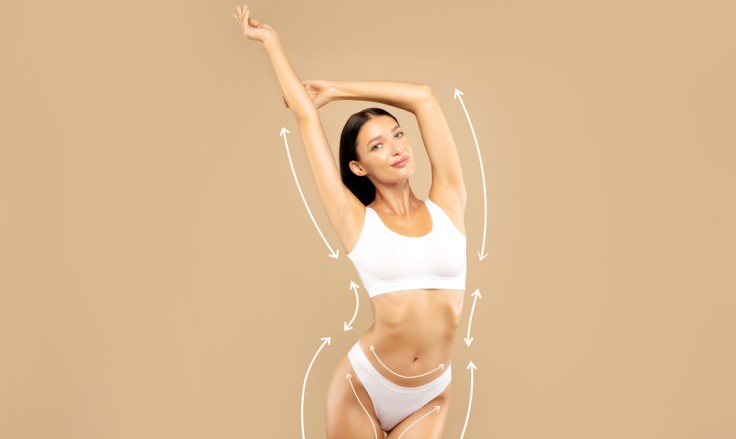
Introduction
CoolSculpting has become one of the most widely used non-surgical fat reduction treatments worldwide. The procedure uses controlled cooling technology to target and eliminate stubborn fat deposits. Many patients seek the treatment as an alternative to liposuction. The non-invasive nature appeals to those who want to avoid surgery and downtime. The treatment addresses common problem areas where fat resists diet and exercise. Understanding how CoolSculpting works helps patients evaluate whether the treatment suits their goals. This article explains the science behind the procedure, who it suits and how it compares to surgical liposuction options for patients considering body contouring.
What Is CoolSculpting?
CoolSculpting is a non-surgical body contouring treatment that uses controlled cooling to eliminate fat cells. The technology is also known as cryolipolysis. The treatment is based on the discovery that fat cells are more sensitive to cold than surrounding tissues. A specialised applicator is placed on the target area. The device delivers precise cooling temperatures that crystallise the fat cells without harming the skin or other tissues. The damaged fat cells are then gradually eliminated by the body over the following weeks. CoolSculpting is suitable for several body areas where stubborn fat accumulates. The treatment is non-invasive and requires no anaesthesia or downtime.
How CoolSculpting Works
CoolSculpting works through the principle of cryolipolysis. The device delivers controlled cooling to the target area. Fat cells are particularly vulnerable to cold temperatures. The cooling triggers a process called apoptosis in the fat cells. This is a natural form of cell death that does not damage surrounding tissues. The damaged fat cells are then gradually broken down and eliminated by the body’s lymphatic system. This process takes several weeks to complete. The treatment causes a gradual reduction in fat in the treated area. Results develop progressively over the months following treatment. The body permanently eliminates the destroyed fat cells.
Areas Treated with CoolSculpting
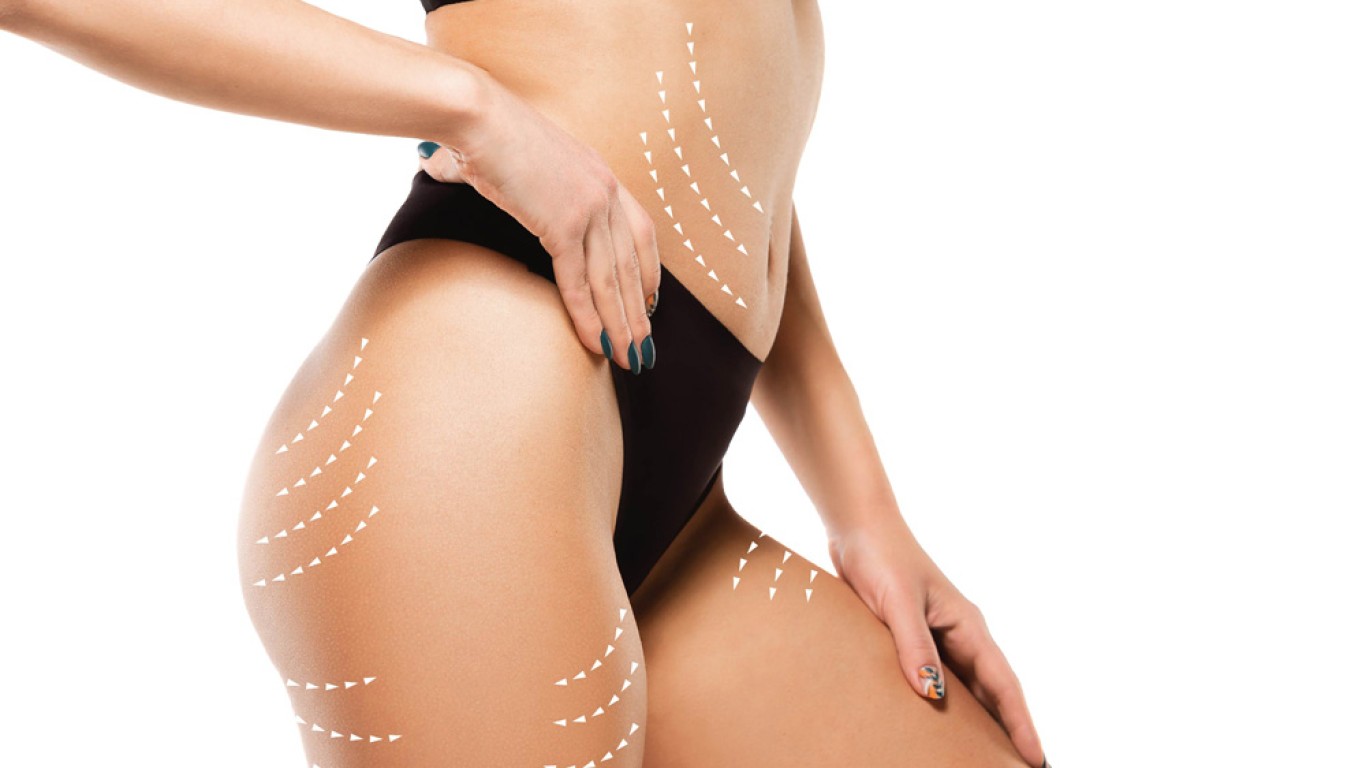
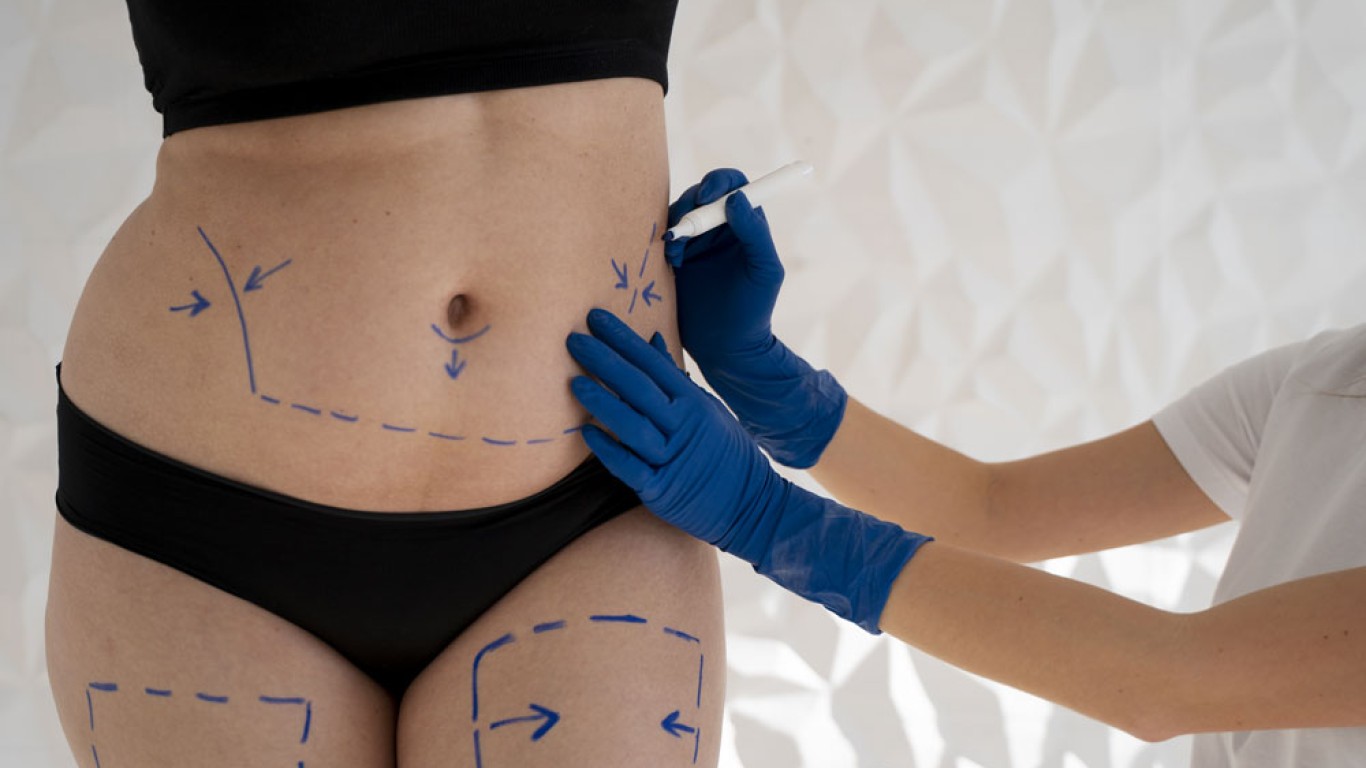
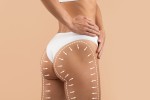
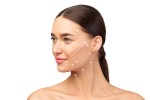
CoolSculpting can address several body areas where stubborn fat accumulates. The abdomen is one of the most commonly treated zones. Lower belly fat that resists diet and exercise responds well. The flanks or love handles are another popular area. The inner and outer thighs can be treated effectively. Upper arms benefit from the procedure. The double chin area beneath the jaw responds particularly well. The bra fat area on the back can also be addressed. Different applicators are used depending on the treatment area. Each area is assessed individually during consultation. The practitioner determines which zones will benefit most from the treatment.
CoolSculpting vs Liposuction
CoolSculpting and liposuction differ in several important ways. Liposuction is a surgical procedure that physically removes fat through incisions. CoolSculpting is non-invasive and requires no incisions or anaesthesia. Liposuction produces immediate and dramatic results in a single session. CoolSculpting results develop gradually over several weeks. Liposuction can remove larger volumes of fat in one treatment. CoolSculpting addresses smaller, more localised deposits. Recovery from liposuction takes one to two weeks. CoolSculpting requires no recovery time. Both treatments produce permanent results when body weight remains stable. The choice depends on the amount of fat to be removed and the patient’s preferences.
Who Is Suited to CoolSculpting?
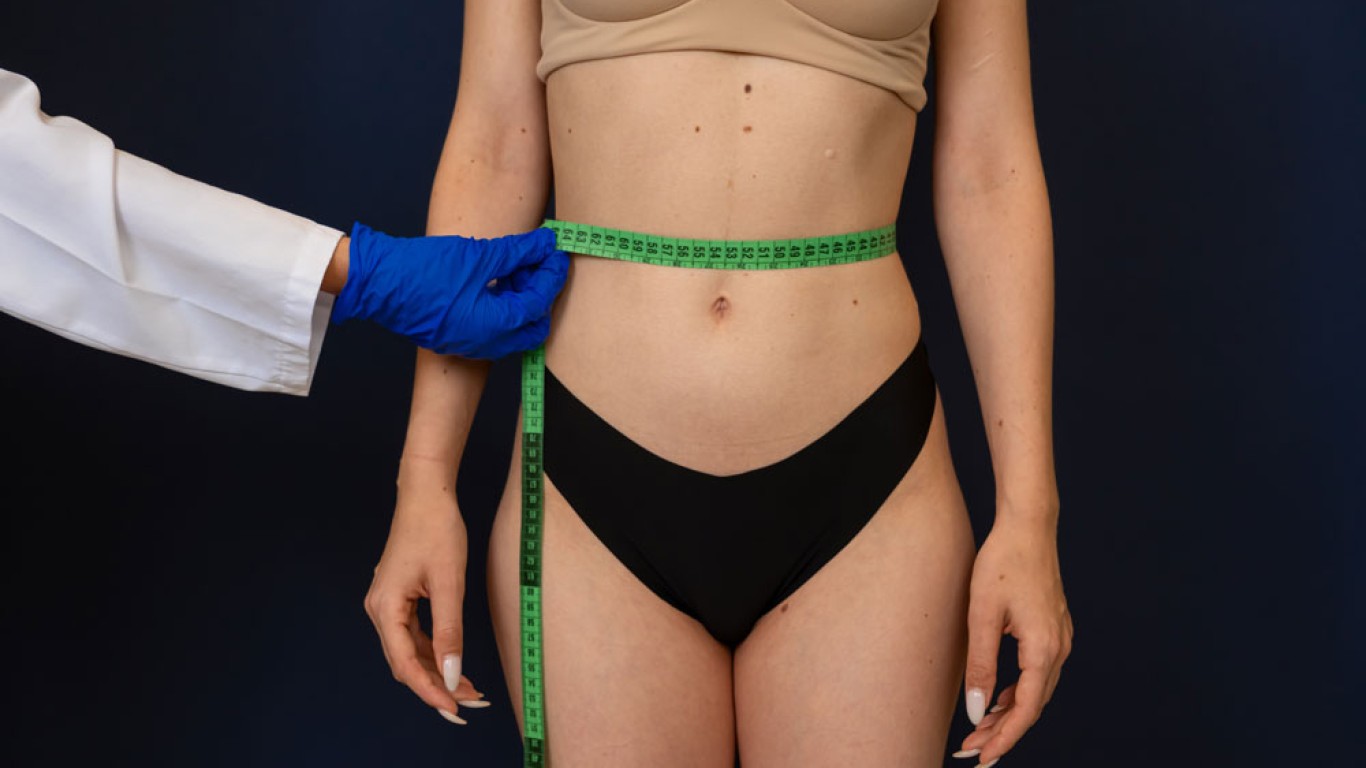
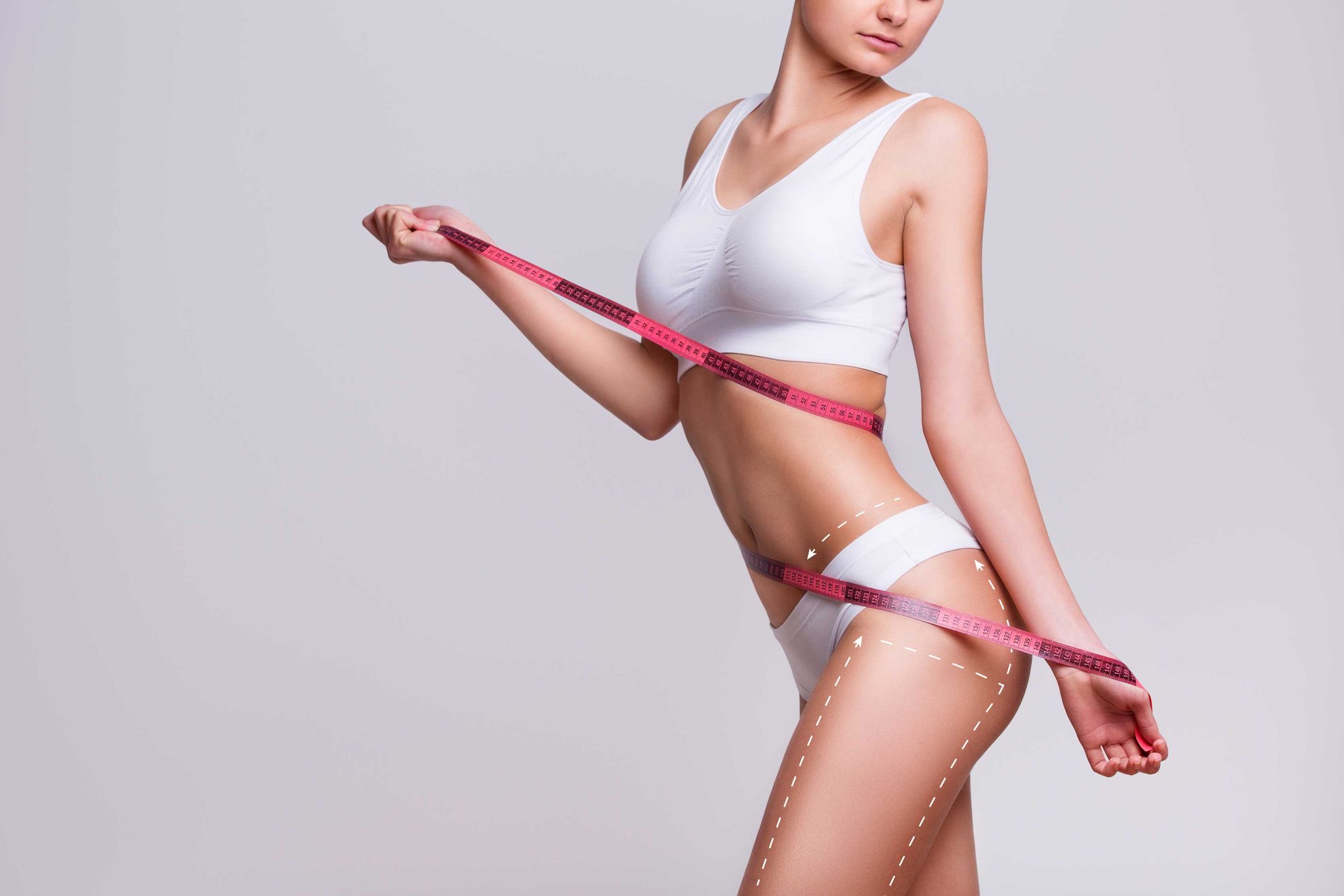
CoolSculpting suits patients with localised stubborn fat that resists diet and exercise. Those near their ideal body weight typically achieve the best results. The treatment is not designed as a weight loss solution. Patients with larger volumes of fat may benefit more from liposuction. Good general health supports safe treatment. Pregnancy is a contraindication. Certain medical conditions such as cold-related disorders may exclude patients. The treatment suits patients who want to avoid surgery and downtime. Those with active lifestyles particularly value the non-invasive nature. A consultation evaluates each patient’s individual suitability and creates a personalised treatment plan based on their concerns and goals.
The CoolSculpting Treatment Experience
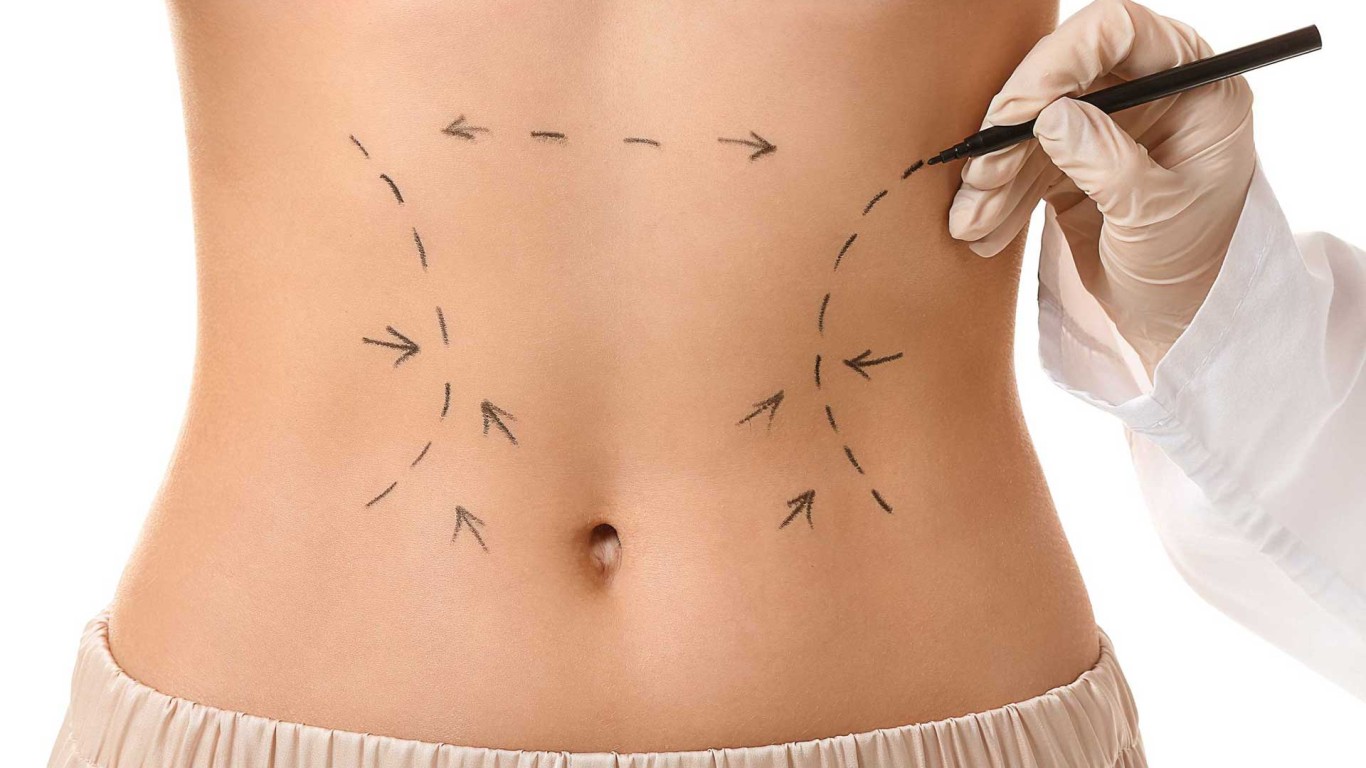
CoolSculpting treatment experience is straightforward and comfortable for most patients. The practitioner marks the treatment area. A gel pad is applied to protect the skin. The applicator is positioned and activated. The device draws the tissue into the applicator using gentle suction. Patients feel intense cold initially. This sensation typically subsides within minutes as the area becomes numb. Most patients use the time to read, work or relax. The treatment takes thirty-five to seventy-five minutes per area depending on the applicator used. The practitioner massages the treated area after removing the device. This helps break up the crystallised fat cells.
Results from CoolSculpting
CoolSculpting produces gradual results that develop over several weeks. Initial changes may be visible within three to four weeks of treatment. The most dramatic results typically appear at two to three months. The treated area shows visible fat reduction and improved contour. Most patients see a fifteen to twenty-five percent reduction in fat in the treated area. Some patients require multiple sessions for optimal results. Additional sessions are typically scheduled at least one month apart. The destroyed fat cells do not return. Maintaining a stable body weight preserves the improved contour. The results are permanent when body weight remains within a healthy range.
Recovery After CoolSculpting
Recovery from CoolSculpting requires no significant downtime. Most patients return to normal activities immediately after treatment. The treated area may feel tender or numb for several days. Mild redness, swelling or bruising can occur at the treatment site. These effects typically resolve within a few weeks. Some patients experience tingling or sensitivity in the treated area. These sensations usually subside within several weeks. No special aftercare is required beyond gentle handling of the treated area. Light exercise can resume the same day. The minimal recovery time is one of the most appealing aspects of the treatment compared with surgical alternatives.
How Many Sessions Are Needed?
Most patients require multiple CoolSculpting sessions for optimal results. The number of sessions depends on the treatment area and the amount of fat to be reduced. Smaller areas may achieve good results with a single session. Larger areas typically require two to three sessions. Sessions are spaced at least one month apart to allow the body to process the destroyed fat cells. Some patients need additional sessions for further refinement. The practitioner advises on the recommended treatment course during consultation.
The personalised plan ensures the most effective approach for each patient’s specific concerns and goals. Progress is usually assessed between sessions to determine how the body is responding. Adjustments to the treatment plan may be made based on visible changes and patient expectations. Gradual improvement allows for more natural-looking results. Patients who follow the full recommended course of treatment often achieve more consistent contour enhancement across the treated area.
Conclusion
CoolSculpting offers an effective non-surgical approach to reducing stubborn fat through controlled cooling technology. The treatment addresses localised fat deposits without surgery, anaesthesia or downtime. Results develop gradually over several weeks. Multiple sessions may be needed for optimal outcomes. The treatment suits patients near their ideal body weight with stubborn fat that resists diet and exercise. Liposuction remains a better option for larger volumes of fat. Realistic expectations support the best satisfaction with results. Professional consultation ensures personalised planning for each patient. Patients who understand the gradual nature of results tend to feel more satisfied with their progress. Maintaining a stable weight after treatment helps preserve the contour achieved.
For more information and to book a consultation visit the ACIBADEM Beauty Center Aesthetics page.
Frequently Asked Questions
A non-surgical fat reduction treatment that uses controlled cooling.
Initial changes appear within three to four weeks; full results at two to three months.
Liposuction removes more fat per session but requires surgery and recovery.
Most areas require two to three sessions for optimal results.
Yes, when body weight remains stable through healthy habits.