Ataşehir Mah. Feza Sk. No:3 İstanbul / Türkiye
 French
  English
  German
  Spanish
Introduction
Replacing a missing tooth can feel overwhelming for first-time patients. Many people are unsure which treatment option suits them best. One of the most common comparisons is dental implant vs bridge - both treatments restore function and appearance but work in different ways. Understanding these differences helps patients feel more confident. Personal priorities, oral health, and long-term planning all influence the decision. This article explains dental implant vs bridge clearly for those new to restorative dental care.
Why Replacing a Missing Tooth Matters
A missing tooth affects more than appearance. Gaps can change how teeth align over time. Neighbouring teeth may drift into the space - this can affect bite balance and chewing comfort. Bone beneath the missing tooth may also change gradually and speech clarity can be affected in some cases. Replacing the tooth supports overall oral stability. Early action often prevents additional issues. Understanding the potential impacts highlights the importance of treatment.
What Is a Dental Implant?
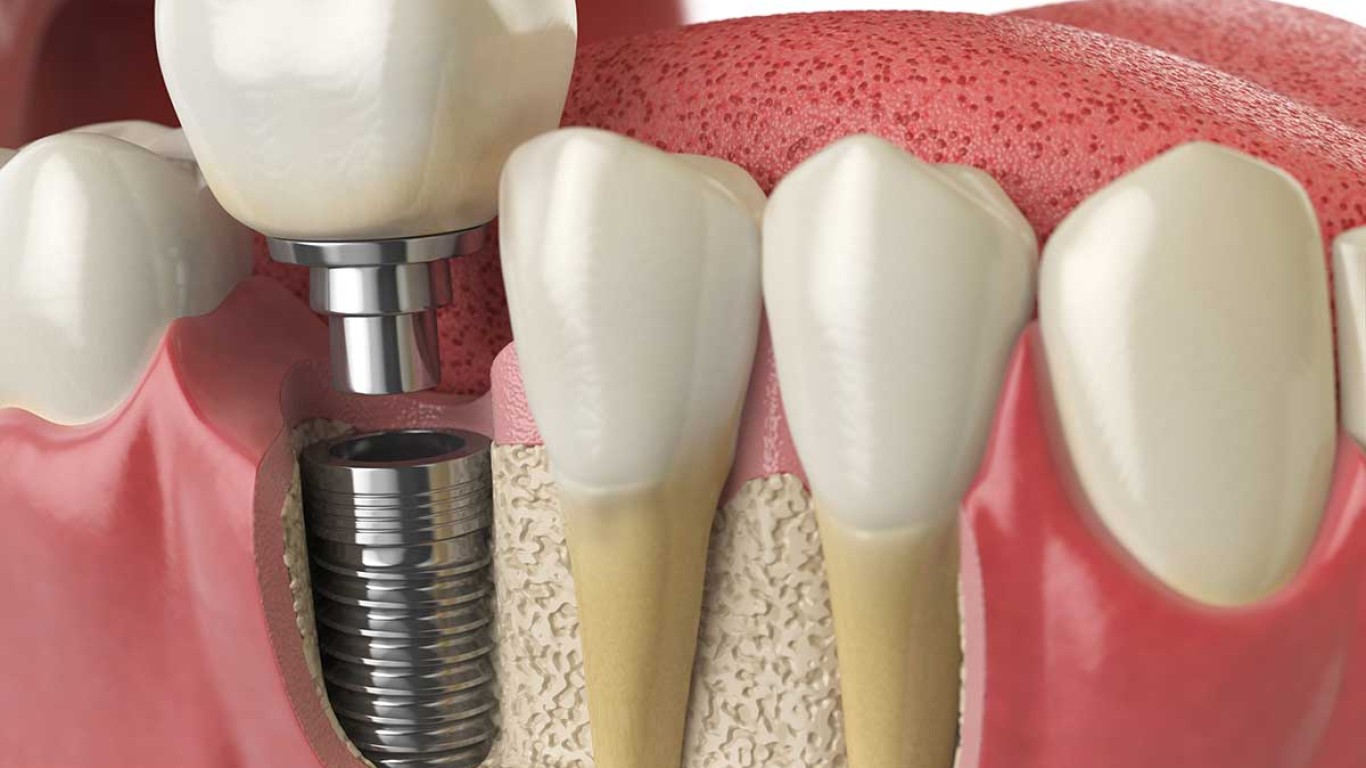
A dental implant replaces a missing tooth from the root upward - it involves placing a small titanium post into the jawbone. This post acts as an artificial tooth root and, once integrated, it supports a crown. Dental implants are designed to function independently and don’t rely on neighbouring teeth for support. This preserves surrounding tooth structure. Implants feel stable during eating and speaking. Many patients appreciate this self-supporting design.
What Is a Dental Bridge?
A dental bridge replaces a missing tooth by anchoring to adjacent teeth. These neighbouring teeth support the artificial tooth in between. The supporting teeth are usually covered with crowns. This creates a fixed restoration. A dental bridge restores the visible gap efficiently and doesn’t involve placement into the jawbone. The approach relies on existing teeth for stability. Bridges are a long-established treatment option and their simplicity appeals to many patients.
Dental Implant vs Bridge: Structural Differences
The main difference between dental implant vs bridge lies in support
- An implant stands alone within the jawbone.
- A bridge depends on adjacent teeth.
- This structural distinction influences planning.
- Implants preserve natural teeth on either side.
- Bridges require preparation of these teeth.
- Both options restore function effectively.
- The choice depends on oral condition and preference.
- Understanding structure helps clarify suitability for either treatment.
Dental Implant vs Bridge for First-Time Patients
First-time patients often prioritise clarity and comfort. Dental implant vs bridge decisions can feel complex initially, so understanding the basics helps reduce uncertainty. Consultation plays an important role in the early stages.

Bone Health Considerations for First-Time Patients
Bone health is an important factor when comparing treatment options. After tooth loss, the jawbone in that area may gradually change - this happens because the bone no longer receives stimulation. Over time, this can affect facial structure and bite stability. When evaluating dental implant vs bridge options, dentists consider existing bone levels carefully. Some patients have sufficient bone to support an implant while others may benefit from a bridge if bone support is limited. Understanding bone condition helps guide suitable recommendations. First-time patients often learn this during imaging assessment.
Impact on Neighbouring Teeth Over Time
Another key difference involves how neighbouring teeth are affected. A bridge relies on adjacent teeth for support as these teeth are prepared to hold crowns. This creates a stable restoration but involves altering healthy tooth structure. With dental implant vs bridge decisions, some patients prefer to avoid touching neighbouring teeth. Preserving natural tooth enamel can be a priority. Dentists explain how each option influences surrounding teeth long term. First-time patients benefit from understanding this impact because tooth preservation often shapes personal preferences.
Flexibility for Future Dental Treatments
Long-term flexibility is another consideration as oral health needs may change over time. A treatment choice today should integrate with future care plans. Dentists often discuss how restorations interact with later treatments. When comparing dental implant vs bridge, future adaptability is reviewed. Some options allow easier modification later but others become part of a fixed structure. Planning ahead helps avoid complex changes later in life. First-time patients often appreciate this forward-thinking discussion.
Dental Implant vs Bridge: Sensation and Bite Feedback Differences
Patients often ask how each option feels during everyday use. Dental implants transmit bite forces directly to the jawbone, which can feel similar to natural teeth. Chewing feedback feels stable and controlled. Bridges distribute bite forces through supporting teeth. This feels comfortable for most patients, however sensation may differ slightly. Adaptation usually occurs quickly but understanding these differences helps first-time patients set their expectations realistically.
Decision-Making Support During the First Consultation
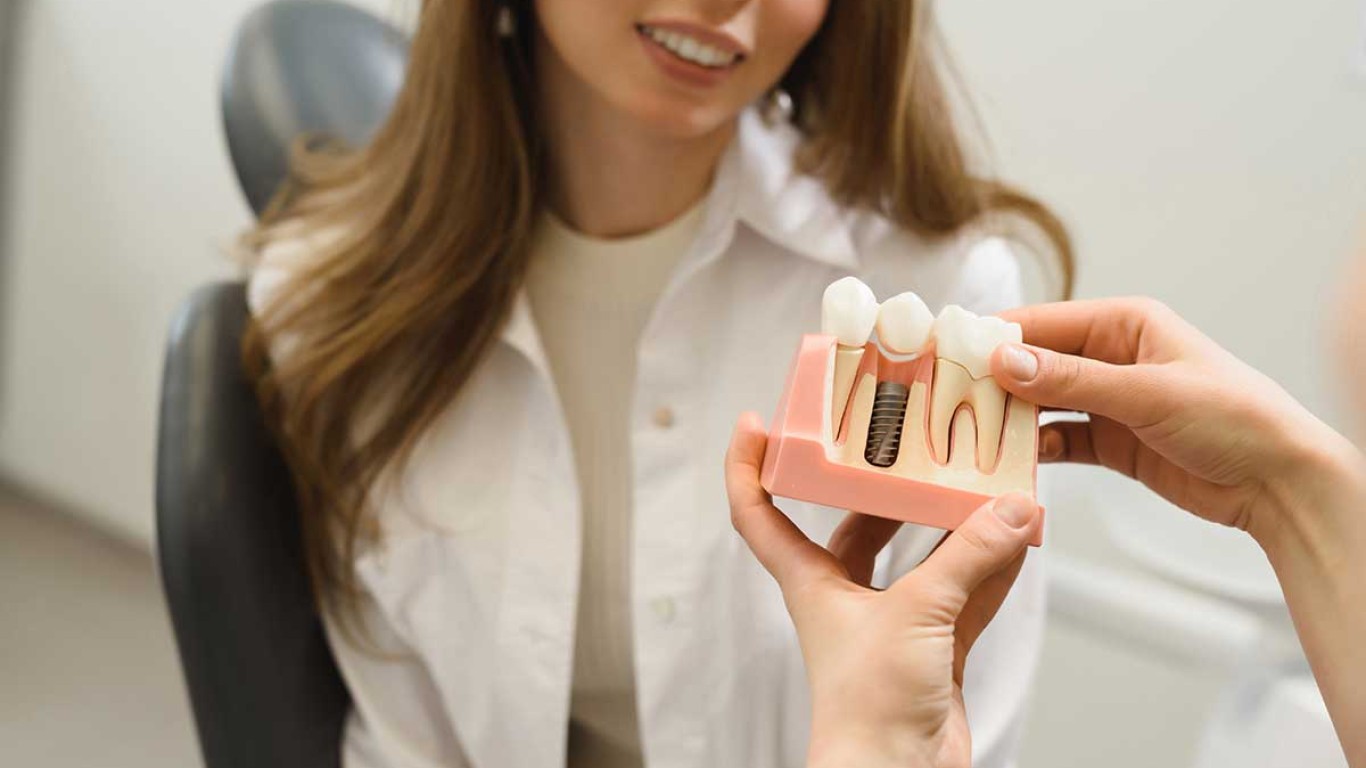
The first consultation plays a major role in decision making. Dentists assess oral health, spacing, and bite alignment while imaging supports accurate planning. Patients are encouraged to ask questions freely. When discussing the questions of dental implant vs bridge, visual aids are often used. These help clarify structural differences. Clear explanation reduces uncertainty and first-time patients gain confidence through understanding.
Dental Implant vs Bridge: Treatment Timeline
Treatment timelines differ between options.
- Dental implants usually involve several stages. Healing and integration occur before final restoration, a process that takes time.
- A dental bridge often follows a shorter timeline. Preparation and placement may be completed sooner. Some patients value this speed, while others prioritise long-term planning.
- Timeline preference plays a key role in decision making.
Maintenance and Daily Care Differences
Daily care varies slightly between options:
- Dental implants are cleaned like natural teeth. Regular brushing and flossing are essential. Care focuses on gum health around the implant.
- A dental bridge requires attention beneath the artificial tooth and special flossing tools may be recommended. Supporting teeth need consistent care.
- Both options require good oral hygiene and ongoing maintenance habits influence longevity.
How Each Option Feels in Daily Life
Patients often wonder how treatments feel once completed. Dental implants feel very similar to natural teeth because they remain stable during chewing. There is no movement. A dental bridge also feels secure. However, cleaning requires more awareness and some patients notice differences initially. Daily comfort is generally high with both options.
Dental Implant vs Bridge: Aesthetic Considerations
Aesthetics are important for many patients. Both options can look very natural because colour and shape are matched carefully. Careful placement also affects appearance. Dental implants emerge naturally from the gum while bridges rely on surrounding teeth for alignment. Skilled planning ensures harmony and aesthetic outcomes depend on the chosen technique.
Long-Term Planning and Tooth Preservation
Long-term planning differs between dental implant vs bridge.
- Implants help preserve bone beneath the missing tooth. This supports jaw structure over time and neighbouring teeth remain untouched.
- Bridges rely on supporting teeth long term, which means that these teeth bear additional load. Planning considers future oral health goals and dentists should discuss long-term implications. Preservation often influences choice.
Dental Implant vs Bridge: Cost Structure and Value Considerations
Cost structures vary between options. Dental implants often involve higher initial investment. Bridges may appear more financially accessible initially. However, true value needs to be assessed over time and you should consider both longevity and maintenance. Dentists help patients understand this clearly and financial planning forms part of consultation.
Dental Implant vs Bridge in Turkey
Turkey attracts first-time dental patients seeking clarity as well as technical expertise. Clinics in Istanbul place strong emphasis on consultation-led planning rather than one-size solutions. Patients are guided through comparisons using visual assessments and clear explanations. This approach helps simplify complex choices.
Leading providers prioritise case-by-case evaluation and continuity of care. Treatment decisions are aligned with oral health goals and long-term planning. Advanced diagnostic tools support accuracy throughout the process. For many patients, this structured yet patient-focused model makes treatment decisions feel more manageable.
Choosing the Right Option with Professional Guidance
Choosing between dental implant vs bridge should ultimately involve expert guidance. Dentists assess anatomy, oral health, and lifestyle, using visual tools to help support a full understanding of the options. There is no single correct choice for everyone and individual needs guide professional recommendations.
Conclusion
Comparing dental implant vs bridge options allows first-time patients to approach treatment with greater clarity. Both solutions restore chewing function and visual balance, although they differ in structure and long-term planning. Individual oral health and personal priorities play a central role in choosing the right option. Professional consultation helps align expectations with suitable recommendations. A clear understanding of each approach supports confident, informed decisions.
If you’re trying to choose between dental implants and bridges, and would like to speak to a professional, visit the ACIBADEM Beauty Center dental treatments page.
Frequently Asked Questions
An implant stands alone, while a bridge relies on neighbouring teeth.
Yes, both can suit first-time patients after assessment.
Many patients find implants feel closest to natural teeth.
Both require good oral hygiene, with slight differences.
Turkey offers experienced dentists and structured care pathways.