Ataşehir Mah. Feza Sk. No:3 İstanbul / Türkiye
 French
  English
  German
  Spanish
Introduction
Missing teeth can affect daily comfort, speech and chewing efficiency. Many patients look for reliable solutions that restore function quickly. One commonly recommended option is a dental bridge. This treatment replaces missing teeth by anchoring to neighbouring teeth. It aims to restore balance and stability within the mouth. Understanding how a dental bridge works helps patients make more informed choices. This article explains what a dental bridge is and when it is typically recommended.
What Is a Dental Bridge?
A dental bridge is a fixed dental restoration used to replace one or more missing teeth. It literally bridges the gap left by missing teeth. The structure is supported by neighbouring natural teeth or restorations - these supporting teeth are known as abutments. The artificial tooth in between is called a pontic. The bridge restores the visible portion of the smile. It also helps maintain proper bite alignment. Unlike removable options, it stays in place permanently. This stability appeals to many patients. Function and appearance are restored at the same time.
Types of Dental Bridge Designs
There are several types of dental bridge designs available.
- Traditional bridges are the most common option. They use crowns placed on teeth adjacent to the gap. These crowns support the pontic securely.
- Cantilever bridges are used when only one adjacent tooth is available.
- Maryland bridges use a metal or ceramic framework bonded to nearby teeth.
Each design suits different situations. Dentists recommend the most appropriate option after assessment. Structure and support guide the choice.
How a Dental Bridge Is Placed
The placement process usually involves multiple steps.
- First, the supporting teeth are prepared carefully. This allows crowns to fit securely.
- Impressions are taken to ensure precise fabrication.
- A temporary restoration may be placed while the final bridge is created.
- Once ready, the dental bridge is fitted and adjusted.
- Dentists check comfort and bite alignment.
When a Dental Bridge Is Recommended
A dental bridge is often recommended when one or more teeth are missing. It suits patients who prefer a fixed solution. Adjacent teeth must be healthy enough to provide support - an important consideration. Dentists may suggest this solution to restore chewing efficiency. It also helps prevent neighbouring teeth from shifting because gaps can affect bite balance over time..
How Missing Teeth Affect Bite Balance Over Time
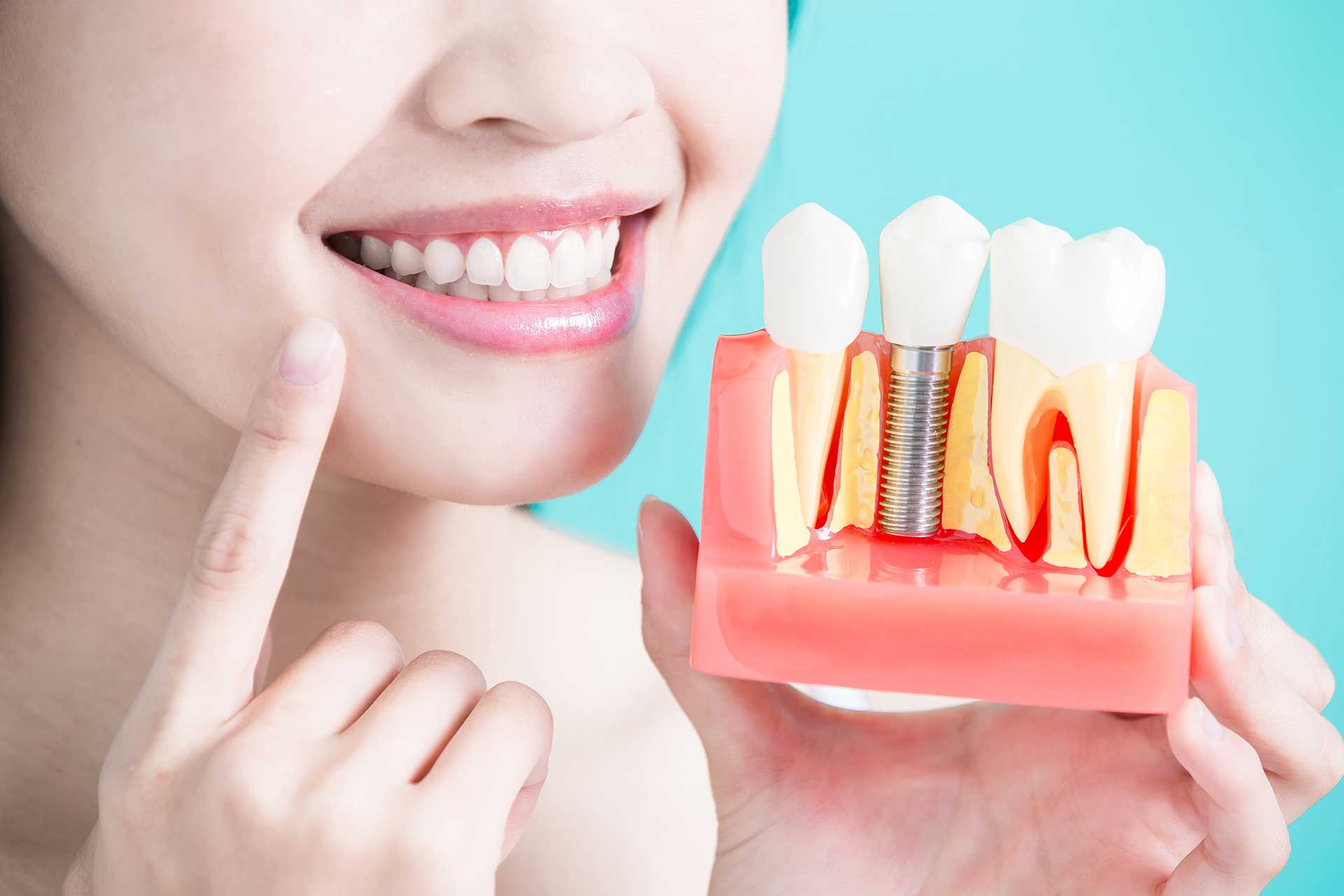
When a tooth is lost, the bite begins to change gradually and neighbouring teeth may shift toward the empty space. Opposing teeth can also move because they lack contact. These changes affect how upper and lower teeth meet. Over time, uneven pressure may develop. A dental bridge helps maintain bite balance by filling the gap. It preserves spacing and alignment across the arch. This support protects surrounding teeth from unnecessary movement. Stable bite relationships contribute to long-term oral function. Early intervention often prevents complex future issues.
Jaw Function and Bite Stability Over Time
One less discussed aspect of treatment planning involves how a replacement solution supports jaw stability over time. When a gap is left untreated, uneven chewing patterns may develop. This can place additional strain on one side of the jaw. Over time, this imbalance may affect comfort during eating. Replacing the missing tooth helps distribute bite forces more evenly. Balanced function supports long-term comfort during daily use.
The Role of Supporting Teeth in Bridge Success
Supporting teeth play a central role in treatment success because these teeth anchor the bridge securely. Their strength and structure are carefully evaluated beforehand - healthy enamel and roots are essential. Dentists prepare these teeth to receive crowns. This allows the bridge to function as a single unit. Proper support ensures even force distribution during chewing. When supporting teeth are well selected, comfort improves and long-term reliability depends on this foundation.
Materials Commonly Used for Dental Bridges
Bridges are made from several materials. Porcelain is commonly used for visible areas because it closely resembles natural tooth colour. Ceramic blends offer strength and aesthetics. Metal-based bridges may also be used in less visible regions. These provide durability under heavy bite forces. Some bridges combine materials for balance and the choice depends on location and function.
Aesthetic Considerations When Replacing Front Teeth
Replacing front teeth requires special attention because these teeth play a major role in appearance. Shape, size, and colour must blend naturally. Even small differences can be noticeable. Bridges for front teeth are designed with precision and dentists match shade and translucency carefully. The goal is seamless integration. Smile harmony depends on accurate planning. Aesthetic balance remains a top priority.
Dental Bridge Care and Cleaning Techniques
Cleaning around a bridge requires specific techniques as food particles can collect beneath the pontic. Special floss or interdental brushes are often recommended - these tools reach areas standard brushing cannot. Daily cleaning helps protect supporting teeth, as well as helping support gum health. Consistent care prevents plaque buildup and dentists should demonstrate proper techniques during follow-up. Maintenance is straightforward with guidance.
When a Temporary Bridge Is Used
Temporary bridges are sometimes placed during treatment in order to protect prepared teeth while the final bridge is made. This maintains comfort and appearance. Temporary restorations also preserve spacing. Patients use temporary bridges for a short period and dentists provide care instructions. Final fitting follows once the permanent bridge is ready. This staged approach supports accuracy and the temporary solution plays an important role in the long term.
Long-Term Planning and Oral Health Monitoring
Ongoing dental visits support bridge longevity. Dentists monitor supporting teeth and gums and bite alignment is checked regularly. Small adjustments may be made over time. Patients benefit from routine assessments because the early detection of any issues protects results. A bridge becomes part of an overall oral health strategy and allows confidence to grow over time.
Benefits of Choosing a Dental Bridge
A bridge offers several practical benefits.
- It restores the ability to chew comfortably.
- Speech clarity may also improve.
- The smile appears more complete and balanced.
- Because it is fixed, it feels more natural than removable options.
- Daily care is straightforward with proper hygiene.
- A bridge can last many years with maintenance.
- Reliability is a key advantage.
Dental Bridge Compared with Other Options
Dentists often compare a bridge with implants or dentures. Each option has distinct characteristics. A bridge does not require surgery, which means that it appeals to some patients. Unlike implants, a bridge relies on adjacent teeth for support. Compared with dentures, it offers greater stability, but the decision depends on anatomy and personal preference. Dentists ensure they explain these differences very clearly.
Oral Health Considerations Before Treatment
Oral health must be assessed fully before placing a bridge. Supporting teeth should be free from active decay. Gum health is also important. Stable foundations ensure success. Dentists evaluate bite alignment carefully. X-rays may be used during planning. Addressing existing issues first is essential. Preparation supports long-term outcomes. Healthy conditions improve reliability.
Dental Bridge Longevity and Maintenance
With proper care, a bridge can last many years. Regular dental check-ups are absolutely vital because good oral hygiene supports durability. Brushing and flossing remain essential.
Planning for Future Dental Care
Another important consideration is how treatment fits into future dental planning. A fixed restoration can act as a stabilising element within a broader care strategy. It preserves spacing that may later support other treatments if required. Dentists often consider how today’s solution interacts with long-term oral health goals. This forward-thinking approach helps avoid complex adjustments later. Strategic planning adds value beyond immediate restoration.
Conclusion
A bridge offers a dependable way to replace missing teeth while restoring function and overall balance. It improves appearance and supports oral stability when neighbouring teeth can provide reliable support. Understanding how the treatment works helps patients develop realistic expectations. With consistent care, results can remain durable over time. Expert assessment ensures the approach is planned appropriately.
For more information about dental bridges and other treatments, visit the ACIBADEM Beauty Center dental treatments page.
Frequently Asked Questions
It replaces missing teeth using support from neighbouring teeth.
It is a fixed dental restoration.
With good care, it can last many years.
The procedure is planned for comfort.
Turkey offers experienced dentists and organised care pathways.