Ataşehir Mah. Feza Sk. No:3 İstanbul / Türkiye
 French
  English
  German
  Spanish
Introduction
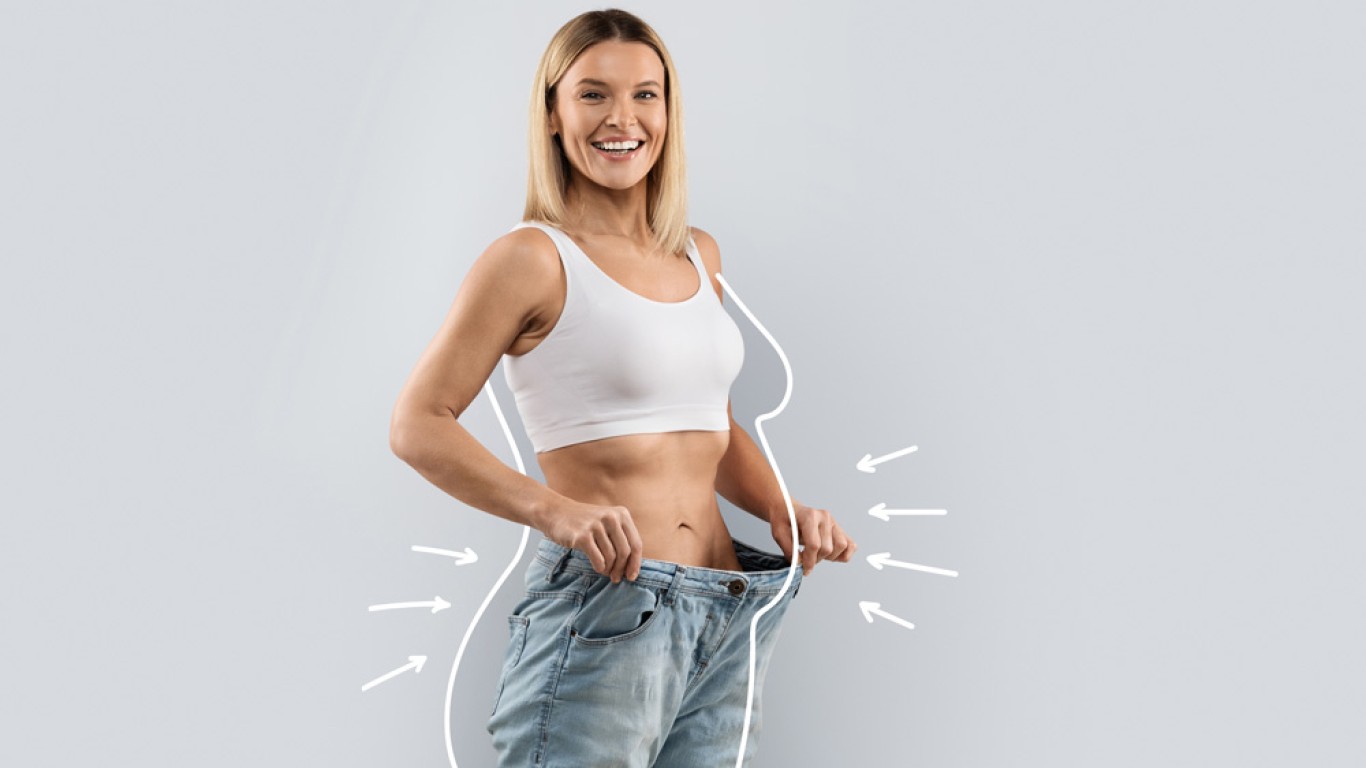
Endoscopic weight loss surgery has emerged as a significant development in obesity treatment. These procedures offer an alternative to traditional bariatric surgery for patients seeking meaningful weight reduction without major surgical intervention. Endoscopic weight loss surgery uses instruments passed through the mouth to modify the stomach internally. No external incisions are required. This approach appeals to patients who want effective weight loss support but prefer to avoid the risks and recovery associated with conventional surgery. Understanding the available procedures helps patients evaluate whether this approach suits their circumstances. This article explains how endoscopic surgery works and what results to expect. It also looks at how it compares with surgical alternatives.
What Is Endoscopic Weight Loss Surgery?
Endoscopic weight loss surgery refers to a group of procedures performed through the mouth using an endoscope. An endoscope is a flexible tube with a camera and working channel. The procedures modify the stomach without any external incisions on the body. Endoscopic weight loss surgery is performed under sedation rather than general anaesthesia in most cases. The procedures reduce stomach capacity or alter gastric function to promote weight loss. They occupy a position between lifestyle interventions and traditional bariatric surgery. Endoscopic surgery suits patients who have not achieved their goals through diet and exercise alone. It also suits those who prefer a less invasive approach than surgical options. Examples of surgical options include gastric sleeve or gastric bypass.
Types of Endoscopic Weight Loss Surgery
Several endoscopic weight loss surgery procedures are currently available. The intragastric balloon is placed inside the stomach to reduce available volume. It promotes fullness and limits portion sizes during its placement period of 6-12 months. Endoscopic sleeve gastroplasty uses sutures to reduce stomach volume by around 70%. This procedure mimics the effect of a surgical sleeve gastrectomy without incisions. Aspiration therapy uses a device that allows partial removal of stomach contents after meals. Endoscopic surgery also includes newer techniques such as duodenal mucosal resurfacing. This modifies the intestinal lining to improve metabolic function. The gastroenterologist recommends the most appropriate procedure based on BMI, health conditions and individual weight loss goals.
How Endoscopic Weight Loss Surgery Compares with Bariatric Surgery
Endoscopic weight loss surgery differs from traditional bariatric surgery in several important ways.
| Feature | Endoscopic Procedures | Bariatric Surgery |
| Anaesthesia | Sedation | General anaesthesia |
| Incisions | None | Laparoscopic or open |
| Hospital stay | Same day or overnight | Two to four days |
| Recovery time | Three to seven days | Four to six weeks |
| Typical weight loss | Ten to twenty percent | Twenty-five to thirty-five percent |
| Reversibility | Often reversible | Mostly permanent |
Endoscopic weight loss surgery produces meaningful but generally less dramatic weight reduction than bariatric surgery. It suits patients with a BMI of 30-40 who haven’t responded to lifestyle modification alone. Traditional bariatric surgery typically suits patients with a BMI above forty or above thirty-five with significant obesity-related health conditions. The choice between approaches depends on the degree of weight loss required and individual factors.

Endoscopic Weight Loss Surgery: The Procedure Experience
The procedure experience is significantly less disruptive than traditional surgery. Endoscopic weight loss surgery is typically performed as a day case or with a single overnight stay. Patients arrive fasting. Sedation is administered intravenously. The endoscope is passed through the mouth into the stomach. The specific procedure is performed using instruments passed through the endoscope's working channel. For balloon placement, the deflated balloon is positioned and filled with saline. For endoscopic sleeve gastroplasty, sutures are placed to reduce stomach volume internally. Endoscopic surgery takes approximately thirty to ninety minutes depending on the procedure type. Patients are monitored during recovery from sedation. Most patients go home the same day. Throat discomfort is common for the first day but resolves quickly.
Endoscopic Weight Loss Surgery Recovery
Recovery from endoscopic weight loss surgery is substantially faster than surgical alternatives. Most patients experience nausea, cramping and discomfort during the first two to five days. Anti-nausea medication is prescribed to manage the adjustment period. A liquid diet is followed for the first few days after the procedure. Soft foods are introduced gradually over one to two weeks. Endoscopic surgery allows most patients to return to normal activities within 3-7 days. No wound care or dressing changes are required because there are no external incisions. Heavy exercise may resume within one to two weeks. The rapid recovery is one of the most appealing aspects of endoscopic approaches compared with bariatric surgery, which typically requires four to six weeks before full activity resumes. Dietary guidance during the early weeks helps patients adapt to smaller portion sizes comfortably.
Results from Endoscopic Weight Loss Surgery
Endoscopic weight loss surgery produces clinically meaningful weight loss for most suitable patients. Intragastric balloons typically produce loss of 10-15% of total body weight during the placement period. Endoscopic sleeve gastroplasty produces weight loss of fifteen to twenty percent of total body weight over twelve to twenty-four months. These results are less dramatic than surgical bariatric procedures but remain significant for health improvement. Endoscopic surgery results are enhanced considerably when combined with structured dietary support. They are also improved through physical activity. Blood pressure, blood sugar and cholesterol levels often improve alongside weight reduction. Long-term success depends on maintaining the behavioural changes established during and after treatment. The procedure creates a tool that supports weight loss. Sustained commitment to healthy habits determines the lasting benefit.
Who Suits Endoscopic Weight Loss Surgery?
Endoscopic weight loss surgery suits specific patient profiles. Those with a BMI between 30-40 are strong candidates. It also suits those who have not achieved sufficient results through diet and exercise. Patients who do not qualify for or prefer to avoid bariatric surgery benefit from the endoscopic approach. Those with obesity-related health conditions such as type two diabetes or hypertension may see meaningful improvement. Endoscopic surgery also suits patients who want a stepping-stone approach before potentially considering surgical options in the future. It is less suitable for patients with very high BMI who require more substantial weight reduction. Previous stomach surgery may affect eligibility for some procedures. A comprehensive medical assessment determines individual suitability. Commitment to dietary change and ongoing follow-up support is essential for achieving the best outcomes.
Cost and Accessibility
Endoscopic weight loss surgery is available at specialist gastroenterology and obesity treatment centres worldwide. In the UK, pricing for intragastric balloon procedures ranges from £4,000-£8,000. Endoscopic sleeve gastroplasty is priced higher due to its complexity. Turkey offers all endoscopic procedures at significantly lower pricing within all-inclusive packages. Turkish packages typically include the procedure, sedation, dietary support, accommodation and aftercare. Endoscopic surgery in Turkey provides strong overall value for international patients. The pricing difference reflects lower operational costs rather than reduced clinical quality. JCI-accredited hospitals use the same devices and equipment available at leading European centres. Professional consultation ensures patients receive personalised assessment and the most appropriate procedure recommendation.
Conclusion
Endoscopic weight loss surgery offers a meaningful alternative to traditional bariatric procedures for suitable patients. The procedures are performed through the mouth without external incisions. Recovery is substantially faster than surgical options. Weight loss of 10-20% of total body weight is achievable depending on the procedure chosen. Endoscopic surgery suits patients with a BMI between thirty and forty who want a less invasive approach. Results depend on combining the procedure with sustained dietary and lifestyle changes. Professional consultation determines which endoscopic procedure best suits individual health circumstances and goals. Turkey offers endoscopic weight loss surgery at competitive pricing with experienced gastroenterologists and modern facilities.
To find out more about weight loss surgery in Turkey visit the ACIBADEM Beauty Center Obesity Surgery page.
Frequently Asked Questions
A group of non-surgical procedures performed through the mouth to reduce stomach capacity and promote weight loss.
Most patients lose ten to twenty percent of total body weight depending on the procedure.
Recovery takes three to seven days. Most patients return to normal activities within one week.
It suits patients who prefer a less invasive approach. Bariatric surgery produces greater weight loss for higher BMI patients.
Long-term results depend on maintaining dietary and lifestyle changes alongside the procedure.