Ataşehir Mah. Feza Sk. No:3 İstanbul / Türkiye
 French
  English
  German
  Spanish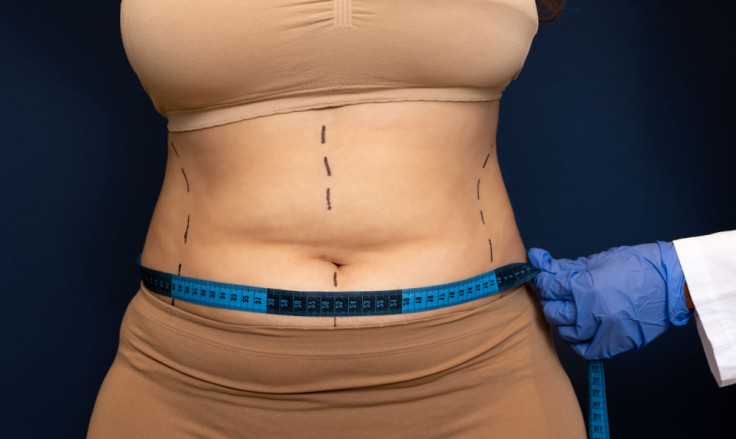
Introduction
The lipectomy procedure is often discussed in relation to body contouring, yet its purpose is frequently misunderstood. Many patients encounter the term while researching treatment after major weight changes. Unlike cosmetic reshaping surgeries, this procedure focuses on removing excess tissue that causes functional challenges. As awareness grows, more people seek clear and accurate information. Understanding how a lipectomy works helps patients decide whether it aligns with their needs. This article explains the procedure, its goals, and what patients should realistically expect.
What Is a Lipectomy Procedure
The lipectomy procedure involves the surgical removal of excess skin and fatty tissue. It is designed to reduce physical burden rather than reshape body contours. The focus remains on practicality and comfort. Muscle tightening and aesthetic sculpting are not part of this approach.
Most commonly, a lipectomy is performed on the abdomen. Excess tissue may hang or fold, creating discomfort. Removal helps improve movement and daily function. While appearance may change, it is not the primary objective. Purpose defines the technique.
Why the Lipectomy Procedure Is Performed
Patients often consider the lipectomy procedure after significant weight loss. Rapid or substantial weight reduction can leave behind loose skin. This tissue does not retract naturally in many cases. It may interfere with clothing and activity.
Other patients seek treatment due to medical or mobility concerns. Excess skin can restrict movement or create hygiene difficulties. A lipectomy addresses these issues directly. Functional relief motivates decision making. Comfort becomes the main priority.
Common Areas Treated with a Lipectomy Procedure
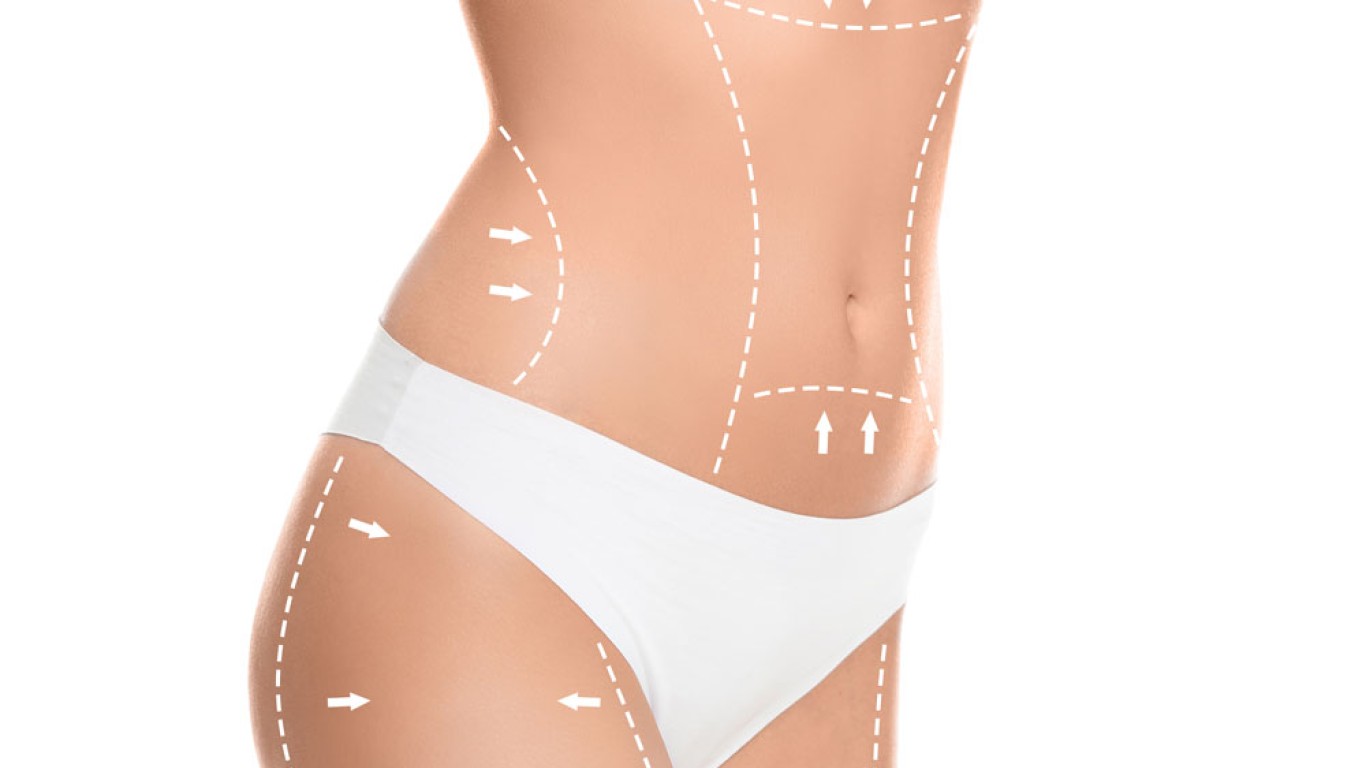
The abdomen is the most frequently treated area. Excess tissue may form a pannus, or overhanging skin fold. This area is particularly prone to discomfort. Removal often improves ease of movement.
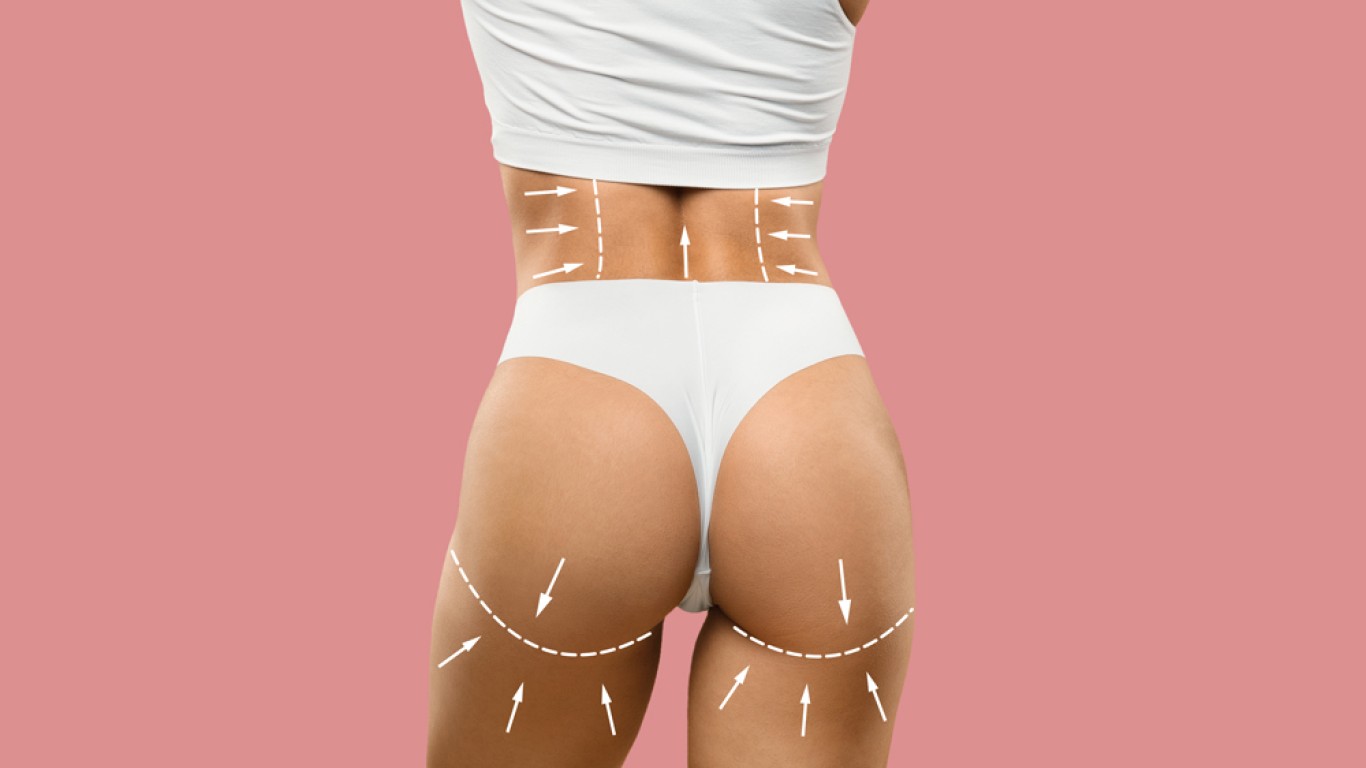
Other areas may also be treated depending on tissue distribution. Thighs, arms, and back can be affected. The lipectomy procedure adapts to different anatomical regions. Each area requires specific planning. Location influences surgical approach.
How the Lipectomy Procedure Differs from Cosmetic Surgery
The lipectomy procedure differs clearly from cosmetic body contouring. Cosmetic procedures focus on reshaping and definition. They often involve muscle repair and contour refinement. Lipectomy does not include these elements.
Instead, the procedure removes excess tissue only. Visual improvement may occur, but it is secondary. This distinction is essential for expectation management. Patients should not confuse lipectomy with aesthetic enhancement. Purpose guides outcomes.

What the Lipectomy Procedure Involves Surgically
During the lipectomy procedure, an incision is made to remove excess skin and fat. The incision placement depends on the treated area. Surgeons prioritise complete tissue removal. Closure focuses on secure healing.
The underlying muscle structure remains unchanged. There is no tightening or repositioning. Surgical planning emphasises efficiency and function. Precision supports smoother recovery. Each procedure is tailored individually.
Assessment and Planning Before a Lipectomy Procedure
Thorough assessment is essential before proceeding. Surgeons evaluate the extent of excess tissue carefully. Medical history is reviewed to ensure suitability. Individual anatomy influences planning.
Patients discuss goals and limitations during consultation. Understanding what the lipectomy procedure can achieve is important. Clear communication supports realistic expectations. Planning focuses on functional benefit. Preparation ensures confidence.
Recovery Expectations After The Procedure
Recovery after the lipectomy procedure centres on comfort and adaptation. Patients often notice reduced physical strain. Daily activities may feel easier over time. Healing progresses gradually.
Support garments may be recommended to aid comfort. Follow-up appointments monitor progress. Recovery timelines vary between individuals. Patience supports optimal results. Functional improvement remains the focus.
Long-Term Results
Long-term results reflect the procedure’s functional purpose. Removed tissue does not return. With stable weight, outcomes remain consistent. Comfort improvements are often lasting.
A lipectomy does not prevent future weight changes. Lifestyle habits influence satisfaction over time. Understanding this supports realistic expectations. Stability enhances long-term benefit. Results align with intent.
The Procedure After Major Weight Loss
Many patients consider the lipectomy procedure after bariatric surgery. Significant weight loss often leaves excess skin. This tissue may affect movement and daily comfort. Lipectomy addresses this stage effectively.
Timing is important once weight stabilises. Surgeons assess readiness carefully. The procedure complements weight loss journeys. Functional relief supports quality of life. Planning considers overall health.
Body Shape Expectations After a The Procedure
Although not cosmetic, body shape does change. Removing excess tissue reduces bulk. The abdomen may appear flatter. However, contour refinement is limited.
Patients should expect practical improvement first. Waist definition may not change significantly. Understanding this prevents disappointment. Education supports satisfaction. Function defines success.
Lipectomy Procedure in Turkey
Turkey has become a recognised destination for functional body procedures. Clinics in Istanbul have experience with post-weight loss surgery. A Lipectomy is commonly performed for international patients. Structured care supports medical travel.
Centres such as Acibadem emphasise personalised assessment. Treatment plans align with individual needs. Support services simplify logistics. Turkey combines expertise with accessibility. Practical care pathways attract patients.
Choosing the Right Surgeon
Surgeon selection plays an important role in outcomes. Experience with excess tissue removal is essential. Functional anatomy knowledge is critical. Not all body procedures are alike.
Consultation should focus on realistic outcomes. Surgeons explain technique and limitations clearly. Trust and communication matter. Choosing expertise supports smoother experience. Informed decisions build confidence.
Long-Term Lifestyle Considerations
Lifestyle stability supports lasting results. Weight maintenance helps preserve outcomes. Significant fluctuations may affect appearance. Physical activity often feels easier after tissue removal.
Patients often feel more comfortable engaging in daily routines. Clothing options may expand. Understanding how the procedure fits into lifestyle goals matters. Functional improvement supports broader wellbeing. Long-term habits influence satisfaction.
Functional Improvements Beyond Appearance
Removing excess tissue often leads to noticeable improvements in daily comfort. Simple movements such as walking, sitting, or bending may feel easier. Clothing can fit more predictably without overhanging folds. These changes often enhance day-to-day practicality rather than visual aesthetics.
Many patients report improved ease during physical activity. Reduced friction in skin folds can also simplify personal care routines. While appearance changes are secondary, comfort improvements are often immediate. This functional focus defines success for many individuals. Understanding these benefits helps align expectations.
The Importance of Weight Stability Before Surgery
Weight stability plays a crucial role in long-term outcomes. Surgeons usually recommend reaching a stable weight before proceeding. This helps ensure excess tissue will not return. It also supports more predictable results.
Fluctuating weight can affect how the body heals and adapts. Planning surgery after weight stabilisation allows better assessment of tissue excess. This timing supports durability. Patients benefit from patience during this phase. Long-term planning often leads to better satisfaction.
How Incision Planning Affects Mobility and Comfort
Incision placement is planned carefully to prioritise function. Surgeons aim to remove tissue efficiently while supporting movement. The goal is to reduce bulk without restricting flexibility. Placement considers how the body bends and stretches.
Thoughtful planning helps minimise tension during daily activities. Over time, mobility often improves as healing progresses. Comfort remains central to technique selection. This planning approach reflects the functional nature of the procedure. Precision supports smoother adaptation.
Psychological Adjustment to Physical Change
Adapting to physical changes takes time. Even functional improvements can feel unfamiliar initially. Patients often notice differences in posture or movement. This adjustment period is normal.
Education helps patients understand the healing timeline. Gradual change supports acceptance. Familiarity grows as daily routines normalise. Open discussion during follow-up supports reassurance. Adjustment is part of the recovery journey.
Long-Term Care and Body Awareness
Long-term care focuses on maintaining comfort and stability. Patients are encouraged to monitor weight changes. Consistent habits support lasting outcomes. Body awareness often improves after excess tissue removal.
Patients may feel more motivated to maintain healthy routines. Improved comfort can encourage regular movement. Long-term care is practical rather than intensive. Understanding this supports confidence. Over time, improved physical comfort often supports better posture, easier movement, and greater confidence when engaging in everyday activities and routine tasks. Functional success extends beyond surgery itself.
Conclusion
The lipectomy procedure is designed to remove excess skin and fat for functional relief. It differs clearly from cosmetic body contouring. Patients often consider it after major weight changes. The focus remains on comfort, mobility, and practicality. .Understanding what the procedure involves supports informed decision making. Expert consultation ensures appropriate planning.
For more information and to book a consultation visit the ACIBADEM Beauty Center weight loss page.
Frequently Asked Questions
No, it focuses on functional tissue removal rather than aesthetics.
The abdomen is the most common treatment area.
No, muscle repair is not included in the procedure.
Patients with excess tissue causing discomfort often consider it.
Turkey offers experienced surgeons and organised care pathways.