Ataşehir Mah. Feza Sk. No:3 İstanbul / Türkiye
 English
  German
  Spanish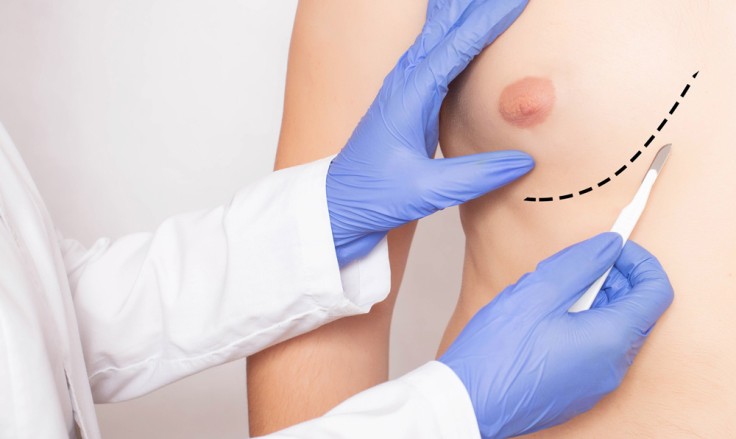
Introduction
Pectoral implants enhance the size and definition of the male chest. The procedure suits men who cannot achieve their desired chest shape through exercise alone. Genetics determine pectoral muscle size and shape. Some men have naturally flat or underdeveloped chest muscles regardless of training intensity. These implants provide structural enhancement that exercise cannot replicate. The procedure has grown in popularity alongside broader acceptance of male cosmetic surgery. Understanding what pectoral implants involve helps men evaluate whether the procedure matches their goals. This article explains the procedure, candidacy, recovery and results.
What Are Pectoral Implants?
Pectoral implants are solid silicone devices placed beneath or within the pectoral muscles. They differ from breast implants. These implants are firm and semi-rigid. They mimic the feel of developed muscle tissue. Breast implants are soft and gel-filled. The two are entirely different products designed for different purposes. These implants come in various sizes and shapes. The surgeon selects the implant that best matches the patient's body proportions and desired outcome. Custom implants can be manufactured for specific anatomies. These implants add volume and projection to the chest. They create the appearance of well-developed pectoral muscles. The result looks and feels like natural muscle bulk when the implant is placed correctly. These implants do not affect chest function. The patient can exercise, lift and move normally once recovery is complete.
Who Suits Pectoral Implants?
Several patient profiles benefit from the procedure. Men with naturally underdeveloped pectoral muscles are the primary candidates. Despite consistent chest training, some men cannot build visible muscle mass. Genetics limit their potential. These implants provide the volume that training cannot. Men with chest wall asymmetry benefit from pectoral implants. One side may be naturally smaller than the other. An implant on the smaller side creates balance. Poland syndrome patients with congenital chest wall underdevelopment are established candidates.
These implants reconstruct the chest contour. Men who have lost muscle mass due to injury, illness or ageing may also benefit. These implants restore the chest appearance. The procedure does not suit men who simply have not trained sufficiently. If the chest muscles can respond to exercise, training should be maximised before considering implants. These implants are for men who have reached their genetic ceiling through dedicated training and remain unsatisfied with the result.
Pectoral Implants: The Procedure
The surgery takes one to two hours under general anaesthesia. These implants are placed through an incision in the armpit. This location conceals the scar within a natural fold. The surgeon creates a pocket beneath the pectoral muscle or within the muscle layers. The implant is inserted into this pocket. These implants are positioned to create natural-looking chest contour. The surgeon assesses symmetry and projection during placement. Adjustments are made before closing. The incisions are closed with absorbable sutures. A compression garment is fitted immediately. Pectoral implants surgery is performed as day surgery in most cases. Some patients stay one night. Drains are occasionally used. The compression garment supports the implants during early healing and reduces swelling.
Pectoral Implants Recovery
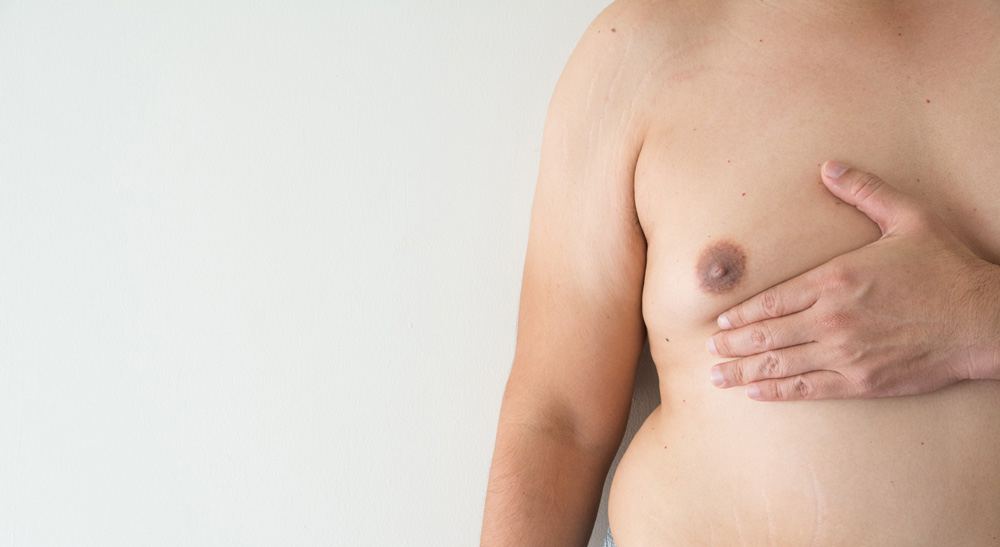
Recovery requires patience and commitment. These implants recovery involves significant chest tightness during the first week. Pain is moderate and managed with prescribed medication. The compression garment is worn continuously for four to six weeks. Arm movement is restricted during the first two weeks. Reaching, lifting and overhead movements must be avoided. These implants recovery allows return to desk work within one to two weeks. Driving resumes at two to three weeks. Light lower body exercise returns at three to four weeks. Chest exercises are prohibited for six to eight weeks minimum.
Pectoral implants must settle into their final position before the chest muscles are loaded. Premature chest training risks displacing the implant. Full gym training including chest work resumes at eight to twelve weeks with surgeon clearance. These implants recovery takes longer than many patients expect. The chest area is under constant movement from breathing and arm activity. This prolongs the healing period compared with less mobile surgical sites.
Pectoral Implants Results
Results are visible immediately beneath the swelling. These implants produce a fuller, more defined chest contour. The improvement is apparent once the compression garment is removed. Swelling obscures the final shape for two to three months. These implants settle progressively. The implant softens slightly within the pocket. Muscle adapts around the implant. The final result looks and feels like natural muscle development. Pectoral implants results are permanent. The solid silicone does not deflate, rupture or degrade. The implant maintains its shape indefinitely. These implants look most natural when sized proportionately to the patient's frame. Over-sized implants appear obviously artificial. Conservative sizing produces the most convincing result. The chest should look developed but not disproportionate. Most patients describe their result as the chest they always wanted but could never build. The improvement in body confidence is significant.
Pectoral Implant Considerations
Pectoral implants complications include implant displacement. The implant may shift within the pocket. Revision surgery repositions it. Capsular contracture can occur. The scar tissue around the implant tightens. The chest feels firmer than intended. These implants infection risk exists as with any implant procedure. Antibiotics and sterile technique minimise this. Haematoma may develop in the first few days. Drainage resolves it. These implants asymmetry is possible if the implants settle differently on each side. Minor asymmetry may not require correction. Significant asymmetry warrants revision. These implants are safe when performed by experienced surgeons. The procedure has been performed for decades. Solid silicone implants have an excellent long-term safety record. They do not carry the rupture concerns associated with gel-filled breast implants.
Pectoral Implants vs Fat Transfer
Some men consider fat transfer as an alternative. Fat injected into the chest can add modest volume. However, fat transfer to the chest has significant limitations. The pectoral area is highly mobile. Fat survival in this region is less predictable. The volume achievable through fat transfer is modest compared with implants. These implants produce more dramatic and predictable enhancement. Fat transfer suits patients wanting subtle improvement. These implants suit patients wanting visible structural change. Fat transfer requires adequate donor fat for harvesting. Very lean men may not have sufficient fat. These implants do not require donor tissue. The choice depends on the degree of enhancement desired. Most patients wanting meaningful chest augmentation find pectoral implants the more effective option.
Conclusion
These implants enhance male chest size and definition using solid silicone devices placed beneath the pectoral muscles. The procedure suits men who cannot achieve their desired chest shape through exercise alone. Results are permanent. Recovery takes six to twelve weeks for full gym return. These implants look and feel like natural muscle when sized proportionately. Risks are manageable with experienced surgeons. Professional consultation determines individual suitability and implant sizing. Turkey offers pectoral implants at competitive pricing with experienced specialists.
For more information about pectoral implants and to book a consultation visit the ACIBADEM Beauty Center Aesthetics page.
Frequently Asked Questions
Solid semi-rigid silicone that mimics the feel of developed muscle tissue.
Yes, when sized proportionately. The implant feels and looks like natural muscle bulk.
Yes. Full gym training resumes at eight to twelve weeks. Long-term exercise is unrestricted.
Permanently. Solid silicone does not deflate, rupture or degrade.
Three thousand to five thousand pounds all-inclusive.