Ataşehir Mah. Feza Sk. No:3 İstanbul / Türkiye
 French
  English
  German
  Spanish
Introduction
Hair transplant surgery is one of the most popular cosmetic procedures for men and women experiencing hair loss. Many patients have questions before committing to treatment. These hair transplant faqs address the most common concerns that patients raise during consultations. Understanding the answers helps patients approach their procedure with confidence and realistic expectations. From how the surgery works through recovery, results and cost, these hair transplant faqs cover every essential aspect of the treatment. This article provides clear, honest answers to support informed decision-making about hair restoration surgery.
What Is a Hair Transplant?
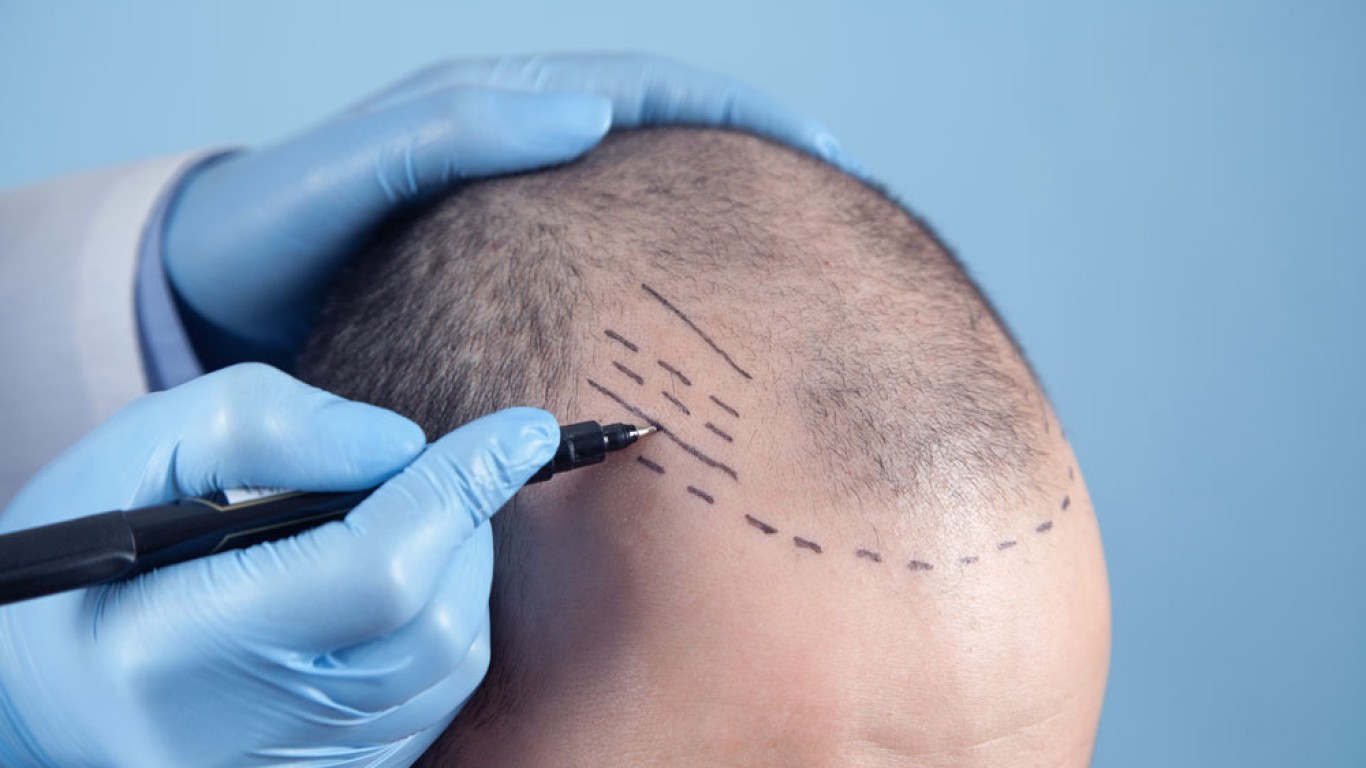
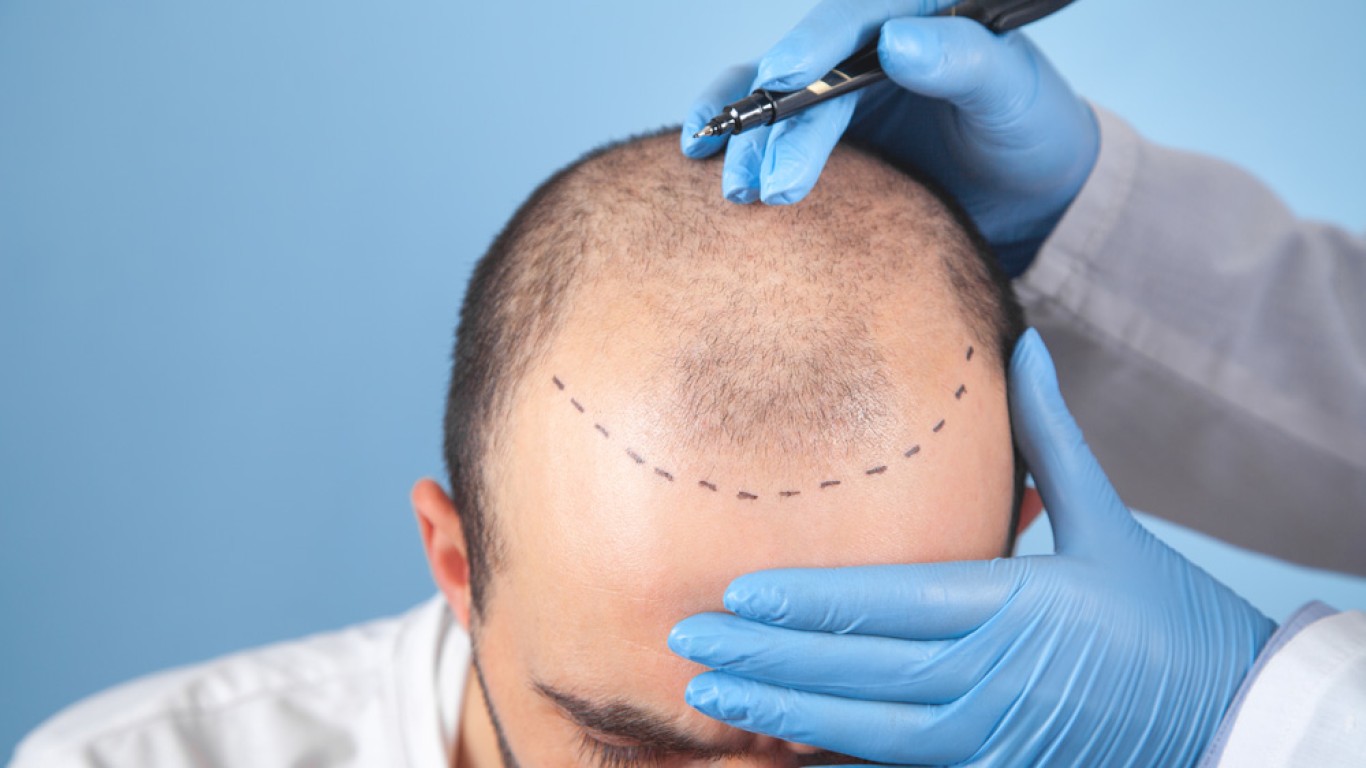
A hair transplant is a surgical procedure that moves hair follicles from a donor area to areas of thinning or baldness. The donor area is typically the back and sides of the head where hair is genetically resistant to balding. Individual follicular units are extracted and then implanted into tiny incisions in the recipient area. The transplanted hair grows permanently in its new location. Two main techniques are used. FUE extracts individual follicles using a micro-punch tool. DHI uses a specialised pen to extract and implant simultaneously. Both techniques produce natural-looking results. This is one of the most fundamental questions that patients ask during initial consultations.
Hair Transplant FAQs: Am I a Good Candidate?
Good candidates for hair transplant surgery have sufficient donor hair at the back and sides of the head. The donor area must have adequate density to supply grafts without becoming visibly thin. Patients should be in good general health. Non-smokers heal better. Hair loss should be stable rather than rapidly progressing. Patients with very early hair loss may benefit from waiting until the pattern becomes clearer. Very young patients under twenty-five are often advised to wait. Those with certain medical conditions affecting hair may not be suitable. A consultation with a specialist evaluates individual candidacy. This is among the most important hair transplant faqs because appropriate patient selection directly affects satisfaction with results.
Hair Transplant FAQs: How Many Grafts Will I Need?
The number of grafts needed depends on the extent of hair loss and the desired density. Mild hairline recession may require one thousand to two thousand grafts. Moderate thinning across the front and crown typically needs two thousand to three thousand five hundred grafts. Extensive hair loss may require four thousand to six thousand grafts or more. Each graft contains one to four individual hairs. The surgeon assesses the balding area and donor supply during consultation. Photographs and sometimes digital analysis help determine the graft count.
Hair Transplant FAQs: FUE vs DHI
FUE and DHI are the two most popular hair transplant techniques. FUE uses a micro-punch tool to extract individual follicles. Recipient channels are then created separately before grafts are placed. DHI uses a Choi implanter pen that creates the channel and places the graft simultaneously. DHI offers precise control over depth, angle and direction. FUE allows treatment of larger areas in a single session. DHI may produce slightly denser packing in smaller areas. Both techniques produce excellent natural-looking results. The choice often depends on individual hair loss pattern and surgeon recommendation. This is a frequently asked hair transplant faq among patients researching their options.
Does It Hurt?
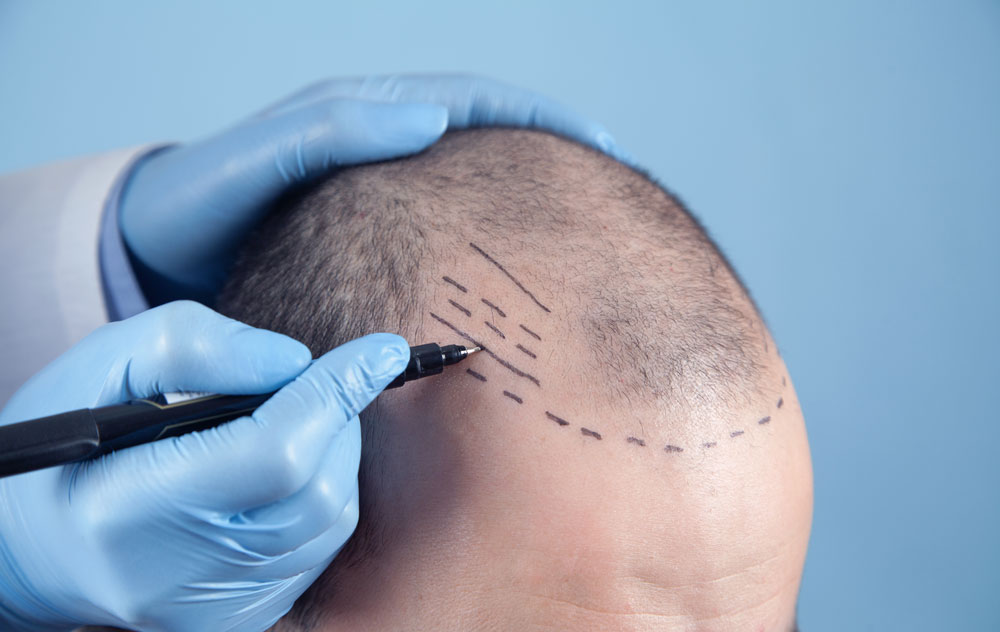
Hair transplant surgery is performed under local anaesthesia. The initial injections to numb the scalp cause brief stinging that lasts only a few minutes. Once the anaesthesia takes effect, the procedure itself is painless. Most patients read, watch films or sleep during the surgery. The procedure takes six to eight hours depending on graft count. After surgery, mild discomfort and tightness in the donor area are common for a few days. Pain medication manages this effectively. Most patients describe the experience as much more comfortable than expected. This is one of the most reassuring hair transplant faqs because fear of pain is a common barrier to treatment.
What Is the Recovery Like?
One of the most common hair transplant faqs is the question of recovery time. Recovery from hair transplant surgery is straightforward for most patients. Small crusts form around each implanted graft during the first week. These fall off naturally within seven to ten days. The donor area heals within one to two weeks. Mild swelling of the forehead may occur for a few days. Most patients return to office work within three to five days. Strenuous exercise should be avoided for two to three weeks. The transplanted hairs fall out at two to four weeks as part of the normal shedding phase. New growth begins at three to four months. Most patients are surprised by how manageable recovery is.
Hair Transplant FAQs: When Will I See Results?
A similarly important hair transplant faq is when results will show. Results from hair transplant surgery develop gradually over twelve to eighteen months. The transplanted hairs shed at two to four weeks after surgery. This shedding phase is normal and expected. New growth begins emerging at three to four months. The new hairs appear thin and fine initially. They thicken and darken progressively over the following months. Most patients see meaningful improvement by six to nine months. Final density and thickness develop by twelve to eighteen months. The gradual timeline requires patience but produces natural-looking results. Understanding the timeline prevents anxiety during the growth phases.
Hair Transplant FAQs: Are Results Permanent?
Hair transplant results are permanent because the transplanted follicles come from the genetically resistant donor area. These follicles are programmed to continue growing regardless of where they are placed. The transplanted hair can be cut, styled and treated normally. It grows at the same rate as natural hair. However, non-transplanted hair in other areas may continue to thin over time. Some patients benefit from additional sessions as hair loss progresses. Medical treatments such as finasteride or minoxidil can help preserve existing non-transplanted hair. PRP therapy supports overall scalp health. This is one of the most reassuring hair transplant faqs for patients considering the investment.
Hair Transplant FAQs: How Much Does It Cost?
Hair transplant cost varies significantly by country and technique. UK pricing typically ranges from six thousand to fifteen thousand pounds depending on graft count. Turkey offers all-inclusive packages for one thousand five hundred to three thousand pounds regardless of graft number. Turkish packages commonly include surgery, hotel accommodation, airport transfers and aftercare. German pricing ranges from four thousand to twelve thousand pounds. The dramatic cost difference between Turkey and other countries drives significant medical tourism. Even with flights included, most patients save 50-70% by choosing Turkey. This is one of the most practical hair transplant faqs because cost is often the primary factor in treatment planning.
Hair Transplant FAQs: How Do I Choose a Surgeon?
Choosing the right surgeon is the most important decision in hair transplant treatment. The surgeon should be board certified with specific hair restoration experience. Before and after photographs should show consistent natural-looking results across multiple patients. Independent reviews provide honest insight. The consultation should assess individual hair loss carefully. The surgeon should explain the recommended technique, expected graft count and realistic outcomes. Hospital or clinic accreditation provides safety assurance. High annual case volume indicates established expertise. Patients should compare multiple providers before committing. Of all the hair transplant faqs, this question directly determines outcome quality.
Hair Transplant FAQs: Can Women Have Hair Transplants?
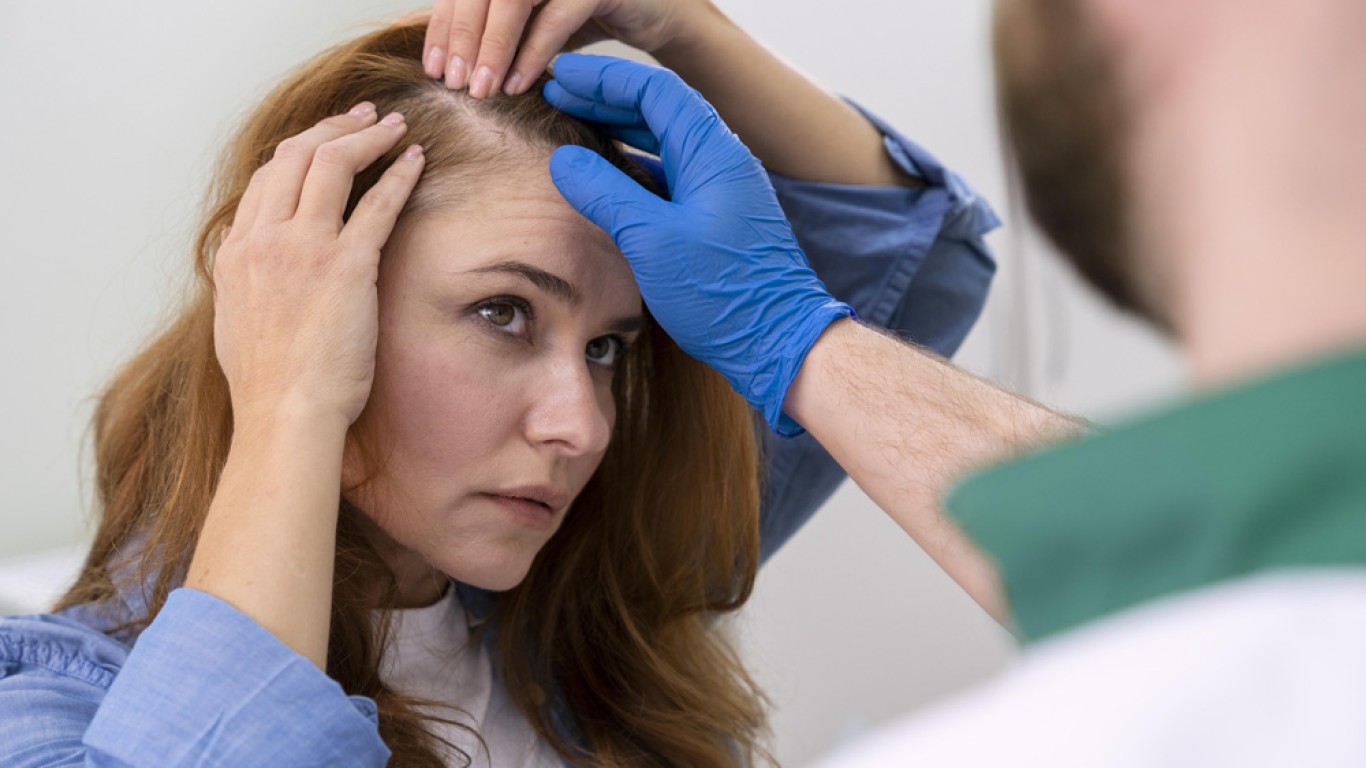
Women can benefit from hair transplant surgery in appropriate cases. Female pattern hair loss differs from male pattern baldness. Women typically experience diffuse thinning rather than complete baldness in specific areas. Some women have localised thinning that responds well to transplantation. The hairline and temple areas can be enhanced. Women with traction alopecia from tight hairstyles may benefit. A thorough consultation evaluates whether a woman’s hair loss pattern is suitable for transplantation. The donor area must have adequate density. Medical causes of hair loss should be investigated and addressed first. This is an important but less commonly addressed hair transplant faqs topic that deserves attention.
Conclusion
These hair transplant faqs cover the essential questions patients ask when considering hair restoration surgery. The procedure offers permanent results using the patient’s own genetically resistant hair. Recovery is manageable with most patients returning to work within days. Results develop gradually over twelve to eighteen months. Cost varies dramatically by country with Turkey offering the most competitive pricing. Choosing a qualified surgeon at an accredited facility supports the safest and most satisfying outcomes. Professional consultation provides personalised answers to individual hair transplant faqs based on specific hair loss patterns and treatment goals. Understanding these fundamentals supports confident and informed decision-making.
Want to find out more about hair transplants in Turkey? Visit the ACIBADEM Beauty Center Hair Transplant page.
Frequently Asked Questions
Six to eight hours depending on the number of grafts.
Most surgeons allow normal washing after ten to fourteen days.
Not once the initial healing phase completes; results look completely natural.
Yes, additional sessions can increase density or address new thinning.
Most surgeons recommend waiting until at least twenty-five when hair loss patterns stabilise.