Ataşehir Mah. Feza Sk. No:3 İstanbul / Türkiye
 English
  German
  Spanish
Introduction
Laser wrinkle treatment has become one of the most popular ways to address fine lines and skin texture without surgery. Patients are increasingly drawn to treatments that produce visible results with manageable downtime. Despite growing interest, many patients have questions before booking. How does it work? How many sessions are needed? Is it painful? What are the results really like? This article answers the most frequently asked questions about laser wrinkle treatment. It explains how different laser types work, who benefits most, what to expect during and after sessions and how results compare with other approaches. Understanding these details helps patients approach their consultation with confidence and clear expectations.
How Does Laser Wrinkle Treatment Work?
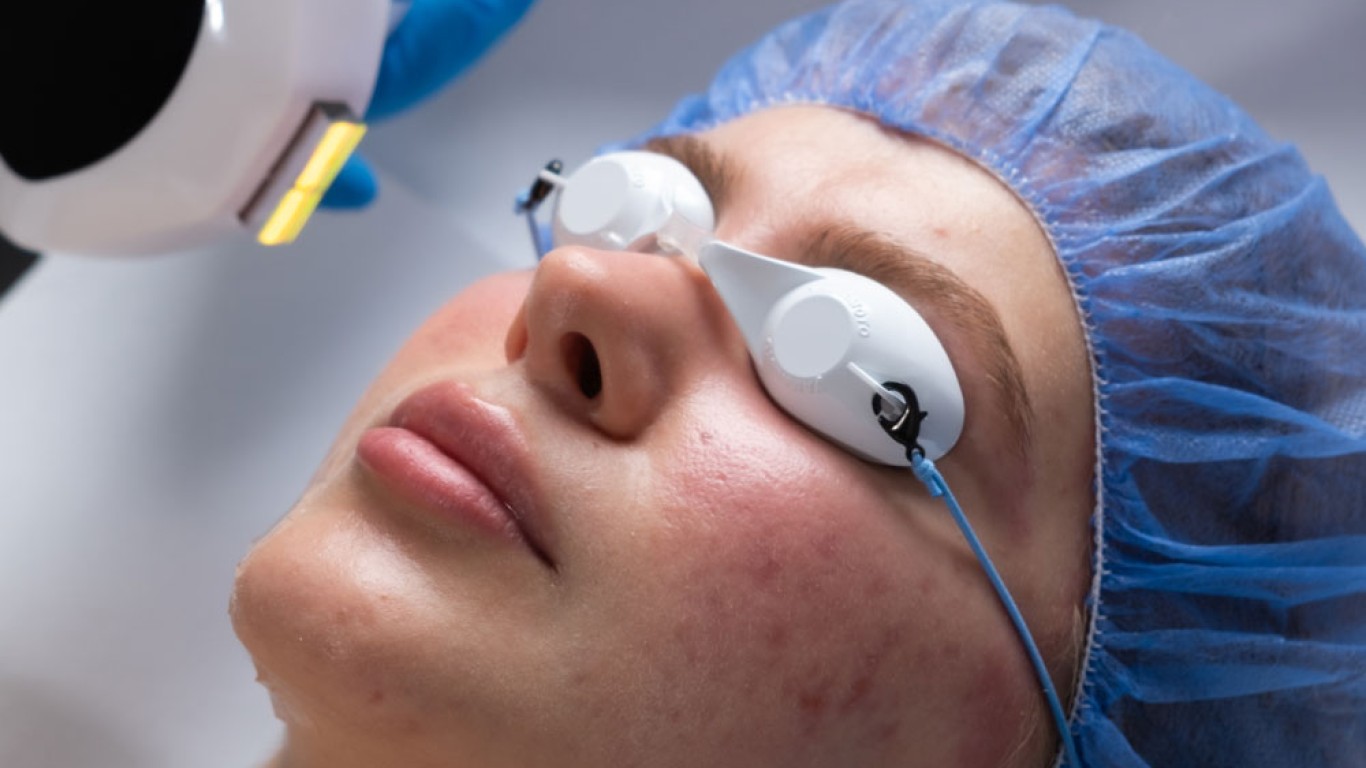
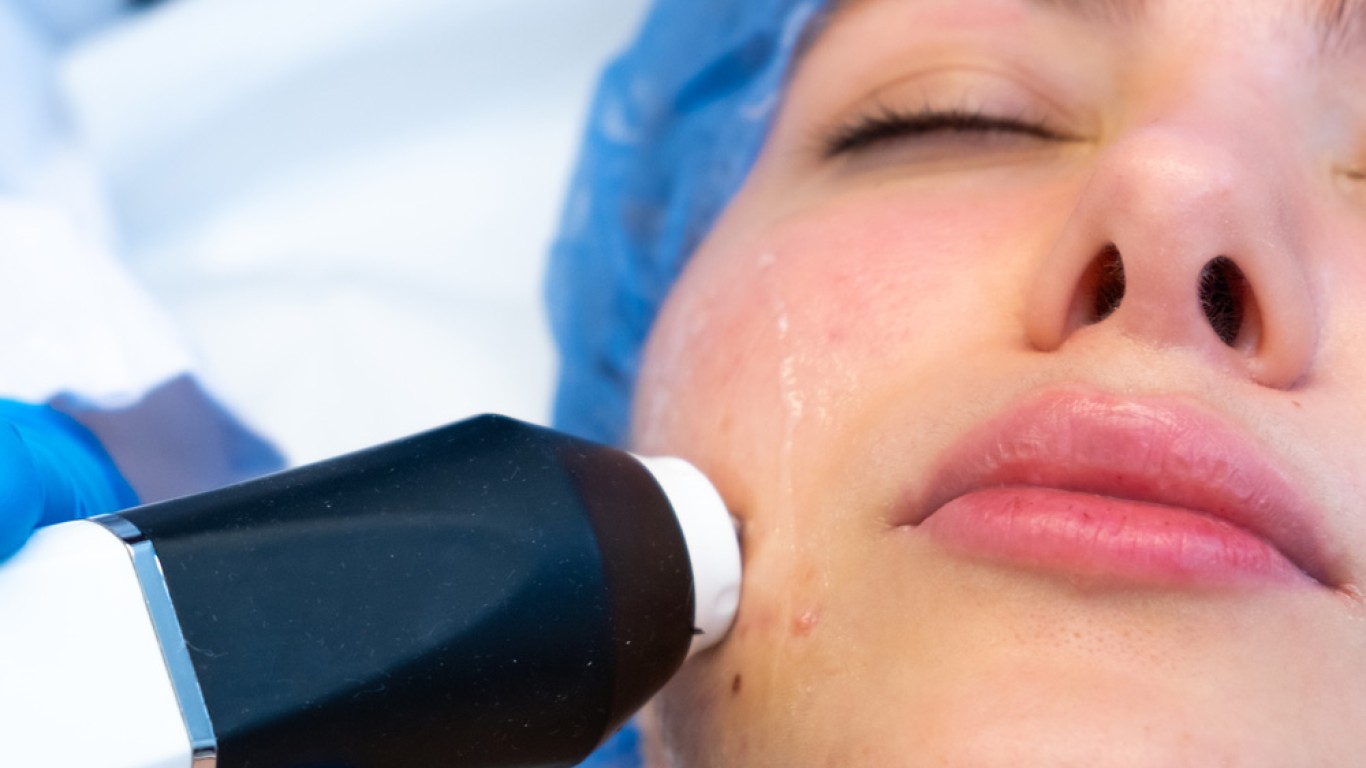
Laser wrinkle treatment uses controlled light energy to stimulate collagen production in the skin. Collagen is the protein that gives skin its structure and firmness. As we age, collagen production slows and the skin loses elasticity. Wrinkles and fine lines develop as a result. Laser devices deliver heat energy into the dermis, the deeper layer of skin. This controlled thermal injury triggers the body's natural healing response. New collagen is produced during this healing process. The result is firmer, smoother skin over time. Some laser types also remove the outer skin layer through ablation. This improves surface texture as well as stimulating deeper collagen renewal. Both mechanisms contribute to wrinkle reduction depending on the device used.
What Types of Laser Wrinkle Treatment Are Available?
Several types of laser are used for wrinkle treatment. Ablative lasers remove the outer skin layer while stimulating deeper collagen. CO2 lasers are the most powerful ablative option. They produce significant results but require longer recovery. Erbium lasers are ablative but gentler. They suit patients wanting improvement with shorter downtime. Non-ablative lasers target the dermis without removing the surface. They cause less visible disruption to the skin. Recovery is minimal. Results develop gradually over several months. Fractional lasers create thousands of microscopic treatment zones in the skin. Surrounding tissue heals these zones rapidly. This produces good results with less downtime than fully ablative treatment. Fractional laser wrinkle treatment is one of the most commonly recommended options today.
How Many Sessions of Laser Wrinkle Treatment Are Needed?
The number of sessions needed depends on the type of laser and the individual's skin concern. Ablative CO2 laser wrinkle treatment may produce significant improvement in a single session. Recovery from one session takes one to two weeks. Non-ablative and fractional laser treatments require more sessions. Three to six sessions are typically recommended. These are spaced four to six weeks apart. Skin quality and the degree of wrinkling influence the total number of sessions needed. Milder concerns respond faster than deeper lines or more significant texture changes. Maintenance sessions once or twice a year help sustain results over time. The practitioner recommends the appropriate treatment plan after assessing the skin at consultation. Treatment goals, age and lifestyle factors can also influence the recommended treatment schedule.
What Does Laser Wrinkle Treatment Feel Like?
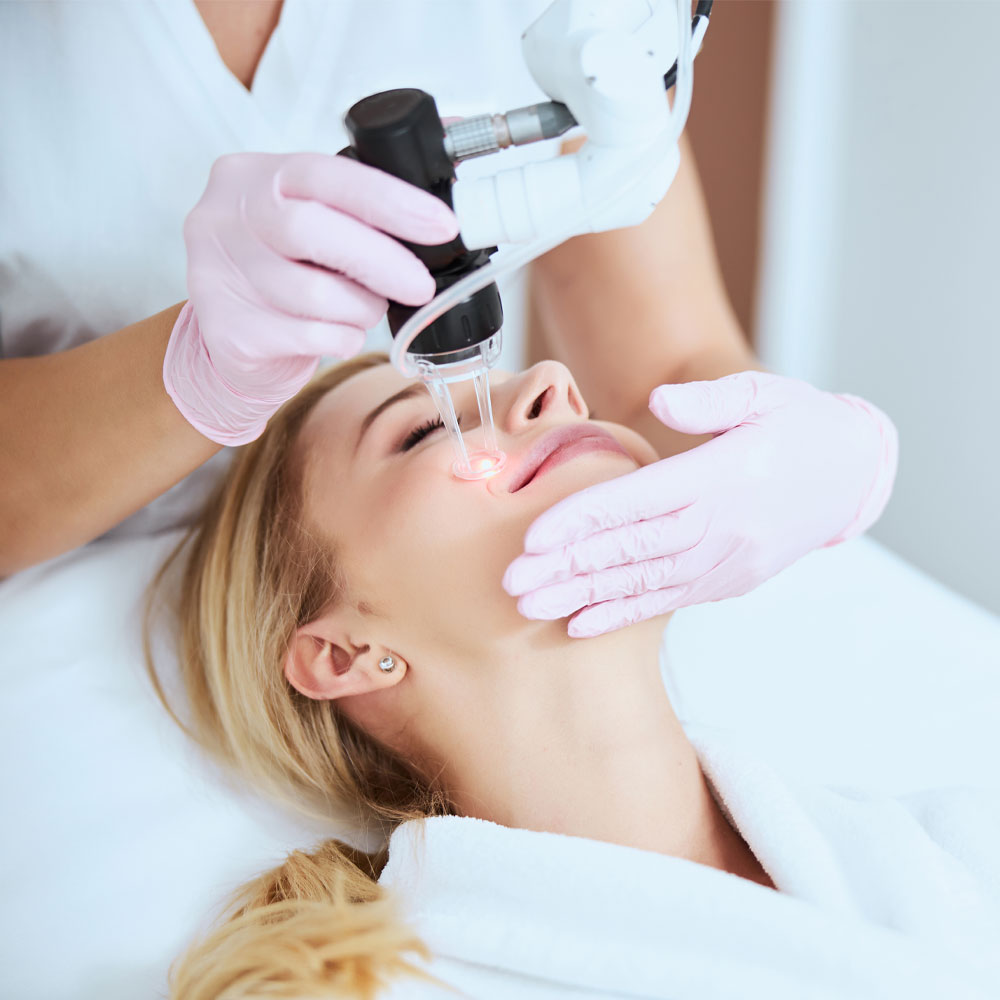
The sensation during laser wrinkle treatment varies by device type and intensity. Non-ablative treatments often feel like a warm snapping sensation on the skin. Most patients tolerate this well without anaesthesia. A cooling device or topical numbing cream may be applied for comfort. Fractional laser treatment produces more noticeable warmth and mild stinging. Topical anaesthetic cream applied before the session significantly reduces discomfort. Ablative CO2 laser treatment is more intense. Stronger numbing is applied and some patients prefer oral sedation. After the session, the skin feels warm and tight, similar to mild sunburn. This settles within a few hours for non-ablative treatments. Ablative treatment produces more significant post-procedure redness and peeling over several days. Most patients find the temporary discomfort worthwhile given the long-term skin improvements achieved.
What Is the Recovery from Laser Wrinkle Treatment?
Recovery varies significantly depending on the laser type chosen. Non-ablative laser wrinkle treatment typically requires minimal downtime. Mild redness may be visible for a few hours. Most patients resume normal activities the same day. Fractional laser treatment causes redness and minor swelling for two to five days. The skin may feel dry and slightly rough during this period. Social activities can typically resume within a week. Ablative CO2 treatment requires the longest recovery. Redness, peeling and sensitivity last one to two weeks. Makeup can be applied after complete skin healing. Sun protection is essential throughout recovery for all laser types. New collagen continues to develop for three to six months after each session. Final results are often more impressive than early improvement suggests. Following aftercare instructions carefully supports faster healing and helps optimise final results.
Who Is a Good Candidate for the Procedure?
Good candidates for laser wrinkle treatment share certain characteristics. They have fine lines, mild to moderate wrinkles or textural concerns they want to improve. Their skin is in reasonably good condition and free from active infection or inflammatory conditions. They are not pregnant or breastfeeding. They have not used isotretinoin in the previous six months. Their skin tone is compatible with the laser type recommended. Darker skin tones require specific laser wavelengths to avoid pigmentation changes. Patients with realistic expectations about the degree of improvement achievable make the most satisfied candidates. A thorough pre-treatment consultation and skin assessment are essential. This ensures the right laser wrinkle treatment is selected for each individual's skin and concerns. Patients committed to sun protection often achieve better and longer-lasting outcomes.
Laser Wrinkle Procedures in Turkey
Turkey offers laser wrinkle treatment at significantly lower prices than the UK or Western Europe. Accredited clinics in Istanbul use modern fractional, non-ablative and CO2 laser platforms. Dermatologists and aesthetic specialists at leading facilities hold international certifications. Treatment packages for international patients include consultation, sessions and aftercare. Accommodation and transfers are commonly bundled for convenience. Patients from across Europe travel to Turkey for high-quality laser wrinkle treatment at accessible pricing. The combination of modern technology, experienced practitioners and competitive costs makes Turkey a compelling destination. Results are comparable to those achieved at leading UK clinics when treatment is performed at accredited facilities. Many clinics also provide personalised skincare recommendations to enhance and maintain treatment outcomes.
Combining Laser Wrinkle Treatment with Other Procedures
Laser wrinkle treatment is often combined with other aesthetic procedures for a more comprehensive result. Dermal fillers address volume loss that lasers cannot correct. Combining fillers with fractional laser treatment addresses both structural and surface changes. Botox relaxes dynamic wrinkles while laser resurfacing improves overall texture. Skin booster injections improve hydration and skin quality alongside laser treatment. Chemical peels at lower intensity can complement laser sessions during a course. The practitioner advises on which combinations are safe to perform together and which should be staged. Combining treatments in Turkey during a single trip maximises the value of the visit. Patients can address multiple concerns efficiently and return home with comprehensive improvement already underway. This tailored approach often produces more balanced and natural-looking facial rejuvenation.
Conclusion
This is a proven and effective way to reduce fine lines and improve skin texture without surgery. Different laser types suit different concerns and levels of downtime tolerance. Non-ablative and fractional options suit patients wanting results with minimal disruption. Ablative lasers produce more dramatic change with longer recovery. Multiple sessions are typically needed for non-ablative approaches. Results develop gradually as new collagen is produced. Choosing a qualified practitioner and the right laser type for individual skin is essential. Professional consultation ensures a personalised treatment plan. Turkey offers excellent quality and competitive pricing for laser wrinkle treatment at accredited facilities. Patients who follow recommended maintenance plans often enjoy smoother, healthier-looking skin for many years.
For more information about laser treatment options and to book a consultation visit the ACIBADEM Beauty Center Laser Wrinkle Treatment page.
Frequently Asked Questions
It delivers heat energy into the deeper skin layers, stimulating new collagen production. Some laser types also remove the outer skin surface to improve texture simultaneously.
Ablative lasers may produce significant results in one session. Non-ablative and fractional treatments typically require three to six sessions spaced four to six weeks apart.
Non-ablative treatments cause mild warming sensations. Fractional and ablative treatments cause more noticeable discomfort. Topical numbing cream is applied before sessions to manage this.
Non-ablative: minimal, often same day. Fractional: two to five days of redness. Ablative CO2: one to two weeks. Sun protection is essential throughout recovery for all types.
Pregnant women, those who have recently used isotretinoin and patients with active skin infections or certain darker skin tones unsuitable for specific wavelengths should not proceed without specialist guidance.