Ataşehir Mah. Feza Sk. No:3 İstanbul / Türkiye
 English
Introduction
Glaucoma laser surgery is used to reduce the intraocular pressure that damages the optic nerve in glaucoma. It is an important treatment option for patients whose glaucoma is not adequately controlled by eye drops alone. Glaucoma laser surgery does not restore vision already lost. It prevents further vision loss by managing intraocular pressure. There are several types of glaucoma laser eye surgery. Each is suited to different forms and stages of the condition. This article covers the main types, who they suit and what to expect.
What Is Glaucoma and Why Is Pressure Control Important?
Glaucoma is a group of eye conditions that damage the optic nerve. Raised intraocular pressure is the most important modifiable risk factor. The optic nerve carries visual information from the eye to the brain. When intraocular pressure is too high, it gradually damages the optic nerve fibres. Vision loss from glaucoma begins at the periphery. By the time it is noticed, significant damage has already occurred. Controlling intraocular pressure is the primary goal of all glaucoma treatment. Glaucoma laser surgery achieves this goal when eye drops are insufficient or poorly tolerated.
Selective Laser Trabeculoplasty (SLT)
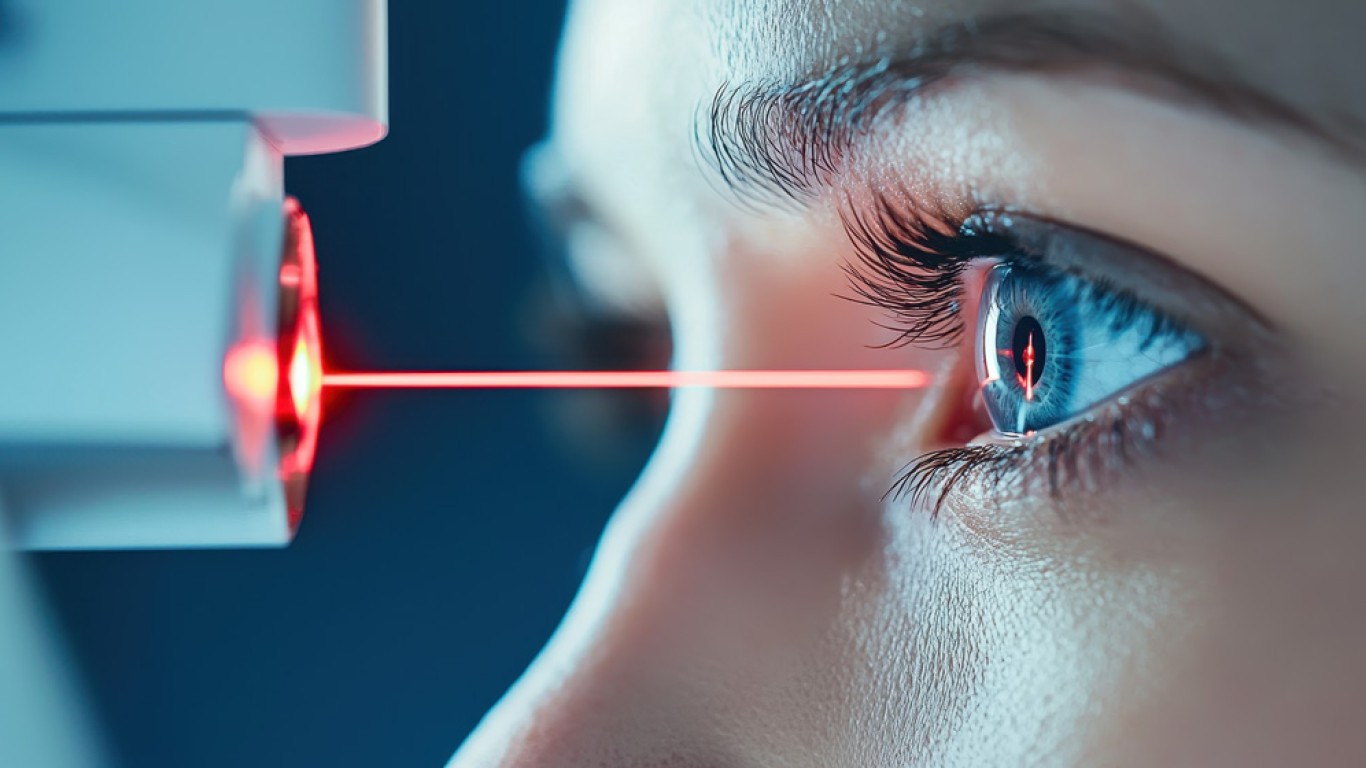
Selective laser trabeculoplasty is the most commonly performed type of glaucoma laser surgery for open-angle glaucoma. It uses a low-energy laser to stimulate the trabecular meshwork. This is the drainage tissue at the angle of the anterior chamber. Stimulation improves drainage of aqueous humour from the eye. The mechanism is biological rather than mechanical. The trabecular cells become more active after SLT treatment. Intraocular pressure reduces as a result. The pressure reduction typically develops over one to three months. The procedure takes five to ten minutes. It is performed as an outpatient procedure. No incision is required. The eye may be slightly irritated for a day or two. This is a mild and temporary side effect. SLT can be repeated if the effect diminishes over time. This makes it a sustainable long-term option for open-angle glaucoma management.
Laser Peripheral Iridotomy (LPI)
Laser peripheral iridotomy is used for narrow-angle glaucoma and as prophylaxis against acute angle-closure glaucoma. A small hole is created in the peripheral iris using a laser. This allows aqueous humour to bypass a blocked pupillary pathway. Pressure is equalised between the anterior and posterior chambers of the eye. The procedure is quick. It typically takes less than ten minutes. Mild inflammation and blurring are expected in the hours after the procedure. They resolve within a day or two. LPI is highly effective at preventing acute angle-closure attacks.
Cyclodiode Laser Treatment
Cyclodiode laser treatment is used for advanced or refractory glaucoma. It is applied when other treatments have failed to control intraocular pressure. The laser targets the ciliary body. This is the tissue that produces aqueous humour inside the eye. Reducing production decreases intraocular pressure. The procedure is more commonly used when surgical drainage procedures have not been effective. It may cause more discomfort than SLT or LPI. A period of inflammation and adjustment follows the treatment. Pressure reduction can be significant in suitable cases.
Who Is Glaucoma Laser Surgery Suitable For?
Glaucoma laser surgery is suitable for a range of patients. SLT is appropriate for patients with open-angle glaucoma. It suits those who are intolerant of eye drops or who have difficulty with compliance. It also suits those who prefer a drug-free approach. LPI is appropriate for patients with narrow angles. This includes those at risk of acute angle-closure and those with anatomically narrow anterior chamber angles. Cyclodiode treatment is reserved for patients with advanced glaucoma and failed previous treatments. An ophthalmologist assesses suitability based on the type of glaucoma, the pressure level and previous treatment history.
What to Expect After Glaucoma Laser Surgery
After the laser eye surgery, the eye may be sore and light-sensitive for one to two days. Anti-inflammatory eye drops are prescribed. These are used for a period after the procedure. Intraocular pressure is checked at a follow-up appointment within four to six weeks. The pressure-lowering effect of SLT develops over one to three months. The ophthalmologist monitors the response and adjusts the overall treatment plan accordingly. Eye drops may be reduced or stopped if the laser achieves sufficient pressure reduction. In some patients, eye drops must be continued alongside the laser treatment.
Glaucoma Laser Surgery in Turkey
Glaucoma laser surgery is available at accredited ophthalmology clinics in Istanbul. The same laser platforms used in UK eye hospitals are available. Ophthalmologists at leading Istanbul clinics hold internationally recognised qualifications. Costs for the laser surgery in Turkey are significantly lower than UK private eye hospitals. SLT in the UK costs five hundred to one thousand five hundred pounds. In Istanbul the equivalent cost is two hundred to six hundred pounds. International patients should ensure that their complete glaucoma history and current medication list is provided to the Turkish clinic before treatment. Previous eye surgery records and recent test results can also support treatment planning. Patients should confirm follow-up arrangements before travelling.
Conclusion
Glaucoma laser surgery is an established treatment for managing intraocular pressure. SLT is widely used for open-angle glaucoma. LPI is used for narrow-angle and angle-closure risk. Cyclodiode treatment can address selected advanced or refractory cases. None of these procedures restores vision already lost through glaucoma. Instead, treatment aims to reduce the risk of further damage. Suitability is determined by glaucoma type and the patient's treatment history. Turkey offers laser surgery at potentially lower costs than UK private hospitals. However, patients should prioritise ophthalmologist expertise, appropriate facilities and reliable long-term follow-up. Cost should remain secondary to clinical suitability and safety. Professional ophthalmological consultation is the essential first step.
To find out more information about laser surgery and to book a consultation visit the ACIBADEM Beauty Center Laser Eye Surgery page.
Frequently Asked Questions
No. Glaucoma laser surgery reduces intraocular pressure to prevent further vision loss. It does not restore vision already lost from optic nerve damage. Early treatment preserves more remaining vision.
SLT and LPI each take five to ten minutes. Cyclodiode treatment may take slightly longer. All are performed as outpatient procedures with no hospital stay required.
Most patients experience minimal discomfort. A slight stinging sensation during the procedure is common. The eye may be sore and light-sensitive for one to two days afterward. This is manageable with prescribed anti-inflammatory drops.
Yes. SLT can be repeated if the pressure-reducing effect diminishes over time. It typically remains effective for two to five years before repeat treatment may be needed.
SLT improves drainage of aqueous humour through the trabecular meshwork. It is used for open-angle glaucoma. LPI creates a hole in the iris to relieve pressure in narrow-angle glaucoma. They target different anatomical pathways.