Ataşehir Mah. Feza Sk. No:3 İstanbul / Türkiye
 English
Introduction
Recognising gynecomastia symptoms early helps men understand their condition and seek appropriate advice. Gynecomastia is the enlargement of breast gland tissue in males. It is very common and can affect boys and men at different stages of life. For many, it causes embarrassment, discomfort or reduced confidence. Some men avoid sport, swimming or fitted clothing because of their chest. However, enlarged breasts in men are not always caused by gynecomastia. Excess fat can create a similar appearance. This article explains the main symptoms and how they differ from fat alone. It also covers causes, grades, warning signs and how doctors make a diagnosis.
What Is Gynecomastia?
Gynecomastia is a benign enlargement of glandular breast tissue in males. It develops when the balance between oestrogen and testosterone changes. Oestrogen stimulates breast tissue growth, while testosterone normally limits it. When oestrogen activity increases or testosterone falls, breast tissue may grow. The condition can affect one or both sides of the chest. It is very common during puberty and in older age. Many adolescent cases resolve naturally within six months to two years. In adults, the condition is more likely to persist. Gynecomastia is not usually harmful to physical health. However, it can have a significant emotional impact.
What Are the Main Gynecomastia Symptoms?
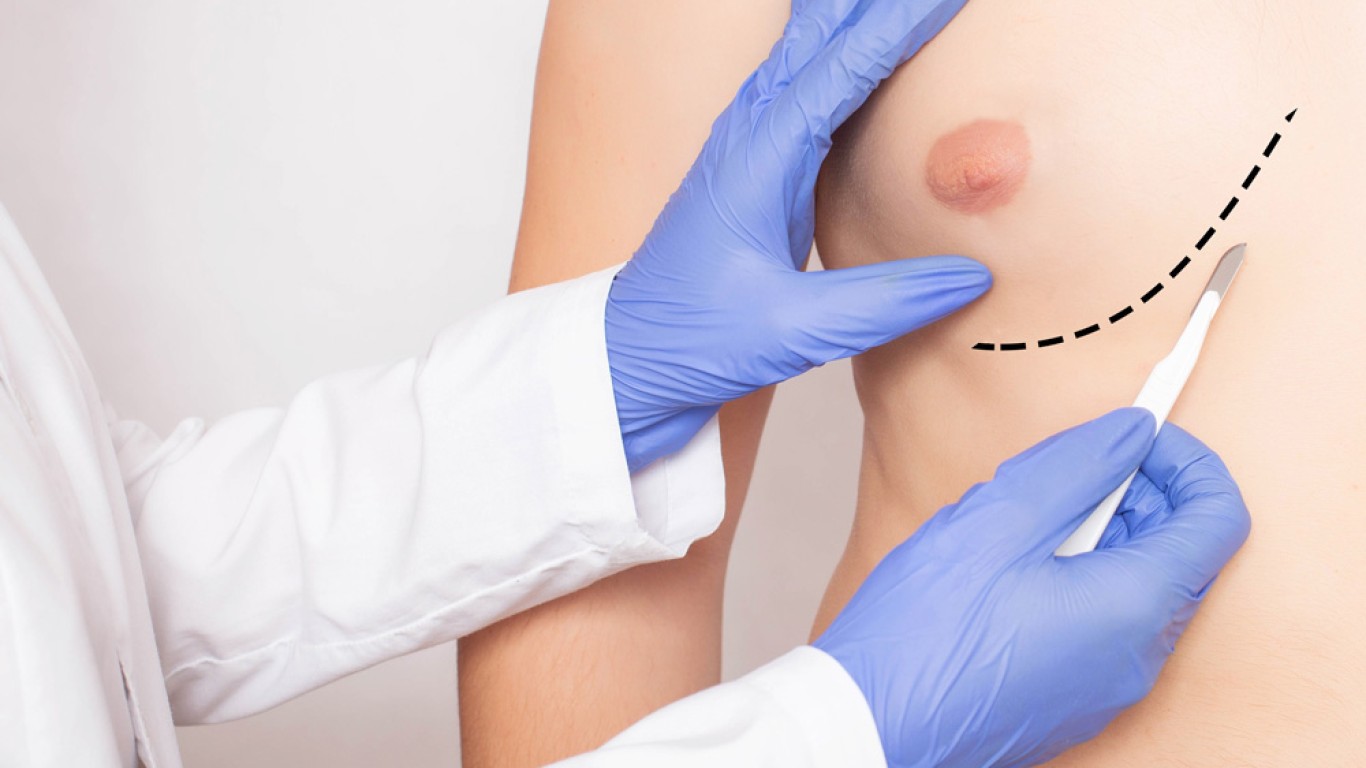
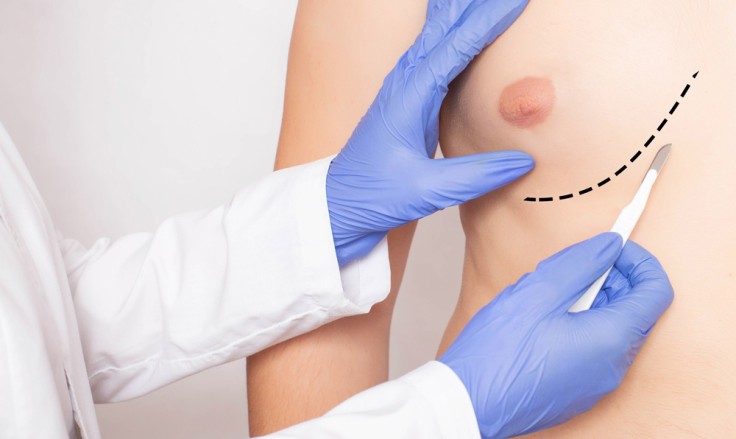
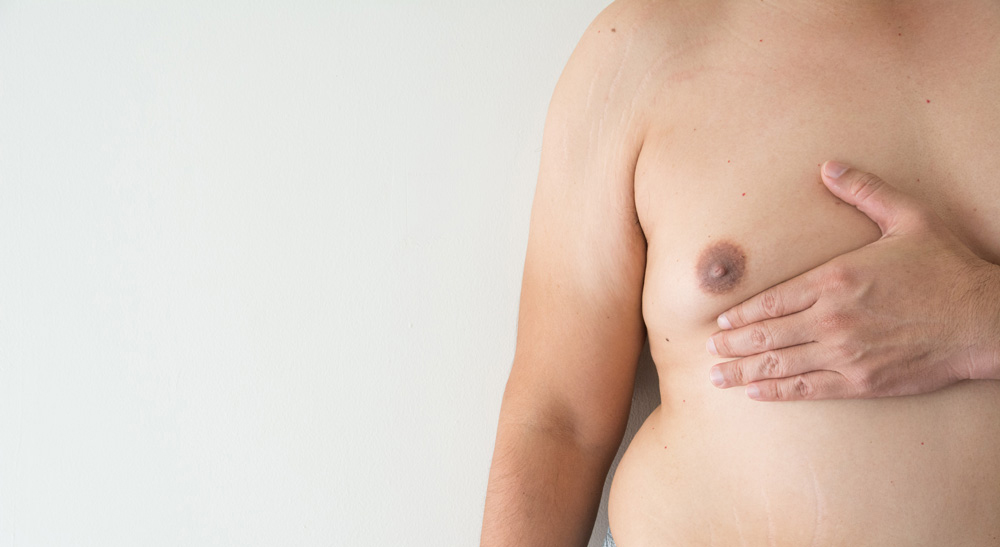
The most typical sign is a firm or rubbery lump beneath the nipple. This lump is usually centred directly behind the areola. It often feels like a small disc of tissue that moves slightly. The chest may look puffy or rounded, particularly around the nipple area. The nipples themselves may appear swollen or more prominent. Some men notice tenderness or sensitivity when the chest is touched. Clothing may rub uncomfortably against sensitive nipples. Both sides are often affected, although one side may be larger. In some cases, only one breast is enlarged. Symptoms can develop gradually over weeks or months.
Early Gynecomastia Symptoms to Look Out For
Early symptoms are often subtle and easy to overlook. Many men first notice a small, tender lump under one nipple. The area may feel sore when pressed or during exercise. The nipple may look slightly puffier than usual. Some men notice the change when wearing a fitted T-shirt. Tenderness is most common during the first few months of tissue growth. Over time, pain often settles as the tissue becomes more fibrous. Early assessment allows doctors to look for reversible causes. Stopping a responsible medication, for example, may allow tissue to reduce.
Gynecomastia Symptoms vs Pseudogynecomastia
Not all male breast enlargement is true gynecomastia. Pseudogynecomastia is chest enlargement caused by excess fat alone. The following table summarises the key differences.
| Feature | Gynecomastia | Pseudogynecomastia |
| Main tissue | Firm glandular tissue | Soft fatty tissue |
| Feel | Rubbery disc beneath the nipple | Soft, even fullness across the chest |
| Tenderness | Common in early stages | Usually not tender |
| Response to weight loss | Limited | Often improves |
| Typical treatment | Gland removal, sometimes with liposuction | Weight loss or liposuction |
Many men have a combination of glandular tissue and excess fat. A clinical examination helps identify which type is present.
Common Causes of Gynecomastia
Several factors can disrupt the hormone balance that leads to gynecomastia. Natural hormone changes during puberty are the most common cause in teenagers. Falling testosterone levels with age can trigger it in older men. Certain medications are a common cause in adults. These include some anti-androgens, heart medicines, antidepressants and anabolic steroids. Alcohol and recreational drugs such as cannabis may also contribute. Obesity increases oestrogen production in fat tissue. Medical conditions affecting the liver, kidneys or thyroid can play a role. Rarely, hormone-producing tumours may be responsible. In many adults, no specific cause is found.
Gynecomastia Symptoms at Different Life Stages
Symptoms can appear at different ages and for different reasons. Newborn boys may have temporary breast swelling due to maternal hormones. This usually resolves within a few weeks. During puberty, many boys develop tender lumps beneath one or both nipples. This is common and often settles within two years. Persistent enlargement beyond late adolescence is less likely to resolve alone. Adult men may develop symptoms due to medications, lifestyle or health conditions. In older men, falling testosterone is a frequent cause. Symptoms in adults are more likely to remain without treatment.
Grades of Gynecomastia
Doctors often grade gynecomastia by severity. Grade one involves minor enlargement without excess skin. Grade two involves moderate enlargement, with or without some excess skin. Grade three involves marked enlargement with significant excess skin. In the most severe cases, the chest may appear similar to a female breast. Higher grades often cause more noticeable symptoms and greater distress. The grade also helps surgeons decide on the most suitable treatment. Mild cases may need only gland removal. Severe cases may also require skin removal to achieve a flat contour.
Gynecomastia Symptoms That Need Urgent Medical Attention
Most cases of gynecomastia are harmless. However, some symptoms require prompt assessment by a doctor. A hard lump that feels fixed to the skin or chest wall should be checked. A lump that is not centred behind the nipple also needs evaluation. Nipple discharge, especially if bloody, is a warning sign. Skin dimpling, ulceration or an inverted nipple should be assessed quickly. Swollen lymph nodes in the armpit also require investigation. Rapid growth of breast tissue warrants medical review. Male breast cancer is rare but can cause similar symptoms. Early assessment provides reassurance and ensures any serious condition is identified.
How Doctors Assess Gynecomastia Symptoms
Diagnosis usually begins with a detailed medical history. The doctor asks about medications, supplements, alcohol and recreational drug use. They also ask how long symptoms have been present and whether they are changing. A physical examination of the chest, armpits and abdomen follows. Doctors may also examine the testicles to rule out rare tumours. Blood tests can check hormone levels and liver, kidney and thyroid function. An ultrasound scan helps distinguish gland tissue from fat. A mammogram or biopsy may be recommended if a lump appears unusual. These steps help identify the cause and guide treatment.
The Emotional Impact
Gynecomastia can affect self-esteem and mental wellbeing. Many men feel self-conscious about their chest appearance. Some avoid changing rooms, swimming pools or beaches. Others wear loose clothing or layers to hide their chest. Teenage boys may experience teasing or social anxiety. These feelings are valid and worth discussing with a doctor. Effective treatments are available for persistent cases. Seeking advice is an important first step towards feeling comfortable again.
Conclusion
Recognising gynecomastia symptoms helps men seek the right advice at the right time. The most common sign is a firm, rubbery lump beneath the nipple. Tenderness, puffy nipples and chest enlargement are also typical. Gynecomastia differs from fat-related enlargement, which feels softer and responds to weight loss. Any hard, fixed or unusual lump should be checked promptly by a doctor.
To learn more about gynecomastia symptoms and to book a consultation, visit the ACIBADEM Beauty Center Aesthetics webpage.
Frequently Asked Questions
It usually feels like a firm, rubbery disc of tissue directly beneath the nipple.
It can be tender, especially in the early stages. Pain often settles over time.
Yes. It can affect one or both sides, and the sides may differ in size.
Puberty-related gynecomastia often resolves within two years. Adult cases are more likely to persist.
See a doctor if you notice a hard, fixed lump, nipple discharge or skin changes.