Ataşehir Mah. Feza Sk. No:3 İstanbul / Türkiye
 French
  English
  German
  Spanish
Introduction
Breast aesthetics depend on balance between size, shape and proportion. The areola plays a central role in this harmony. When it appears enlarged or uneven, overall contour may feel disproportionate. Areola reduction offers a focused solution designed to restore symmetry and refinement. The procedure is subtle yet impactful. Understanding how areola reduction improves breast appearance helps patients evaluate whether it aligns with their goals.
Understanding Areola Size and Proportion
Areola size varies naturally between individuals. Genetics, hormonal changes and life events influence its development. Pregnancy and breastfeeding may lead to stretching or enlargement. In some cases, one side may differ noticeably from the other. Areola reduction addresses these concerns by reshaping the pigmented tissue surrounding the nipple. The goal is proportional balance with the overall breast mound. Even minor adjustments can significantly enhance symmetry and visual harmony.
Why Enlarged Areolae Affect Overall Contour
When the areola occupies a large surface area, it can draw attention away from breast shape. This visual dominance may make breasts appear less lifted or structured. Reducing diameter restores equilibrium between central and peripheral tissue. Areola reduction refines the focal point of the breast. By resizing the pigmented area, the breast often appears firmer and more proportionate. The change is typically subtle yet transformative in overall appearance.
Areola Reduction: Procedure Overview and Surgical Technique
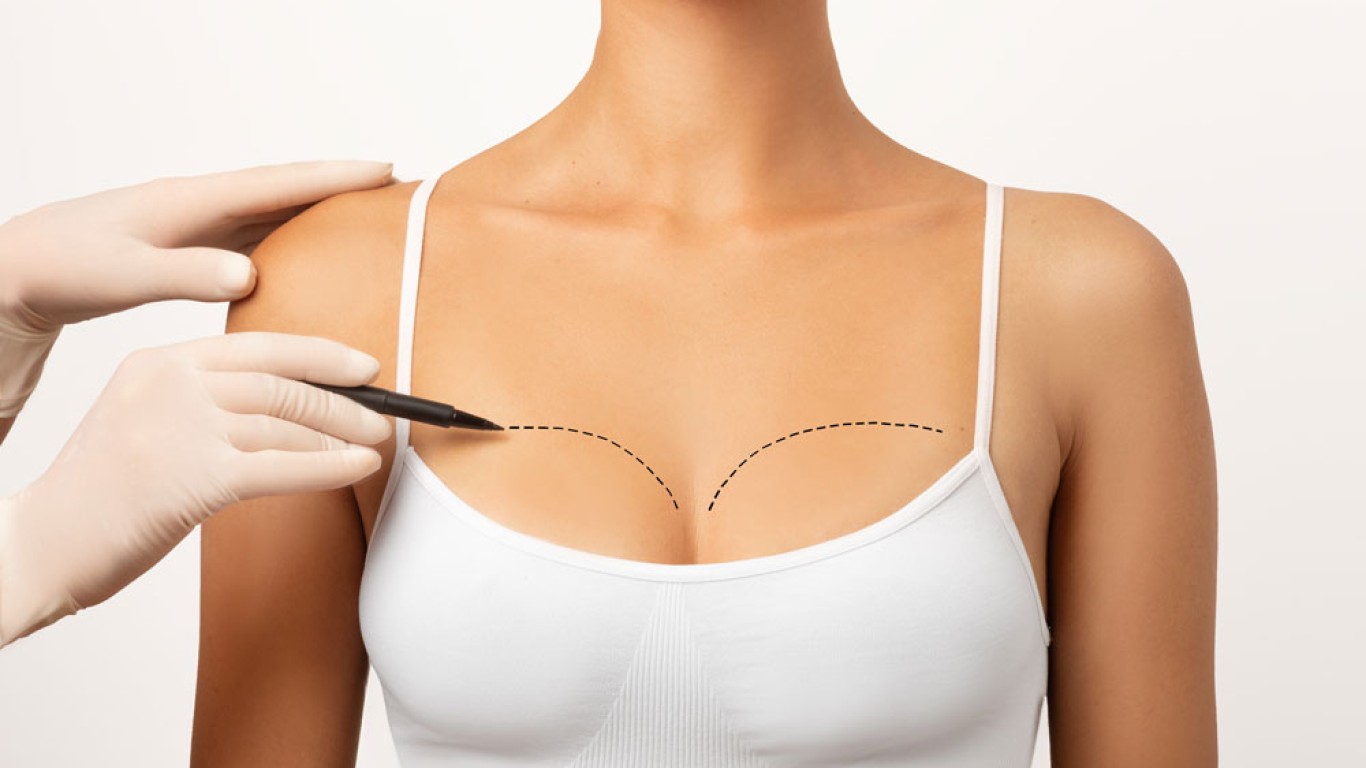
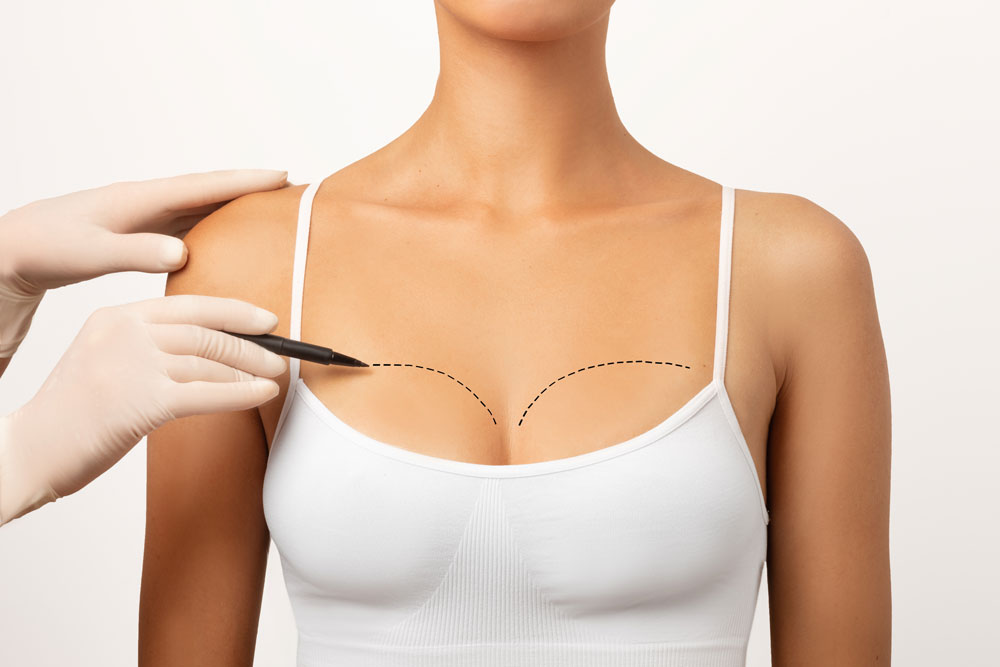
Areola reduction is usually performed under local anaesthesia. The surgeon removes a circular segment of excess pigmented tissue. The outer skin is then carefully repositioned and sutured. Modern techniques aim to preserve natural texture and sensation. Incisions are placed along the border between pigmented and normal skin to minimise visibility. Precision during closure supports smooth healing and discreet scarring.
Symmetry Correction Through Areola Reduction
Asymmetry is a common reason patients consider this procedure. One areola may be wider or differently shaped than the other. Areola reduction allows careful reshaping on each side individually. Measurements guide balanced reduction rather than identical removal. Achieving symmetry enhances breast harmony without altering natural identity.
Combining Areola Reduction with Other Breast Procedures
This procedure is often performed alongside breast lift, breast augmentation or reduction. Adjusting areola size during these operations improves comprehensive contouring. When the breast is reshaped structurally, refining the central aesthetic ensures cohesive results. Combining procedures allows proportion to be addressed holistically rather than in isolation.
Areola Reduction Recovery and Healing Process
Recovery is generally straightforward. Mild swelling and tenderness are expected initially. Protective dressings support early healing. Stitches may dissolve naturally or be removed within one to two weeks. As swelling decreases, the new areola size becomes more apparent. Scar maturation continues over several months, gradually softening in appearance.
Long Term Areola Reduction Results and Stability
Once healed, results are typically stable. The reduced diameter remains consistent over time. Normal ageing may influence surrounding breast tissue, but structural change to the areola persists. Maintaining stable weight supports balanced long term appearance. Patients often report lasting satisfaction due to improved proportion.
Psychological Impact of Subtle Refinement
Although the change may be small in measurement, the effect on self perception can be significant. Patients frequently describe increased confidence in fitted clothing or swimwear. Areola reduction addresses concerns that may have been present for years. Restoring balance often enhances overall body image and comfort.
Why Many Patients Choose Turkey for Areola Reduction
Turkey is recognised for expertise in aesthetic breast surgery. Detailed consultation and personalised planning guide treatment decisions. Areola reduction performed within structured care settings emphasises subtlety and natural outcome. Experienced surgeons focus on achieving proportionate, refined results that integrate seamlessly with overall breast contour.
Ideal Areola Proportion and Aesthetic Guidelines
Although natural variation is wide, aesthetic balance often follows certain proportional principles. Many surgeons assess the relationship between areola diameter and overall breast width. When the pigmented area occupies too much surface space, the breast can appear flatter or less lifted. Subtle resizing restores visual equilibrium without changing the breast mound itself. The objective is not to create uniformity across all patients but to tailor proportion to individual anatomy. Careful measurement ensures that refinement enhances the overall silhouette rather than drawing attention to surgical change.
Addressing Post Pregnancy Stretching
Pregnancy frequently causes enlargement of the pigmented area due to hormonal shifts and skin expansion. After breastfeeding, some patients notice persistent widening or slight distortion. While the breast mound may regain volume or firmness, the central area sometimes remains stretched. Surgical refinement can restore a more pre pregnancy appearance. The process focuses on tightening the outer border while preserving natural pigmentation and contour. Many women choose this step as part of reclaiming their body shape after motherhood.
Managing Irregular Shape and Border Definition
Concerns are not always limited to size. Some individuals present with uneven borders or slight irregularity in shape. One side may appear more oval, while the other remains round. Refinement procedures can adjust these inconsistencies by reshaping the perimeter. Precise suturing techniques maintain a smooth, circular outline. Balanced contouring of the border often enhances overall breast symmetry even when volume remains unchanged. Attention to detail during closure plays a crucial role in achieving natural results.
Male Chest Refinement Considerations
In male patients, enlarged pigmented areas may become noticeable during weight fluctuation or following treatment for excess chest tissue. When proportion appears disrupted, subtle resizing can enhance masculine contour. Planning differs slightly from female procedures, as chest structure and aesthetic goals vary. The aim is understated refinement that supports a flatter chest profile. Careful tailoring ensures that the result aligns with masculine anatomy rather than mimicking female proportions.
Scar Placement and Camouflage Techniques
Incisions are typically placed along the junction between pigmented and normal skin. This border naturally conceals surgical lines. During healing, the colour contrast helps disguise scar visibility. Modern suturing methods reduce tension and support smooth blending. Over time, scars generally fade to fine lines that are difficult to detect. Consistent postoperative care, including protection from sun exposure, supports optimal maturation. Because the incision follows a natural boundary, most patients find the final scar discreet.
Changes in Pigmentation Over Time
Some patients wonder whether pigmentation will alter following surgery. In most cases, the colour remains consistent with surrounding tissue. Mild temporary changes may occur during early healing. As circulation stabilises, tone typically returns to its usual shade. Proper surgical technique preserves blood supply to maintain healthy pigmentation. Long term stability of colour contributes to the natural appearance of the result.
Suitability for Younger Versus Older Patients
Age alone does not determine candidacy. Younger individuals may seek refinement due to genetic proportion differences. Older patients may pursue adjustment after hormonal or weight related changes. Skin elasticity influences how smoothly the surrounding tissue adapts. During consultation, surgeons assess firmness and healing capacity. Individual evaluation ensures that expectations match achievable outcomes. Tailoring approach to age and tissue quality enhances both safety and aesthetic balance.
Impact on Breast Projection and Visual Lift
Although the procedure does not directly lift the breast, resizing the central area can influence visual perception. A smaller, proportionate pigmented area may create the impression of improved firmness. The eye naturally focuses on the centre of the breast, so balanced dimensions enhance overall contour. When combined with subtle tightening techniques, the result may appear slightly more elevated. This visual effect often satisfies patients seeking refinement without undergoing a full lift.
Long Term Satisfaction and Lifestyle Considerations
Once healing is complete, structural changes remain stable. Routine lifestyle factors such as exercise or moderate weight changes rarely alter the refined dimensions significantly. Patients often report feeling more comfortable in swimwear and lightweight clothing. Because the adjustment is focused and conservative, it integrates seamlessly into overall breast contour. Long term satisfaction tends to be high when expectations prioritise proportion rather than dramatic transformation.
Overall, refinement of the pigmented breast area addresses both aesthetic balance and personal comfort. From post pregnancy stretching to asymmetry correction, each case requires individual assessment and precise technique. When planned carefully, the result enhances natural proportion while preserving identity and harmony.
Conclusion
Areola reduction improves breast appearance by restoring proportion and symmetry. The procedure refines the central aesthetic without altering overall breast identity. With careful planning and precise technique, results appear natural and balanced. For patients seeking subtle yet meaningful enhancement, areola reduction offers a targeted solution.
For more information and to book a consultation visit the ACIBADEM Beauty Center Breast Reduction webpage.
Frequently Asked Questions
It is generally straightforward and performed under local anaesthesia.
Modern techniques aim to preserve sensation.
Incisions are placed along natural borders and usually fade well.
Yes, it is often performed with breast lift or augmentation.
The reduced size typically remains stable over time.