Ataşehir Mah. Feza Sk. No:3 İstanbul / Türkiye
 French
  English
  German
  Spanish
Introduction
Breast augmentation remains one of the most popular cosmetic procedures worldwide. Traditionally, implants have been the primary method for increasing breast volume and reshaping the bust. However, fat grafting breast augmentation has gained significant popularity as an alternative approach. This technique uses the patient's own fat to enhance breast shape. Both methods have advantages and limitations that suit different patient profiles. Understanding how fat grafting breast augmentation compares to implants helps patients make informed decisions. This article explains the differences in technique, results, recovery and suitability between the two approaches.
What Is Fat Grafting Breast Augmentation?
Fat grafting breast augmentation involves harvesting fat from one area of the body and transferring it to the breasts. Liposuction is used to collect fat from areas such as the abdomen, thighs or flanks. The harvested fat is then purified. It is carefully injected into the breast tissue. The technique creates a natural volume increase using the patient's own tissue. The technique avoids the use of synthetic implants. Results feel soft and natural because the augmentation uses living fat cells. Not all transferred fat survives - some volume loss is expected during the initial weeks.
What Is Implant-Based Breast Augmentation?
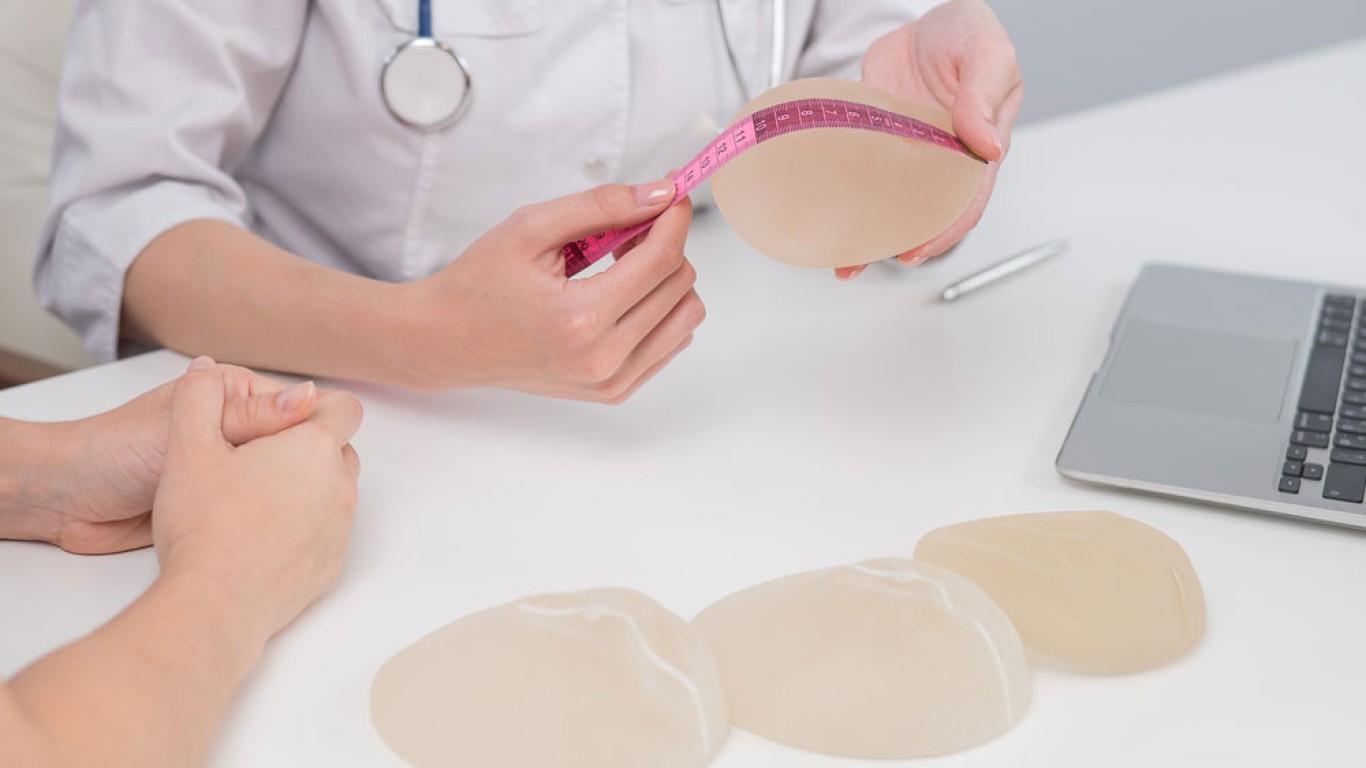
Implant augmentation uses silicone or saline devices placed behind the breast tissue or chest muscle. Implants are available in various shapes, sizes and profiles. The procedure provides predictable and significant volume increases. Implant augmentation can achieve larger size changes than fat grafting breast augmentation alone. The surgeon selects the implant type and placement based on the patient's anatomy and goals. The procedure requires incisions and a structured recovery period. Implants may need to be replaced after ten to twenty years depending on the type and individual circumstances.
Fat Grafting Breast Augmentation vs Implants: Volume
The degree of volume increase is a key difference between the two approaches. Fat grafting breast augmentation typically adds one to one and a half cup sizes. Implants can add one to three or more cup sizes depending on the device selected. Patients seeking a significant size increase often find implants more suitable. The technique suits those wanting modest and natural-looking enhancement. The volume achieved with fat transfer depends on how much donor fat is available and how much survives after transplantation. Multiple fat grafting sessions may be needed to achieve desired volume.
Fat Grafting Breast Augmentation vs Implants: Natural Feel
The feel and appearance of results differ between the two techniques. Fat grafting breast augmentation produces results that feel very natural because the augmentation consists of the patient's own tissue. Transferred fat integrates with existing breast tissue. It moves naturally. Implants can also produce natural results. However they may feel firmer than natural tissue depending on the type used. Gel implants feel softer than saline devices. The technique is often preferred by patients who prioritise the most natural texture and movement. The choice depends on individual preferences regarding how the augmented breast feels.
Fat Grafting Breast Augmentation vs Implants: Scarring
Scarring differs between the two approaches. Fat grafting breast augmentation involves small liposuction incisions at the donor sites. There are also tiny injection points on the breasts. These marks are typically minimal and heal to become barely visible. Implant surgery requires a larger incision, usually placed around the breast crease, areola or armpit. Implant scars are more visible initially but typically fade significantly over the first year. The technique therefore offers an advantage for patients who are particularly concerned about visible scarring on the breasts.
Recovery Comparison
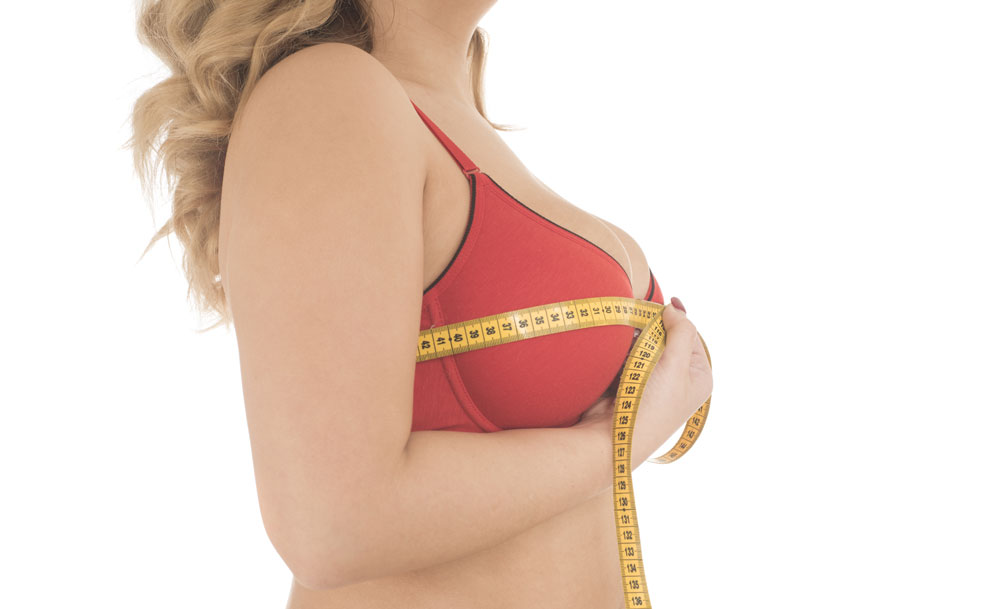
Recovery timelines differ between the two methods. Fat grafting breast augmentation recovery involves healing at both the donor site and the breasts. Swelling and bruising at the liposuction sites are common. Most patients return to daily activities within one to two weeks. Implant recovery involves swelling and tightness in the chest area. Most implant patients resume normal activities within two to four weeks. Recovery may feel less uncomfortable overall because no large devices are placed beneath the tissue. Both approaches require avoiding strenuous exercise for several weeks to support optimal healing.
Longevity of Results
The longevity of results varies between the two techniques. Fat grafting breast augmentation results are designed to be permanent once the transferred fat has established blood supply. However, significant weight changes can affect the volume because fat cells respond to weight fluctuations. Implants provide stable volume regardless of weight changes. The volume achieved is influenced by how much fat survives the initial transfer period. Implants may eventually require replacement due to wear, rupture or capsular contracture. Both approaches offer long-lasting results when the appropriate technique is selected for the patient.
Who Is a Better Candidate for Fat Grafting Breast Augmentation?
Fat grafting breast augmentation suits patients who want modest, natural-looking enhancement. Candidates need sufficient donor fat available for harvesting. The technique is popular among patients wanting body contouring at donor sites. It suits individuals who prefer to avoid synthetic implants. The technique is also used for breast reconstruction and to correct asymmetry. Very lean patients may not have enough fat for transfer. A consultation determines whether sufficient donor tissue is available to achieve the desired result.
Who Is a Better Candidate for Implants?
Implants suit patients seeking a more significant increase in breast size. They provide predictable volume regardless of body composition. Implants offer control over the precise shape and projection achieved. Patients who desire a specific cup size often find implants more reliable for achieving that goal. Implant augmentation does not require donor fat harvesting. Lean patients who lack sufficient fat for transfer are good candidates for implants. The choice between these two approaches is ultimately guided by anatomy, goals and personal preferences discussed during consultation.
Combining Fat Grafting and Implants
Some patients benefit from combining both techniques in a single procedure. This composite approach uses implants to provide the primary volume increase. Fat grafting breast augmentation is used to refine contours and soften implant edges. The fat creates a more natural transition between the implant and surrounding tissue. This combination is particularly effective for patients with thin breast tissue where implant edges might otherwise be visible. Composite augmentation produces both the volume of implants and the natural feel of fat transfer.
Consultation and Decision Making
A thorough consultation is essential for selecting the right approach. Surgeons assess breast anatomy, skin quality, chest dimensions and available donor fat. Patient goals regarding size, shape and feel are discussed in detail. Fat grafting breast augmentation may be recommended for patients prioritising natural results. Implants may be suggested for those seeking more significant volume. Digital imaging demonstrates potential outcomes from each approach. Open communication ensures realistic expectations and the chosen technique aligns with individual anatomy and preferences.
Current Trends in 2026
Fat grafting breast augmentation has become increasingly refined thanks to advances in fat processing and injection techniques. Improved purification increases fat cell survival rates. This means more predictable volume retention after the procedure. Surgeons now use smaller cannulas for more precise fat placement. Three-dimensional imaging supports detailed surgical planning before the procedure. Fat grafting breast augmentation continues to grow in popularity as patients seek natural implant alternatives. The trend toward body-conscious procedures that use the patient's own tissue reflects broader shifts in aesthetic medicine preferences.
Conclusion
Fat grafting breast augmentation and implants offer effective approaches to breast enhancement with distinct advantages. Fat transfer provides natural feel and minimal scarring while implants deliver greater volume and predictability. The choice depends on individual anatomy, goals and lifestyle preferences. Combining both techniques can produce comprehensive results for suitable patients. Professional consultation ensures personalised planning and the most appropriate recommendation.
If you’re interested in booking a breast augmentation consultation, visit the ACIBADEM Beauty Center Breast Augmentation page.
Frequently Asked Questions
Typically one to one and a half cup sizes per session.
Yes, results feel very natural because the augmentation uses the patient's own tissue.
They may need replacement after ten to twenty years.
Yes, composite augmentation uses both for comprehensive results.
Fat grafting recovery is generally slightly shorter overall.