Ataşehir Mah. Feza Sk. No:3 İstanbul / Türkiye
 English
Introduction
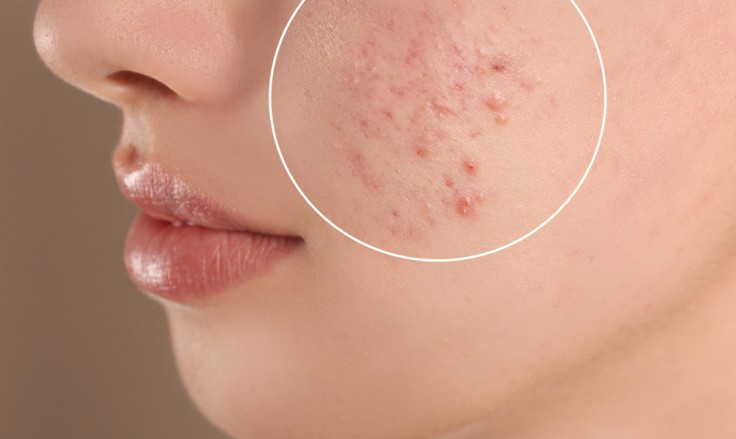
Acne scar removal treatments can significantly improve skin texture, but they rarely work in a single session. Acne scars form when deep inflammation damages the skin's collagen. The skin heals unevenly, leaving dips, pits or raised areas. Many people live with these scars long after acne has cleared. Modern treatments can soften scars and restore a smoother surface. However, scar improvement is gradual and usually requires a course of sessions. This article explains how many treatments are typically needed and why. It also covers scar types, combination plans, recovery and realistic results.
Understanding Different Acne Scars
Acne scars come in several distinct forms. Ice pick scars are narrow, deep pits that resemble small punctures. Boxcar scars are wider depressions with sharp, defined edges. Rolling scars create a wave-like surface with soft, sloping edges. Raised scars, including keloids, form when the skin produces too much collagen. Red or brown marks left after spots are not true scars. They usually fade with time or simpler treatments. Most people have a mixture of scar types.
Why One Session Is Rarely Enough
Scar improvement depends on collagen remodelling, which takes time. Each session triggers a healing response that builds new collagen gradually. Collagen continues to develop for several months after treatment. Treating too aggressively at once increases the risk of side effects. Repeated, controlled sessions produce safer and more reliable results. Different scar types may also need different methods. For these reasons, most patients follow a course over several months.
Types of Acne Scar Removal Treatments
Several methods are used, often in combination. The following table shows typical session numbers.
| Treatment | Best Suited For | Typical Number of Sessions |
| Non-ablative fractional laser | Mild to moderate texture irregularities | Three to five sessions |
| Ablative fractional laser | Moderate to deep atrophic scars | One to three sessions |
| Microneedling or radiofrequency microneedling | Rolling and boxcar scars | Four to six sessions |
| Subcision | Tethered rolling scars | One to three sessions |
| Focal chemical reconstruction | Deep ice pick scars | Three to six sessions |
| Dermal fillers | Soft, rolling depressions | Usually one session, with maintenance |
| Steroid injections | Raised and keloid scars | Several sessions, a few weeks apart |
These figures are general guidance and vary between patients.

How Many Acne Scar Removal Treatments Are Needed?
Most patients need between three and six sessions for meaningful improvement. Mild scarring may respond well within three sessions. Moderate scarring often needs four to six sessions. Severe or widespread scarring may require a longer, combined programme. Sessions are usually spaced four to six weeks apart. A full course often takes six to twelve months. Some patients continue with occasional maintenance afterwards.
Treating Active Acne First
Active acne should be controlled before scar treatment begins. New breakouts can create fresh scars during treatment. Inflammation may also increase the risk of side effects. A dermatologist may prescribe topical or oral treatments first. Some acne medications need to be stopped for a period before certain procedures. The dermatologist will advise on safe timing. Clear skin provides the best foundation for scar treatment.
Laser Acne Scar Removal Treatments
Lasers are among the most widely used options for acne scars. Fractional lasers create tiny columns of treated skin surrounded by healthy tissue. This triggers collagen production and gradual resurfacing. Non-ablative lasers require more sessions but involve less downtime. Ablative lasers achieve more per session but need longer recovery. Darker skin tones may need gentler settings to reduce pigmentation risk. Laser is often combined with other techniques for deeper scars.
Acne Scar Removal Treatments: Subcision and Focal Treatments
Some scars are pulled down by fibrous bands beneath the skin. Subcision uses a fine needle to release these bands. This allows the skin to lift and smooth over time. Deep ice pick scars may need focal chemical reconstruction. This involves applying a strong acid precisely into each scar. The treatment stimulates collagen to fill the scar from below. These focal techniques are often combined with laser or microneedling.
Acne Scar Removal Treatments: Microneedling and Peels
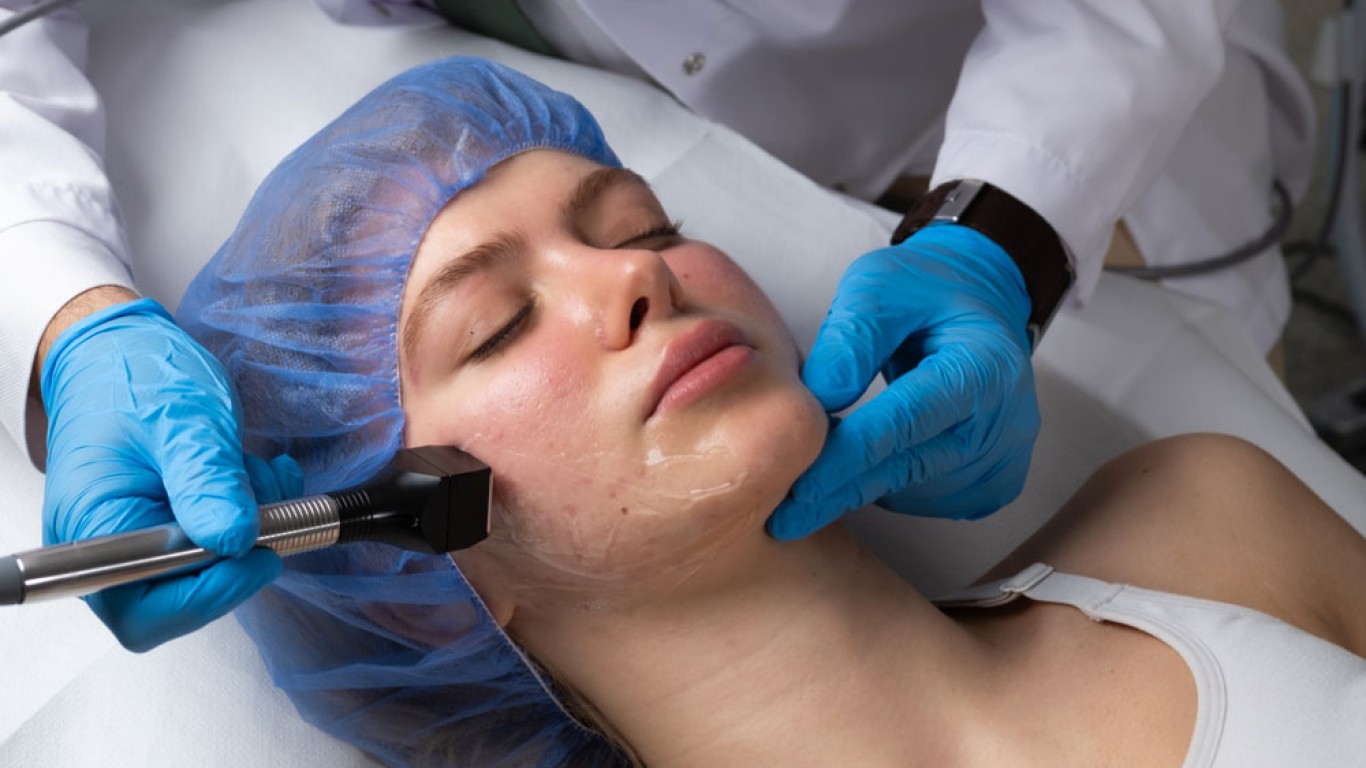
Microneedling stimulates collagen through tiny, controlled skin punctures. It suits rolling and boxcar scars particularly well. Radiofrequency microneedling adds heat for deeper remodelling. Chemical peels can improve surface texture and residual marks. Medium-depth peels may soften shallow scars over several sessions. These treatments often work well alongside lasers or subcision.
Combining Acne Scar Removal Treatments
Combining methods often produces the best results. Each technique addresses a different scar type or depth. For example, subcision may release rolling scars before laser resurfacing. Focal treatment can target ice pick scars within a wider laser plan. Fillers can provide immediate improvement in soft depressions. Combining treatments may reduce the total number of sessions needed. A dermatologist will plan the sequence and spacing carefully.
Recovery Between Acne Scar Removal Treatments
Recovery varies with the type and intensity of treatment. After non-ablative lasers or microneedling, redness usually settles within a few days. Ablative lasers may involve around one week of redness and crusting. Subcision may cause bruising for one to two weeks. Gentle skincare and daily sunscreen support healing between sessions. Patients should avoid picking or scrubbing the treated skin. Allowing full recovery before the next session improves results.
Factors That Affect Your Course
Several factors influence how many treatments are needed. Scar type and depth are the most important. Darker skin tones may require gentler, more frequent sessions. Age affects how quickly collagen responds. Smoking and sun exposure can slow progress. Consistent aftercare and sun protection support better results. The skill of the practitioner also has a major influence.
Results of Acne Scar Removal Treatments
Results develop gradually over the course of treatment. Many patients notice smoother skin after two or three sessions. Further improvement continues for months after the final session. Most patients achieve significant improvement rather than complete removal. Deep ice pick scars are often the most difficult to treat. Results from collagen remodelling are generally long-lasting. Comparing photographs over time helps track progress.
Choosing a Specialist
Acne scar treatment requires careful assessment and planning. Patients should choose a qualified dermatologist experienced in scar treatment. The specialist should identify each scar type before recommending treatment. Access to several treatment methods allows a personalised plan. Before-and-after photographs of similar cases are helpful. A good specialist will set realistic expectations from the start.
Preparing for Treatment
Preparation helps reduce side effects and improve results. Patients should avoid tanning for several weeks before treatment. Certain acne medications may need to be stopped for a period beforehand. Retinoids and exfoliating products are often paused a few days before sessions. Patients prone to cold sores may need antiviral medication. A gentle skincare routine helps the skin start in good condition. The dermatologist will provide personalised instructions.
Raised Scars and Keloids
Raised scars need a different approach from indented scars. Steroid injections can flatten raised scars over several sessions. These injections are usually repeated every few weeks. Vascular lasers may reduce redness in raised scars. Silicone gels and sheets can help soften scar tissue. Keloids can return after treatment, so careful planning is needed. A dermatologist will design a plan that reduces this risk.
Conclusion
Acne scar removal treatments usually require three to six sessions for meaningful improvement. Severe scarring may need a longer, combined programme over six to twelve months. Different scar types respond to different methods, such as laser, subcision or microneedling. Combining treatments often gives the best results. A qualified dermatologist can design a personalised plan for each patient.
To learn more about acne scar removal treatments and to book a consultation, visit the ACIBADEM Beauty Center Skin Treatments webpage.
Frequently Asked Questions
Most patients need three to six sessions, depending on scar type and severity.
Most treatments significantly improve scars rather than removing them completely.
Sessions are usually spaced four to six weeks apart.
Deep ice pick scars are often the most difficult to improve.
Yes. Active acne should be controlled before scar treatment begins.