Ataşehir Mah. Feza Sk. No:3 İstanbul / Türkiye
 English
Introduction
Many people want to look fresher and more rested without having surgery. Non-surgical treatments have become a popular way to soften the signs of ageing with little downtime. Ageing affects the face in several ways, including lines, volume loss, loose skin and dull texture. Different treatments target each of these changes, which is why combined plans are common. This guide explains four of the most effective non-surgical treatments to look younger. It covers how each one works, who it suits and how long results usually last.
How the Face Changes With Age
Understanding how the face ages helps to explain why different treatments are used. Four main changes tend to happen gradually over time. First, repeated facial expressions create lines on the forehead, between the brows and around the eyes. Second, fat pads in the face shrink and move, causing hollows and folds. Third, collagen and elastin decline, which makes the skin looser and less firm. Fourth, the skin surface becomes duller and more uneven as cell turnover slows. Each of the four treatments below targets one of these changes. Most people notice more than one change at once, which is why combined plans are common. The first visible signs often appear in the thirties, although timing varies between individuals.
Treatments to Look Younger: 1. Anti-Wrinkle Injections
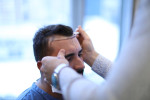
Anti-wrinkle injections are one of the most popular treatments to look younger. They relax specific facial muscles to soften lines caused by movement. Common treatment areas include the forehead, frown lines between the brows and crow's feet. Treatment usually takes around fifteen minutes and involves little or no downtime. Results appear within a few days and usually last around three to four months. A conservative approach keeps natural expression and avoids a frozen look. Many people repeat treatment regularly to keep lines soft and stop them deepening over time. Some people find that results last slightly longer after several regular treatments.
Treatments to Look Younger: 2. Dermal Fillers
Dermal fillers restore volume that is lost with age and soften deeper folds. Most fillers are made from hyaluronic acid, which can usually be dissolved if needed. Popular areas include the cheeks, temples, under-eye hollows, lips and jawline. Restoring volume in the cheeks can also lift the lower face slightly. Results are visible straight away and usually last around nine to eighteen months. Mild swelling and bruising are common for a few days after treatment. Small, gradual amounts of filler usually give the most natural result. Many practitioners prefer to build volume over more than one appointment rather than placing a large amount at once.
Treatments to Look Younger: 3. Skin Tightening
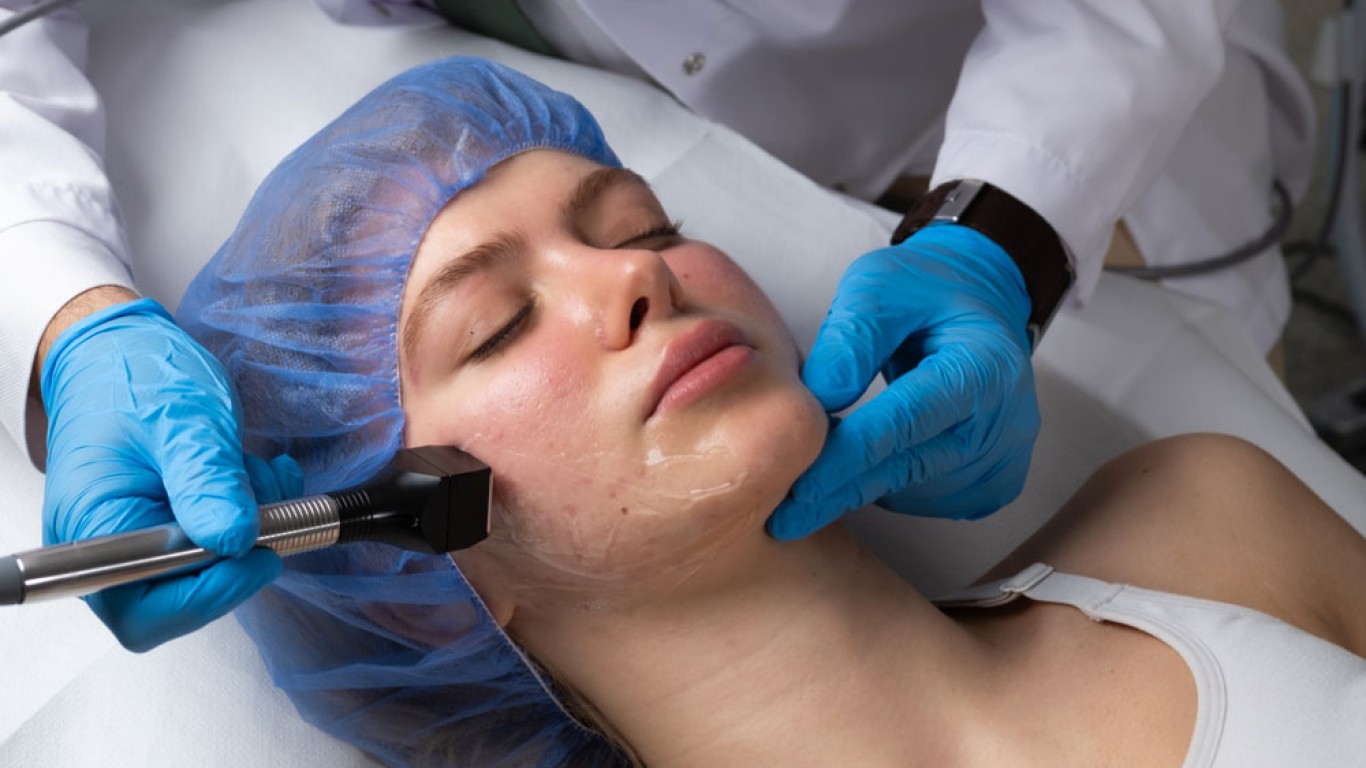
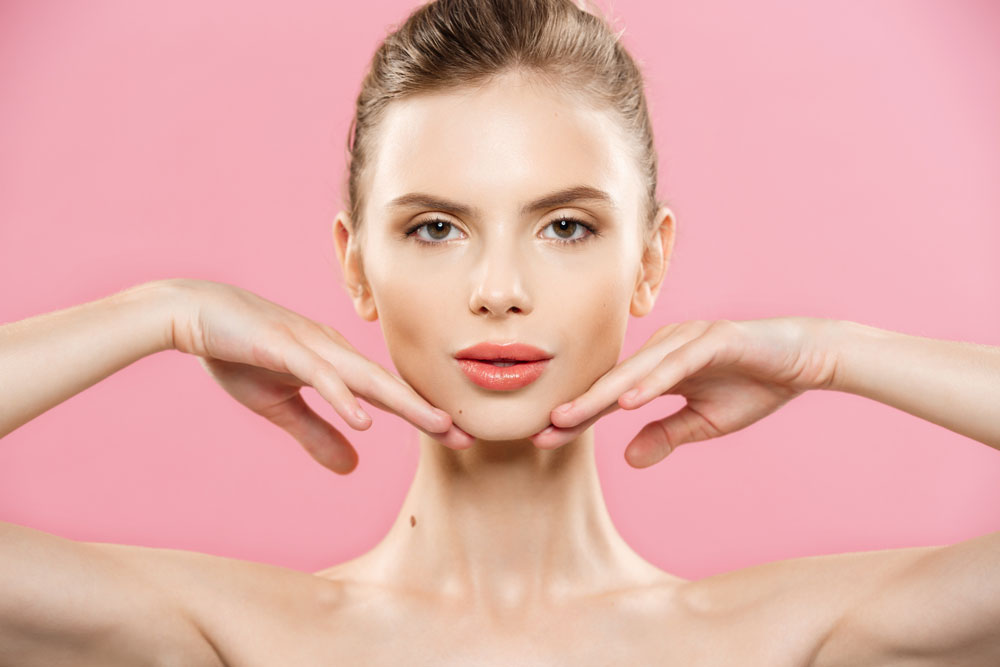
Skin tightening treatments stimulate collagen to firm loose skin along the jawline, neck and lower face. Common options include radiofrequency and high-intensity focused ultrasound, known as HIFU. HIFU uses focused ultrasound energy to heat deeper supportive layers beneath the skin. Results develop over two to three months and often last around twelve to eighteen months. Radiofrequency is usually carried out as a course of sessions and involves little downtime. These treatments suit mild to moderate laxity rather than significant sagging.
Results build gradually as collagen forms, so changes may not be obvious straight away. Maintenance sessions once or twice a year can help to keep the skin firmer for longer.
Treatments to Look Younger: 4. Skin Resurfacing
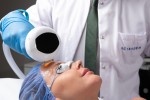
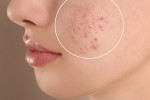
Skin resurfacing treatments improve tone, texture, fine lines and pigmentation. Common options include chemical peels, microneedling and fractional laser resurfacing. These treatments remove damaged outer layers or create controlled injury to stimulate collagen. The skin then renews itself, often looking smoother and brighter. Light peels and microneedling involve little downtime, while stronger lasers may need about one week. Most resurfacing treatments work best as a course of sessions. Resurfacing is often scheduled in autumn and winter, when sun exposure is lower. Daily sunscreen is essential after treatment, as new skin is more sensitive to sunlight and pigmentation.
Comparing the Four Treatments to Look Younger
The table below compares the four treatments by main concern, downtime and how long results usually last. Figures are typical ranges and can vary considerably between individuals.
| Treatment | Main Concern | Typical Downtime | Results Last |
| Anti-wrinkle injections | Expression lines | Little or none | Around 3 to 4 months |
| Dermal fillers | Volume loss and folds | 1 to 3 days | Around 9 to 18 months |
| Skin tightening | Mild to moderate laxity | Little or none | Around 6 to 18 months |
| Skin resurfacing | Tone, texture and fine lines | 0 to 10 days | Varies by treatment |
Combining Treatments to Look Younger
Because each treatment targets a different sign of ageing, many people combine them. A combined plan can create a more balanced and natural result. For example, anti-wrinkle injections can soften lines while filler restores lost volume. Skin tightening and resurfacing can then improve firmness and texture across the face. A practitioner will plan the order and timing of treatments to keep the skin comfortable. Spacing treatments over several weeks can reduce downtime and help results look natural.
Supporting Results at Home
Lifestyle and skincare choices can help results last longer and keep the skin healthy. Daily habits often make a noticeable difference to the skin over time. Helpful steps include the following:
- Use a broad-spectrum sunscreen every day, even in cloudy weather
- Follow a simple skincare routine with ingredients your practitioner recommends
- Avoid smoking, which damages collagen and speeds up ageing
- Get enough sleep and stay well hydrated
- Maintain a stable weight where possible
Good habits support every treatment and help the skin age more slowly. A simple routine is often more effective than using many products at once. A gentle cleanser, a moisturiser and daily sunscreen form a strong foundation for most skin types. Active ingredients, such as retinoids or vitamin C, can be added gradually with professional advice.
Regular reviews with a practitioner help to adjust skincare and treatment plans as the skin changes with age.
Conclusion
Four of the most effective treatments to look younger are anti-wrinkle injections, fillers, skin tightening and skin resurfacing. Each targets a different sign of ageing, and many people combine them over time. Results are temporary, so maintenance and good skincare help to keep the skin looking refreshed. A personal consultation is the best way to build a plan that suits your face.
Explore aesthetic treatments at ACIBADEM Beauty Center to learn more about treatments to look younger.
Frequently Asked Questions
The treatment that makes the biggest difference depends on your main concern. Fillers can restore lost volume, while anti-wrinkle injections soften lines. Many people benefit most from a combined plan that addresses several concerns.
Most treatments involve mild discomfort rather than pain. Numbing cream is often used to keep treatment comfortable. Any discomfort usually settles quickly after treatment has finished.
Filler results are visible straight away, although swelling may need a few days to settle. Anti-wrinkle injections usually start to work within a few days of treatment. Skin tightening and resurfacing results build gradually over several months.
Non-surgical treatments can soften signs of ageing and delay surgery. However, they cannot replace surgery for significant sagging. A surgeon can advise when surgery is likely to give a better result.
This depends on the treatment chosen and how your skin responds. Anti-wrinkle injections are often repeated every three to four months. Fillers and skin tightening are usually repeated less often, often once or twice a year.