Ataşehir Mah. Feza Sk. No:3 İstanbul / Türkiye
 French
  English
  German
  Spanish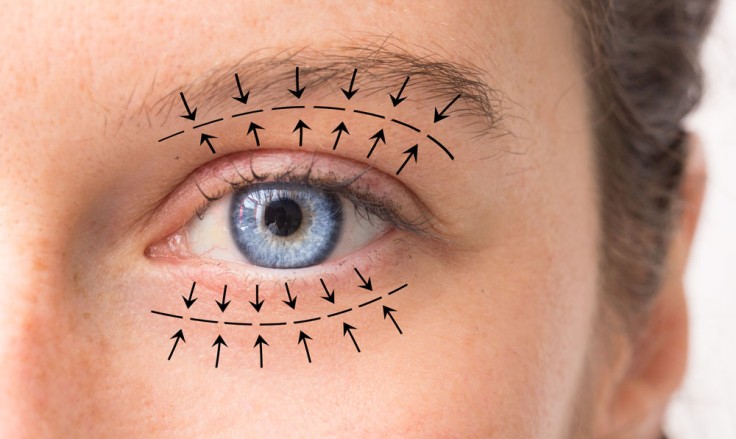
Introduction
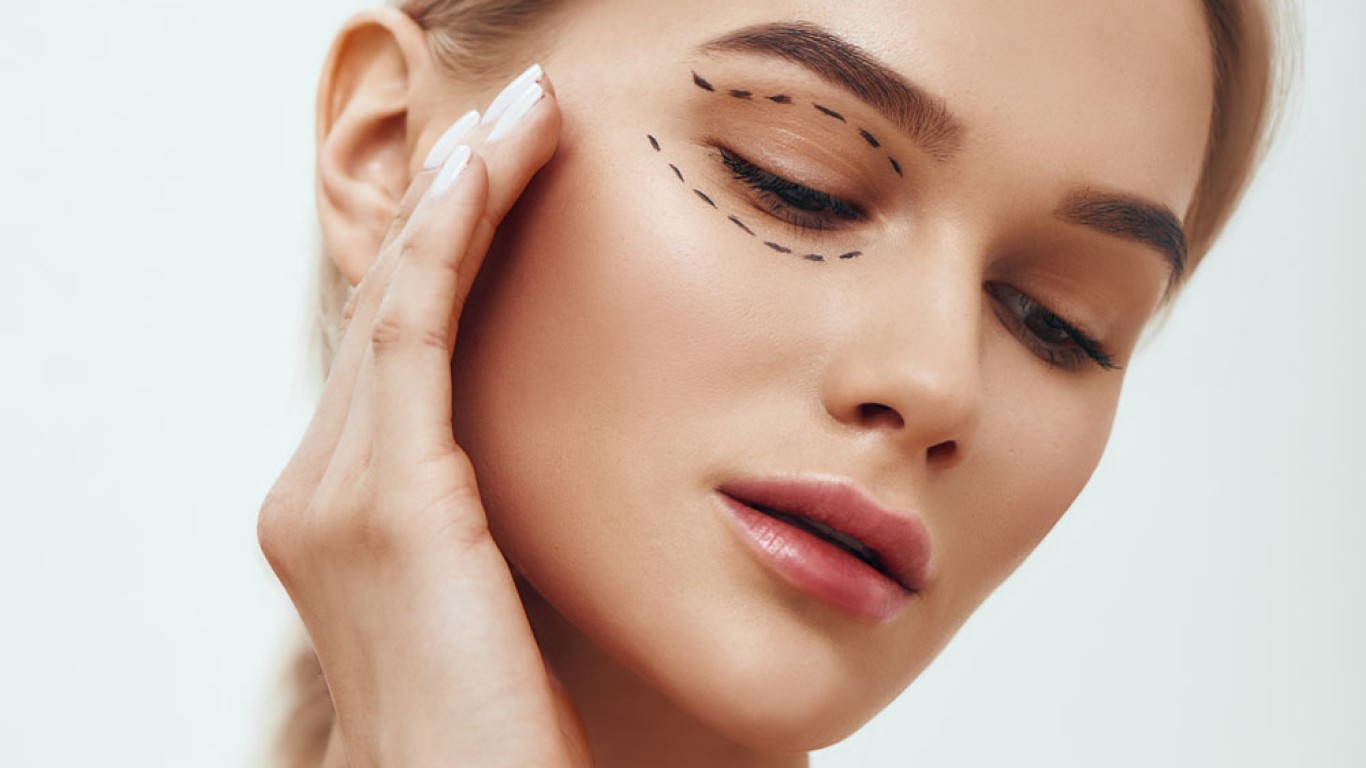
Ptosis occurs when the upper eyelid drops lower than its ideal position - this can affect eyelid openness and overall facial balance. Many people seek treatment to restore a natural and refreshed look. Ptosis surgery offers a structured solution that lifts the eyelid using precise planning. This guide explains what ptosis is, how ptosis surgery works, and what individuals can expect throughout the entire process.
What Does Ptosis Mean?
Ptosis describes the downward position of the upper eyelid. It can affect one eye or both. Some people experience mild drooping while others notice a more noticeable change. Ptosis may develop slowly or appear after natural ageing. Digital imaging helps clinics study eyelid position, brow support and upper-eye movement. These insights help confirm the degree of ptosis and identify the most suitable treatment approach.
Why Ptosis Occurs
Ptosis forms for several reasons. The eyelid muscle may weaken with age, or structure around the upper eye may also shift. For some individuals, ptosis begins early in life. Digital scans help specialists examine the eyelid lift mechanism and related structures. This ensures clear understanding before developing a treatment plan.
How Ptosis Is Assessed
Assessment is completed through a combination of digital analysis and physical evaluation. Clinics use high-resolution imaging to measure eyelid height and muscle function. AI tools then track symmetry, blink patterns and brow position. These details allow specialists to design a precise and personalised plan for ptosis surgery. Assessment also ensures that eyelid lift goals match overall facial proportions.
What Does The Surgery Involve?
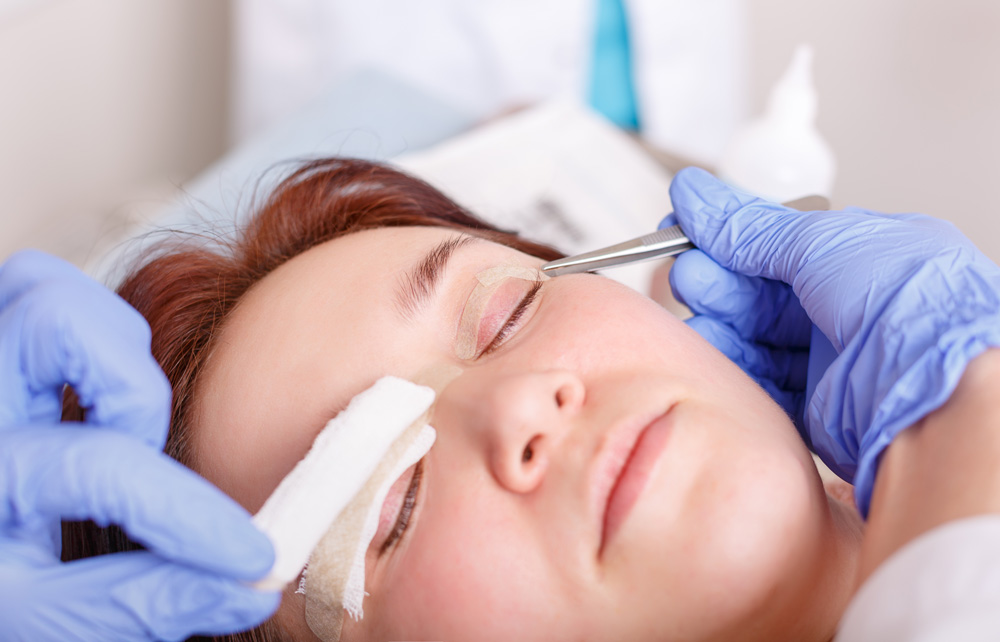
Ptosis surgery lifts the upper eyelid by adjusting the muscle responsible for eyelid elevation. The aim is to achieve a balanced and natural eyelid height. Specialists follow a detailed plan created through digital mapping. This ensures the eyelid sits at an ideal level while maintaining smooth contour.
Modern Planning for Ptosis Correction
Modern clinics use advanced planning techniques for ptosis treatment. Digital modelling helps specialists predict eyelid position before treatment. The models show how the eyelid will align with brow shape and eye contour. AI tools also support placement decisions. These planning systems create a reliable foundation for ptosis surgery and ensure aesthetic balance.
What Are The Benefits of Ptosis Surgery?
- Ptosis surgery improves eyelid height and enhances overall symmetry.
- The eyelid sits in a more open position, helping the eye look fresh and balanced.
- Many people appreciate the refined and natural shape gained through treatment.
- Digital planning also makes outcomes more predictable.
- Clinics review structure carefully to achieve personalised results.
Eyelid Symmetry and Ptosis Treatment
Symmetry plays a key role in ptosis planning. Digital tools compare eyelid position and movement on both sides. This helps identify small differences that influence the treatment plan. Specialists use this data to lift the eyelid to a balanced position. Because symmetry affects facial expression, this analytical approach strengthens the final result.
What to Expect Before Surgery
Before surgery, patients attend a consultation and imaging session. Specialists review eyelid measurements and muscle patterns. Support teams outline preparation guidelines and schedule the planning stages. Digital platforms allow easy access to instructions, reminders and follow-up information. This makes the preparation phase simple and organised.
What Happens During Ptosis Surgery?
During the procedure, specialists follow the pre-planned design. They adjust the eyelid muscle to achieve the desired height. The process is precise and follows a clear sequence. Attention to detail ensures a smooth contour and balanced elevation. Clinics use advanced tools to support accuracy from start to finish.
Early Healing After Ptosis Treatment
- Healing begins with light routines and simple movement.
- Individuals follow structured guidance and support plans provided by the clinic.
- Swelling and tightness ease steadily.
- Digital check-ins allow specialists to monitor eyelid height and shape.
- These early reviews help maintain alignment with the planned contour.
How the Eyelid Settles Over Time
- As weeks progress, the eyelid gradually settles into its final shape.
- The contour becomes more refined.
- Eyelid height stabilises as muscle adjustments integrate fully.
- Digital follow-up tools help clinics track progress and confirm that both sides remain balanced.
- Many individuals see steady improvement within the first month.
Long-Term Outcomes of Ptosis Surgery
- Long-term results show a natural and stable eyelid height.
- Improved symmetry enhances facial balance.
- The refreshed eyelid shape supports a brighter appearance and clear definition.
- Many people value the predictability offered by digital planning systems.
- These modern tools help maintain long-term consistency.
Why People Choose Ptosis Surgery
People choose ptosis treatment to improve eyelid position and restore balance. Many appreciate the accuracy offered by modern imaging and AI tools, these systems help specialists plan eyelid height with exceptional detail. The personalised design process makes ptosis surgery a popular option for those seeking refined correction.
Can Mild Ptosis Be Treated Without Surgery?
Mild cases sometimes respond to non-surgical approaches. Brow support treatments or muscle-focused methods may help in selected cases. Digital scans confirm whether non-surgical methods are suitable. Specialists explain all available options before recommending the most effective route. Suitability depends on structure and muscle behaviour.
Follow-Up Care After Ptosis Treatment
Follow-up care includes scheduled reviews and digital check-ins. Specialists track eyelid height and ensure that the final shape settles correctly. They also provide guidance for daily routines. This structured approach supports a smooth journey and steady progress.
Conclusion
Ptosis surgery offers a precise, structured and modern approach to eyelid correction. Digital imaging, AI analysis and detailed planning help specialists achieve natural results and balanced eyelid height. With long-term follow-up and personalised support, people can increasingly expect clear and predictable outcomes.
For more information about ptosis, and to book a consultation, visit the ACIBADEM Beauty Center eyelid surgery page.
Frequently Asked Questions
It is the downward position of the upper eyelid.
It lifts the eyelid to a balanced height.
Clinics use digital scans and AI tools.
It settles gradually over several weeks.
Some mild cases respond to non-surgical options.