Ataşehir Mah. Feza Sk. No:3 İstanbul / Türkiye
 English
  German
  Spanish
Introduction
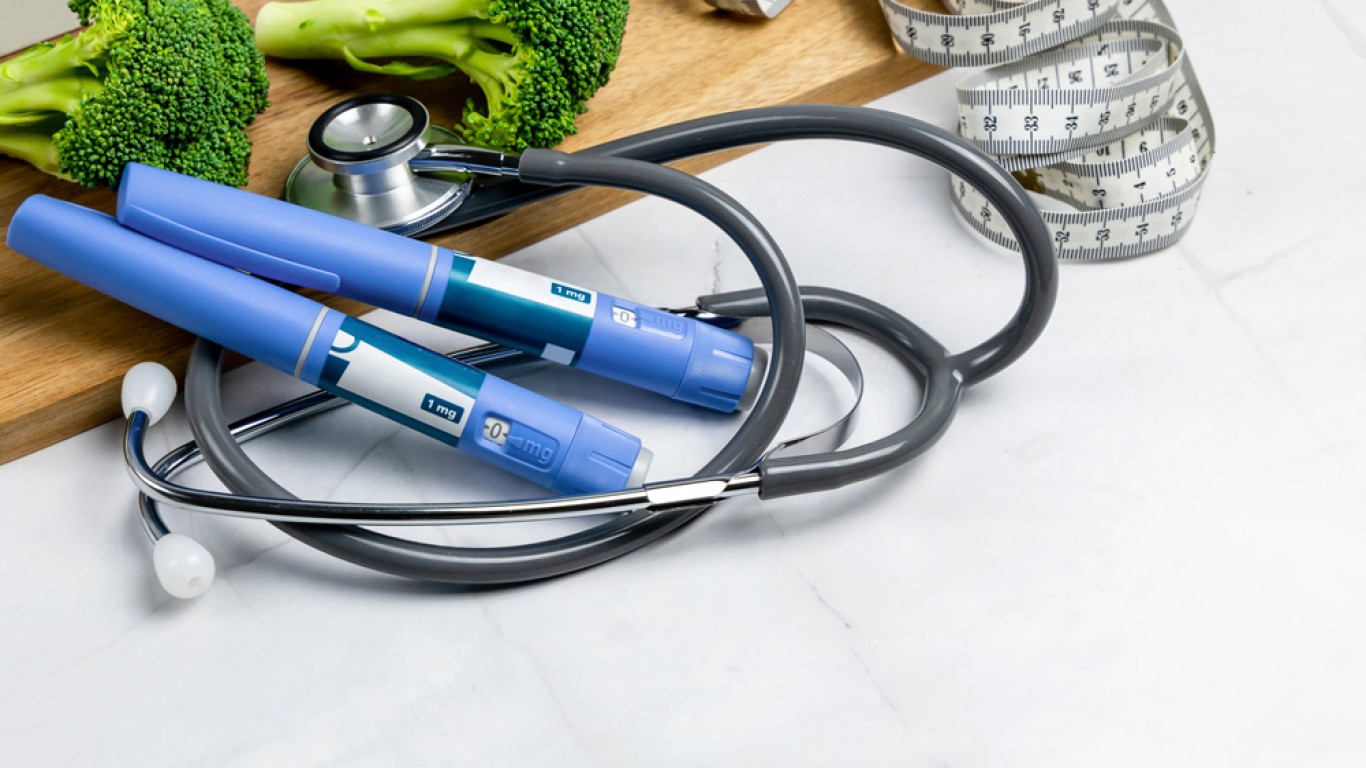
Ozempic face describes the gaunt, hollow facial appearance that some patients develop during rapid weight loss. GLP-1 medications produce significant weight reduction. The face loses fat alongside the body. Cheeks hollow. Temples sink. The jawline becomes overly angular. Nasolabial folds deepen. Understanding how to avoid Ozempic face helps patients protect their facial appearance during treatment. Prevention is easier than correction. This article explains why facial volume loss occurs, how to avoid Ozempic face and what treatments restore a youthful appearance if prevention is not fully successful.
What Is Ozempic Face?
Ozempic face is not a medical condition. It is a colloquial term describing facial ageing caused by rapid fat loss. Weight loss medications reduce fat across the entire body. The face loses volume alongside the abdomen, thighs and other areas. The result can appear prematurely aged. Cheeks deflate. Under-eye hollows deepen. Avoiding Ozempic face begins with understanding that facial fat is an important structural component. It provides fullness, smoothness and youthful contour. When this fat diminishes rapidly, the skin may not contract to match. Sagging and hollowing develop. The face may age by several years within a few months of significant weight loss. Ozempic face affects some patients more than others. Those with naturally lean faces are more susceptible. Older patients experience more pronounced change because their skin has less elasticity to adapt.
Why Does Ozempic Face Happen?
Facial fat loss during weight loss medication is unavoidable to some degree. The body cannot selectively preserve facial fat while losing fat elsewhere. Avoiding the Ozempic face completely is therefore not entirely possible. However, the severity can be minimised. Rapid weight loss produces more dramatic facial change than gradual loss. The faster the fat disappears, the less time the skin has to adjust. Muscle loss compounds the problem. GLP-1 medications cause loss of both fat and lean mass. Facial muscles thin alongside body muscles. This adds to the gaunt appearance. Avoiding Ozempic face involves addressing both the rate of weight loss and the preservation of lean tissue. Patients who lose weight more gradually and maintain muscle through exercise experience less severe facial change.
How to Avoid Ozempic Face: Practical Prevention
Several strategies help reduce facial volume loss. Avoiding Ozempic face starts with maintaining adequate protein intake. Sixty to eighty grams daily is the minimum. Protein supports muscle preservation throughout the body including the face. Resistance training builds and maintains muscle mass. Regular strength exercise reduces the lean tissue loss that contributes to a gaunt appearance. Avoiding Ozempic face also involves managing the rate of weight loss. Slower, steadier reduction allows the skin more time to adapt. Discussing dose titration with the prescribing doctor may moderate the speed of loss. Hydration supports skin quality. Well-hydrated skin maintains its structure better during volume changes. How to avoid Ozempic face through skincare includes retinoids for collagen stimulation and daily SPF for skin protection. These habits support skin elasticity and firmness during the weight loss process.
How to Avoid Ozempic Face: Skincare Support
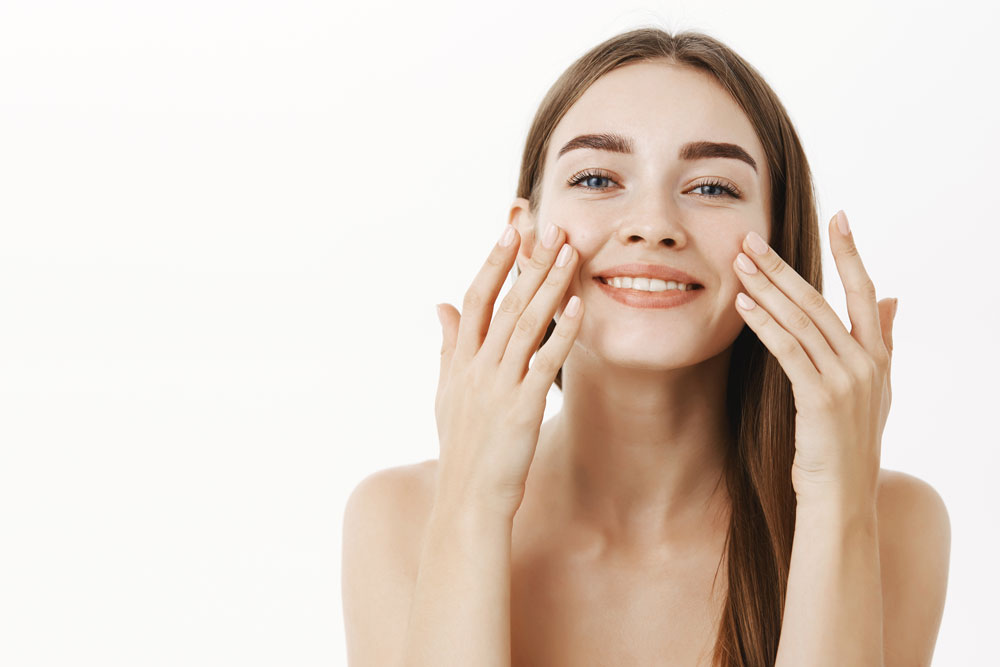
Good skincare supports facial skin quality during weight loss. How to avoid Ozempic face through skincare involves stimulating collagen production proactively. Retinoid creams promote collagen synthesis. They thicken the dermis. Thicker, firmer skin adapts to volume loss more gracefully. Vitamin C serum provides antioxidant protection and supports collagen. Hyaluronic acid serums maintain surface hydration. How to avoid Ozempic face through consistent skincare is a realistic and accessible strategy. SPF fifty protects against UV-induced collagen breakdown. Sun damage weakens the skin structure that is already under pressure from volume loss. Peptide serums support skin firmness. Growth factor serums may promote tissue repair. Avoiding Ozempic face does not require expensive products. Consistent use of proven ingredients produces measurable support. The combination of retinoid, vitamin C and SPF forms a strong protective foundation during GLP-1 treatment.
Treatment Options for Ozempic Face
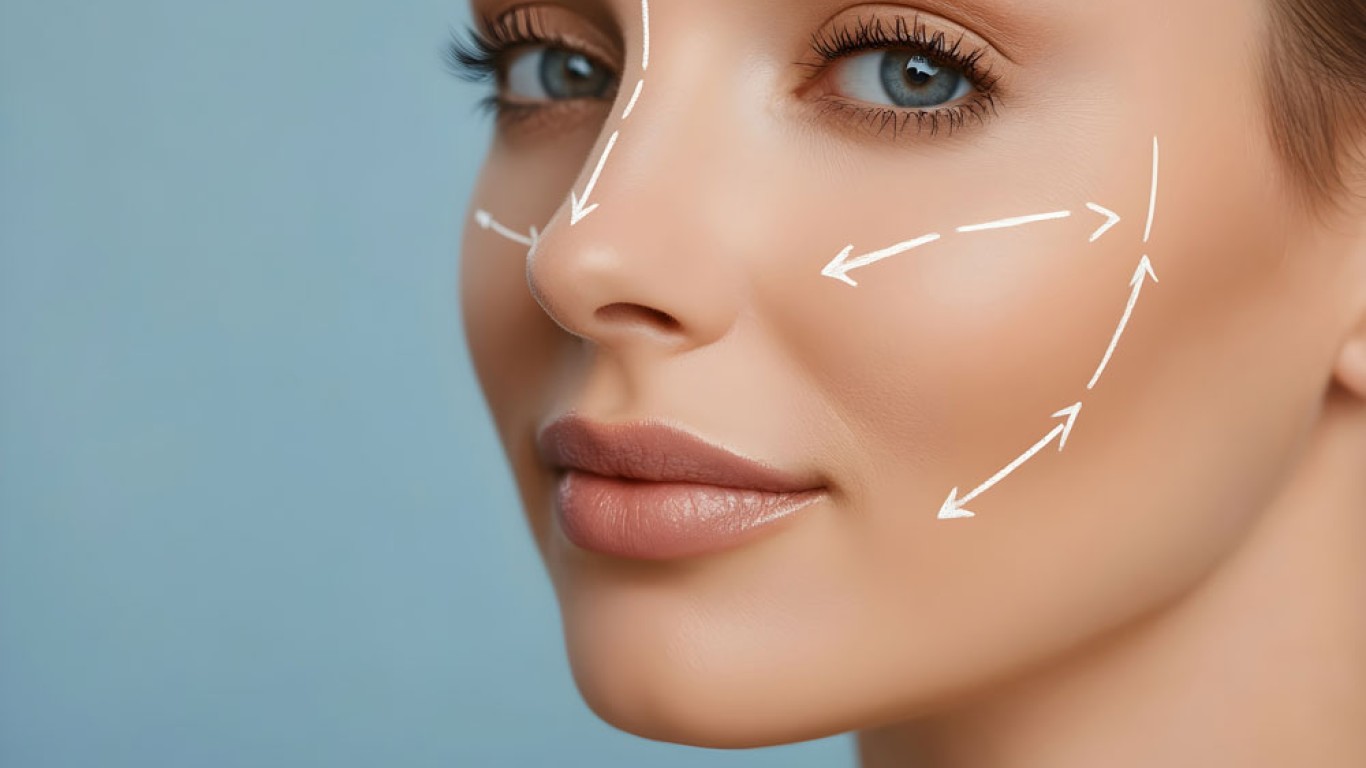
When prevention is insufficient, treatment restores lost volume. Dermal filler is the most immediate and effective solution. Hyaluronic acid filler replaces the volume that fat loss has removed. Cheek filler restores midface projection. Temple filler fills the hollows above the cheekbones. Under-eye filler addresses tear trough deepening. How to avoid Ozempic face from worsening often involves strategic filler placement alongside ongoing medication. Filler is temporary. It lasts six to twenty-four months depending on the product and location. Maintenance treatments sustain the restored volume. Profhilo is another option. It improves skin quality without adding structural volume. The treatment hydrates and firms the skin from within. How to avoid Ozempic face long term may involve combining filler for volume with Profhilo for skin quality. This dual approach addresses both components of facial ageing caused by weight loss.
How to Avoid Ozempic Face with Fat Transfer
Fat transfer offers a longer-lasting alternative to filler. The patient's own fat is harvested from another body area. It is processed and injected into the face. Fat transfer restores volume using natural tissue. How to avoid Ozempic face permanently through fat transfer is appealing to some patients. However, not all transferred fat survives. Approximately fifty to seventy percent of injected fat typically persists. Multiple sessions may be needed. Fat transfer results are less predictable than filler. The advantage is that surviving fat becomes a permanent part of the facial structure. How to avoid Ozempic face using fat transfer suits patients who want a lasting solution without ongoing filler maintenance. The procedure requires a minor surgical harvest. Recovery is slightly longer than filler. The combination of permanence and natural tissue makes it an attractive option for the right candidates.
Conclusion
How to avoid Ozempic face involves prevention, skincare and treatment when needed. Adequate protein intake and resistance exercise preserve lean tissue. Consistent skincare supports skin quality. Gradual weight loss allows the skin more time to adapt. Dermal filler and Profhilo restore lost volume and improve skin quality when prevention is insufficient. Fat transfer offers a longer-lasting alternative. Ozempic face is most effective when addressed proactively alongside weight loss medication. Professional consultation ensures personalised advice. Turkey offers facial rejuvenation treatments at competitive pricing with experienced aesthetic practitioners. Combining healthy lifestyle habits with timely aesthetic treatment produces the most natural and balanced long-term facial rejuvenation outcomes.
To find out more information about ozempic options and to book a consultation visit the ACIBADEM Beauty Center Skin Treatments page.
Frequently Asked Questions
A colloquial term describing facial hollowing and ageing caused by rapid weight loss on GLP-1 medication.
The severity can be reduced. Protein intake, exercise and proactive filler help preserve facial volume.
Dermal filler is the most immediate solution. Profhilo improves skin quality. Fat transfer offers longer-lasting results.
Yes. Early, proactive treatment prevents dramatic change rather than correcting it after the fact.
Not equally. Naturally lean faces and older patients are more susceptible.