Ataşehir Mah. Feza Sk. No:3 İstanbul / Türkiye
 English
  German
  Spanish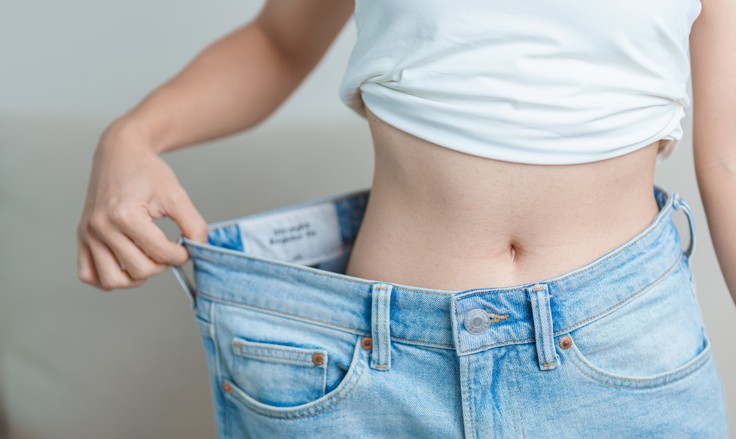
Introduction
Ozempic body is a term that has entered popular culture alongside the widespread use of GLP-1 medications for weight loss. It refers to physical changes that occur after rapid or significant weight loss. These are associated with semaglutide and similar GLP-1 medications. These changes include loose skin, muscle mass reduction and facial deflation. Ozempic body is not a medical diagnosis. It is a colloquial term describing a recognisable pattern of appearance changes. Understanding what it means and why it happens is important. It helps patients make informed decisions about their treatment journey. This article explains the causes and the most effective solutions available.
What Causes Ozempic Body?
Ozempic body develops as a result of rapid weight loss. GLP-1 medications reduce appetite significantly. Patients eat considerably less than before. Weight loss occurs faster than with lifestyle-only interventions. The skin does not always shrink at the same rate as the underlying fat and tissue. This creates excess, loose skin in areas where fat has been lost. The face is often noticeably affected. Facial fat loss creates a deflated, aged appearance sometimes called Ozempic face. The neck, arms, abdomen and thighs are other common sites of loose skin. Muscle mass can also reduce if protein intake is insufficient during weight loss. This contributes to the aged, loose appearance across the body. The speed of loss and the starting body size influence how pronounced these changes become.
Ozempic Face: The Facial Aspect of Ozempic Body
Ozempic face is the most discussed component of the Ozempic body. It describes the gaunt, deflated facial appearance that can follow rapid weight loss. The cheeks hollow as fat pads deplete. Under-eye area deepens. The temples become more visible. The jaw appears less defined as submental fat is lost. These changes make the face look older than before treatment began. For some patients, this is a significant concern. This creates a situation where the body appears slimmer while the face appears more aged. Facial fat plays an important structural role. It supports the overlying skin and provides youthful volume. When it is lost rapidly, the skin does not have time to adapt and contract. This leads to the hallmarks of the Ozempic face.
Ozempic Body and Loose Skin on the Body
Loose skin across the body is the second major component of Ozempic body. The abdomen is one of the most commonly affected areas. Rapid fat loss in the belly leaves skin with no underlying structure to support it. The inner thighs experience similar changes. Significant thigh fat loss leaves inner thigh skin loose and hanging. The upper arms are another common site. Loose upper arm skin is a frequent concern after rapid weight loss. The chest can also be affected. Breast volume reduces with weight loss and skin may appear looser. The degree of loose skin depends on the total weight lost and the speed of loss. Age and individual skin elasticity also play a role. Patients who lose weight more gradually tend to experience less dramatic skin laxity.

Non-Surgical Treatments for Ozempic Body
Several non-surgical treatments address aspects of the Ozempic body. Dermal fillers restore lost volume in the face effectively. The cheeks, temples, under-eye area and jawline can all be treated. This directly addresses the Ozempic face by replacing the structural support that fat loss has removed. Radiofrequency and HIFU treatments tighten skin on the face and body. They stimulate collagen production. This improves skin firmness over several months. Radiofrequency microneedling addresses both skin laxity and texture. Body contouring using cryolipolysis removes remaining stubborn fat deposits. Lymphatic drainage massage supports skin adaptation and circulation during the weight loss phase. These non-surgical options suit patients with mild to moderate skin laxity who want improvement without surgery.
Surgical Treatments for Ozempic Body
More significant Ozempic body changes often require surgical correction. A facelift repositions facial tissue and removes excess skin. It addresses the hollowed, aged appearance of the Ozempic face at a structural level. Fat grafting to the face restores lost volume using the patient's own fat. This produces natural-feeling results. An abdominoplasty, or tummy tuck, removes excess abdominal skin and tightens the underlying muscles. A lower body lift addresses loose skin across the abdomen, thighs and buttocks simultaneously. An arm lift removes excess upper arm skin. A thigh lift addresses inner thigh laxity. These procedures are typically performed twelve to eighteen months after weight has stabilised. Operating before weight is stable risks the results being compromised by further change.
Nutritional Strategies to Prevent Ozempic Body
Nutritional habits during GLP-1 treatment significantly affect Ozempic body outcomes. Adequate protein intake is the most important factor. Protein supports muscle mass maintenance during weight loss. Patients on GLP-1 medications often eat significantly less. Without attention to protein, muscle loss accelerates alongside fat loss. Aim for at least one gram of protein per kilogram of target body weight daily. Prioritise protein at every meal. Resistance training alongside GLP-1 treatment preserves muscle mass. This protects against the muscular component of the Ozempic body. Staying well hydrated supports skin elasticity. Vitamin and mineral supplementation helps where appetite reduction limits overall nutritional intake. Working with a dietitian familiar with GLP-1 treatment optimises nutritional strategies throughout the weight loss journey.
When to Consider Body Contouring After GLP-1 Treatment
Timing body contouring procedures correctly is important after GLP-1 treatment. Patients should wait until their weight has been stable for at least twelve months. Operating on a body that is still losing weight creates a risk of suboptimal results. The excess skin may continue to change. Surgical results may not reflect the final body shape. During the waiting period, focus on protein intake, resistance training and skin support treatments. Non-surgical skin tightening treatments can be started earlier. These help the skin adapt as weight loss continues. A comprehensive consultation with a plastic surgeon after weight stabilisation determines the most appropriate procedures. Addressing the face first, then the body in later sessions, is a common and effective phased strategy.
Ozempic Body and Mental Wellbeing
The physical changes of Ozempic body can have a significant impact on mental wellbeing. Many patients begin GLP-1 treatment expecting to feel and look better as they lose weight. The appearance of loose skin and facial deflation can be distressing. This is particularly true when the face looks older despite the body becoming slimmer. Setting realistic expectations before starting treatment helps manage this disappointment. Discussing the Ozempic body with a clinician before starting medication allows patients to plan their response. Understanding that body contouring options exist is reassuring. Knowing that the changes can be addressed reduces anxiety about them during the weight loss phase. Peer support groups for GLP-1 medication users have grown significantly. Connecting with others going through the same journey provides context and emotional support. Clinical consultations alone cannot offer this.
Conclusion
Ozempic body describes the skin laxity and facial deflation that can follow rapid weight loss on GLP-1 medications. The face, abdomen, arms and thighs are the most commonly affected areas. Ozempic face specifically describes the aged, gaunt facial appearance that results from facial fat loss. Non-surgical treatments including fillers and radiofrequency address mild to moderate changes effectively. Surgical procedures including facelift, tummy tuck and arm lift address more significant laxity after weight stabilisation. Nutritional strategies during treatment reduce the severity of muscle and skin changes. Timing body contouring correctly after stable weight is achieved ensures the best surgical outcomes. Professional consultation ensures a personalised plan for each patient's specific Ozempic body concerns.
For more information and to book a consultation visit the ACIBADEM Beauty Center Aesthetics page.
Frequently Asked Questions
It describes the loose skin and facial deflation that follow rapid weight loss. It is associated with GLP-1 medications such as semaglutide. The face, abdomen, arms and thighs are the most commonly affected areas.
Ozempic face refers to the gaunt, aged facial appearance caused by rapid facial fat loss. The cheeks hollow, the temples become visible and the jawline loses definition.
Yes. Dermal fillers restore facial volume. Radiofrequency and HIFU tighten loose skin. These suit patients with mild to moderate laxity who want improvement without surgery.
Wait until weight has been stable for at least twelve months. Operating before weight stabilises risks results being compromised by continued change.
High protein intake and resistance training during treatment help preserve muscle mass. These reduce the severity of body changes. Skin tightening treatments also support skin adaptation during weight loss.