Ataşehir Mah. Feza Sk. No:3 İstanbul / Türkiye
 English
Introduction
Gynecomastia is the enlargement of breast tissue in men and boys. It is common and can affect one or both sides of the chest. Many men find the condition affects their confidence, especially when wearing fitted clothes or swimming. The good news is that several approaches can help, depending on the cause. This guide explains how to get rid of gynecomastia step by step. It covers finding the cause, lifestyle changes, medical treatment and surgery.
What Is Gynecomastia?
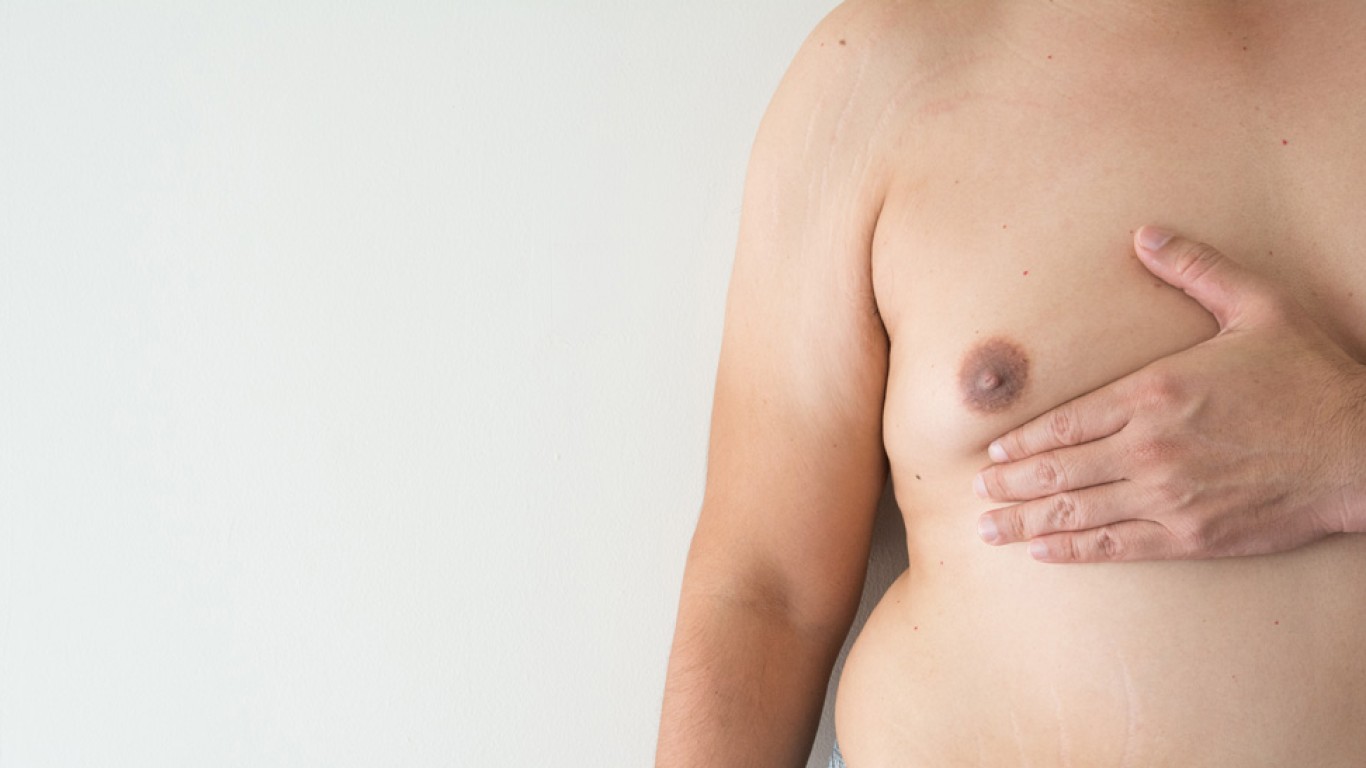
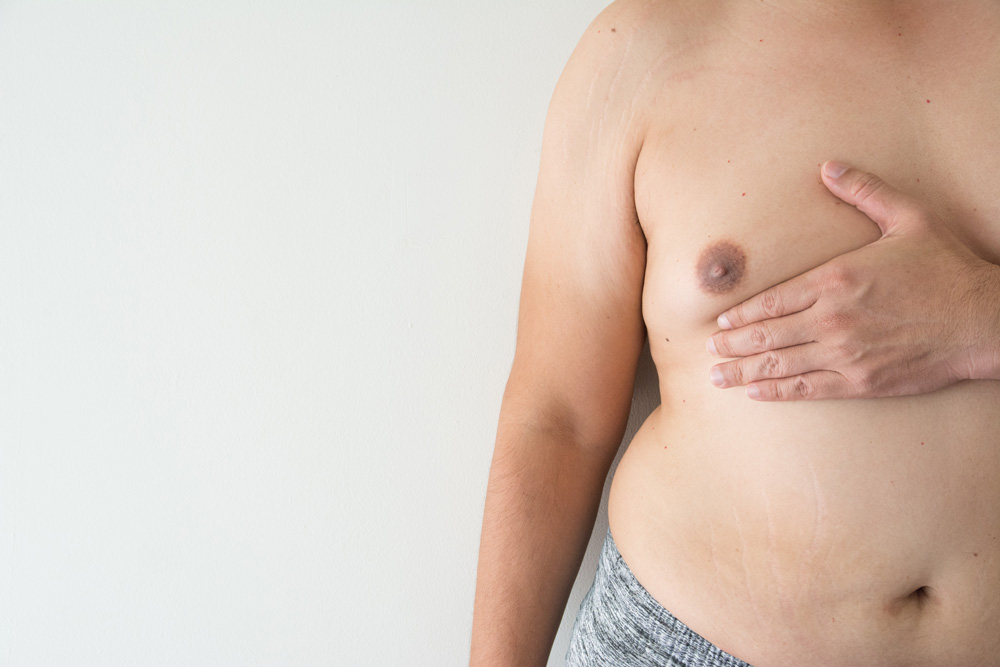
Gynecomastia is an increase in glandular breast tissue in males, rather than simply extra fat. It often feels like a firm or rubbery disc beneath the nipple. It is different from pseudogynecomastia, which is excess fat on the chest without extra gland tissue. Many men have a mix of both gland and fat. Gynecomastia is common during three stages of life: infancy, puberty and older age. Most cases are not a sign of a serious health problem, but a medical check is still sensible. Gynecomastia can also cause tenderness or sensitivity, particularly when it has developed recently. Some men notice that one side is larger than the other, which is common and usually harmless.
What Causes Gynecomastia?
Gynecomastia usually develops when the balance between oestrogen and testosterone changes. Even a small shift in this balance can stimulate breast tissue to grow. Common causes include the following:
- Natural hormone changes during puberty or later in life
- Excess body fat, which can increase oestrogen levels
- Some prescribed medicines, including certain heart and prostate medicines
- Anabolic steroids and some recreational drugs
- Medical conditions affecting the liver, kidneys, thyroid or testicles
In many cases, no single clear cause is found, even after careful assessment. Age also plays a role, as testosterone levels naturally fall in older men. This can shift the hormone balance and lead to gradual growth of breast tissue.
How to Get Rid of Gynecomastia: See a Doctor First
The first step in getting rid of gynecomastia is a medical assessment. A doctor can check whether the swelling is gland, fat or something else. The doctor will ask about medicines, supplements, alcohol and any recent changes in health. Blood tests may be arranged to check hormone levels and organ function. A doctor should always assess any lump that is hard, painful or growing quickly. The doctor may also examine the testicles and abdomen, as some conditions affecting these areas can cause gynecomastia. In some cases, an ultrasound scan of the chest is arranged to confirm whether the swelling is gland or fat. Nipple discharge or skin changes also need prompt medical advice. Breast cancer in men is rare, but it is important to rule it out.
How to Get Rid of Gynecomastia: Treat the Underlying Cause
When a clear cause is found, treating it can reduce breast tissue in some men. This works best when gynecomastia has developed recently rather than over many years. If a medicine is responsible, a doctor may suggest a suitable alternative. Prescribed medicines should never be stopped without medical advice. Stopping anabolic steroids or recreational drugs may help the tissue settle over time. Treating conditions such as thyroid or liver problems can also make a difference.
How to Get Rid of Gynecomastia During Puberty
Gynecomastia is very common in teenage boys and often resolves without treatment. Most cases settle within six months to two years as hormones stabilise. Doctors usually recommend monitoring rather than surgery during this stage. Surgery is generally delayed until breast development has stopped changing. Teenagers who feel distressed about their chest should be encouraged to talk to a doctor. Support from family and reassurance that the condition is common can make a real difference. Loose-fitting clothes and well-fitted compression tops can help teenagers feel more comfortable while waiting. A doctor can also check that weight, medicines or supplements are not contributing.
How to Get Rid of Gynecomastia: Lifestyle Changes
Lifestyle changes can help when excess fat is a large part of the problem, especially in pseudogynecomastia. Losing weight can reduce chest fat and may lower oestrogen levels. Helpful steps include the following:
- Follow a balanced diet with plenty of protein and vegetables
- Combine cardiovascular exercise with strength training
- Reduce alcohol, which can affect hormone balance
- Avoid anabolic steroids and unregulated supplements
However, exercise cannot remove true glandular tissue beneath the nipple. Chest exercises build muscle beneath the tissue but do not shrink the gland itself.
How to Get Rid of Gynecomastia With Medical Treatment
In some cases, a specialist may prescribe medicine to reduce recent gynecomastia. This is usually considered when tissue is tender and has developed recently. Medical treatment is less effective for long-standing gynecomastia. Over time, the tissue becomes more fibrous and less likely to respond to medicine. Any medicine for gynecomastia should only be prescribed and monitored by a doctor. Medicines bought online without a prescription can be unsafe and may cause serious side effects.
How to Get Rid of Gynecomastia With Surgery
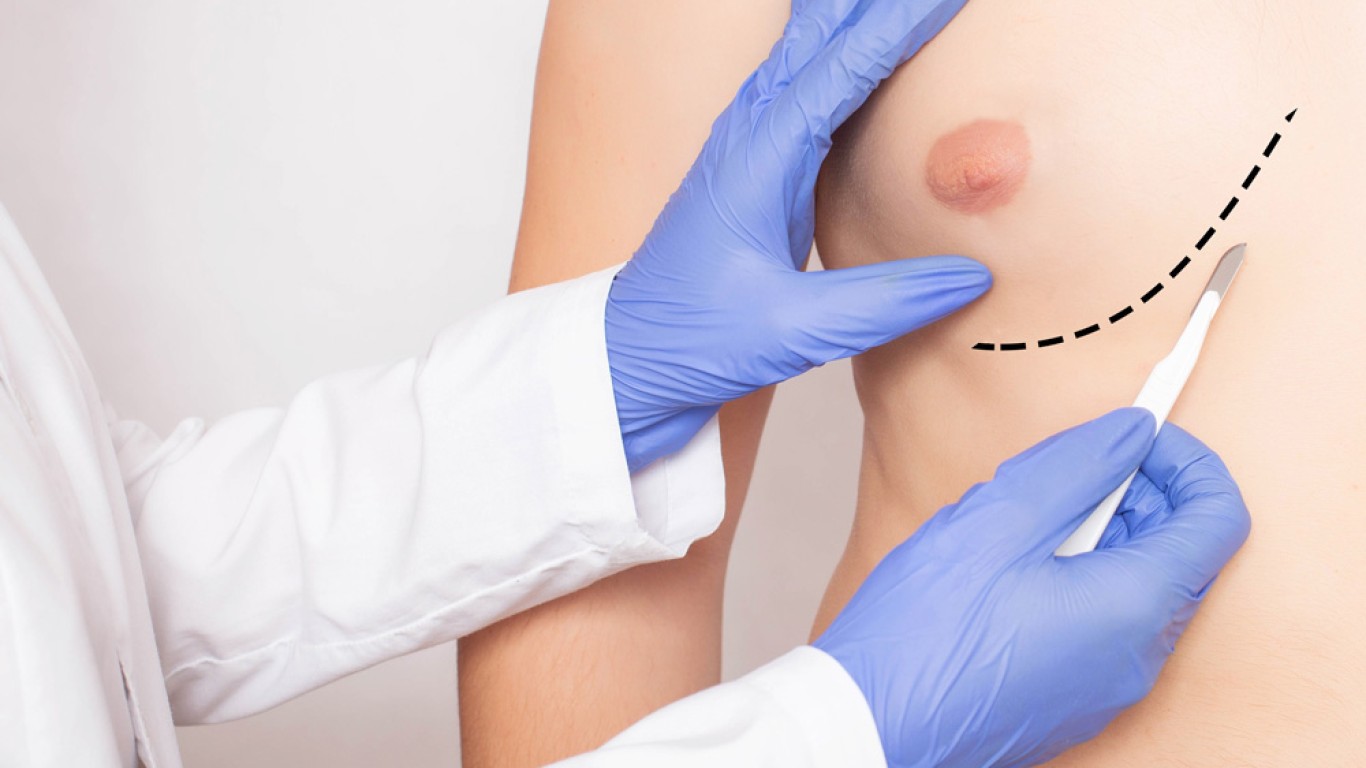
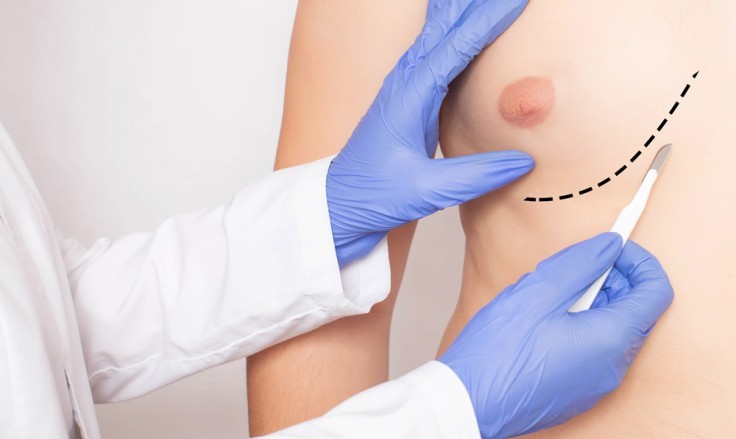
Surgery is the most effective way to get rid of gynecomastia that has lasted a long time. It can remove both gland tissue and excess fat for a flatter chest. Male breast reduction usually combines liposuction with removal of gland tissue. Liposuction removes fat, while a small incision near the areola allows the gland to be removed. In cases with a lot of loose skin, the surgeon may need to remove excess skin. This is more common after major weight loss or in older patients. Surgery is usually performed under general anaesthesia and takes around one to two hours. Most men go home on the same day or after one night in hospital. Good candidates for surgery are usually in good health and close to a stable weight. Surgeons often advise stopping anabolic steroids and some supplements well before surgery to protect the result.
Conclusion
Learning how to get rid of gynecomastia starts with understanding the cause. Puberty-related cases often resolve naturally. Treating the cause or losing weight can help other cases. Surgery is the most effective option for long-standing gland tissue. A specialist consultation is the best way to find the right approach for you. With a personalised treatment plan, men can work towards a flatter, more defined chest. Understanding the available options also helps set realistic expectations about results and recovery. The right approach for how to get rid of gynecomastia depends on individual needs, health and treatment goals.
Explore aesthetic surgery options at ACIBADEM Beauty Center to learn more about how to get rid of gynecomastia.
Frequently Asked Questions
Yes, many cases during puberty settle within six months to two years. Cases linked to medicines may improve when the medicine is changed. Long-standing gynecomastia rarely resolves without treatment.
Exercise can reduce chest fat and build muscle. However, it cannot remove true glandular tissue. Surgery is usually needed for glandular gynecomastia.
Gland tissue that has been removed does not usually grow back. However, weight gain, steroids or some medicines can cause new tissue. A stable weight helps to protect the result.
Scars are usually small and placed around the edge of the areola. Liposuction incisions are very small and usually well hidden. Most scars fade well over the following months.
A doctor should check any lump that is hard, painful or growing quickly. Nipple discharge or skin changes also need prompt advice. Early assessment helps to rule out other, less common conditions.