Ataşehir Mah. Feza Sk. No:3 İstanbul / Türkiye
 English

Introduction
Preparing for plastic surgery consultation is one of the most valuable steps in any surgical journey. The consultation is where patients and surgeons build a shared understanding. It is the time to discuss goals, assess suitability and agree a safe plan. A well-prepared patient gets far more from this appointment. They can ask better questions and make more confident decisions. Preparation also helps the surgeon give accurate advice and a realistic quote. This article explains how to research surgeons, organise medical information and set clear goals. It also covers key questions to ask and tips for international patients.
Why Preparing for Plastic Surgery Consultation Matters
They’re usually short, so preparing for plastic surgery consultation helps patients use it well. Clear goals help the surgeon understand exactly what the patient wants to change. Accurate medical information allows the surgeon to assess safety properly. Prepared questions ensure no important topic is forgotten. Preparation also helps patients recognise whether the surgeon is the right fit. Plastic surgery is a significant decision that deserves careful thought. Good preparation reduces the risk of misunderstandings and disappointment later. It also helps patients feel calmer and more in control.
What Happens During a Consultation?
Most consultations follow a similar structure. The surgeon begins by asking about the patient's concerns and goals. They then review medical history, medications and previous surgery. A physical examination of the treatment area usually follows. The surgeon may take measurements and photographs for planning. They will explain suitable options, techniques and expected results. Risks, recovery time and aftercare will also be discussed. Many consultations end with a provisional treatment plan and quote. Some patients need a second consultation before making a final decision.
Preparing for Plastic Surgery Consultation: Research Your Surgeon
When preparing for plastic surgery consultation, research should begin well before the appointment. Patients should confirm that the surgeon holds recognised plastic surgery qualifications. Membership of professional plastic surgery societies adds credibility. Patients should check how often the surgeon performs the procedure they want. Before-and-after photographs help patients judge the surgeon's aesthetic style. Independent reviews from previous patients offer useful insight. Patients should also check that the hospital is licensed and accredited. Knowing this background allows patients to focus the consultation on their own case.

Preparing for Plastic Surgery Consultation: Define Your Goals
When preparing for plastic surgery consultation, having clear goals help the surgeon recommend the right approach. Patients should think about exactly what bothers them and why. It helps to write down the main concerns in order of priority. Reference photographs can be useful for explaining a preferred style. However, patients should remember that every body and face is different. Surgeons aim to enhance natural features rather than copy another person. Patients should also consider how much downtime they can realistically manage. Being open about expectations helps the surgeon give honest advice.
Preparing for Plastic Surgery Consultation: Gather Your Medical History
When preparing for plastic surgery consultation, having accurate medical information is essential for safe surgery. Patients should list any current or past medical conditions. All medications should be noted, including supplements and herbal remedies. Some supplements can increase bleeding risk during surgery. Patients should mention any allergies, especially to medications or anaesthesia. Previous surgeries and any complications should also be shared. Smoking, vaping and alcohol habits are important to disclose honestly. Patients who have had previous cosmetic treatment should bring details if available. Complete information helps the surgeon plan the safest possible approach.
What to Bring to Your Appointment
Bringing the right items helps the consultation run smoothly. Patients should bring identification and any referral letters. A written list of medications and medical conditions is very helpful. Previous operation notes or scan results can provide important detail. A notebook or phone helps patients record key information. Reference photographs can help explain goals clearly. Some patients find it helpful to bring a trusted friend or family member. Comfortable clothing makes physical examination easier.
Preparing for Plastic Surgery Consultation: Questions to Ask
Prepared questions help patients gather all the information they need. The following table lists useful questions by topic.
| Topic | Example Questions | Why It Matters |
| Experience | How many of these procedures do you perform each year? | Shows familiarity with the technique |
| Technique | Which technique do you recommend for me and why? | Explains the personalised plan |
| Risks | What are the most common risks for my procedure? | Supports informed consent |
| Recovery | How long until I can work, exercise and travel? | Helps with practical planning |
| Costs | What does the quote include and exclude? | Avoids unexpected expenses |
| Aftercare | Who do I contact if I have concerns after surgery? | Ensures ongoing support |
It is important that patients should write down the answers to review later.
Discussing Costs Openly
Cost is an important part of decision-making. Patients should ask for a detailed written quote. The quote should list the surgeon's fee, anaesthesia and hospital costs. Patients should check whether garments, medications and follow-ups are included. They should ask about the cost of any revision surgery if needed. Payment schedules and cancellation policies should also be clear. Comparing quotes is only meaningful when inclusions are equivalent.
Preparing for Plastic Surgery Consultation as an International Patient
Many international patients begin with a virtual consultation. When preparing for plastic surgery consultation, patients should prepare clear, well-lit photographs from several angles. They should send medical records and medication lists in advance. A reliable internet connection and a quiet space make the call easier. Patients should confirm that an interpreter is available if needed. Questions about travel, length of stay and follow-up are particularly important. Patients should also ask how aftercare is managed once they return home. An in-person consultation usually takes place before surgery to confirm the plan.
Red Flags to Look Out For
Some warning signs suggest a provider may not be the right choice. Patients should be cautious if they feel pressured to book quickly. Discounts that expire within hours are a common pressure tactic. Promises of perfect or guaranteed results are unrealistic. A surgeon who does not discuss risks is also a concern. Patients should be wary if they cannot confirm who will perform the surgery. Unclear pricing or reluctance to share credentials are further warning signs.
Photographs and Physical Assessment
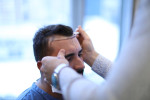
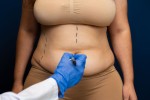
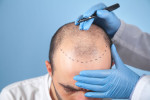
Most surgeons take photographs during the consultation. These help with planning and provide a record of the starting point. Photographs are taken from several standard angles in good lighting. Patients should wear simple clothing that allows easy access to the treatment area. The surgeon may also take measurements, such as breast width or skin laxity. For facial procedures, makeup should be avoided where possible. Patients should feel comfortable asking how their photographs will be stored and used.
Conclusion
Preparing for plastic surgery consultation helps patients make safe, well-informed decisions. Researching the surgeon, defining goals and gathering medical history are essential steps. Prepared questions ensure every important topic is covered. International patients should prepare photographs and records for virtual consultations. Taking time after the consultation supports a confident, considered choice.
To find out more about preparing for plastic surgery consultation and to book a consultation, visit the ACIBADEM Beauty Center Aesthetics webpage.
Frequently Asked Questions
Most consultations last thirty to sixty minutes, depending on the procedure.
Bring identification, a medication list, medical records and reference photographs.
Yes. Many clinics offer virtual consultations, followed by an in-person assessment before surgery.
Many patients find it helpful to compare advice from more than one surgeon.
Most surgeons provide a provisional quote after assessing your goals and suitability.