Ataşehir Mah. Feza Sk. No:3 İstanbul / Türkiye
 French
  English
  German
  Spanish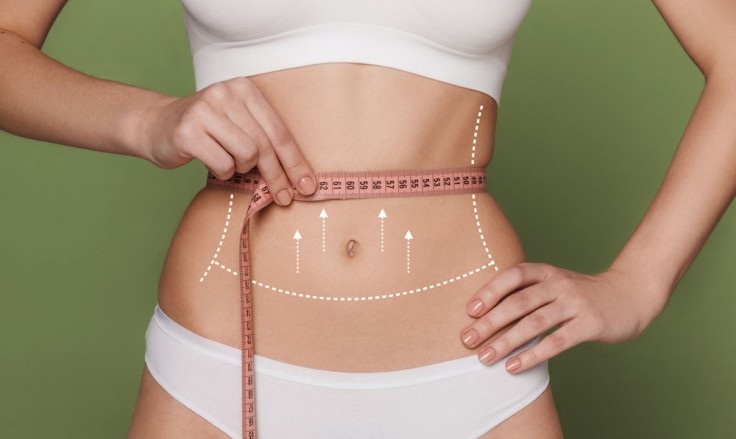
Introduction
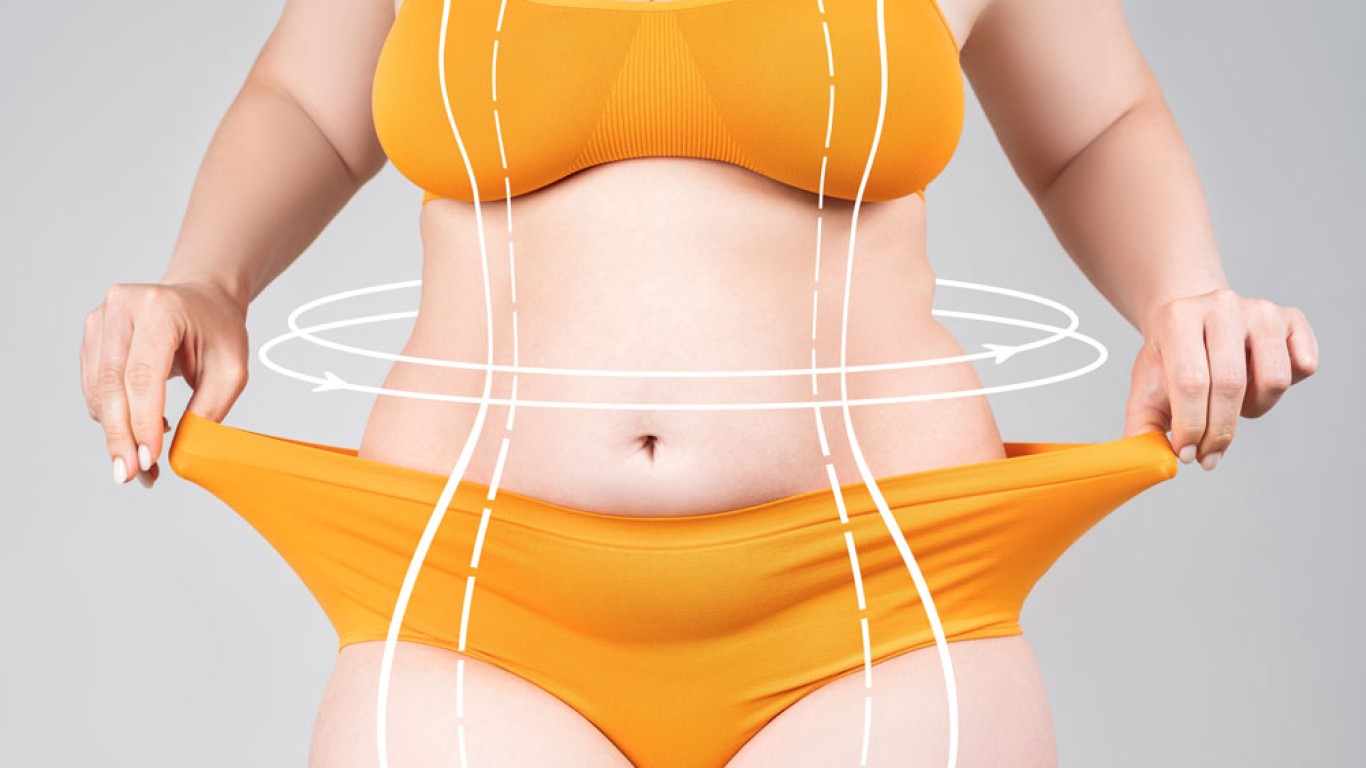
Many individuals struggle with fat deposits around the midsection that seem resistant to diet and exercise. Despite healthy routines, the abdomen often retains a layer of fat. This is one of the most common body concerns for both men and women across all age groups. The frustration it causes often leads people to explore treatment options beyond lifestyle changes alone. Understanding why stubborn belly fat develops and what treatments are available helps individuals take informed steps toward a flatter and more defined midsection. This article explores the causes, lifestyle approaches and clinical treatments that address persistent abdominal fat.
Why Stubborn Belly Fat Develops
This type of fat develops through a combination of factors. Genetics play a significant role in determining where the body stores fat. Some individuals are predisposed to carrying more fat around the midsection regardless of overall weight. Hormonal changes from ageing and stress increase abdominal fat storage. Cortisol, the stress hormone, promotes fat deposition around the waist. Metabolic rate naturally decreases with age, making it easier to accumulate abdominal fat over time. Insulin resistance can also encourage the body to store excess energy as abdominal fat. Understanding these underlying factors explains why simple calorie reduction often fails to target this specific area.
Diet Strategies for Stubborn Belly Fat
Dietary adjustments form the foundation of any approach to reducing stubborn belly fat. Reducing overall calorie intake creates the energy deficit needed for fat loss. Prioritising protein-rich foods supports muscle preservation during weight reduction. Fibre from vegetables, legumes and whole grains promotes satiety. Reducing refined carbohydrates and added sugars helps manage insulin levels. Persistent abdominal fat responds to consistent dietary habits rather than short-term restrictive diets. Anti-inflammatory foods such as oily fish, nuts and leafy greens may support metabolic health. Hydration supports digestion and metabolic function. Professional nutritional guidance helps individuals develop sustainable eating patterns tailored to their specific needs.
Exercise Approaches for Stubborn Belly Fat
Regular physical activity supports fat reduction across the body including the abdominal area. Cardiovascular exercise burns calories and creates an energy deficit. High-intensity interval training may be particularly effective for reducing abdominal fat deposits. Resistance training builds muscle mass, which increases resting metabolic rate. A higher metabolic rate helps the body burn more calories throughout the day. Persistent abdominal fat reduces more effectively when both cardiovascular and strength training are combined. Core exercises strengthen the abdominal muscles but do not specifically burn overlying fat. Consistency is more important than intensity. Regular moderate activity produces better long-term results than occasional extreme sessions.
The Role of Stress and Sleep in Stubborn Belly Fat
Lifestyle factors beyond diet and exercise significantly influence abdominal fat storage. Chronic stress elevates cortisol levels, which promotes fat deposition around the midsection. Persistent abdominal fat is particularly responsive to cortisol-driven storage patterns. Managing stress through relaxation and rest supports hormonal balance. Sleep quality also affects fat storage. Poor sleep disrupts hunger hormones, increasing appetite and cravings for high-calorie foods. Most adults benefit from seven to nine hours of quality sleep per night. Addressing stress and sleep as part of a comprehensive approach supports more effective reduction of persistent abdominal fat.

When Lifestyle Changes Are Not Enough
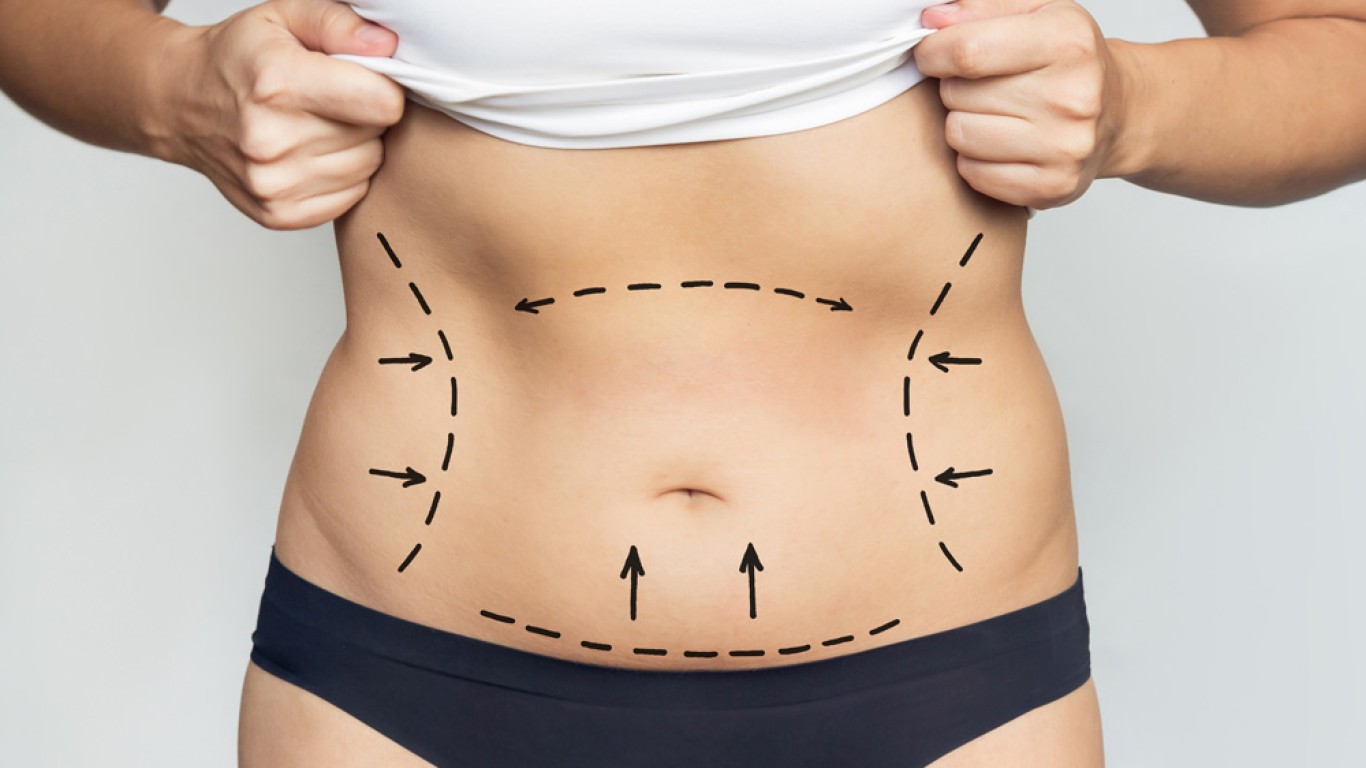
Some individuals find that stubborn belly fat persists despite consistent diet, exercise and lifestyle management. This is common and does not indicate personal failure. Genetic predisposition and hormones can make certain fat deposits genuinely resistant to lifestyle intervention alone. When healthy habits have been maintained for an extended period without sufficient abdominal fat reduction, clinical treatments may offer a solution. Non-surgical and surgical options can target localised fat deposits that the body resists releasing through natural processes. Professional assessment helps determine whether clinical intervention is appropriate.
Non-Surgical Treatments for Stubborn Belly Fat
Several non-surgical options can reduce stubborn belly fat without incisions or anaesthesia. Common approaches include:
- Cryolipolysis freezes fat cells, which the body eliminates naturally over weeks.
- Radiofrequency treatments heat and disrupt fat cells beneath the skin.
- Laser-based devices target fat cell membranes with focused energy.
- Injectable fat dissolving agents break down fat cells chemically.
- High-intensity focused ultrasound targets deeper fat deposits precisely.
These treatments suit patients with mild-moderate stubborn belly fat who prefer to avoid surgery. Results develop gradually over several weeks as the body processes disrupted fat cells.
Surgical Options for Stubborn Belly Fat
Liposuction is the most effective surgical treatment for removing stubborn belly fat. The procedure physically extracts fat from beneath the skin using a thin cannula. It provides immediate and significant volume reduction in a single session. Liposuction precisely sculpts the midsection, addressing fat deposits that non-surgical treatments may not fully resolve. A tummy tuck combines fat removal with excess skin excision and muscle tightening. This comprehensive approach suits patients with both stubborn belly fat and skin laxity. Both procedures require a recovery period but produce dramatic and long-lasting results.
Combining Approaches for Best Results
The most effective strategy for addressing stubborn belly fat often combines multiple approaches. Healthy dietary habits and regular exercise establish the foundation for fat reduction. Managing stress and improving sleep quality support hormonal balance. Non-surgical treatments can target remaining localised deposits. Surgical options provide the most comprehensive results for patients with persistent fat that resists all other methods. Stubborn belly fat responds best to a layered approach that addresses lifestyle, hormonal and structural factors together. Professional guidance helps patients develop a personalised plan that combines the most appropriate strategies.
How Hormones Affect Stubborn Belly Fat
Hormonal balance plays a crucial role in abdominal fat distribution. Oestrogen decline during menopause shifts fat storage toward the midsection in many women. Testosterone decline in men can produce a similar effect. Thyroid function influences metabolic rate and fat storage patterns. Insulin resistance encourages the body to store excess energy as abdominal fat rather than using it for fuel. Persistent abdominal fat driven by hormones may respond to hormone-related medical management alongside lifestyle changes. Consulting a healthcare professional supports a more targeted approach to persistent abdominal fat reduction.
Setting Realistic Expectations
Understanding what is achievable helps patients approach treatment with appropriate expectations. Fat reduction is a gradual process whether through lifestyle changes or clinical treatment. Spot reduction of fat through exercise alone is not possible. The body reduces fat across all areas rather than from a single zone. Non-surgical treatments produce subtle improvement over weeks. Surgical options deliver more dramatic results but require recovery time. Managing persistent abdominal fat is a long-term commitment rather than a quick fix. Patients who adopt sustainable habits and realistic timelines achieve the most satisfying and lasting outcomes.
Maintaining Results Long Term
Once stubborn belly fat has been reduced, maintaining results requires consistent healthy habits. Fat cells removed through surgery or destroyed through non-surgical treatment do not regenerate. However, remaining cells can expand if calorie intake consistently exceeds expenditure. Balanced nutrition and regular physical activity preserve the improved midsection contour. Stress management and adequate sleep continue to support hormonal balance. Persistent abdominal fat is less likely to return when patients maintain the lifestyle habits that supported their initial improvement. Long-term commitment to health protects the investment made in treatment.
Conclusion
Persistent abdominal fat is a common concern driven by genetics, hormones, stress and lifestyle factors. Diet and exercise form the foundation of any reduction strategy. Non-surgical and surgical treatments offer effective options when lifestyle changes alone are insufficient. Combining approaches produces the most comprehensive results. Managing stress and sleep supports hormonal balance. Setting realistic expectations and maintaining healthy habits long term ensures lasting improvement. Professional guidance helps individuals develop a personalised plan for addressing persistent abdominal fat.
For more information on using liposuction to tackle stubborn belly fat, visit the ACIBADEM Beauty Center Liposuction page.
Frequently Asked Questions
Genetics and hormones can make certain fat deposits resistant to lifestyle changes alone.
Yes, several technologies target localised fat without surgery.
Yes, liposuction is the most effective single-session treatment.
Yes, elevated cortisol promotes fat storage around the midsection.
Yes, when body weight remains stable through healthy habits.